
-
AboutHebei Linaier Rubber Products Co., Ltd. is located in Duqiao Industrial Zone, Jingxian City, Hebei Province, adjacent to Dezhou, Shandong. Founded in early 2001 with a registered capital of 35 million yuan, it is a scientific

-
ProductMain products: vertical and horizontal imported and domestic filter plates, diaphragm plates, diaphragms and accessories; pinch valve sleeves and pinch valves and various mining accessories.
-
NewsIn 2013, our company's high-pressure cylinder with phenolic cloth support and guide ring obtained the national key new product certificate, project number: 2013GRA20011; its products in coal cylinders and engineering hydrauli
-
ServiceWe will actively cooperate with more enthusiasm, strengthen internal management, expand the market externally, improve various performance indicators of existing products, and truly achieve our win-win situation!
-
RecruitmentOur company always adheres to the talent concept of "people-oriented", provides a growth platform for talents, and realizes the common growth and development of enterprises and talents.


 Esperanto
 Shqiptare
 Euskara
 Zulu
Zulu
 Latinus
 Cymraeg
 தமிழ்
தமிழ்
 Slovak
 Slovak
 Afrikaans

The Science Behind Effective Filtration: Exploring Filter Plates
Release time:
2025-12-30
The Science Behind Effective Filtration: Exploring Filter Plates Table of Contents 1. Understanding the Basics of Filtration 2. What Are Filter Plates? 3. The Role of Filter Plates in Chemical Processing 4. Types of Filter Plates: A Comprehensive Overview 4.1. Membrane Filter Plates 4.2. Polypropylene Filter Plates 4.3. Ceramic Filter Plates 4.4. Stainless Steel Filter Plates 5. How Filter Plates
The Science Behind Effective Filtration: Exploring Filter Plates
Table of Contents
1. Understanding the Basics of Filtration
2. What Are Filter Plates?
3. The Role of Filter Plates in Chemical Processing
4. Types of Filter Plates: A Comprehensive Overview
4.1. Membrane Filter Plates
4.2. Polypropylene Filter Plates
4.3. Ceramic Filter Plates
4.4. Stainless Steel Filter Plates
5. How Filter Plates Work: The Filtration Process Explained
6. Advantages of Using Filter Plates in Industrial Applications
7. Innovations in Filter Plate Technology
8. Best Practices for Maintaining Filter Plates
9. Frequently Asked Questions
10. Conclusion
1. Understanding the Basics of Filtration
Filtration is a critical process in various industries, including chemical manufacturing and plastic production. It involves separating solid particles from fluids using a physical barrier, allowing for the purification of substances. The fundamental principles of filtration hinge on the properties of the materials involved and the mechanisms by which they interact. Effective filtration not only enhances the quality of the end product but also minimizes waste and supports sustainability efforts.
2. What Are Filter Plates?
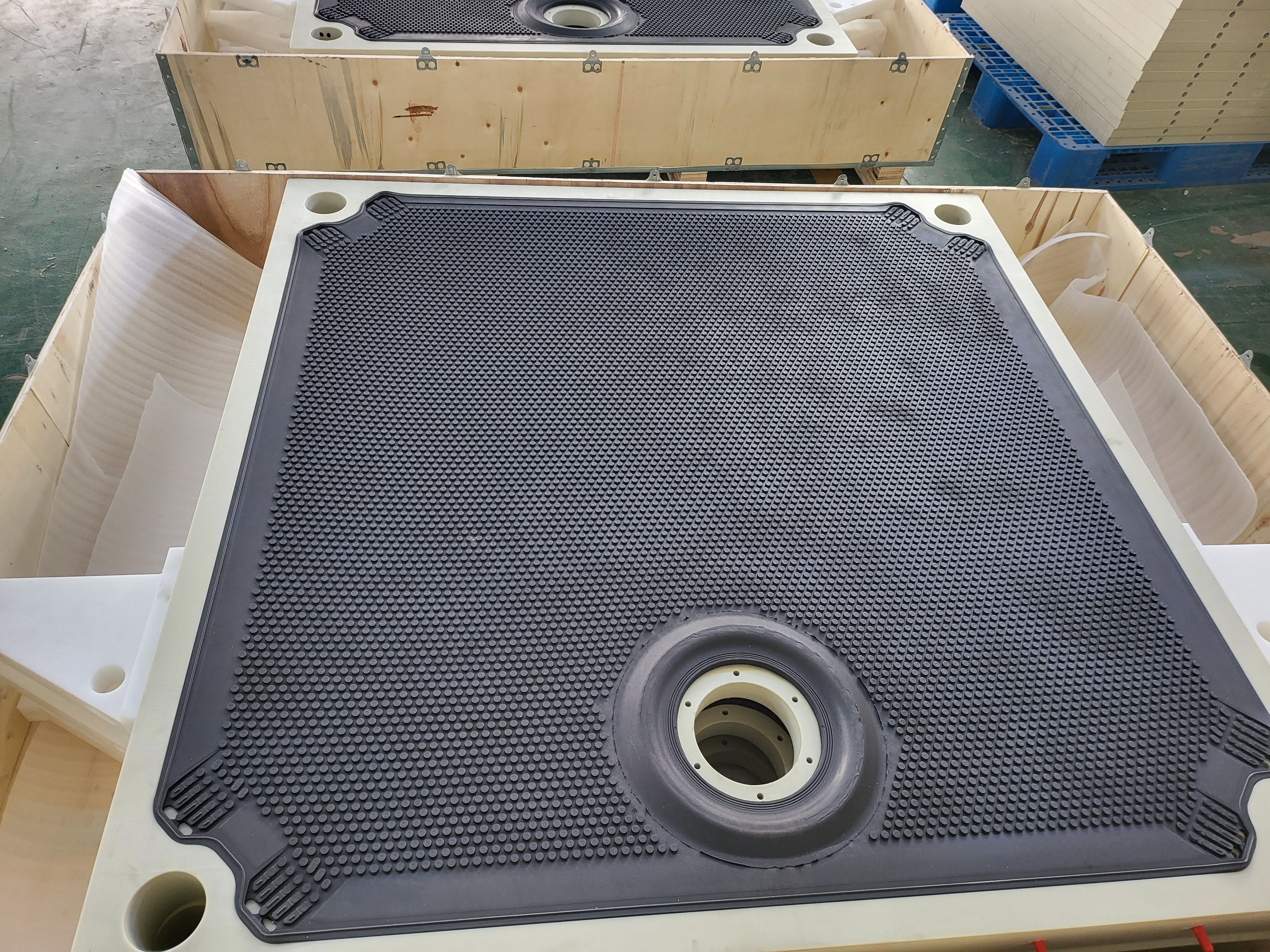
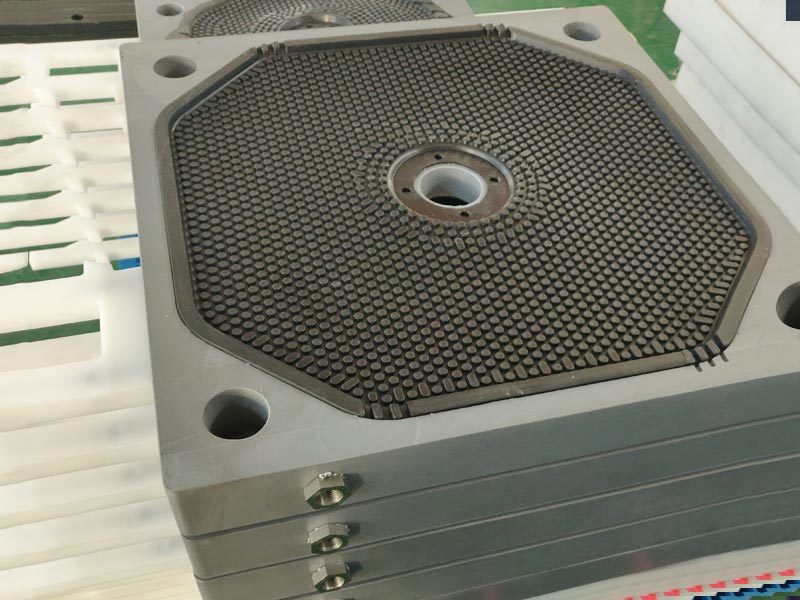
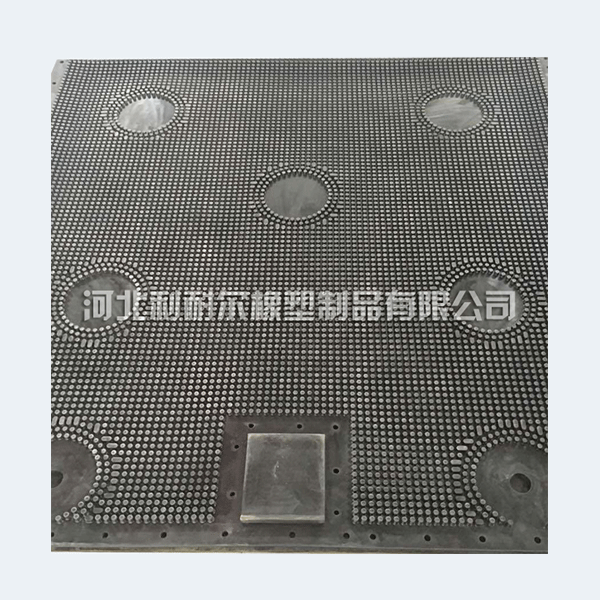
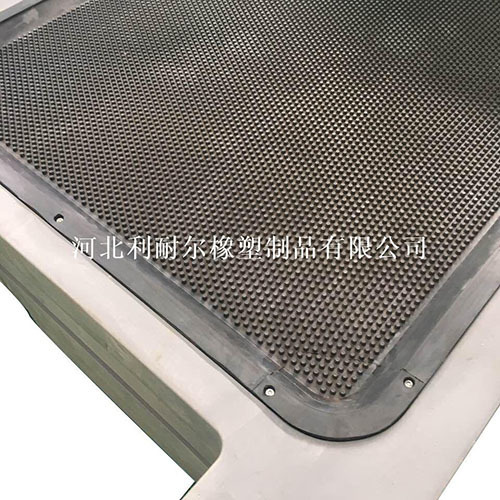
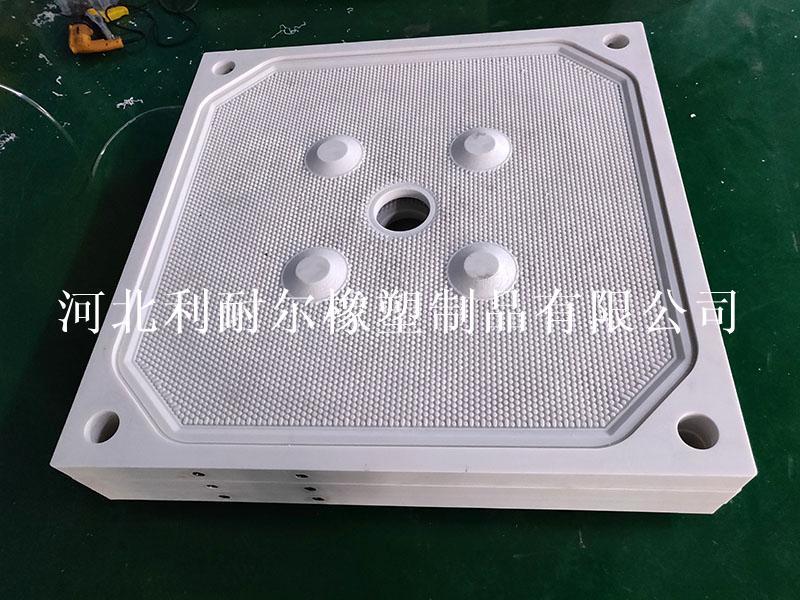
Filter plates are specialized filtration devices designed to facilitate the separation of solids from liquids or gases. Typically made from durable materials like polypropylene, stainless steel, or ceramics, these plates feature a porous structure that enables the passage of the desired fluid while trapping unwanted particles. The design and composition of filter plates vary depending on their intended applications, making them versatile tools in industrial processes.
3. The Role of Filter Plates in Chemical Processing
In chemical processing, filter plates play a pivotal role in ensuring product purity and operational efficiency. They are used in various applications, from separating solids in slurries to clarifying liquids. By effectively removing contaminants and particulates, filter plates help maintain the integrity of chemical formulations, reduce downtime, and lower operational costs. The choice of filter plate can significantly impact the efficiency of the filtration process, making it essential for manufacturers to select the right type for their specific needs.
4. Types of Filter Plates: A Comprehensive Overview
Filter plates come in several types, each designed to meet specific filtration requirements. Understanding the differences among them can help industries choose the most suitable option.
4.1. Membrane Filter Plates
Membrane filter plates utilize semi-permeable membranes to separate particles from liquids. They are particularly effective in applications requiring high levels of purity, such as pharmaceuticals and food processing. The membranes can be made from various materials, including polymeric and ceramic, each offering unique filtration capabilities.
4.2. Polypropylene Filter Plates
Polypropylene filter plates are known for their chemical resistance and durability. They are commonly used in the filtration of aggressive chemicals and are favored for their lightweight nature and cost-effectiveness. These plates are ideal for applications in the petrochemical and wastewater treatment industries.
4.3. Ceramic Filter Plates
Ceramic filter plates are designed for high-temperature and high-pressure applications. Their robust structure allows them to withstand harsh operating conditions, making them suitable for industrial processes where other materials may fail. These plates offer exceptional filtration efficiency and are often used in ceramics, metals, and mining industries.
4.4. Stainless Steel Filter Plates
Stainless steel filter plates provide exceptional strength and resistance to corrosion. They are ideal for food and beverage applications, where hygiene and durability are paramount. Their ability to withstand extreme conditions makes them a popular choice in chemical and pharmaceutical industries.
5. How Filter Plates Work: The Filtration Process Explained
The filtration process using filter plates involves several key steps. Initially, the mixture of solids and liquids is introduced to the filter plate. The liquid passes through the porous surface, while solids are retained, forming a cake on the plate. This cake acts as an additional filter layer, increasing the efficiency of the filtration process. Over time, as the cake builds up, the flow rate may decrease, necessitating cleaning or replacement of the filter plates to maintain optimal performance.
6. Advantages of Using Filter Plates in Industrial Applications
The use of filter plates offers numerous advantages in industrial settings:
- **Enhanced Product Quality**: By effectively removing impurities, filter plates help ensure that the final product meets required specifications.
- **Increased Operational Efficiency**: Filter plates minimize downtime caused by equipment cleaning and maintenance, allowing for continuous operation.
- **Cost Savings**: Using the right filter plate can reduce material waste and lower overall production costs.
- **Sustainability**: Effective filtration processes can lead to less environmental impact, aligning with modern sustainability goals.
7. Innovations in Filter Plate Technology
Recent advancements in filter plate technology have focused on improving efficiency and reducing costs. Innovations include the development of smart filter plates equipped with sensors that monitor performance and alert operators to maintenance needs. Additionally, advancements in materials science have led to the creation of filter plates that offer enhanced filtration capabilities while being lighter and more durable.
8. Best Practices for Maintaining Filter Plates
To ensure optimal performance and longevity of filter plates, it's essential to follow best practices:
- **Regular Inspections**: Check filter plates for wear and damage regularly to prevent unexpected failures.
- **Proper Cleaning**: Follow manufacturer guidelines for cleaning to maintain the integrity of the filter plates.
- **Correct Usage**: Ensure that filter plates are used within their specified parameters to avoid damage and ensure efficiency.
- **Timely Replacement**: Replace filter plates when they no longer perform effectively to maintain filtration quality.
9. Frequently Asked Questions
What is the lifespan of a filter plate?
The lifespan of a filter plate varies based on the material, usage conditions, and maintenance practices. Generally, they can last from several months to a few years.
Can filter plates be reused?
Yes, many filter plates can be cleaned and reused, depending on the material and the type of contaminants they have been exposed to.
How do I choose the right filter plate for my application?
Choosing the right filter plate involves considering factors such as the type of fluids being filtered, the size of particles, and the operating conditions like temperature and pressure.
What are the signs of a failing filter plate?
Signs of a failing filter plate include decreased flow rates, increased pressure drop, and visible signs of wear or damage.
Are there environmentally friendly filter plate options?
Yes, many manufacturers are now producing filter plates from sustainable materials or developing recycling programs for used plates to minimize environmental impact.
10. Conclusion
Understanding the science behind effective filtration and the essential role of filter plates is crucial for industries involved in chemical processing and plastic production. By selecting the appropriate type of filter plate and implementing best practices for maintenance, businesses can achieve superior product quality, operational efficiency, and sustainability. The advancements in filter plate technology continue to shape the future of filtration, ensuring that industries can meet the demands of an ever-evolving market. Embracing these innovations will not only optimize processes but also contribute to a cleaner, more sustainable world.
Related News