
-
AboutHebei Linaier Rubber Products Co., Ltd. is located in Duqiao Industrial Zone, Jingxian City, Hebei Province, adjacent to Dezhou, Shandong. Founded in early 2001 with a registered capital of 35 million yuan, it is a scientific

-
ProductMain products: vertical and horizontal imported and domestic filter plates, diaphragm plates, diaphragms and accessories; pinch valve sleeves and pinch valves and various mining accessories.
-
NewsIn 2013, our company's high-pressure cylinder with phenolic cloth support and guide ring obtained the national key new product certificate, project number: 2013GRA20011; its products in coal cylinders and engineering hydrauli
-
ServiceWe will actively cooperate with more enthusiasm, strengthen internal management, expand the market externally, improve various performance indicators of existing products, and truly achieve our win-win situation!
-
RecruitmentOur company always adheres to the talent concept of "people-oriented", provides a growth platform for talents, and realizes the common growth and development of enterprises and talents.


 Esperanto
 Shqiptare
 Euskara
 Zulu
Zulu
 Latinus
 Cymraeg
 தமிழ்
தமிழ்
 Slovak
 Slovak
 Afrikaans

Understanding the Role of Filter Plates in the Chemical and Plastics Industry
Release time:
2025-12-25
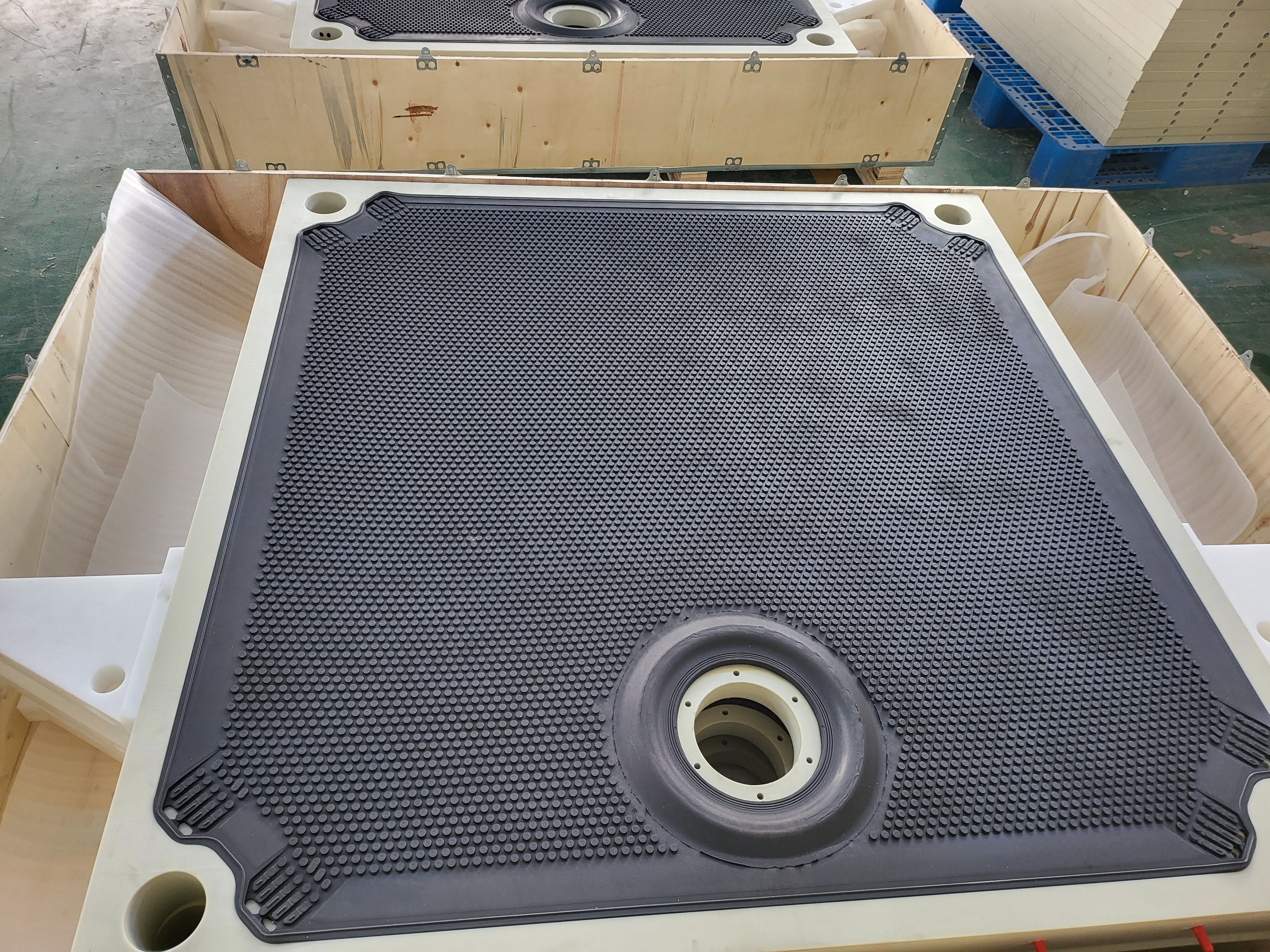
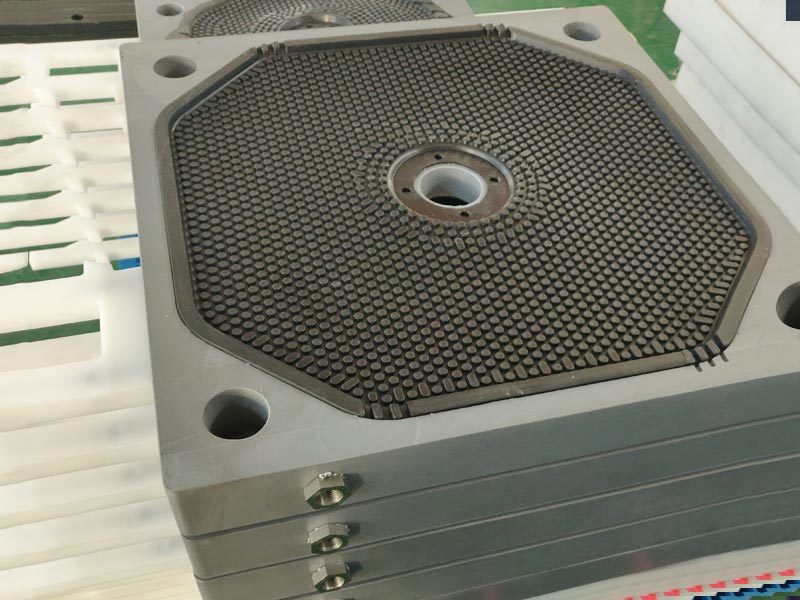
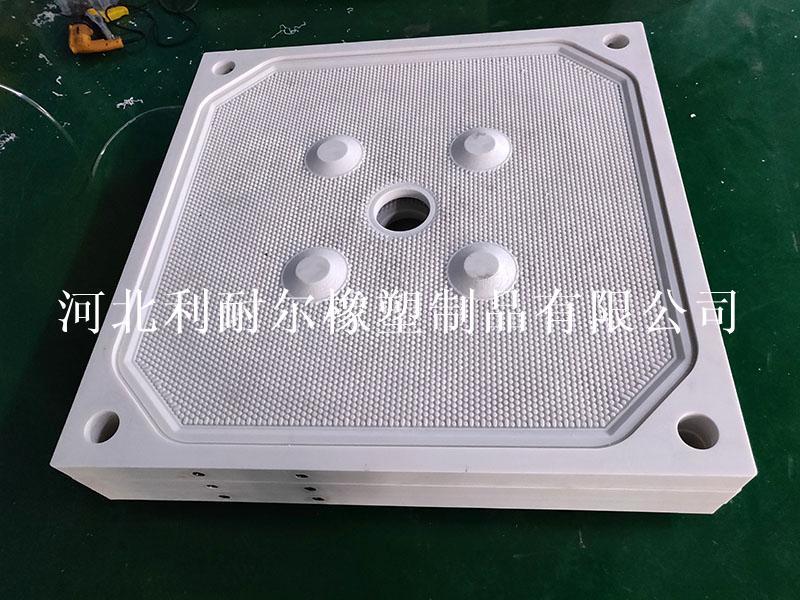
Filter plates are essential components used in various industrial applications, particularly in the chemical and plastics industries. They serve a critical role in the separation and filtration processes, ensuring that the final products meet the required quality standards. Filter plates are designed to be durable and efficient, capable of handling various substances, including corrosive chemicals
Filter plates are essential components used in various industrial applications, particularly in the chemical and plastics industries. They serve a critical role in the separation and filtration processes, ensuring that the final products meet the required quality standards. Filter plates are designed to be durable and efficient, capable of handling various substances, including corrosive chemicals and abrasive materials.
In the context of the chemical and plastics sector, filter plates are typically utilized in processes such as solid-liquid separation, clarification, and purification of liquids. They work by capturing particles, impurities, and other unwanted materials, allowing only the desired fluids to pass through. This is particularly important in the production of high-quality plastic products where any contamination can affect the final properties and performance of the material.
One of the significant advantages of using filter plates is their ability to enhance operational efficiency. By effectively removing contaminants and ensuring a clean production environment, these plates help reduce downtime and maintenance costs. Additionally, the use of filter plates can improve the overall yield of the production process by preventing the loss of valuable materials due to contamination.
When selecting filter plates for specific applications, several factors must be considered. These include the size and type of particles to be filtered, the viscosity of the liquids involved, and the operating conditions such as temperature and pressure. It is crucial to choose the right material for the filter plates, as they need to withstand the chemical properties of the substances being processed. Common materials include polypropylene, polyethylene, and various grades of stainless steel, each offering different advantages depending on the application.
Moreover, regular maintenance and timely replacement of filter plates are essential to ensure optimal performance. Over time, filter plates can become clogged or worn out, leading to reduced filtration efficiency and potential product contamination. Implementing a robust maintenance schedule can help prolong the life of the filter plates and maintain the quality of the production process.
In conclusion, filter plates play a vital role in the chemical and plastics industry by facilitating efficient filtration and separation processes. Understanding their functions, advantages, and maintenance requirements can help businesses enhance their operational effectiveness and product quality. By investing in the right filter plates and ensuring their proper upkeep, companies can improve their overall production efficiency and achieve better outcomes in their manufacturing processes.
Related News