
-
AboutHebei Linaier Rubber Products Co., Ltd. is located in Duqiao Industrial Zone, Jingxian City, Hebei Province, adjacent to Dezhou, Shandong. Founded in early 2001 with a registered capital of 35 million yuan, it is a scientific

-
ProductMain products: vertical and horizontal imported and domestic filter plates, diaphragm plates, diaphragms and accessories; pinch valve sleeves and pinch valves and various mining accessories.
-
NewsIn 2013, our company's high-pressure cylinder with phenolic cloth support and guide ring obtained the national key new product certificate, project number: 2013GRA20011; its products in coal cylinders and engineering hydrauli
-
ServiceWe will actively cooperate with more enthusiasm, strengthen internal management, expand the market externally, improve various performance indicators of existing products, and truly achieve our win-win situation!
-
RecruitmentOur company always adheres to the talent concept of "people-oriented", provides a growth platform for talents, and realizes the common growth and development of enterprises and talents.


 Esperanto
 Shqiptare
 Euskara
 Zulu
Zulu
 Latinus
 Cymraeg
 தமிழ்
தமிழ்
 Slovak
 Slovak
 Afrikaans

Filter Plates: Enhancing the Quality of Plastic Goods
Release time:
2025-01-17
Filter Plates: Enhancing the Quality of Plastic Goods Table of Contents 1. Introduction to Filter Plates in Plastic Manufacturing 2. What Are Filter Plates? 3. The Importance of Filter Plates in the Production of Plastic Goods 4. Types of Filter Plates Used in Plastic Processing 4.1 Mesh Filter Plates 4.2 Disc Filter Plates
Filter Plates: Enhancing the Quality of Plastic Goods
Table of Contents
- 1. Introduction to Filter Plates in Plastic Manufacturing
- 2. What Are Filter Plates?
- 3. The Importance of Filter Plates in the Production of Plastic Goods
- 4. Types of Filter Plates Used in Plastic Processing
- 5. Applications of Filter Plates in the Plastic Industry
- 6. Benefits of Using Filter Plates
- 7. Maintenance and Care for Filter Plates
- 8. Future Trends in Filter Plate Technology
- 9. Frequently Asked Questions
- 10. Conclusion
1. Introduction to Filter Plates in Plastic Manufacturing
In the dynamic world of plastic manufacturing, achieving high-quality products consistently is paramount. **Filter plates** serve as a critical component in this process, enabling manufacturers to refine their production techniques and enhance the purity of their materials. By effectively removing impurities and maintaining material consistency, filter plates directly impact the quality of end products, making them indispensable in the industry.
2. What Are Filter Plates?
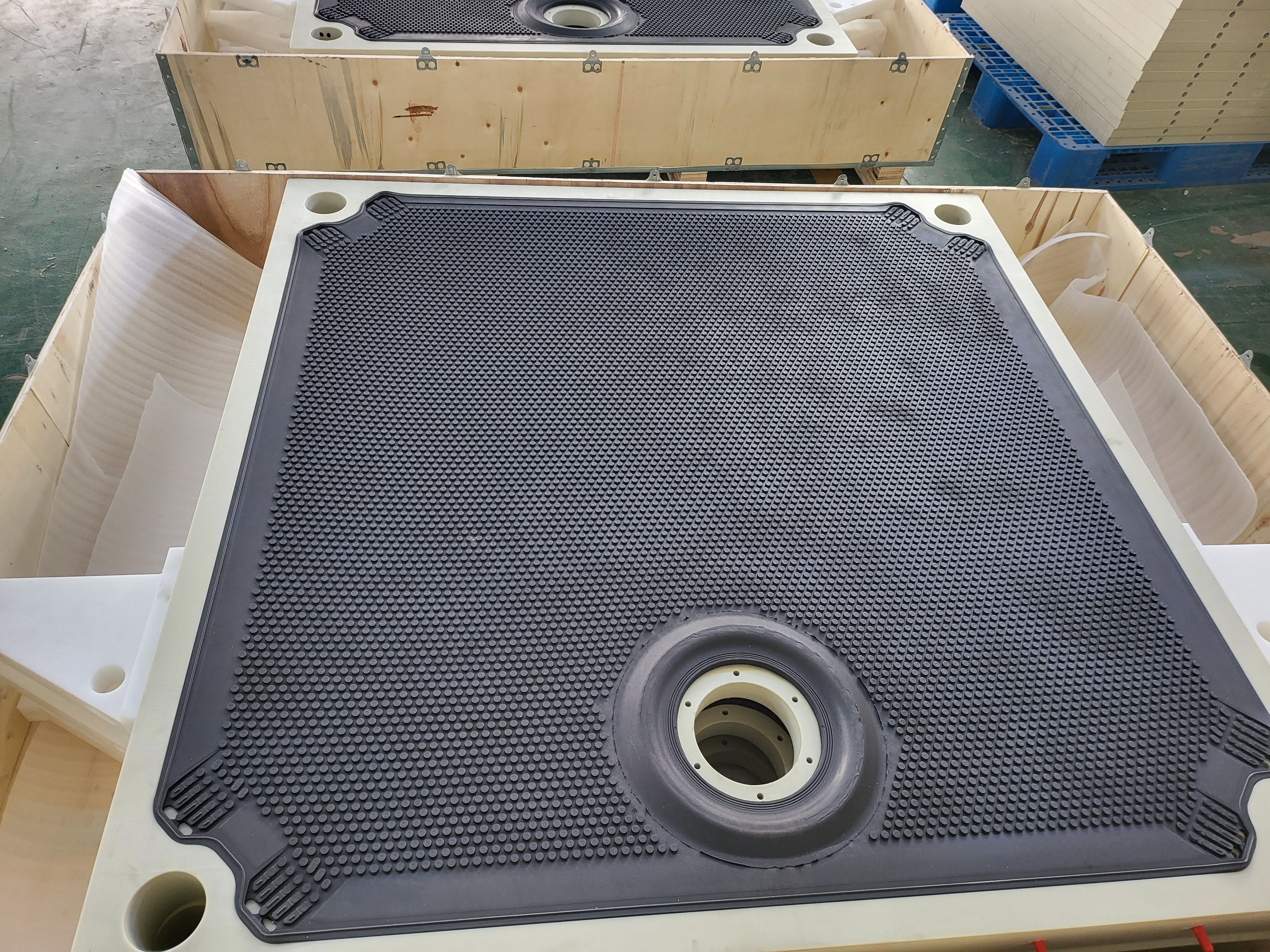
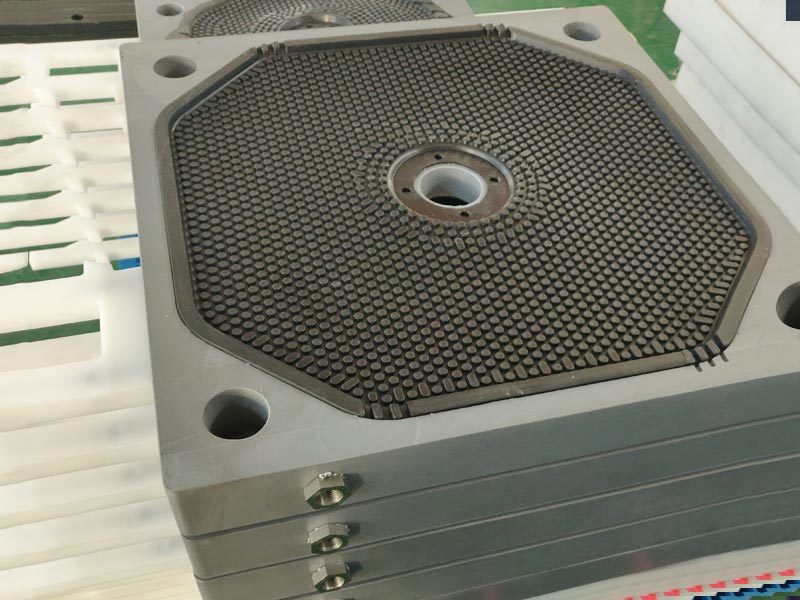
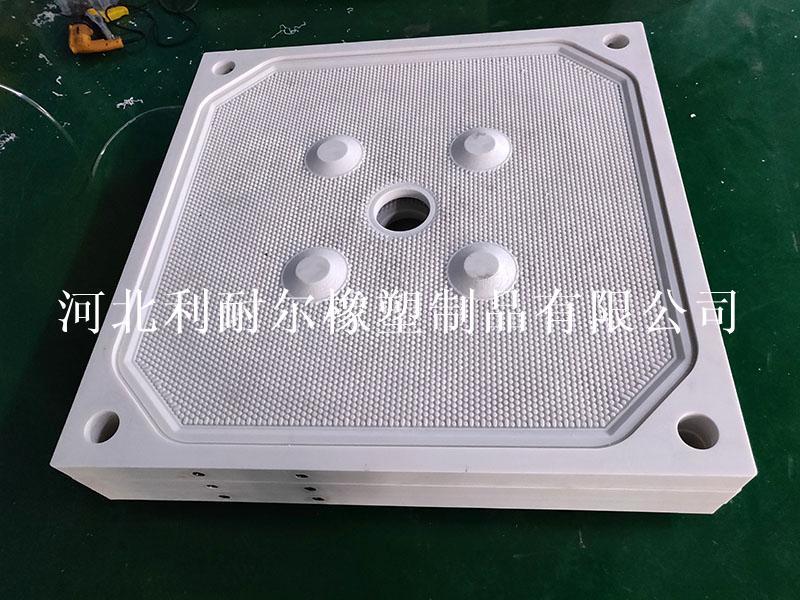
**Filter plates** are specialized components designed to separate solid contaminants from liquid or semi-liquid materials during the manufacturing process. Typically constructed from robust materials such as stainless steel, plastic, or ceramics, these plates are integrated into various systems, including extrusion lines, injection molding machines, and filtration units. Their primary function is to ensure that the plastic products produced are free from unwanted particles, which can compromise their quality and performance.
3. The Importance of Filter Plates in the Production of Plastic Goods
The importance of filter plates in plastic goods production cannot be overstated. They provide several critical benefits, including:
- **Contamination Prevention**: Filter plates prevent contaminants from entering the final product, ensuring a high level of purity.
- **Quality Assurance**: By maintaining consistent material properties, filter plates contribute to the overall quality of plastic goods.
- **Operational Efficiency**: They facilitate smoother operation in manufacturing processes by reducing equipment wear and tear caused by impurities.
- **Cost-Effectiveness**: By minimizing defects and waste, filter plates help reduce production costs over time.
4. Types of Filter Plates Used in Plastic Processing
Understanding the different types of filter plates available is essential for manufacturers aiming to optimize their production processes. Here are the most common types utilized in the plastic industry:
4.1 Mesh Filter Plates
**Mesh filter plates** consist of a thin layer of woven material, typically made from stainless steel or synthetic fibers. These plates are effective in filtering out larger particles while allowing the desired materials to pass through. The mesh size can be customized based on the specific requirements of the production process, making them versatile for various applications.
4.2 Disc Filter Plates
**Disc filter plates** are circular and feature a combination of holes or slots for filtering. They are particularly useful in applications requiring high flow rates and can be stacked to increase filtration capacity. These plates are often used in the production of high-viscosity plastics where clogging is a concern.
4.3 Screen Filter Plates
**Screen filter plates** utilize a screen-like mechanism to filter out unwanted materials. They are known for their durability and are capable of withstanding high pressures. Screen filter plates are ideal for processes involving harsh chemicals or extreme temperatures, making them a robust choice for demanding applications.
5. Applications of Filter Plates in the Plastic Industry
Filter plates find applications across various stages of plastic production, including:
- **Extrusion**: In extrusion processes, filter plates are essential for ensuring that the melted plastic is free from impurities before shaping.
- **Injection Molding**: During injection molding, filter plates help maintain the quality of the melted resin, preventing defects in the final product.
- **Compounding**: In compounding processes, filter plates enhance the mixing of additives and polymers, ensuring uniform distribution and improved performance.
- **Recycling**: Filter plates are also critical in recycling operations, helping to remove contaminants from recycled plastics, thus improving the quality of recycled materials.
6. Benefits of Using Filter Plates
Incorporating filter plates into production lines presents several advantages:
- **Enhanced Product Quality**: Filter plates significantly improve the quality of the final plastic products by eliminating foreign particles.
- **Reduced Waste**: By preventing contamination, manufacturers can reduce the amount of material wasted due to defects.
- **Increased Production Efficiency**: Filter plates enable smoother operations, leading to higher throughput and productivity.
- **Longer Equipment Lifespan**: By minimizing wear and tear on machinery, filter plates contribute to longer equipment life and reduced maintenance costs.
7. Maintenance and Care for Filter Plates
Proper maintenance of filter plates is crucial to ensure optimal performance and longevity. Here are some essential maintenance practices:
- **Regular Inspections**: Periodically check filter plates for signs of wear or damage to identify issues before they escalate.
- **Cleaning**: Implement a cleaning schedule to remove accumulated debris and contaminants, ensuring that the filter plates remain effective.
- **Replacement**: Replace filter plates as necessary, depending on their condition and the manufacturer’s recommendations.
8. Future Trends in Filter Plate Technology
As the plastic industry evolves, advancements in filter plate technology are expected to transform manufacturing processes. Some emerging trends include:
- **Smart Filter Plates**: Integration of IoT technology will enable real-time monitoring of filter efficiency and performance.
- **Eco-Friendly Materials**: A shift towards sustainable materials for filter plates will reduce environmental impact and enhance recyclability.
- **Automation**: Increased automation in maintenance and cleaning processes will streamline operations and improve efficiency.
9. Frequently Asked Questions
1. How do filter plates improve plastic manufacturing quality?
Filter plates enhance plastic manufacturing quality by effectively removing contaminants, ensuring that the final products are pure and have consistent properties.
2. What are the signs that a filter plate needs replacement?
Signs that a filter plate needs replacement include visible damage, decreased filtration efficiency, and increased pressure drops during operation.
3. Can filter plates be reused?
Yes, filter plates can often be reused if they are properly maintained and cleaned. However, their longevity will depend on the materials they are made from and their exposure to harsh conditions.
4. What industries benefit from using filter plates?
Various industries benefit from using filter plates, including plastics, chemicals, food processing, and pharmaceuticals, where product purity is critical.
5. How can I choose the right filter plate for my needs?
Choosing the right filter plate involves considering factors such as the type of materials being processed, required filtration level, and specific operational conditions. Consulting with a filtration expert can also provide valuable insights.
10. Conclusion
In conclusion, **filter plates** are integral to enhancing the quality of plastic goods in the manufacturing process. They effectively remove contaminants, ensuring that the final products meet high standards of purity and performance. By understanding the various types of filter plates, their applications, and the benefits they provide, manufacturers can make informed decisions that positively impact their production efficiency and product quality. As technology evolves, the future of filter plate technology promises exciting advancements that will further optimize plastic manufacturing processes.
Related News