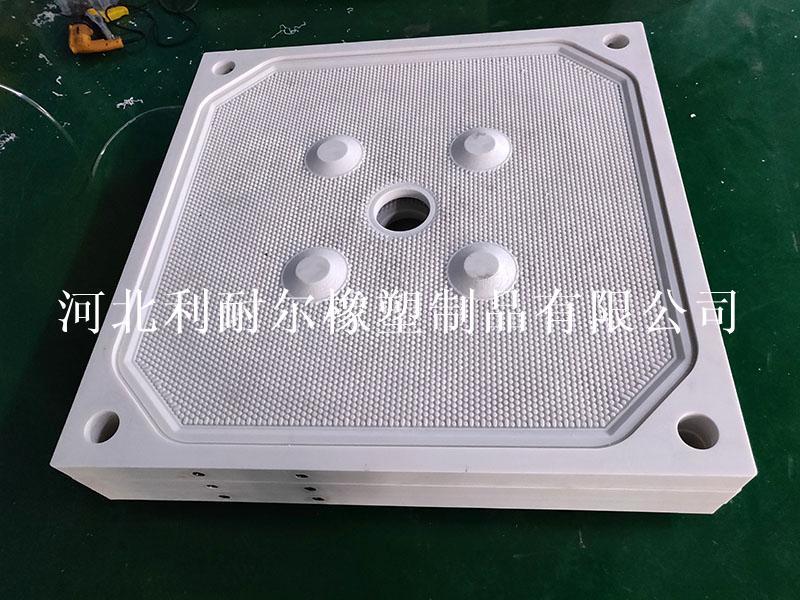

-
AboutHebei Linaier Rubber Products Co., Ltd. is located in Duqiao Industrial Zone, Jingxian City, Hebei Province, adjacent to Dezhou, Shandong. Founded in early 2001 with a registered capital of 35 million yuan, it is a scientific

-
ProductMain products: vertical and horizontal imported and domestic filter plates, diaphragm plates, diaphragms and accessories; pinch valve sleeves and pinch valves and various mining accessories.
-
NewsIn 2013, our company's high-pressure cylinder with phenolic cloth support and guide ring obtained the national key new product certificate, project number: 2013GRA20011; its products in coal cylinders and engineering hydrauli
-
ServiceWe will actively cooperate with more enthusiasm, strengthen internal management, expand the market externally, improve various performance indicators of existing products, and truly achieve our win-win situation!
-
RecruitmentOur company always adheres to the talent concept of "people-oriented", provides a growth platform for talents, and realizes the common growth and development of enterprises and talents.


 Esperanto
 Shqiptare
 Euskara
 Zulu
Zulu
 Latinus
 Cymraeg
 தமிழ்
தமிழ்
 Slovak
 Slovak
 Afrikaans

The Ultimate Guide to Choosing the Best Horizontal Filter Press Filter Plate
Release time:
2023-10-01
Choosing the best horizontal filter press filter plate is a critical decision that can significantly impact the efficiency and cost-effectiveness of your filtration process
1. Introduction
Choosing the best horizontal filter press filter plate is crucial for optimizing your filtration process. In this ultimate guide, we will explore the different types of filter plates, materials used, key considerations, and important features to help you make an informed decision.
2. Understanding Horizontal Filter Press Filter Plates
Horizontal filter press filter plates are essential components that separate solids from liquids in various industries. They play a vital role in achieving efficient and effective filtration by providing a support structure for the filter media and facilitating the separation process.
3. Types of Horizontal Filter Press Filter Plates
3.1 Plate and Frame Filter Plates
Plate and frame filter plates are the oldest and most common type of filter plates. They consist of a solid frame and a filter media (cloth or paper) that is attached to the frame. These plates provide excellent cake release and are suitable for a wide range of applications.
3.2 Recessed Chamber Filter Plates
Recessed chamber filter plates have recessed areas that form chambers for collecting the filtrate. They offer higher filtration efficiency and are ideal for applications where a high solids content is expected.
3.3 Membrane Filter Plates
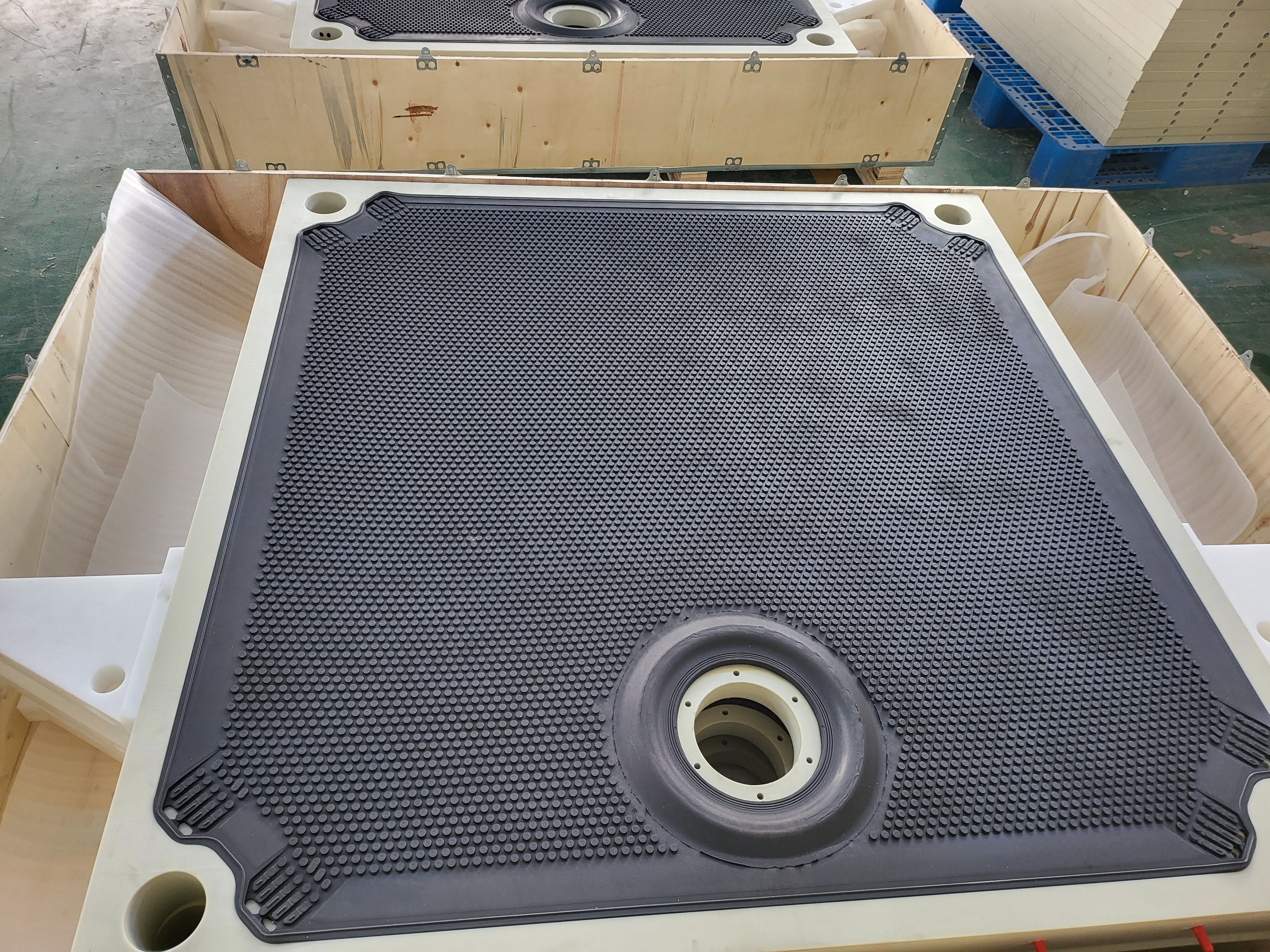
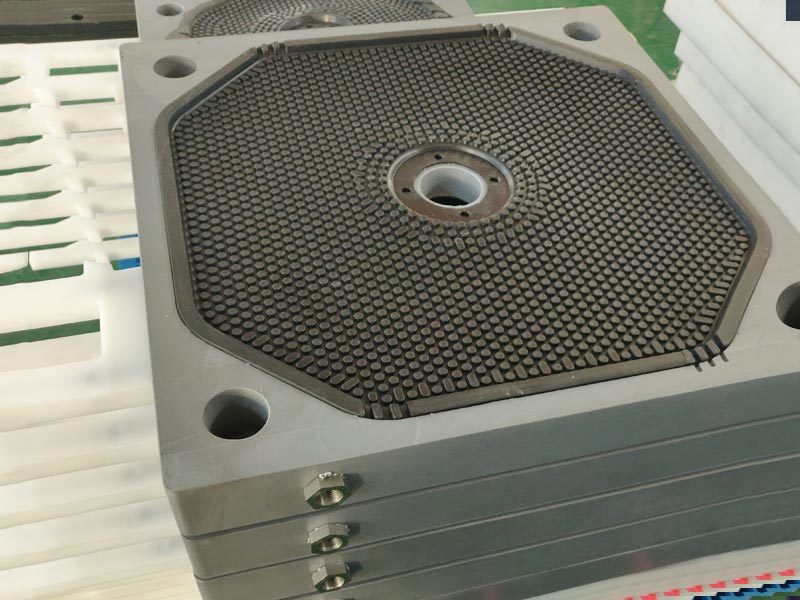
Membrane filter plates have an additional diaphragm that can be inflated or deflated to exert pressure on the filtration process. This feature improves the cake release and allows for higher pressure filtration, making them suitable for demanding applications.
4. Materials Used in Horizontal Filter Press Filter Plates
4.1 Polypropylene Filter Plates
Polypropylene filter plates are widely used due to their excellent chemical resistance, light weight, and affordability. They are suitable for a broad range of applications and offer good mechanical strength.
4.2 Stainless Steel Filter Plates
Stainless steel filter plates are highly durable and resistant to corrosion, making them suitable for harsh operating conditions. They are often preferred for applications involving high temperatures or aggressive chemicals.
4.3 Cast Iron Filter Plates
Cast iron filter plates are known for their exceptional strength and durability. They are commonly used in heavy-duty applications where weight is not a concern and high mechanical stress is expected.
5. Key Considerations for Choosing the Best Filter Plate
5.1 Filtration Efficiency
Consider the desired filtration efficiency based on the size and characteristics of the particles to be separated. Smaller pore sizes and higher surface area contribute to better filtration performance.
5.2 Chemical Compatibility
Ensure that the filter plate material is compatible with the chemicals and substances involved in your filtration process. Chemical resistance is critical to prevent plate degradation or contamination of the filtrate.
5.3 Durability and Longevity
Evaluate the expected lifespan of the filter plate based on the operating conditions and frequency of use. Choose a material that can withstand the mechanical stress and temperature variations without compromising its integrity.
5.4 Cost-effectiveness
Balance the initial investment cost with the long-term benefits and maintenance requirements. Consider the overall cost of ownership, including replacement and maintenance costs, to determine the most cost-effective option.
6. Important Features to Look for in Filter Plates
6.1 Plate Size and Configuration
Select the appropriate plate size and configuration based on your filtration requirements and the available space in your filter press. Consider the desired filter area, cake thickness, and number of plates needed for optimal performance.
6.2 Cake Thickness and Filter Area
Determine the ideal cake thickness and filter area based on the characteristics of the particulate matter and the desired filtration rate. Thicker cakes require more time to filter but can capture smaller particles effectively.
6.3 Filtration Pressure and Flow Rate
Consider the required filtration pressure and flow rate to achieve the desired separation efficiency. Optimal pressure and flow conditions ensure efficient cake formation and thorough particle capture.
Choosing the best horizontal filter press filter plate is a critical decision that can significantly impact the efficiency and cost-effectiveness of your filtration process. Consider factors such as filtration efficiency, chemical compatibility, durability, and cost-effectiveness when selecting the most suitable filter plate for your industrial needs. By understanding the different types, materials, and features available, you can optimize your filtration process and achieve superior results.
Related News