
-
AboutHebei Linaier Rubber Products Co., Ltd. is located in Duqiao Industrial Zone, Jingxian City, Hebei Province, adjacent to Dezhou, Shandong. Founded in early 2001 with a registered capital of 35 million yuan, it is a scientific

-
ProductMain products: vertical and horizontal imported and domestic filter plates, diaphragm plates, diaphragms and accessories; pinch valve sleeves and pinch valves and various mining accessories.
-
NewsIn 2013, our company's high-pressure cylinder with phenolic cloth support and guide ring obtained the national key new product certificate, project number: 2013GRA20011; its products in coal cylinders and engineering hydrauli
-
ServiceWe will actively cooperate with more enthusiasm, strengthen internal management, expand the market externally, improve various performance indicators of existing products, and truly achieve our win-win situation!
-
RecruitmentOur company always adheres to the talent concept of "people-oriented", provides a growth platform for talents, and realizes the common growth and development of enterprises and talents.


 Esperanto
 Shqiptare
 Euskara
 Zulu
Zulu
 Latinus
 Cymraeg
 தமிழ்
தமிழ்
 Slovak
 Slovak
 Afrikaans

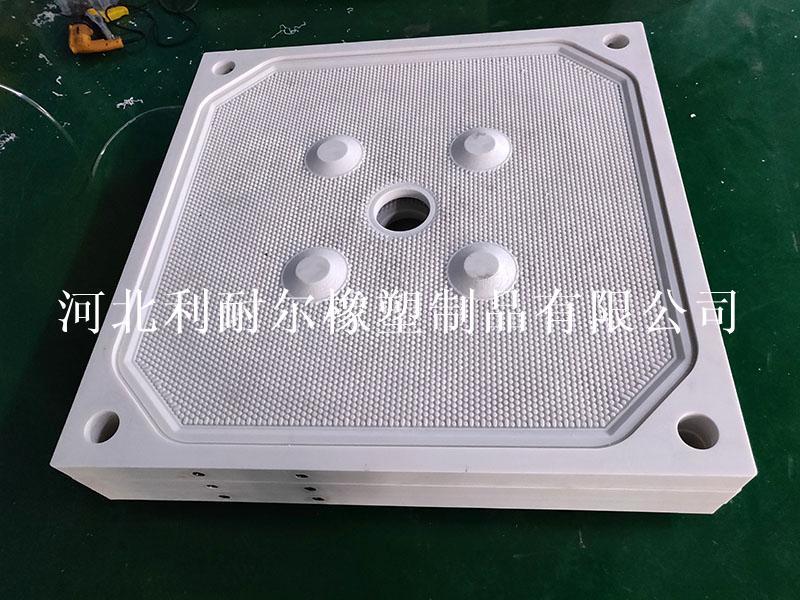
How to Choose the Right 1500*1500 Filter Plate for Your Filtration System
Release time:
2023-11-08
Choosing the right 1500*1500 filter plate for your filtration system is essential for achieving optimal filtration results
1. Introduction
In any filtration system, the filter plate plays a crucial role in separating solids from liquids. Choosing the right filter plate is essential to optimize filtration efficiency and maintain the overall performance of your system. This guide will help you navigate through the various factors and considerations involved in selecting a 1500*1500 filter plate.
2. Understanding 1500*1500 Filter Plates
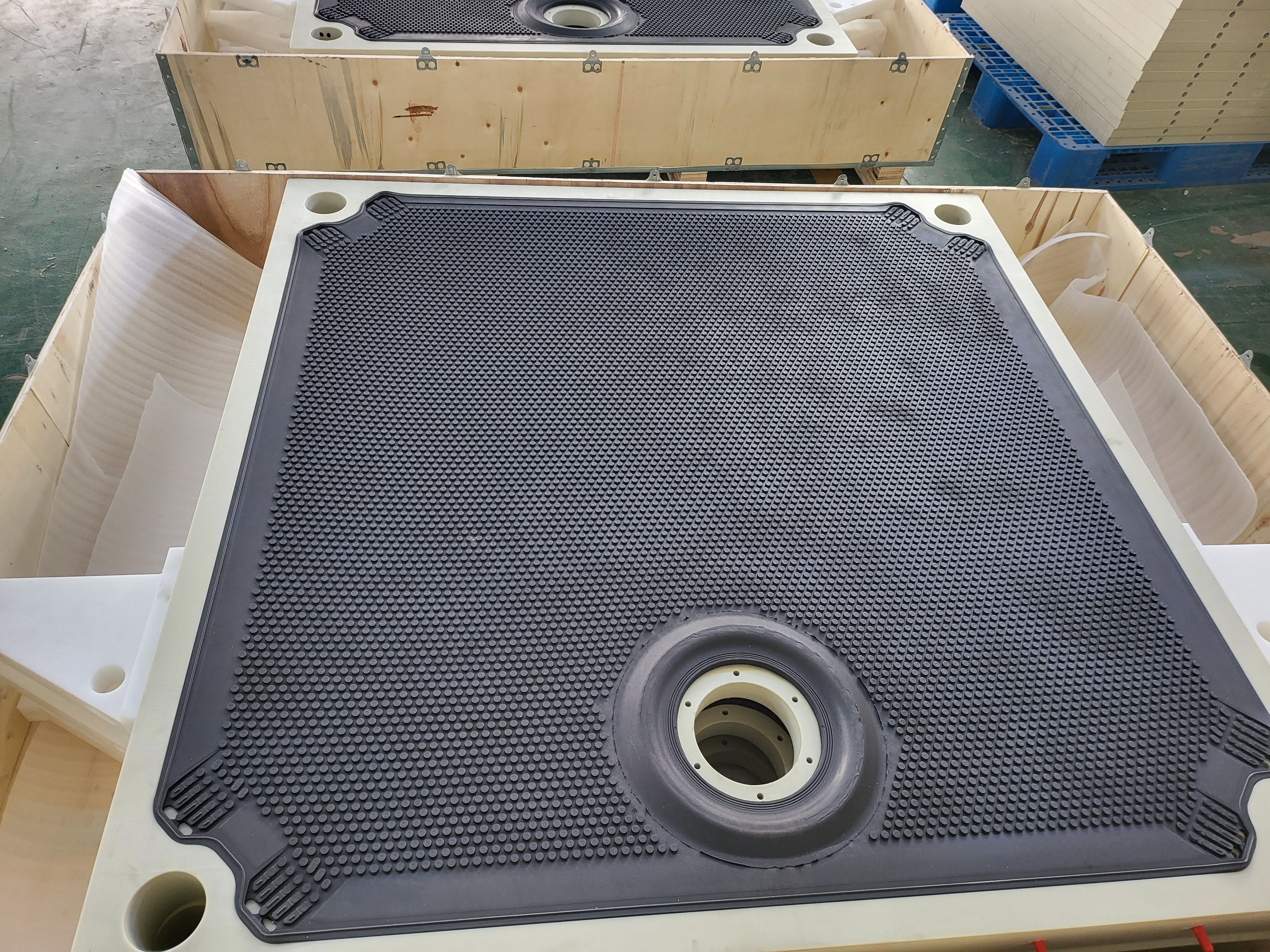
A 1500*1500 filter plate refers to its dimensions, with a width and length of 1500 millimeters. These plates are commonly used in industrial filtration processes and are available in different materials, designs, and configurations.
3. Factors to Consider When Choosing Filter Plates
3.1 Material Compatibility
Ensure that the filter plate material is compatible with the specific chemicals and substances present in your filtration process. Different materials offer varying resistance to corrosion, temperature, and abrasion.
3.2 Filtration Efficiency
Consider the desired level of filtration efficiency based on the nature of your filtration application. The filter plate should effectively retain solid particles while allowing the liquid to pass through.
3.3 Cake Release Properties
The cake release properties of the filter plate determine how easily the solid cake can be removed. Select a filter plate with suitable surface characteristics to facilitate easy cake release and minimize downtime during cleaning.
3.4 Plate Design and Construction
Evaluate the design and construction of the filter plate, including the type of sealing mechanism, drainage channels, and overall structural integrity. Ensure that these features align with the specific requirements of your filtration system.
3.5 Cost and Longevity
Consider the long-term cost implications and lifespan of the filter plate. While initial costs might vary, investing in a durable, high-quality filter plate can result in long-term savings and improved filtration performance.
4. Types of 1500*1500 Filter Plates
4.1 Recessed Chamber Filter Plates
Recessed chamber filter plates are designed with recessed areas that form chambers to hold the filtrate. They are suitable for applications with high filtration pressures and can accommodate a large cake volume.
4.2 Membrane Filter Plates
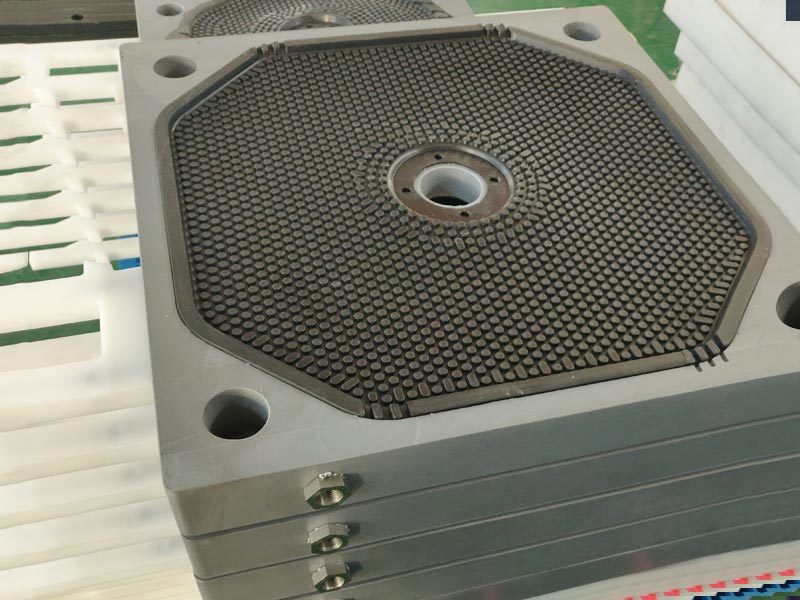
Membrane filter plates have an additional layer that can be inflated or deflated to exert pressure on the filter cake. This type of filter plate is suitable for applications requiring high pressure and efficient cake removal.
4.3 Plate and Frame Filter Plates
Plate and frame filter plates consist of a solid plate and a frame that holds the filter cloth. This design allows for easy cake removal and customization options to suit specific filtration needs.
5. Sizing and Configuration Considerations
5.1 Plate Thickness
The thickness of the filter plate affects its overall strength and rigidity. Consider the operating conditions and the pressure exerted on the plate to determine the optimal thickness.
5.2 Filter Area
The filter area refers to the total surface area available for filtration. It influences the filtration capacity and determines the rate at which solids are separated from the liquid.
5.3 Cake Thickness
The cake thickness is the accumulated layer of solids on the surface of the filter plate. It impacts the filtration efficiency and can be adjusted based on the desired level of filtration.
5.4 Number of Plates
The number of plates in your filtration system depends on the desired filtration capacity and the available space. Consider the overall dimensions and the required flow rate to determine the optimal number of plates.
6. Maintenance and Replacement
6.1 Cleaning and Inspection
Regular cleaning and inspection of the filter plates are essential to ensure optimal performance. Follow the manufacturer's guidelines for maintenance procedures to prolong the lifespan of the plates.
6.2 Plate Replacement
Over time, filter plates may require replacement due to wear and tear or changes in filtration requirements. Keep track of the plate's condition and consider upgrading or replacing them when necessary.
Conclusion
Choosing the right 1500*1500 filter plate for your filtration system is essential for achieving optimal filtration results. Consider factors such as material compatibility, filtration efficiency, cake release properties, plate design, and long-term cost implications. By understanding your specific filtration requirements and exploring the available options, you can make an informed decision that enhances the performance and efficiency of your filtration system.
Related News