
-
AboutHebei Linaier Rubber Products Co., Ltd. is located in Duqiao Industrial Zone, Jingxian City, Hebei Province, adjacent to Dezhou, Shandong. Founded in early 2001 with a registered capital of 35 million yuan, it is a scientific

-
ProductMain products: vertical and horizontal imported and domestic filter plates, diaphragm plates, diaphragms and accessories; pinch valve sleeves and pinch valves and various mining accessories.
-
NewsIn 2013, our company's high-pressure cylinder with phenolic cloth support and guide ring obtained the national key new product certificate, project number: 2013GRA20011; its products in coal cylinders and engineering hydrauli
-
ServiceWe will actively cooperate with more enthusiasm, strengthen internal management, expand the market externally, improve various performance indicators of existing products, and truly achieve our win-win situation!
-
RecruitmentOur company always adheres to the talent concept of "people-oriented", provides a growth platform for talents, and realizes the common growth and development of enterprises and talents.


language
English
العربية
বাংলাদেশ
Български
Hrvatski
Česky
Dansk
Nederland
 Esperanto
Slovenski
Filipino
Suomi
Français
Maori
 Shqiptare
Georgian
 Euskara
Deutsch
Ελλάδα
ישראל
इंडिया
Magyarország
Ísland
Indonesia
Irlanda
Italia
日本語
Sovensko
Հայաստան
한국
Kyrgyz
ປະເທດລາວ
 Zulu
Zulu
Latvian
Lithuanian
Luxembourgish
 Latinus
Macedonian
Малайская
Maltese
Монгол улс
 Cymraeg
ဗမာ
 தமிழ்
தமிழ்
नेपाल
Norge
ایران
Polska
Portugal
România
Российская
Србија
 Slovak
Србија
 Slovak
Bosanski
Slovenian
Беларус
España
Sverige
Точик
ประเทศไทย
Türk
Azərbaycan
Uzbek
 Afrikaans
Việt Nam

How to Effectively Optimize Your Filtration System Using 800 Diaphragm Plates
Release time:
2026-06-28
How to Effectively Optimize Your Filtration System Using 800 Diaphragm Plates Table of Contents 1. Understanding Filtration Systems 2. The Role of Diaphragm Plates in Filtration 2.1 What Are Diaphragm Plates? 2.2 Benefits of Using Diaphragm Plates 3. Overview of 800 Diaphragm Plates 3.1 Key Features of 800 Diaphragm Plates 3.2 How 800 Diaphragm Plates Compare to Other Options 4.
How to Effectively Optimize Your Filtration System Using 800 Diaphragm Plates
Table of Contents
1. Understanding Filtration Systems
2. The Role of Diaphragm Plates in Filtration
2.1 What Are Diaphragm Plates?
2.2 Benefits of Using Diaphragm Plates
3. Overview of 800 Diaphragm Plates
3.1 Key Features of 800 Diaphragm Plates
3.2 How 800 Diaphragm Plates Compare to Other Options
4. Best Practices for Optimizing Your Filtration System
4.1 Selecting the Right Materials
4.2 Maintenance Tips
5. Measuring Filtration Efficiency
5.1 Key Performance Indicators
5.2 Analyzing Results and Making Adjustments
6. Common Challenges and Solutions
6.1 Addressing Clogging Issues
6.2 Managing Flow Rates
7. Future Trends in Filtration Technology
8. Frequently Asked Questions (FAQs)
9. Conclusion
1. Understanding Filtration Systems
Filtration systems are crucial for various industries, including manufacturing, environmental management, and water treatment. They are designed to remove contaminants from liquids or gases, ensuring the purity and quality of the end product. Understanding the fundamental components of these systems can significantly impact their performance and reliability.
2. The Role of Diaphragm Plates in Filtration
Diaphragm plates play a pivotal role in the filtration process, acting as a barrier that allows only specific particles to pass through while retaining undesirable ones.
2.1 What Are Diaphragm Plates?
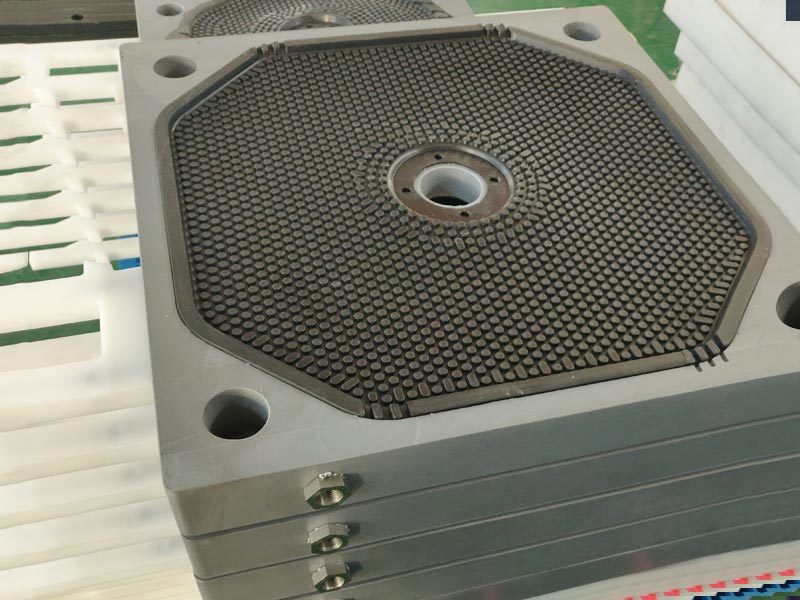
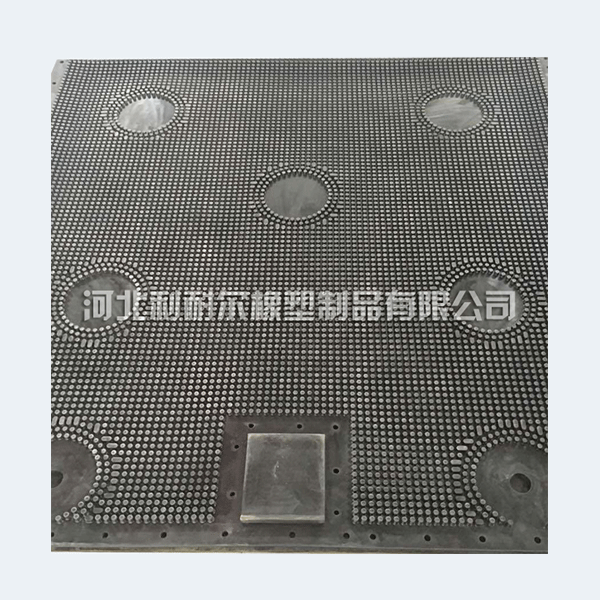
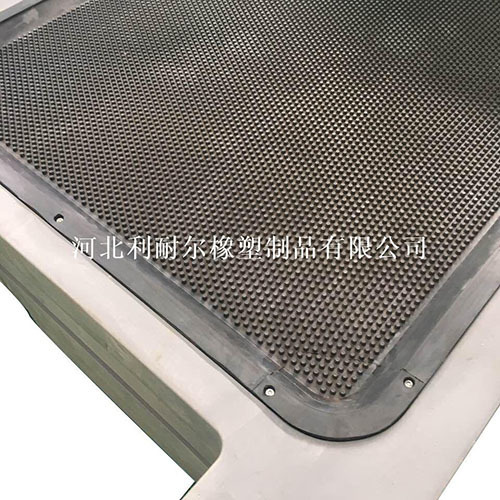
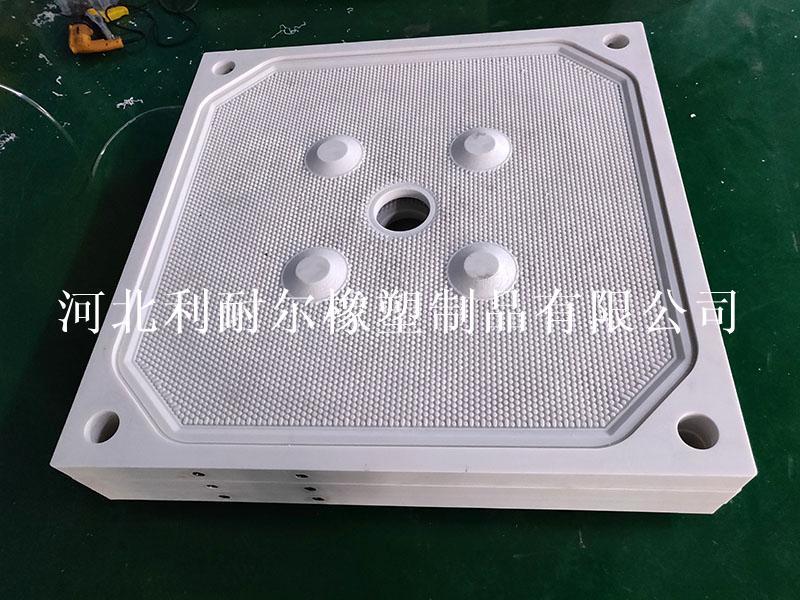
Diaphragm plates are thin, flexible membranes used in filtration systems. They are typically made from materials such as polymer, rubber, or metal, depending on the application requirements. Their primary function is to regulate flow and separate solids from liquids effectively.
2.2 Benefits of Using Diaphragm Plates
The advantages of diaphragm plates include:
- **Enhanced Efficiency:** They provide a high surface area for filtration, enabling better capture of contaminants.
- **Durability:** Made from robust materials, diaphragm plates can withstand harsh conditions, making them ideal for various applications.
- **Versatility:** They can be employed in diverse filtration settings, including air, water, and industrial processes.
3. Overview of 800 Diaphragm Plates
The 800 diaphragm plates are specifically designed for high-performance filtration applications. Their unique characteristics make them a preferred choice for many industrial processes.
3.1 Key Features of 800 Diaphragm Plates
Some notable features include:
- **High Permeability:** 800 diaphragm plates facilitate superior liquid flow while maintaining effective filtration.
- **Chemical Resistance:** They can withstand exposure to various chemicals, ensuring longevity and reliability.
- **Customization Options:** Depending on specific filtration needs, 800 diaphragm plates can be tailored to fit various system designs.
3.2 How 800 Diaphragm Plates Compare to Other Options
When comparing 800 diaphragm plates to traditional filtration methods, several advantages stand out:
- **Lower Maintenance Costs:** Due to their durability, 800 diaphragm plates require less frequent replacements than standard filters.
- **Improved Filtration Quality:** They offer superior particulate removal, essential for maintaining high standards in industrial processes.
4. Best Practices for Optimizing Your Filtration System
To maximize the effectiveness of your filtration system using 800 diaphragm plates, consider implementing the following best practices.
4.1 Selecting the Right Materials
Ensure that the materials used in your filtration system are compatible with the substances being filtered. This includes choosing appropriate diaphragm plate materials that can handle the chemical makeup of the fluids.
4.2 Maintenance Tips
Regular maintenance is essential for ensuring optimal performance. Key maintenance practices include:
- **Routine Inspections:** Check for wear and tear to prevent potential failures.
- **Cleaning Protocols:** Implement effective cleaning procedures to reduce clogging and maintain flow efficiency.
5. Measuring Filtration Efficiency
Understanding how to measure the efficiency of your filtration system is crucial for ongoing optimization.
5.1 Key Performance Indicators
Some key indicators to monitor include:
- **Flow Rate:** Measure the volume of liquid passing through the system over time.
- **Particle Size Reduction:** Analyze the size and concentration of particles before and after filtration.
5.2 Analyzing Results and Making Adjustments
After gathering performance data, assess the results to identify areas for improvement. Adjustments may include altering flow rates, changing diaphragm plates, or modifying cleaning procedures to enhance overall efficiency.
6. Common Challenges and Solutions
Even with the best systems in place, challenges can arise. Understanding these common issues and their solutions can help maintain optimal filtration performance.
6.1 Addressing Clogging Issues
Clogging is a frequent problem in filtration systems. Strategies to address this issue include:
- **Regular Cleaning:** Establish a routine for cleaning diaphragm plates to ensure uninterrupted operation.
- **Pre-Filtration Systems:** Utilize pre-filters to catch larger particles before they reach the diaphragm plates.
6.2 Managing Flow Rates
Maintaining the correct flow rate is essential for optimal filtration. Overly high flow rates can lead to reduced filtration efficiency, while too low can cause sediment accumulation. Adjust the flow rates based on performance data and industry standards.
7. Future Trends in Filtration Technology
As technology evolves, so do filtration systems. Emerging trends include:
- **Smart Filtration Systems:** Integration of IoT technology to monitor and optimize filtration processes in real-time.
- **Advanced Materials:** Development of new materials that enhance filtration capabilities and reduce environmental impact.
8. Frequently Asked Questions (FAQs)
8.1 What types of fluids can be filtered using 800 diaphragm plates?
800 diaphragm plates can be used for a wide range of fluids, including water, oils, and chemicals, depending on the material specifications.
8.2 How often should diaphragm plates be replaced?
The replacement frequency depends on usage conditions. Regular inspections will help determine the optimal replacement schedule.
8.3 Can 800 diaphragm plates improve energy efficiency in filtration systems?
Yes, by optimizing flow rates and reducing the need for frequent replacements, 800 diaphragm plates can contribute to overall energy efficiency.
8.4 What maintenance is required for diaphragm plates?
Regular cleaning and inspection are necessary to ensure diaphragm plates maintain their effectiveness and longevity.
8.5 Are there specific industries that benefit most from using 800 diaphragm plates?
Industries such as pharmaceuticals, food and beverage, and wastewater treatment significantly benefit from the enhanced performance of 800 diaphragm plates.
9. Conclusion
Optimizing your filtration system using 800 diaphragm plates can lead to significant improvements in efficiency, reliability, and longevity. By understanding the unique benefits of diaphragm plates, implementing best practices, and addressing common challenges, you can enhance your filtration processes and achieve superior results. Stay informed about industry trends and continuously assess your filtration performance to ensure you maintain optimal efficiency.
Related News