
-
AboutHebei Linaier Rubber Products Co., Ltd. is located in Duqiao Industrial Zone, Jingxian City, Hebei Province, adjacent to Dezhou, Shandong. Founded in early 2001 with a registered capital of 35 million yuan, it is a scientific

-
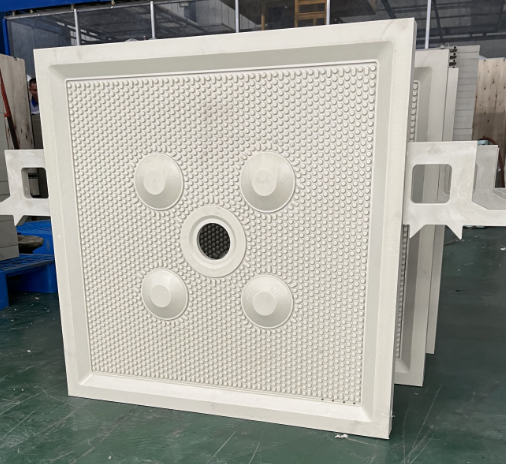
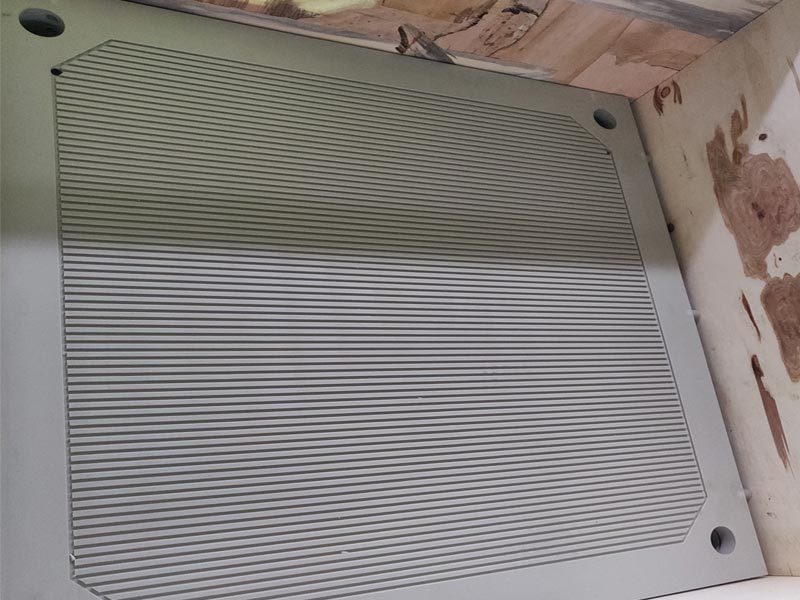
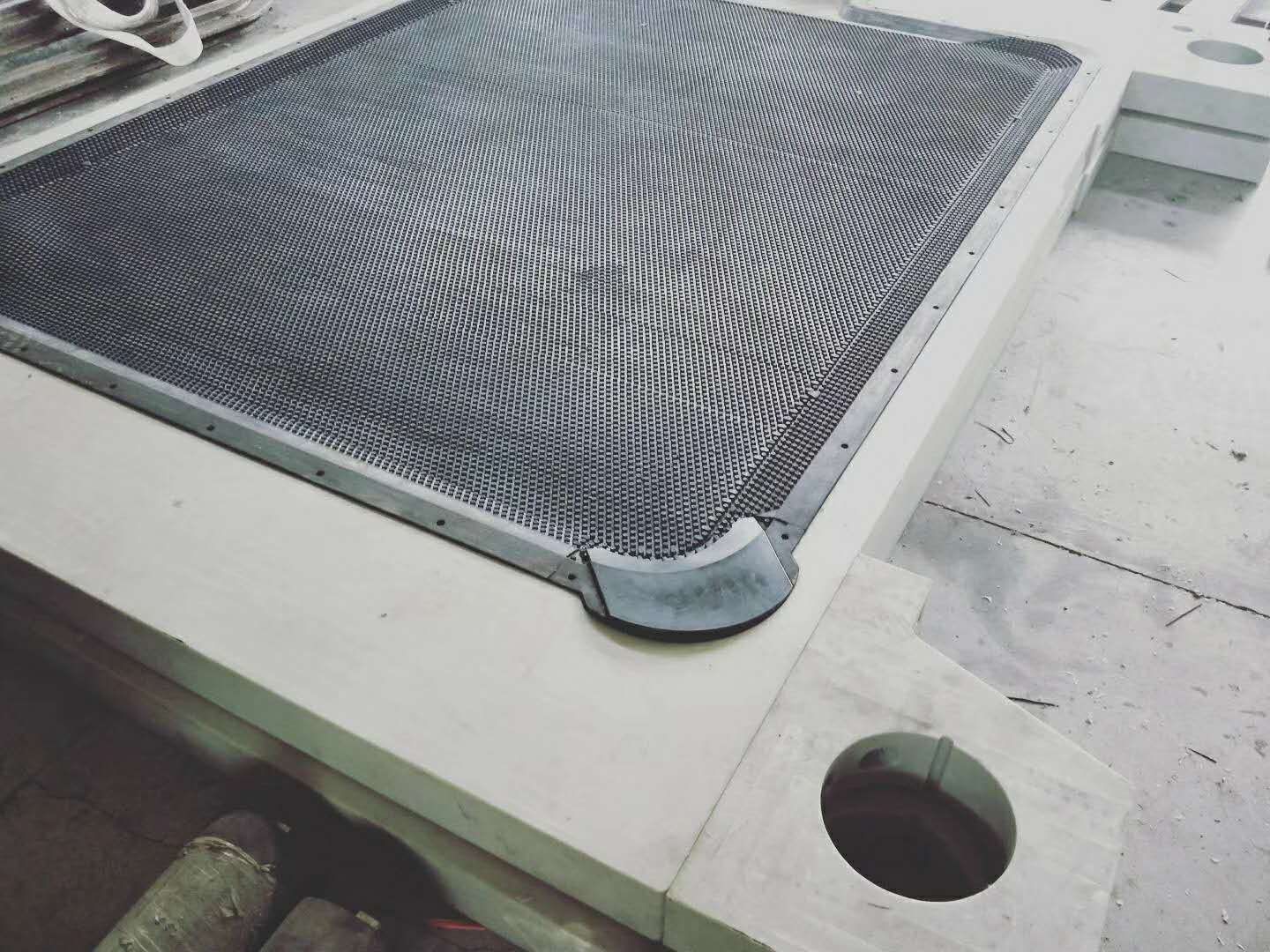
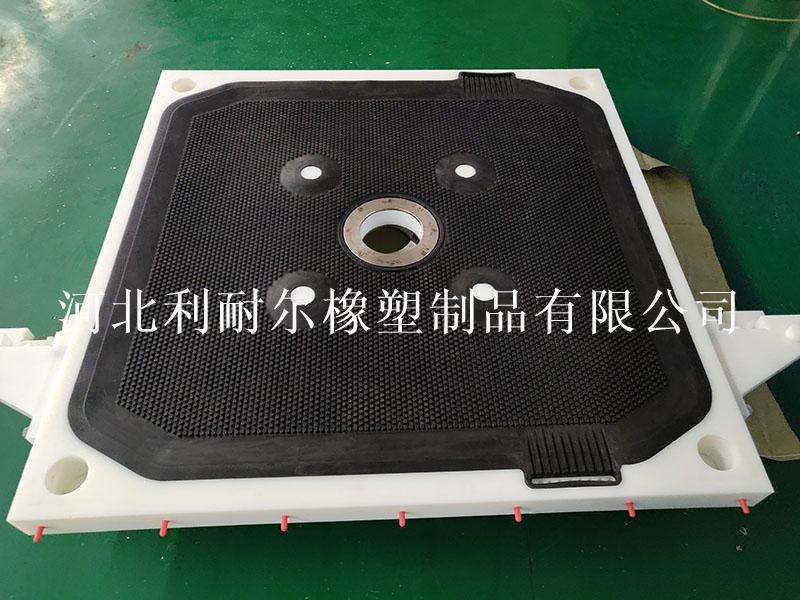
ProductMain products: vertical and horizontal imported and domestic filter plates, diaphragm plates, diaphragms and accessories; pinch valve sleeves and pinch valves and various mining accessories.
-
NewsIn 2013, our company's high-pressure cylinder with phenolic cloth support and guide ring obtained the national key new product certificate, project number: 2013GRA20011; its products in coal cylinders and engineering hydrauli
-
ServiceWe will actively cooperate with more enthusiasm, strengthen internal management, expand the market externally, improve various performance indicators of existing products, and truly achieve our win-win situation!
-
RecruitmentOur company always adheres to the talent concept of "people-oriented", provides a growth platform for talents, and realizes the common growth and development of enterprises and talents.


language
English
العربية
বাংলাদেশ
Български
Hrvatski
Česky
Dansk
Nederland
 Esperanto
Slovenski
Filipino
Suomi
Français
Maori
 Shqiptare
Georgian
 Euskara
Deutsch
Ελλάδα
ישראל
इंडिया
Magyarország
Ísland
Indonesia
Irlanda
Italia
日本語
Sovensko
Հայաստան
한국
Kyrgyz
ປະເທດລາວ
 Zulu
Zulu
Latvian
Lithuanian
Luxembourgish
 Latinus
Macedonian
Малайская
Maltese
Монгол улс
 Cymraeg
ဗမာ
 தமிழ்
தமிழ்
नेपाल
Norge
ایران
Polska
Portugal
România
Российская
Србија
 Slovak
Србија
 Slovak
Bosanski
Slovenian
Беларус
España
Sverige
Точик
ประเทศไทย
Türk
Azərbaycan
Uzbek
 Afrikaans
Việt Nam

Understanding the Technical Specifications of 800 Diaphragm Plates: A Comprehensive Guide
Release time:
2026-03-20
Understanding the Technical Specifications of 800 Diaphragm Plates When it comes to **industrial equipment and components**, one of the most critical elements to consider is the diaphragm plate, particularly the **800 diaphragm plates**. These components play a vital role in various applications, ranging from filtration systems to fluid control mechanisms. Understanding their technical specificati
Understanding the Technical Specifications of 800 Diaphragm Plates
When it comes to **industrial equipment and components**, one of the most critical elements to consider is the diaphragm plate, particularly the **800 diaphragm plates**. These components play a vital role in various applications, ranging from filtration systems to fluid control mechanisms. Understanding their technical specifications is essential for optimizing performance and ensuring reliability. In this comprehensive guide, we will explore the intricate details that define 800 diaphragm plates, their specifications, functionality, and relevance in industrial contexts.
Table of Contents
- Introduction to 800 Diaphragm Plates
- Technical Specifications of 800 Diaphragm Plates
- Material Composition and Quality Standards
- Performance Characteristics of 800 Diaphragm Plates
- Applications in Various Industries
- Installation and Maintenance Best Practices
- Troubleshooting Common Issues
- Future Trends in Diaphragm Plate Technology
- Conclusion
- FAQs on 800 Diaphragm Plates
Introduction to 800 Diaphragm Plates
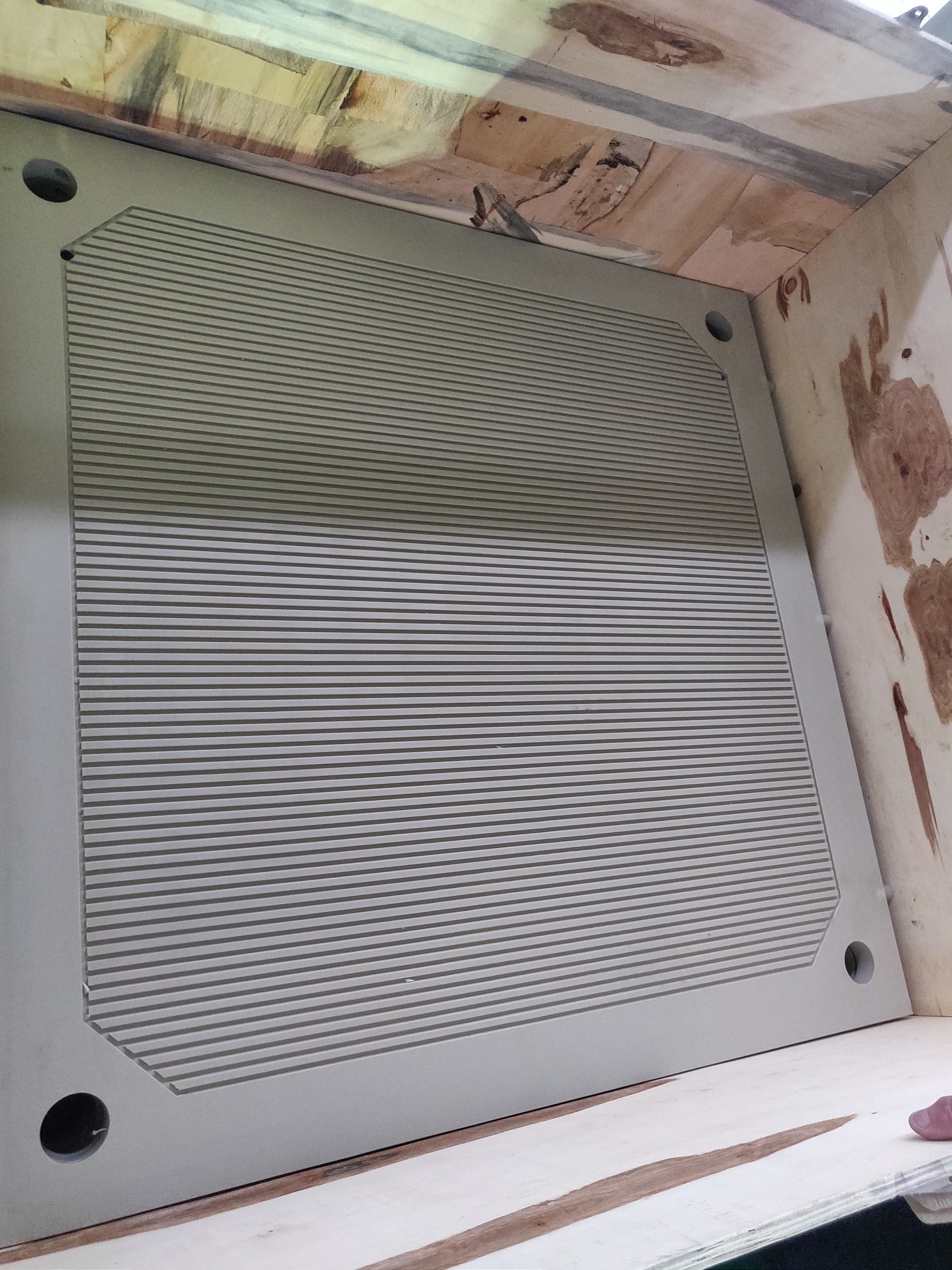
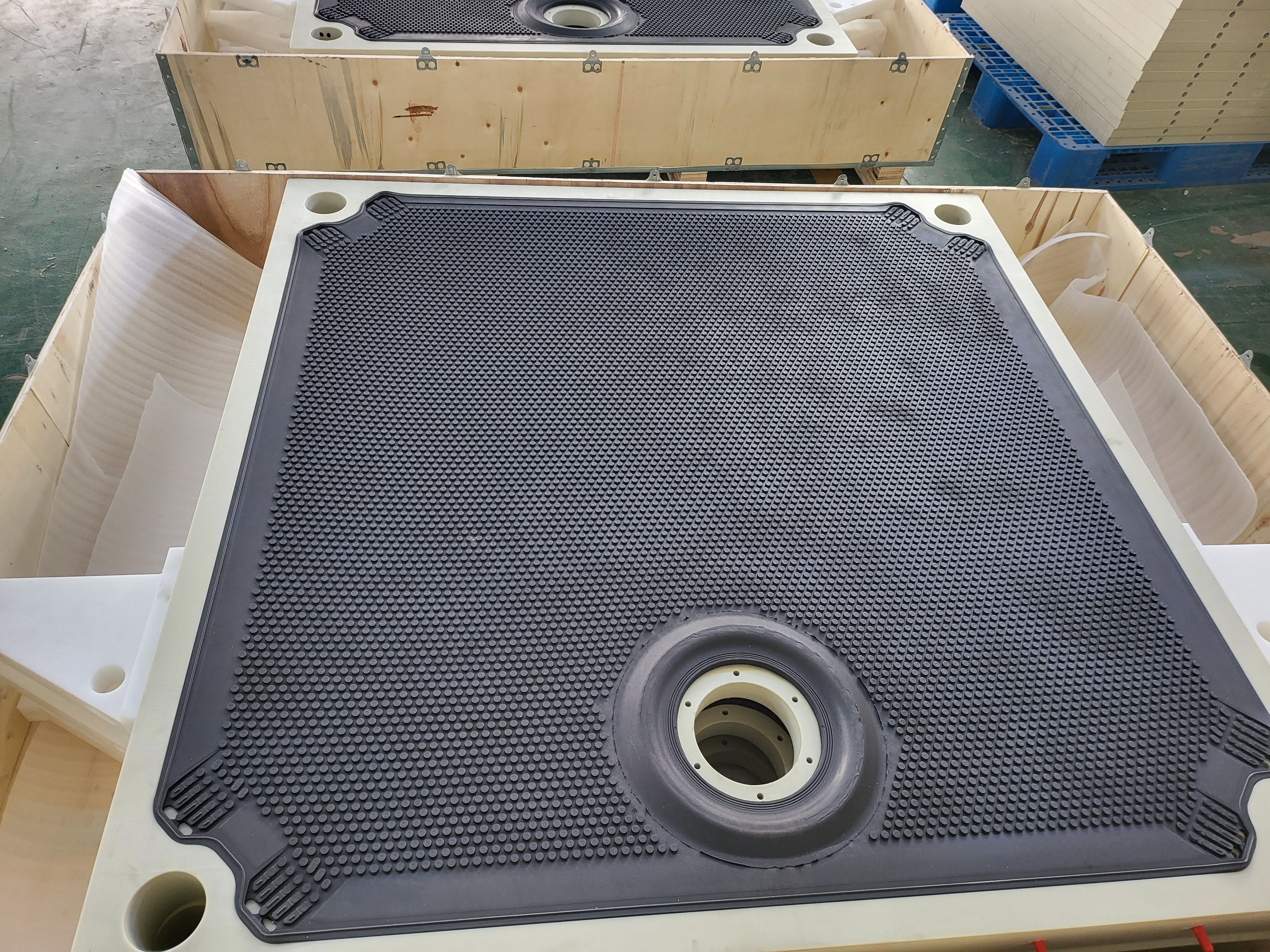
The **800 diaphragm plates** are crucial components used in various industrial applications, particularly in filtration systems. These plates serve to separate fluids and solids effectively, ensuring optimal performance across different processes. Understanding their specifications not only helps engineers select the right type for specific applications but also enhances the overall efficiency of systems that utilize them.
What are Diaphragm Plates?
Diaphragm plates are flexible membranes that can control the flow of fluids or gases. They come in various designs and sizes, but the **800 diaphragm plates** are specifically engineered for high performance, offering superior strength and durability.
Why Focus on 800 Diaphragm Plates?
The **800 diaphragm plates** are designed to handle a wide range of operational pressures and temperatures, making them suitable for demanding industrial environments. Their specifications cater to both performance and reliability, making them essential in numerous applications.
Technical Specifications of 800 Diaphragm Plates
Understanding the technical specifications of 800 diaphragm plates is vital for their effective application. Below are the key specifications that define these components:
Dimensions and Sizes
800 diaphragm plates are available in various dimensions, typically ranging from 8 inches to 20 inches in diameter. The size chosen often depends on the application and the specific requirements of the filtration system.
Pressure Ratings
One of the critical specifications to consider is the pressure rating. The **800 diaphragm plates** can withstand varying pressure levels, typically ranging from 0 to 150 psi. This makes them suitable for both low-pressure and high-pressure applications.
Temperature Tolerance
Temperature resistance is another essential factor. These plates can typically operate effectively at temperatures ranging from -20°C to 100°C, making them versatile for different environments.
Flow Capacity
The flow capacity varies by design but generally falls within the range of 10 to 50 gallons per minute (GPM). This capacity plays a crucial role in determining the efficiency of the filtration system they are used in.
Material Specifications
The materials used in manufacturing 800 diaphragm plates can significantly impact their performance. Common materials include:
- **Polypropylene**: Offers excellent chemical resistance and is lightweight.
- **Nylon**: Known for its strength and durability, ideal for harsh environments.
- **PTFE (Teflon)**: Provides outstanding chemical resistance, particularly in corrosive applications.
Material Composition and Quality Standards
The effectiveness of diaphragm plates largely depends on their material composition. **Quality standards** like ISO 9001 ensure that these components are manufactured under stringent guidelines, which guarantees their reliability and durability.
Types of Materials Used
1. **Polymer Materials**: Often used because of their lightweight properties and resistance to corrosion.
2. **Metal Components**: Sometimes incorporated for added strength in high-stress applications.
3. **Composite Materials**: Combining different materials can yield enhanced performance characteristics, balancing strength, weight, and chemical resistance.
Quality Assurance Protocols
To meet industry requirements, manufacturers adhere to strict quality assurance protocols. This includes rigorous testing of materials and finished products to ensure they meet or exceed specified performance metrics.
Performance Characteristics of 800 Diaphragm Plates
Performance characteristics are critical in determining the right diaphragm plate for your needs. The following are essential aspects to consider:
Durability and Longevity
800 diaphragm plates are designed for durability, typically lasting several years under normal operating conditions. Their resistance to wear and tear is a significant advantage in industrial settings.
Efficiency in Separation
The efficiency of separation is a crucial performance metric. These plates are engineered to maximize the separation of solids from liquids, optimizing the filtration process.
Resistance to Chemical Degradation
Depending on the materials used, 800 diaphragm plates offer varying levels of resistance to chemical degradation. This is particularly important in applications involving corrosive substances.
Applications in Various Industries
The versatility of 800 diaphragm plates allows them to be used across multiple industries, including:
Water Treatment
In water treatment facilities, these diaphragm plates play a vital role in separating impurities from water, ensuring clean and safe water for consumption.
Food and Beverage Production
In the food industry, cleanliness and efficiency are paramount. 800 diaphragm plates help in filtering out contaminants, maintaining the quality of food and beverages.
Chemical Processing
In chemical processing, the ability to withstand harsh chemicals is crucial. These plates are often used to filter and separate various chemical mixtures.
Pharmaceuticals
In the pharmaceutical industry, precision and reliability are essential. 800 diaphragm plates ensure that products are free from contaminants while maintaining the integrity of the substances involved.
Installation and Maintenance Best Practices
Proper installation and maintenance of 800 diaphragm plates are critical for optimal performance. Here are some best practices:
Installation Guidelines
- Ensure that the installation area is clean and free from debris.
- Align the diaphragm plate correctly to avoid stress on the component.
- Use appropriate sealing materials to prevent leaks.
Regular Maintenance
Regular inspections and maintenance can extend the life of diaphragm plates. This includes:
- Visual inspections for signs of wear or damage.
- Routine cleaning to prevent clogging.
- Checking seals and gaskets for integrity.
Troubleshooting Common Issues
Despite the robust design of 800 diaphragm plates, issues can arise. Here are some common problems and their solutions:
Leaks
**Symptoms**: Presence of moisture around the plate.
**Solution**: Check seals and gaskets; replace if damaged.
Reduced Flow Rate
**Symptoms**: Noticeable drop in the flow of filtered fluid.
**Solution**: Inspect for clogs or blockages and clean the plate.
Unusual Noises
**Symptoms**: Uncharacteristic sounds during operation.
**Solution**: Ensure proper installation and alignment; check for wear.
Future Trends in Diaphragm Plate Technology
As technology evolves, so does the design and functionality of diaphragm plates. Here are some trends to watch:
Smart Diaphragm Plates
The integration of IoT technology may lead to the development of smart diaphragm plates capable of providing real-time data on performance and maintenance needs.
Advanced Materials
Innovations in materials science are likely to result in even more resilient and efficient diaphragm plates that can withstand extreme conditions and provide enhanced longevity.
Sustainable Practices
As industries move towards more sustainable practices, the demand for environmentally friendly materials and processes in diaphragm plate production is expected to increase.
Conclusion
Understanding the technical specifications of **800 diaphragm plates** is crucial for anyone involved in industrial applications where filtration and fluid control are paramount. From their material composition to their performance characteristics, these components serve as an essential part of many systems. By adhering to best practices in installation and maintenance, industries can maximize the efficiency and lifespan of these diaphragm plates, ensuring optimal performance in a variety of applications.
FAQs on 800 Diaphragm Plates
1. What are the common applications of 800 diaphragm plates?
800 diaphragm plates are widely used in water treatment, food and beverage production, chemical processing, and pharmaceuticals.
2. How do I choose the right diaphragm plate for my application?
Consider factors such as size, pressure rating, temperature tolerance, and material compatibility with the fluids involved.
3. How can I extend the life of my diaphragm plates?
Regular maintenance, including inspections and cleaning, can significantly extend the lifespan of diaphragm plates.
4. What should I do if my diaphragm plate is leaking?
Inspect the seals and gaskets for damage and replace them if necessary. Ensure the plate is correctly aligned during installation.
5. Are there advancements in diaphragm plate technology?
Yes, advancements include smart diaphragm plates with IoT integration and the development of new, resilient materials designed for extreme conditions.
This comprehensive guide aims to provide you with valuable insights into the technical specifications of 800 diaphragm plates, empowering you to make informed decisions in their application and maintenance.
Related News