
-
AboutHebei Linaier Rubber Products Co., Ltd. is located in Duqiao Industrial Zone, Jingxian City, Hebei Province, adjacent to Dezhou, Shandong. Founded in early 2001 with a registered capital of 35 million yuan, it is a scientific

-
ProductMain products: vertical and horizontal imported and domestic filter plates, diaphragm plates, diaphragms and accessories; pinch valve sleeves and pinch valves and various mining accessories.
-
NewsIn 2013, our company's high-pressure cylinder with phenolic cloth support and guide ring obtained the national key new product certificate, project number: 2013GRA20011; its products in coal cylinders and engineering hydrauli
-
ServiceWe will actively cooperate with more enthusiasm, strengthen internal management, expand the market externally, improve various performance indicators of existing products, and truly achieve our win-win situation!
-
RecruitmentOur company always adheres to the talent concept of "people-oriented", provides a growth platform for talents, and realizes the common growth and development of enterprises and talents.


language
English
العربية
বাংলাদেশ
Български
Hrvatski
Česky
Dansk
Nederland
 Esperanto
Slovenski
Filipino
Suomi
Français
Maori
 Shqiptare
Georgian
 Euskara
Deutsch
Ελλάδα
ישראל
इंडिया
Magyarország
Ísland
Indonesia
Irlanda
Italia
日本語
Sovensko
Հայաստան
한국
Kyrgyz
ປະເທດລາວ
 Zulu
Zulu
Latvian
Lithuanian
Luxembourgish
 Latinus
Macedonian
Малайская
Maltese
Монгол улс
 Cymraeg
ဗမာ
 தமிழ்
தமிழ்
नेपाल
Norge
ایران
Polska
Portugal
România
Российская
Србија
 Slovak
Србија
 Slovak
Bosanski
Slovenian
Беларус
España
Sverige
Точик
ประเทศไทย
Türk
Azərbaycan
Uzbek
 Afrikaans
Việt Nam

The Science Behind Filter Press Grilles: How They Improve Filtration
Release time:
2026-02-18
The Science Behind Filter Press Grilles: How They Improve Filtration Table of Contents 1. Introduction to Filter Press Grilles 2. What Are Filter Press Grilles? 3. The Mechanics of Filtration 3.1. How Filter Press Grilles Work 3.2. Key Components of Filter Press Systems 4. Benefits of Using Filter Press Grilles 4.1. Enhanced Filtration Efficiency 4.2. Cost-Effectiveness 5. Applic
The Science Behind Filter Press Grilles: How They Improve Filtration
Table of Contents
1. Introduction to Filter Press Grilles
2. What Are Filter Press Grilles?
3. The Mechanics of Filtration
3.1. How Filter Press Grilles Work
3.2. Key Components of Filter Press Systems
4. Benefits of Using Filter Press Grilles
4.1. Enhanced Filtration Efficiency
4.2. Cost-Effectiveness
5. Applications of Filter Press Grilles in Different Industries
5.1. Chemical Industry
5.2. Food Processing
5.3. Wastewater Treatment
6. Maintenance of Filter Press Grilles
6.1. Routine Maintenance Tips
6.2. Troubleshooting Common Issues
7. Future Trends in Filtration Technology
8. Frequently Asked Questions (FAQs)
9. Conclusion
1. Introduction to Filter Press Grilles
In the realm of industrial filtration systems, filter press grilles play a pivotal role in ensuring the effective separation of solids from liquids. Their design and functionality are tailored to meet the demanding requirements of various industries, including chemicals, food processing, and wastewater treatment. This article aims to explore the intricate science behind filter press grilles and how they contribute to improved filtration outcomes.
2. What Are Filter Press Grilles?
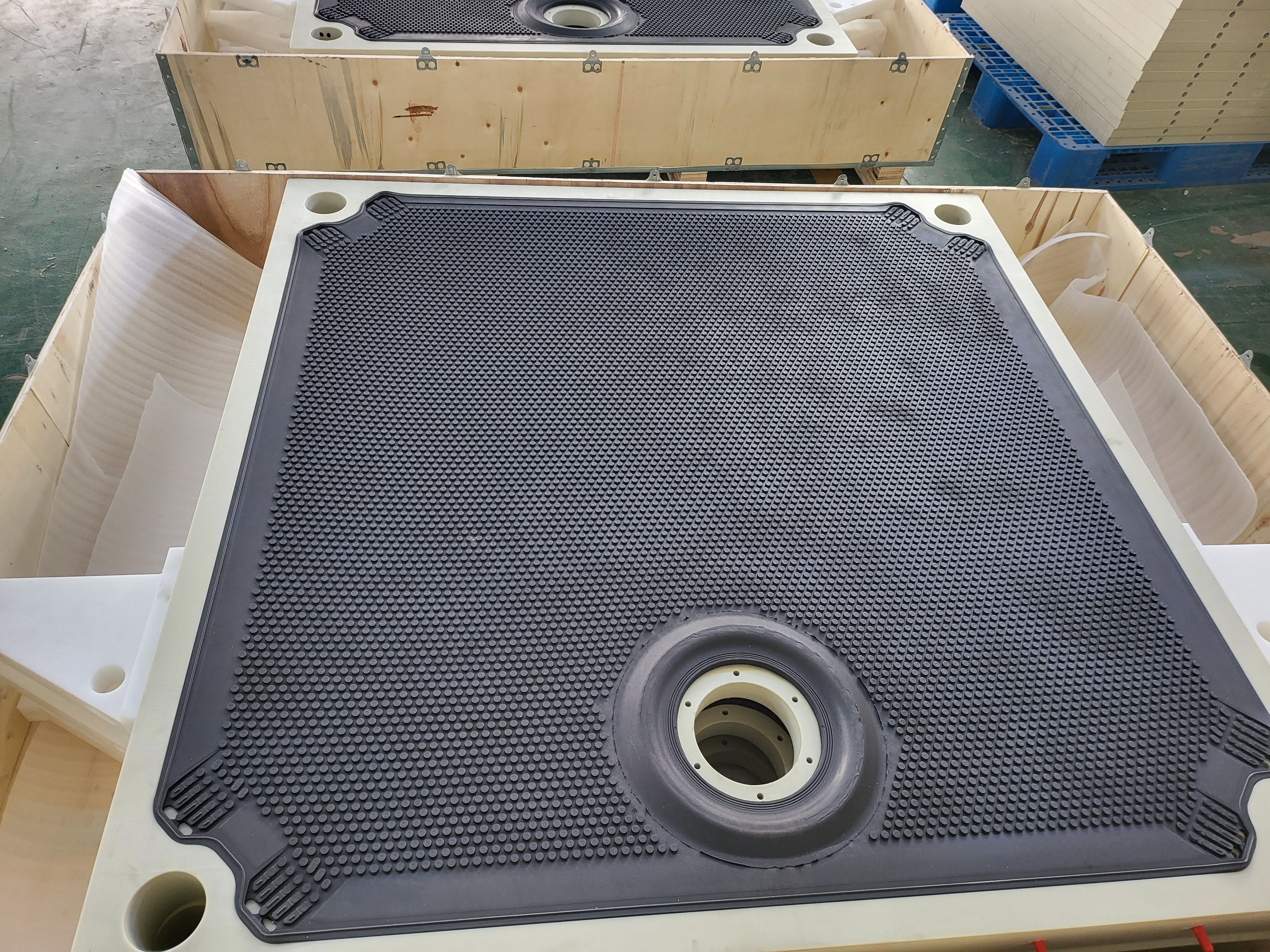
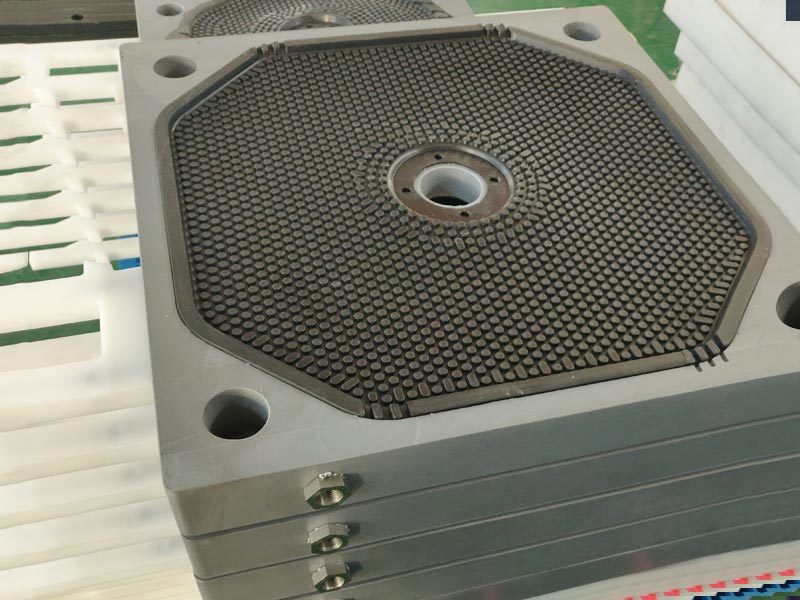
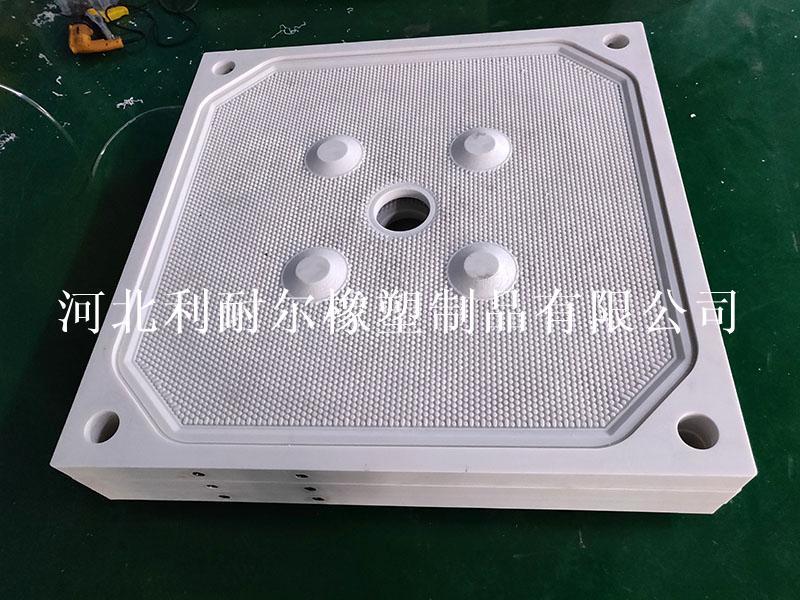
Filter press grilles are mechanical devices used to separate solids from liquids through a series of filter plates. Each plate is covered with a filter cloth that captures particles as the liquid passes through. This efficient design allows for high-volume processing and is vital in applications where clear effluent is desired.
3. The Mechanics of Filtration
Understanding the mechanics behind filtration can help us appreciate how filter press grilles function effectively. The filtration process involves several stages, from the introduction of the feed slurry to the final discharge of the filtrate.
3.1. How Filter Press Grilles Work
Filter press grilles operate by compressing a feed slurry between two or more filter plates. As the slurry is pumped into the press, the liquid component flows through the filter cloth, leaving behind the solid particles. Over time, a cake forms on the surface of the filter cloth, which enhances filtration efficiency by creating additional layers for particle capture.
3.2. Key Components of Filter Press Systems
A typical filter press system consists of several essential components, including:
- **Filter Plates**: The heart of the filter press, where the filtration occurs.
- **Filter Cloths**: These are textile materials that provide the necessary barrier for solids while allowing liquids to pass.
- **Hydraulic System**: This system applies pressure to the filter plates to ensure that the slurry is effectively compressed.
- **Pump**: Responsible for delivering the feed slurry to the filter press at the desired flow rate.
4. Benefits of Using Filter Press Grilles
The utilization of filter press grilles offers several advantages that make them a preferred choice in many applications.
4.1. Enhanced Filtration Efficiency
One of the most significant benefits of filter press grilles is their ability to achieve high solid-liquid separation efficiency. This results in a clearer filtrate, which is crucial for downstream processing and compliance with environmental regulations.
4.2. Cost-Effectiveness
Filter press grilles can lead to substantial cost savings over time. Their durability and efficiency can reduce operational costs associated with maintenance and disposal of waste products.
5. Applications of Filter Press Grilles in Different Industries
Filter press grilles find extensive use across various sectors due to their versatility and effectiveness.
5.1. Chemical Industry
In the chemical industry, filter press grilles are integral to processes such as the recovery of catalysts and the filtration of slurries produced during chemical reactions. Their ability to handle aggressive materials makes them ideal for this sector.
5.2. Food Processing
The food processing industry utilizes filter press grilles for clarifying juices, oils, and other liquid food products. Their hygienic design ensures compliance with food safety standards.
5.3. Wastewater Treatment
In wastewater treatment, filter press grilles are essential for dewatering sludge and recovering valuable materials. They contribute to environmental sustainability by ensuring that treated water meets discharge standards.
6. Maintenance of Filter Press Grilles
To ensure optimal performance and longevity, regular maintenance of filter press grilles is crucial.
6.1. Routine Maintenance Tips
- **Regular Cleaning**: Ensure filter cloths are cleaned frequently to prevent clogging.
- **Inspect Components**: Regularly check for wear and tear on filter plates and seals.
- **Monitor Pressure Levels**: Keeping an eye on pressure gauges can help identify performance issues early.
6.2. Troubleshooting Common Issues
Common issues with filter press grilles include leaks, inadequate filtration, and excessive cake buildup. Troubleshooting these problems often involves checking seals, adjusting pressure settings, and reviewing the slurry composition.
7. Future Trends in Filtration Technology
The filtration industry is constantly evolving, with advancements in technology leading to improved designs and efficiency. Innovations such as automated cleaning systems, enhanced materials for filter cloths, and smart monitoring systems are paving the way for the next generation of filter press grilles.
8. Frequently Asked Questions (FAQs)
**Q1: What is the primary purpose of a filter press grille?**
A: The primary purpose is to separate solids from liquids efficiently, ensuring high-quality filtrate.
**Q2: How often should filter press grilles be maintained?**
A: Regular maintenance should be conducted based on usage, but a thorough inspection should occur at least quarterly.
**Q3: Can filter press grilles handle all types of slurries?**
A: While they are versatile, specific filter press designs may be required for highly abrasive or corrosive slurries.
**Q4: What are the typical applications of filter press grilles?**
A: Common applications include chemical processing, food production, and wastewater treatment.
**Q5: Are there any alternatives to filter press grilles?**
A: Yes, alternatives include centrifuges, membrane filters, and rotary drum filters, but each has its specific advantages and limitations.
9. Conclusion
Filter press grilles are essential in achieving efficient filtration across various industries. Their unique design and robust functionality enhance filtration processes, resulting in clear effluent and significant cost savings. As technology advances, the future of filter press grilles promises even more innovations, ensuring their place as a critical component in industrial filtration systems. Understanding their science not only allows for better application but also encourages a more sustainable approach to processing and waste management.
Related News