
-
AboutHebei Linaier Rubber Products Co., Ltd. is located in Duqiao Industrial Zone, Jingxian City, Hebei Province, adjacent to Dezhou, Shandong. Founded in early 2001 with a registered capital of 35 million yuan, it is a scientific

-
ProductMain products: vertical and horizontal imported and domestic filter plates, diaphragm plates, diaphragms and accessories; pinch valve sleeves and pinch valves and various mining accessories.
-
NewsIn 2013, our company's high-pressure cylinder with phenolic cloth support and guide ring obtained the national key new product certificate, project number: 2013GRA20011; its products in coal cylinders and engineering hydrauli
-
ServiceWe will actively cooperate with more enthusiasm, strengthen internal management, expand the market externally, improve various performance indicators of existing products, and truly achieve our win-win situation!
-
RecruitmentOur company always adheres to the talent concept of "people-oriented", provides a growth platform for talents, and realizes the common growth and development of enterprises and talents.


language
English
العربية
বাংলাদেশ
Български
Hrvatski
Česky
Dansk
Nederland
 Esperanto
Slovenski
Filipino
Suomi
Français
Maori
 Shqiptare
Georgian
 Euskara
Deutsch
Ελλάδα
ישראל
इंडिया
Magyarország
Ísland
Indonesia
Irlanda
Italia
日本語
Sovensko
Հայաստան
한국
Kyrgyz
ປະເທດລາວ
 Zulu
Zulu
Latvian
Lithuanian
Luxembourgish
 Latinus
Macedonian
Малайская
Maltese
Монгол улс
 Cymraeg
ဗမာ
 தமிழ்
தமிழ்
नेपाल
Norge
ایران
Polska
Portugal
România
Российская
Србија
 Slovak
Србија
 Slovak
Bosanski
Slovenian
Беларус
España
Sverige
Точик
ประเทศไทย
Türk
Azərbaycan
Uzbek
 Afrikaans
Việt Nam

Troubleshooting Your 1200 Filter Plate: Expert Tips for Optimal Performance
Release time:
2026-02-08
Troubleshooting Your 1200 Filter Plate: Expert Tips for Optimal Performance Table of Contents 1. Introduction to the 1200 Filter Plate 2. Understanding Filter Plates: How They Work 3. Common Issues with the 1200 Filter Plate 4. Diagnosing Problems: Step-by-Step Guide 5. Maintenance Tips for Prolonged Lifespan 6. Performance Optimization Techniques 7. When to Seek Profe
Troubleshooting Your 1200 Filter Plate: Expert Tips for Optimal Performance
Table of Contents
- 1. Introduction to the 1200 Filter Plate
- 2. Understanding Filter Plates: How They Work
- 3. Common Issues with the 1200 Filter Plate
- 4. Diagnosing Problems: Step-by-Step Guide
- 5. Maintenance Tips for Prolonged Lifespan
- 6. Performance Optimization Techniques
- 7. When to Seek Professional Help
- 8. Frequently Asked Questions
- 9. Conclusion
1. Introduction to the 1200 Filter Plate
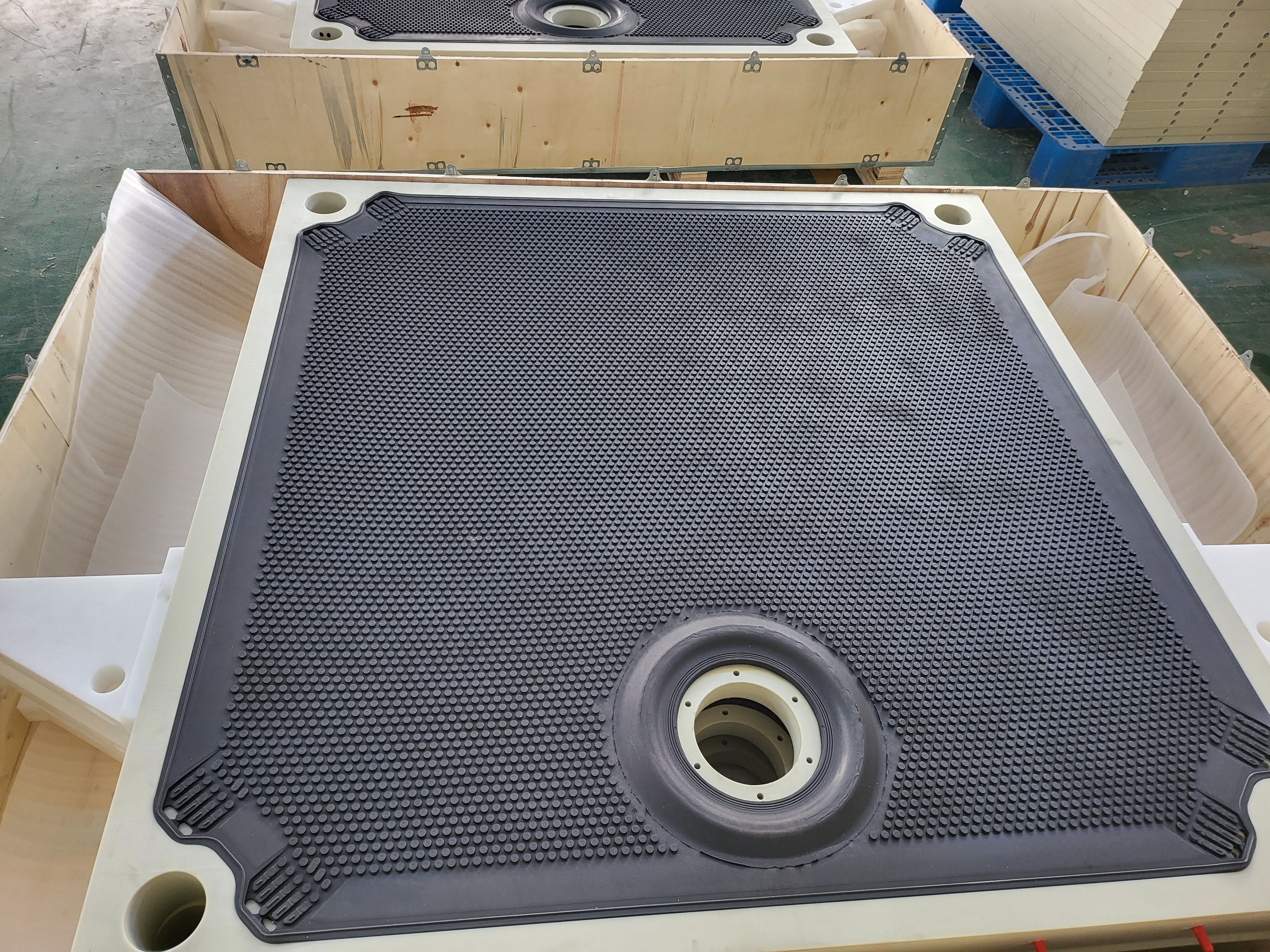
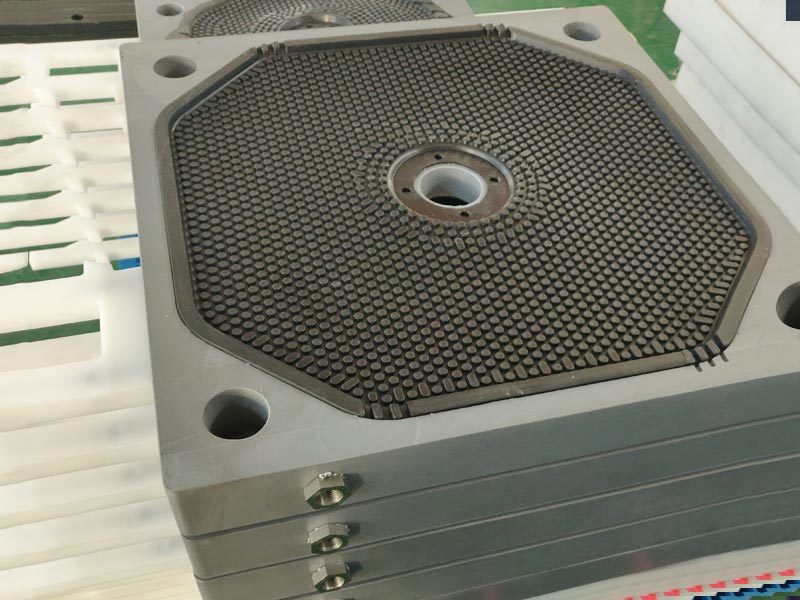
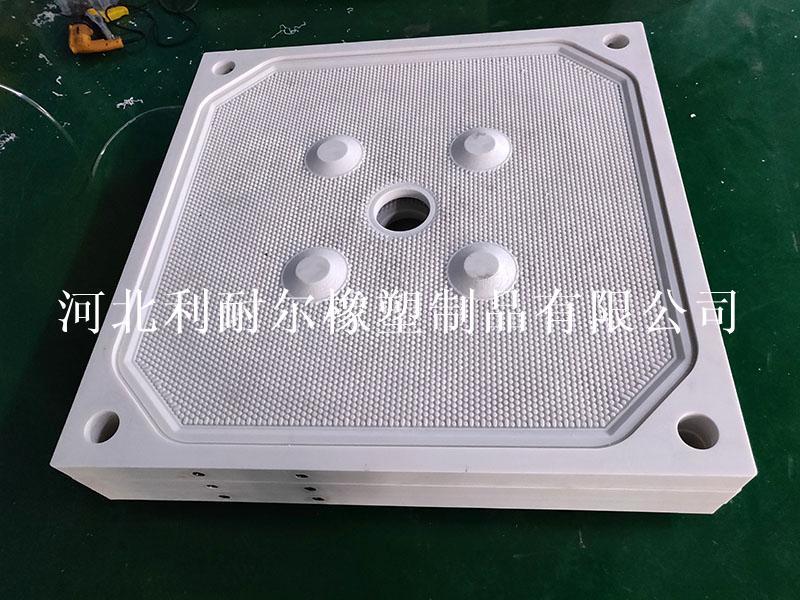
The 1200 filter plate is a critical component in various industrial filtration systems, specifically designed to enhance the separation of solids from liquids. Its functionality plays a pivotal role in industries such as chemical processing, pharmaceuticals, and food production. In this guide, we will explore various tips and techniques for troubleshooting and optimizing the performance of your 1200 filter plate, ensuring your operations run smoothly and efficiently.
2. Understanding Filter Plates: How They Work
Filter plates, including the 1200 model, utilize a combination of physical and mechanical processes to separate particulate matter from liquids. Generally, the filtration process involves:
2.1 Filtration Mechanism
The filter plate's design features a series of permeable membranes that allow liquids to pass through while trapping larger particles. This process relies on gravity and pressure differential, making it essential for optimal fluid dynamics.
2.2 Materials Used
Manufactured from robust materials, the 1200 filter plate typically consists of high-density polyethylene or polypropylene, ensuring durability and resistance to chemical corrosion.
3. Common Issues with the 1200 Filter Plate
Even the most well-designed filtration systems can encounter problems. Here are some of the most common issues associated with the 1200 filter plate:
3.1 Clogging
One of the most frequent issues is clogging, which can significantly reduce efficiency. This occurs when particulates accumulate on the filter surface.
3.2 Leaking
Leaking can stem from improper installation or damage to the filter plate, leading to loss of liquid and contamination of the system.
3.3 Uneven Filtration
Uneven filtration can result in inconsistent product quality, primarily due to uneven pressure distribution across the filter plate.
4. Diagnosing Problems: Step-by-Step Guide
To effectively troubleshoot your 1200 filter plate, follow these systematic steps:
4.1 Visual Inspection
Begin with a thorough visual inspection of the filter plate and surrounding components. Look for signs of wear, damage, or misalignment.
4.2 Evaluate System Pressure
Monitor the pressure gauges to determine if the system is operating within its recommended parameters. A drop in pressure may indicate clogging or leaks.
4.3 Check Fluid Quality
Analyze the quality of the fluid being processed. High levels of particulates can lead to premature clogging and operational issues.
4.4 Conduct Flow Rate Tests
Perform flow rate tests to assess the filtration efficiency. A significant decrease in flow rates indicates a problem that requires immediate attention.
5. Maintenance Tips for Prolonged Lifespan
Regular maintenance is pivotal in ensuring the longevity and efficiency of your 1200 filter plate. Below are essential maintenance practices:
5.1 Regular Cleaning
Implement a routine cleaning schedule to remove accumulated debris and particulates from the filter surface. This could involve washing with a non-corrosive cleaner, depending on the material compatibility.
5.2 Replace Worn Components
Identify and replace any worn or damaged parts promptly. This may include seals, gaskets, or the filter plate itself.
5.3 Monitor Operating Conditions
Consistently monitor the operating conditions, such as temperature and pressure, to ensure they remain within the specified range.
5.4 Calibration
Regularly calibrate pressure gauges and flow meters to maintain accurate readings and system performance.
6. Performance Optimization Techniques
To maximize the efficiency of your 1200 filter plate, consider the following optimization techniques:
6.1 Optimize Flow Rate
Adjust the flow rate to match the filtration capacity of the filter plate. A balanced flow rate can prevent clogging and improve overall performance.
6.2 Use Pre-Filters
Incorporating pre-filters can significantly reduce the particulate load on the 1200 filter plate, enhancing its lifespan and efficiency.
6.3 Implement Automated Monitoring Systems
Consider investing in automated monitoring systems that provide real-time data on fluid quality, pressure, and operating conditions. This allows for proactive management of potential issues.
7. When to Seek Professional Help
Certain situations may require professional intervention. If you encounter persistent issues despite troubleshooting efforts, it may be time to consult a filtration expert. Signs that indicate the need for professional help include:
7.1 Continuous Leaking
If leaking persists despite repairs, it may indicate deeper systemic issues that require specialized knowledge.
7.2 Significant Performance Drops
A substantial and unexplained drop in performance should not be ignored, as it can lead to larger operational problems.
7.3 Unusual Noises
Any abnormal sounds during operation can signal mechanical issues that require expert diagnosis and repair.
8. Frequently Asked Questions
8.1 What are the signs of a clogged filter plate?
Signs of clogging include reduced flow rates, increased pressure readings, and visible buildup of particulates.
8.2 How often should I clean my 1200 filter plate?
Regular cleaning should be conducted based on usage, but a general guideline is every 1-3 months to prevent buildup.
8.3 Can I use harsh chemicals for cleaning?
It is best to avoid harsh chemicals that may damage the filter plate material. Opt for non-corrosive and compatible cleaners.
8.4 What is the lifespan of a 1200 filter plate?
With proper maintenance, a 1200 filter plate can last several years, but this can vary based on usage and operating conditions.
8.5 How can I optimize the flow rate?
Optimizing flow rate involves adjusting the input speed to match the filter plate's specifications and avoiding overloading with particulates.
9. Conclusion
Maintaining and troubleshooting your 1200 filter plate is essential for ensuring optimal performance and longevity in your filtration processes. By understanding the mechanics of filter plates, recognizing common issues, and implementing best practices in maintenance and optimization, you can greatly enhance the efficiency of your operations. Always remain vigilant and proactive in your approach, and don’t hesitate to seek professional assistance when necessary to keep your filtration system running at peak performance.
Related News