
-
AboutHebei Linaier Rubber Products Co., Ltd. is located in Duqiao Industrial Zone, Jingxian City, Hebei Province, adjacent to Dezhou, Shandong. Founded in early 2001 with a registered capital of 35 million yuan, it is a scientific

-
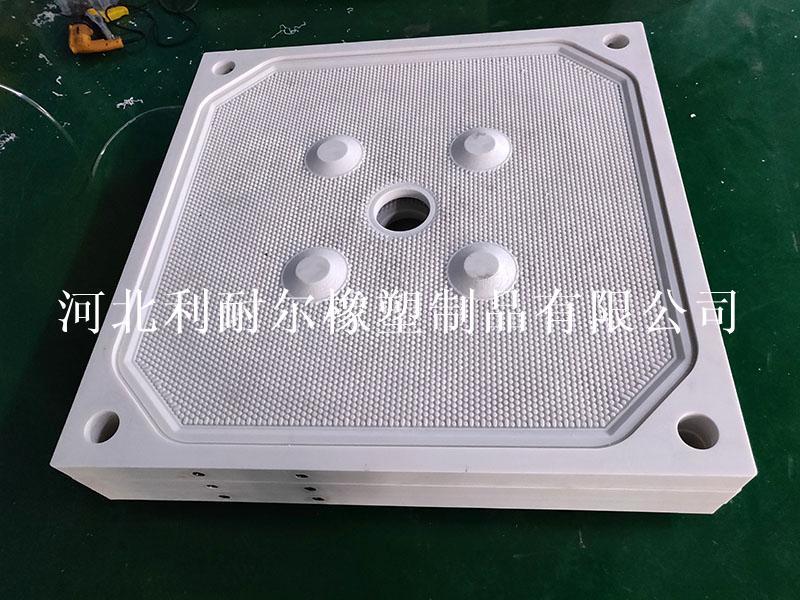
ProductMain products: vertical and horizontal imported and domestic filter plates, diaphragm plates, diaphragms and accessories; pinch valve sleeves and pinch valves and various mining accessories.
-
NewsIn 2013, our company's high-pressure cylinder with phenolic cloth support and guide ring obtained the national key new product certificate, project number: 2013GRA20011; its products in coal cylinders and engineering hydrauli
-
ServiceWe will actively cooperate with more enthusiasm, strengthen internal management, expand the market externally, improve various performance indicators of existing products, and truly achieve our win-win situation!
-
RecruitmentOur company always adheres to the talent concept of "people-oriented", provides a growth platform for talents, and realizes the common growth and development of enterprises and talents.


language
English
العربية
বাংলাদেশ
Български
Hrvatski
Česky
Dansk
Nederland
 Esperanto
Slovenski
Filipino
Suomi
Français
Maori
 Shqiptare
Georgian
 Euskara
Deutsch
Ελλάδα
ישראל
इंडिया
Magyarország
Ísland
Indonesia
Irlanda
Italia
日本語
Sovensko
Հայաստան
한국
Kyrgyz
ປະເທດລາວ
 Zulu
Zulu
Latvian
Lithuanian
Luxembourgish
 Latinus
Macedonian
Малайская
Maltese
Монгол улс
 Cymraeg
ဗမာ
 தமிழ்
தமிழ்
नेपाल
Norge
ایران
Polska
Portugal
România
Российская
Србија
 Slovak
Србија
 Slovak
Bosanski
Slovenian
Беларус
España
Sverige
Точик
ประเทศไทย
Türk
Azərbaycan
Uzbek
 Afrikaans
Việt Nam

Why Diaphragm Plates are Essential in the Plastics Industry
Release time:
2025-12-20
Why Diaphragm Plates are Essential in the Plastics Industry Table of Contents 1. Introduction to Diaphragm Plates 2. The Role of Diaphragm Plates in Plastic Manufacturing 3. Types of Diaphragm Plates Used in the Industry 4. Benefits of Using Diaphragm Plates 5. How Diaphragm Plates Improve Manufacturing Processes 6. Material Considerations for Diaphragm Plates 7. The F
Why Diaphragm Plates are Essential in the Plastics Industry
Table of Contents
- 1. Introduction to Diaphragm Plates
- 2. The Role of Diaphragm Plates in Plastic Manufacturing
- 3. Types of Diaphragm Plates Used in the Industry
- 4. Benefits of Using Diaphragm Plates
- 5. How Diaphragm Plates Improve Manufacturing Processes
- 6. Material Considerations for Diaphragm Plates
- 7. The Future of Diaphragm Plates in the Plastics Industry
- 8. Conclusion
- 9. Frequently Asked Questions
1. Introduction to Diaphragm Plates
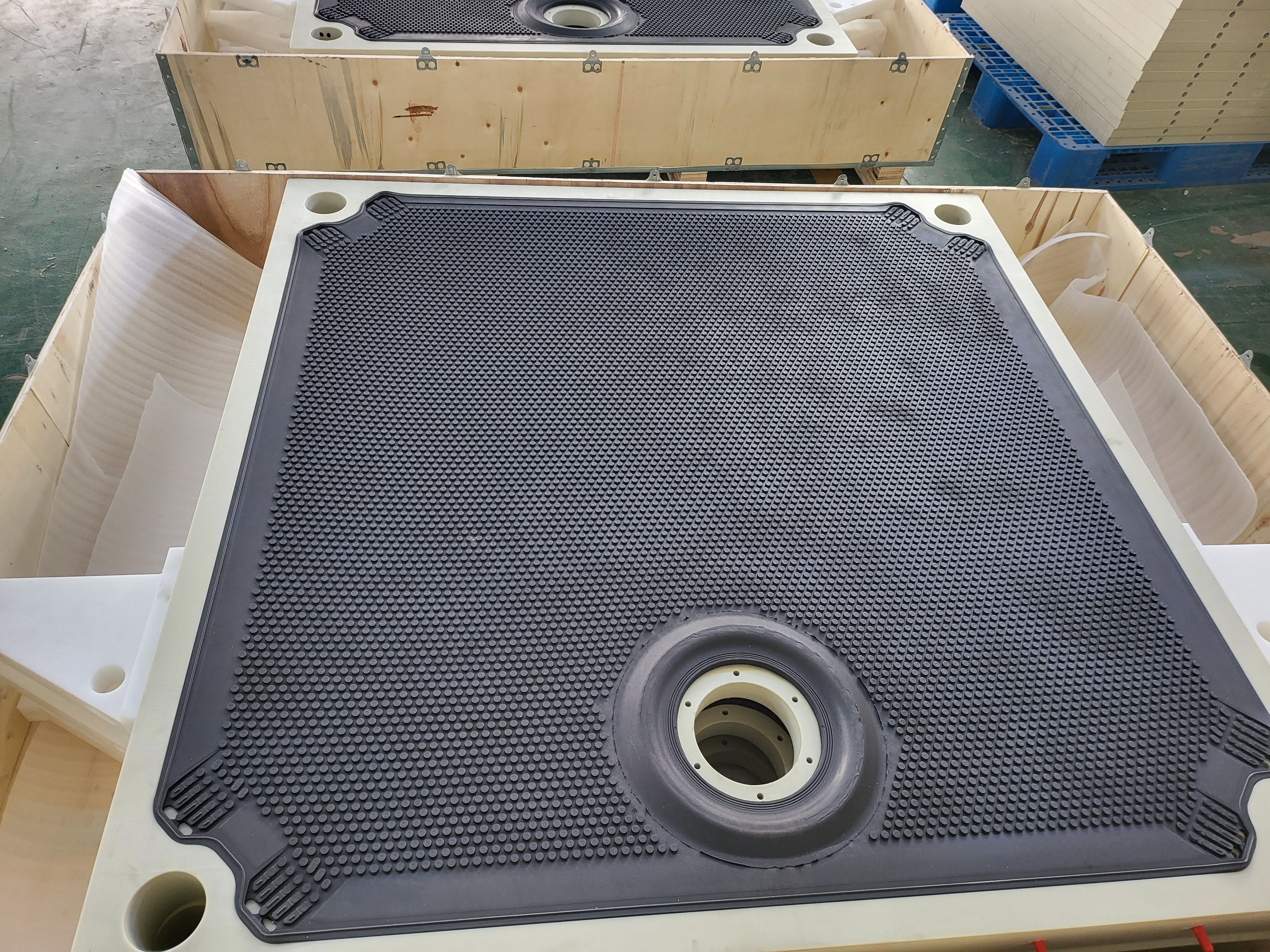
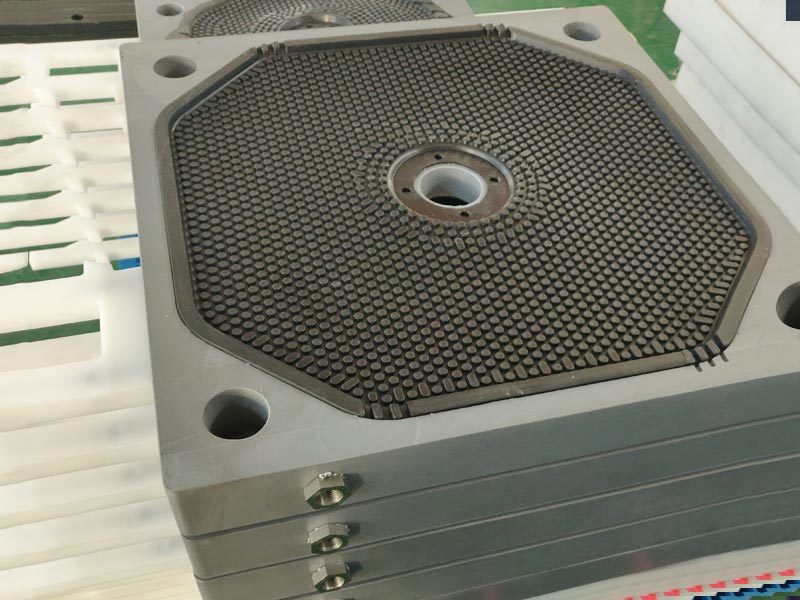
Diaphragm plates serve a crucial function in various industrial applications, particularly in the plastics sector. These components are designed to regulate the flow of materials, ensuring optimal performance in manufacturing processes. By understanding the **importance of diaphragm plates**, we can appreciate their essential role in the production of plastic products.
2. The Role of Diaphragm Plates in Plastic Manufacturing
Diaphragm plates are utilized to control the flow of polymer materials within production lines. They act as barriers that separate different sections of machinery, helping to maintain pressure and prevent contamination. This precise control is vital for achieving the desired consistency and quality of plastic products.
2.1 Flow Control and Pressure Regulation
In manufacturing, maintaining consistent flow rates is essential. Diaphragm plates facilitate this by allowing for the precise adjustment of pressure, which directly impacts the viscosity of the plastic being processed. This regulation is critical in ensuring that the final product meets specific standards.
2.2 Quality Assurance in Production
The use of diaphragm plates significantly contributes to quality assurance. By preventing backflow and maintaining a steady environment within the machinery, these plates help reduce defects and enhance the overall quality of the finished plastic products.
3. Types of Diaphragm Plates Used in the Industry
There are several types of diaphragm plates available, each suited for specific applications within the plastics industry. Understanding these variations can help manufacturers select the right solution for their needs.
3.1 Single Diaphragm Plates
Single diaphragm plates are commonly used in applications where space is limited. They are efficient for controlling flow in smaller systems and provide reliable performance.
3.2 Double Diaphragm Plates
Double diaphragm plates offer enhanced durability and pressure handling capabilities. They are ideal for more demanding applications where maintaining strict control over flow and pressure is essential.
3.3 Custom Diaphragm Plates
For specialized processes, manufacturers may opt for custom diaphragm plates. These are tailored to meet unique specifications, ensuring optimal performance in specific operational contexts.
4. Benefits of Using Diaphragm Plates
Incorporating diaphragm plates into plastic manufacturing processes offers numerous advantages that contribute to improved efficiency and product quality.
4.1 Enhanced Production Efficiency
By ensuring precise flow control, diaphragm plates enhance production efficiency. This allows manufacturers to optimize their processes, resulting in higher output rates and reduced material waste.
4.2 Improved Product Quality
Diaphragm plates play a vital role in maintaining the integrity of the materials being processed. By preventing contamination and facilitating uniform mixing, they help produce high-quality plastic products.
4.3 Cost-Effectiveness
Investing in high-quality diaphragm plates can lead to long-term cost savings. Efficient flow regulation reduces the likelihood of defects, minimizing waste and rework expenses.
5. How Diaphragm Plates Improve Manufacturing Processes
The integration of diaphragm plates into plastic manufacturing processes can transform operational efficiency. Here’s how they contribute to smoother workflows.
5.1 Streamlining Operations
Diaphragm plates simplify the flow of materials, allowing for a more streamlined operation. This can lead to faster production cycles and a more agile response to market demands.
5.2 Reducing Downtime
By ensuring consistent performance, diaphragm plates help minimize equipment downtime. This reliability is critical for maintaining production schedules and meeting client expectations.
5.3 Facilitating Automation
Modern manufacturing increasingly relies on automation. Diaphragm plates are compatible with automated systems, enabling manufacturers to implement advanced technologies that further enhance efficiency.
6. Material Considerations for Diaphragm Plates
Selecting the right materials for diaphragm plates is essential for ensuring durability and performance. Factors to consider include:
6.1 Compatibility with Process Fluids
The material of the diaphragm plate must be compatible with the fluids used in the manufacturing process. This compatibility prevents degradation and ensures long-lasting performance.
6.2 Temperature Resistance
Many plastic manufacturing processes involve high temperatures. Diaphragm plates should be made from materials that can withstand these conditions without compromising their structural integrity.
6.3 Chemical Resistance
Exposure to various chemicals is common in plastic production. Choosing diaphragm plates with high chemical resistance is crucial for maintaining functionality and longevity.
7. The Future of Diaphragm Plates in the Plastics Industry
As technology evolves, so do the designs and applications of diaphragm plates. The future holds exciting possibilities for enhancements in materials and functionality.
7.1 Innovations in Material Science
Advancements in material science may lead to the development of even more durable and efficient diaphragm plates. These innovations can further improve performance in demanding manufacturing conditions.
7.2 Increased Automation and Smart Manufacturing
The trend towards smart manufacturing will influence the design of diaphragm plates. Integrating sensors and IoT capabilities can provide real-time data and enhance control over manufacturing processes.
7.3 Sustainability Considerations
With growing concerns about environmental impact, future diaphragm plates may focus on sustainability. Development of eco-friendly materials and production methods will likely become a priority in the industry.
8. Conclusion
Diaphragm plates are indispensable components in the plastics industry, offering crucial advantages in flow control, quality assurance, and manufacturing efficiency. By understanding the various types and benefits of these components, manufacturers can make informed decisions that enhance their production processes. As the industry continues to evolve, diaphragm plates will undoubtedly play a significant role in shaping the future of plastic manufacturing.
9. Frequently Asked Questions
What are diaphragm plates made of?
Diaphragm plates can be constructed from various materials, including rubber, plastics, and metals, depending on their application and the conditions they will face.
How do diaphragm plates affect production quality?
They help maintain a consistent flow of materials, prevent contamination, and ensure uniform mixing, all of which contribute to higher quality products.
Can diaphragm plates be customized?
Yes, many manufacturers offer custom diaphragm plates tailored to specific applications and requirements within the plastics industry.
What are the signs of diaphragm plate wear?
Signs of wear may include leaks, reduced flow control, or visible damage to the diaphragm material. Regular inspections can help identify these issues early.
How often should diaphragm plates be replaced?
The replacement frequency depends on various factors, including the operating conditions and material compatibility. Regular maintenance and assessment are crucial for determining the need for replacement.
By understanding and utilizing diaphragm plates effectively, the plastics industry can continue to drive innovation and efficiency in production processes.
Related News