
-
AboutHebei Linaier Rubber Products Co., Ltd. is located in Duqiao Industrial Zone, Jingxian City, Hebei Province, adjacent to Dezhou, Shandong. Founded in early 2001 with a registered capital of 35 million yuan, it is a scientific

-
ProductMain products: vertical and horizontal imported and domestic filter plates, diaphragm plates, diaphragms and accessories; pinch valve sleeves and pinch valves and various mining accessories.
-
NewsIn 2013, our company's high-pressure cylinder with phenolic cloth support and guide ring obtained the national key new product certificate, project number: 2013GRA20011; its products in coal cylinders and engineering hydrauli
-
ServiceWe will actively cooperate with more enthusiasm, strengthen internal management, expand the market externally, improve various performance indicators of existing products, and truly achieve our win-win situation!
-
RecruitmentOur company always adheres to the talent concept of "people-oriented", provides a growth platform for talents, and realizes the common growth and development of enterprises and talents.


language
English
العربية
বাংলাদেশ
Български
Hrvatski
Česky
Dansk
Nederland
 Esperanto
Slovenski
Filipino
Suomi
Français
Maori
 Shqiptare
Georgian
 Euskara
Deutsch
Ελλάδα
ישראל
इंडिया
Magyarország
Ísland
Indonesia
Irlanda
Italia
日本語
Sovensko
Հայաստան
한국
Kyrgyz
ປະເທດລາວ
 Zulu
Zulu
Latvian
Lithuanian
Luxembourgish
 Latinus
Macedonian
Малайская
Maltese
Монгол улс
 Cymraeg
ဗမာ
 தமிழ்
தமிழ்
नेपाल
Norge
ایران
Polska
Portugal
România
Российская
Србија
 Slovak
Србија
 Slovak
Bosanski
Slovenian
Беларус
España
Sverige
Точик
ประเทศไทย
Türk
Azərbaycan
Uzbek
 Afrikaans
Việt Nam

Filter Press Grilles: Elevating Plastic Product Quality in Chemical Industries
Release time:
2025-11-10
Filter Press Grilles: Elevating Plastic Product Quality in Chemical Industries Table of Contents 1. Introduction to Filter Press Grilles 2. Understanding the Role of Filter Press Grilles in Chemical Processing 2.1 What Are Filter Press Grilles? 2.2 How Filter Press Grilles Work 3. The Importance of Quality in Plastic Products 3.1 Factors Affecting Plastic Quality 3.2 Quality Control in the Chemica
Filter Press Grilles: Elevating Plastic Product Quality in Chemical Industries
Table of Contents
1. Introduction to Filter Press Grilles
2. Understanding the Role of Filter Press Grilles in Chemical Processing
2.1 What Are Filter Press Grilles?
2.2 How Filter Press Grilles Work
3. The Importance of Quality in Plastic Products
3.1 Factors Affecting Plastic Quality
3.2 Quality Control in the Chemical Industry
4. Benefits of Using Filter Press Grilles
4.1 Enhanced Filtration Efficiency
4.2 Increased Product Purity
4.3 Cost-Effectiveness
5. Applications of Filter Press Grilles in Plastic Manufacturing
5.1 Types of Plastics Benefiting from Filter Press Grilles
5.2 Case Studies: Successful Implementations
6. Best Practices for Implementing Filter Press Grilles
6.1 Choosing the Right Equipment
6.2 Regular Maintenance and Monitoring
7. Future Trends in Filter Press Technology in the Chemical Sector
8. Frequently Asked Questions (FAQs)
9. Conclusion
1. Introduction to Filter Press Grilles
The chemical industry is the backbone of various manufacturing processes, significantly impacting our daily lives. One crucial component that ensures the success of these processes is the quality of plastic products produced. **Filter press grilles** have emerged as indispensable tools in enhancing product quality by improving filtration processes. This article explores how filter press grilles enhance plastic product quality in the chemical industry, focusing on their functionalities, benefits, and applications.
2. Understanding the Role of Filter Press Grilles in Chemical Processing
2.1 What Are Filter Press Grilles?
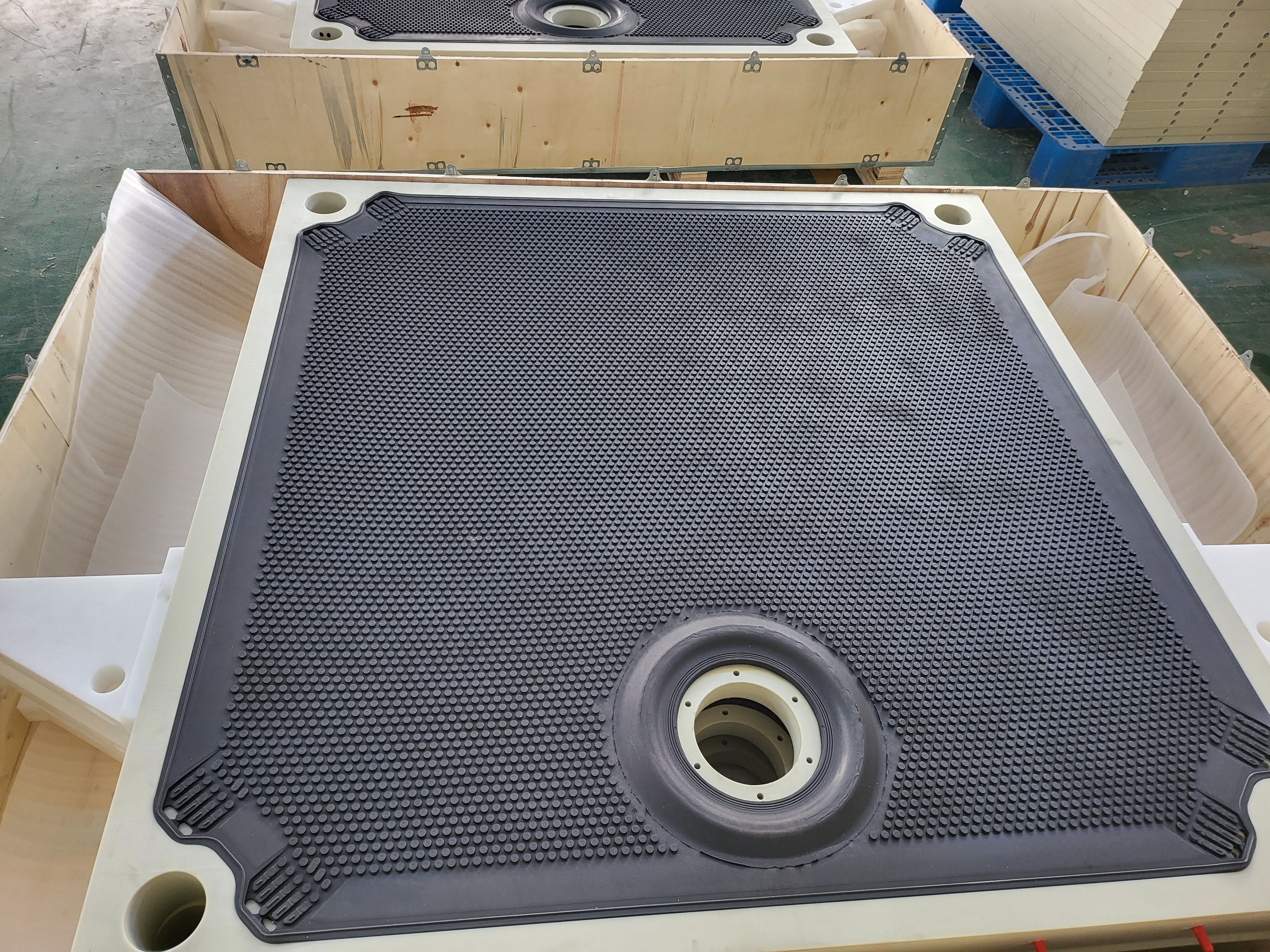
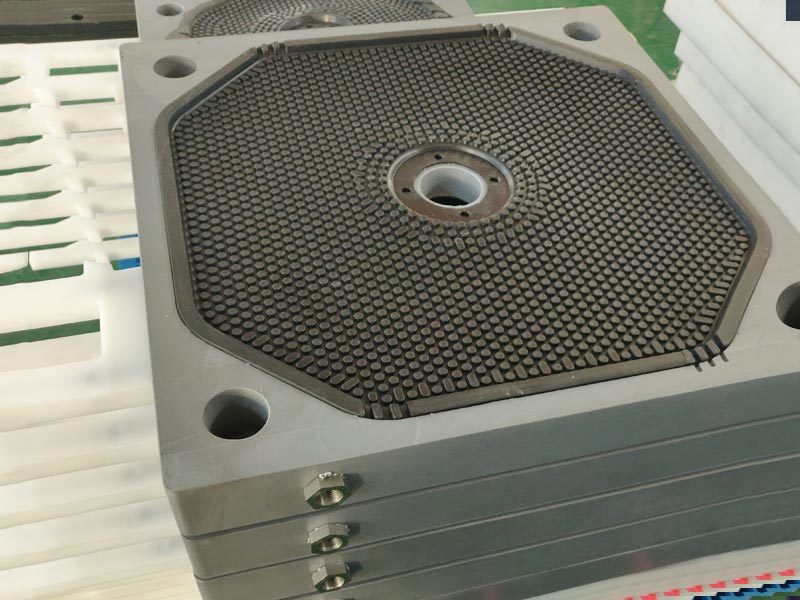
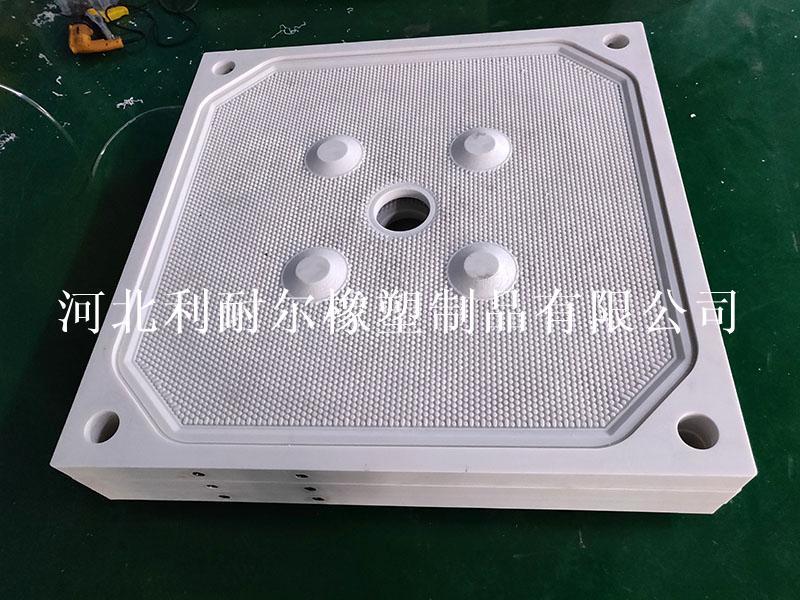
Filter press grilles are sophisticated filtration systems designed to separate solids from liquids in various chemical processes. They consist of a series of filter plates and frames that create chambers where the material is pressed. The design ensures efficient separation of the desired product from impurities, leading to higher quality outputs.
2.2 How Filter Press Grilles Work
The operation of filter press grilles involves several stages. Initially, the slurry, which comprises a mixture of solids and liquids, is pumped into the filter press. The pressure applied forces the liquid through the filter media while retaining the solids. The result is a dewatered solid cake and purified liquid, which can be further processed or reused in the production cycle.
3. The Importance of Quality in Plastic Products
3.1 Factors Affecting Plastic Quality
Quality in plastic products is influenced by various factors, including raw material selection, processing conditions, and the effectiveness of filtration. Contaminants in the raw materials can drastically affect the final product's properties, leading to defects or subpar performance.
3.2 Quality Control in the Chemical Industry
In the chemical industry, rigorous quality control measures are essential to ensure that the produced plastics meet industry standards. This involves continuous monitoring of processes, regular inspections, and implementing advanced filtration techniques such as filter press grilles to enhance overall quality.
4. Benefits of Using Filter Press Grilles
4.1 Enhanced Filtration Efficiency
One of the primary advantages of filter press grilles is their **enhanced filtration efficiency**. They can effectively remove minute particles and impurities that traditional filtering methods might miss, resulting in a cleaner product and minimizing waste.
4.2 Increased Product Purity
By ensuring that contaminants are thoroughly removed, filter press grilles contribute to greater product purity. This is crucial for industries where the quality of plastic products must meet stringent safety and performance standards.
4.3 Cost-Effectiveness
Implementing filter press grilles can lead to significant cost savings over time. By reducing waste and improving yield, manufacturers can optimize their production processes and enhance profitability. Moreover, the long lifespan of filter press components decreases the need for frequent replacements.
5. Applications of Filter Press Grilles in Plastic Manufacturing
5.1 Types of Plastics Benefiting from Filter Press Grilles
Various types of plastics benefit from the use of filter press grilles, including polyethylene, polypropylene, and polystyrene. Each of these materials requires precise filtration to ensure their properties are maintained during production.
5.2 Case Studies: Successful Implementations
Several companies in the chemical industry have successfully implemented filter press grilles into their production lines. For instance, a leading manufacturer of polypropylene utilized filter press technology to improve the quality of their end products significantly. This resulted in a marked reduction in defects and an increase in customer satisfaction.
6. Best Practices for Implementing Filter Press Grilles
6.1 Choosing the Right Equipment
Selecting the appropriate filter press grille for specific applications is crucial. Factors such as the type of material being processed, the desired purity level, and production capacity must be considered. Consulting with filtration experts can help in making informed choices.
6.2 Regular Maintenance and Monitoring
To ensure optimal performance, regular maintenance and monitoring of filter press grilles are essential. This includes routine inspections, cleaning of filter plates, and timely replacement of worn components to prevent downtime and production losses.
7. Future Trends in Filter Press Technology in the Chemical Sector
The future of filter press technology looks promising, with advancements focusing on automation and smart technologies that optimize performance. Innovations such as IoT-enabled monitoring systems allow for real-time data collection, enhancing decision-making processes and ensuring consistent product quality.
8. Frequently Asked Questions (FAQs)
What is the primary function of filter press grilles?
The primary function of filter press grilles is to separate solids from liquids in various chemical processes, enhancing product quality.
How do filter press grilles improve plastic product quality?
Filter press grilles improve plastic product quality by effectively removing contaminants, ensuring higher purity and less waste.
What types of industries utilize filter press grilles?
Filter press grilles are widely used in the chemical, pharmaceutical, food and beverage, and wastewater treatment industries.
How often should filter press grilles be maintained?
Regular maintenance should be conducted at least quarterly, depending on usage and the nature of the materials processed.
Can filter press grilles be customized for specific applications?
Yes, filter press grilles can be customized based on the specific needs of the application, including size, material type, and filtration requirements.
9. Conclusion
Filter press grilles play a pivotal role in enhancing the quality of plastic products in the chemical industry. By improving filtration efficiency, increasing product purity, and providing cost-effective solutions, these devices are essential for manufacturers looking to maintain high standards of quality. As technology advances, the adoption of filter press grilles will only continue to grow, setting the stage for a more efficient and sustainable future in chemical processing. Adopting best practices and staying informed about the latest trends will ensure that manufacturers remain competitive in an ever-evolving market.
Related News