
-
AboutHebei Linaier Rubber Products Co., Ltd. is located in Duqiao Industrial Zone, Jingxian City, Hebei Province, adjacent to Dezhou, Shandong. Founded in early 2001 with a registered capital of 35 million yuan, it is a scientific

-
ProductMain products: vertical and horizontal imported and domestic filter plates, diaphragm plates, diaphragms and accessories; pinch valve sleeves and pinch valves and various mining accessories.
-
NewsIn 2013, our company's high-pressure cylinder with phenolic cloth support and guide ring obtained the national key new product certificate, project number: 2013GRA20011; its products in coal cylinders and engineering hydrauli
-
ServiceWe will actively cooperate with more enthusiasm, strengthen internal management, expand the market externally, improve various performance indicators of existing products, and truly achieve our win-win situation!
-
RecruitmentOur company always adheres to the talent concept of "people-oriented", provides a growth platform for talents, and realizes the common growth and development of enterprises and talents.


language
English
العربية
বাংলাদেশ
Български
Hrvatski
Česky
Dansk
Nederland
 Esperanto
Slovenski
Filipino
Suomi
Français
Maori
 Shqiptare
Georgian
 Euskara
Deutsch
Ελλάδα
ישראל
इंडिया
Magyarország
Ísland
Indonesia
Irlanda
Italia
日本語
Sovensko
Հայաստան
한국
Kyrgyz
ປະເທດລາວ
 Zulu
Zulu
Latvian
Lithuanian
Luxembourgish
 Latinus
Macedonian
Малайская
Maltese
Монгол улс
 Cymraeg
ဗမာ
 தமிழ்
தமிழ்
नेपाल
Norge
ایران
Polska
Portugal
România
Российская
Србија
 Slovak
Србија
 Slovak
Bosanski
Slovenian
Беларус
España
Sverige
Точик
ประเทศไทย
Türk
Azərbaycan
Uzbek
 Afrikaans
Việt Nam

The Role of 1000 Filter Plates in Wastewater Treatment Processes
Release time:
2025-10-21
The Role of 1000 Filter Plates in Wastewater Treatment Processes Introduction to Wastewater Treatment Wastewater treatment is an essential process that involves the removal of contaminants from wastewater, making it safe for discharge into the environment or for reuse. The importance of this process cannot be overstated, as it plays a critical role in protecting our water resources and public heal
The Role of 1000 Filter Plates in Wastewater Treatment Processes
Introduction to Wastewater Treatment
Wastewater treatment is an essential process that involves the removal of contaminants from wastewater, making it safe for discharge into the environment or for reuse. The importance of this process cannot be overstated, as it plays a critical role in protecting our water resources and public health. One of the key components in this intricate system is the **filter plate**, and in particular, the **1000 filter plates**.
Understanding Filter Plates
What Are Filter Plates?
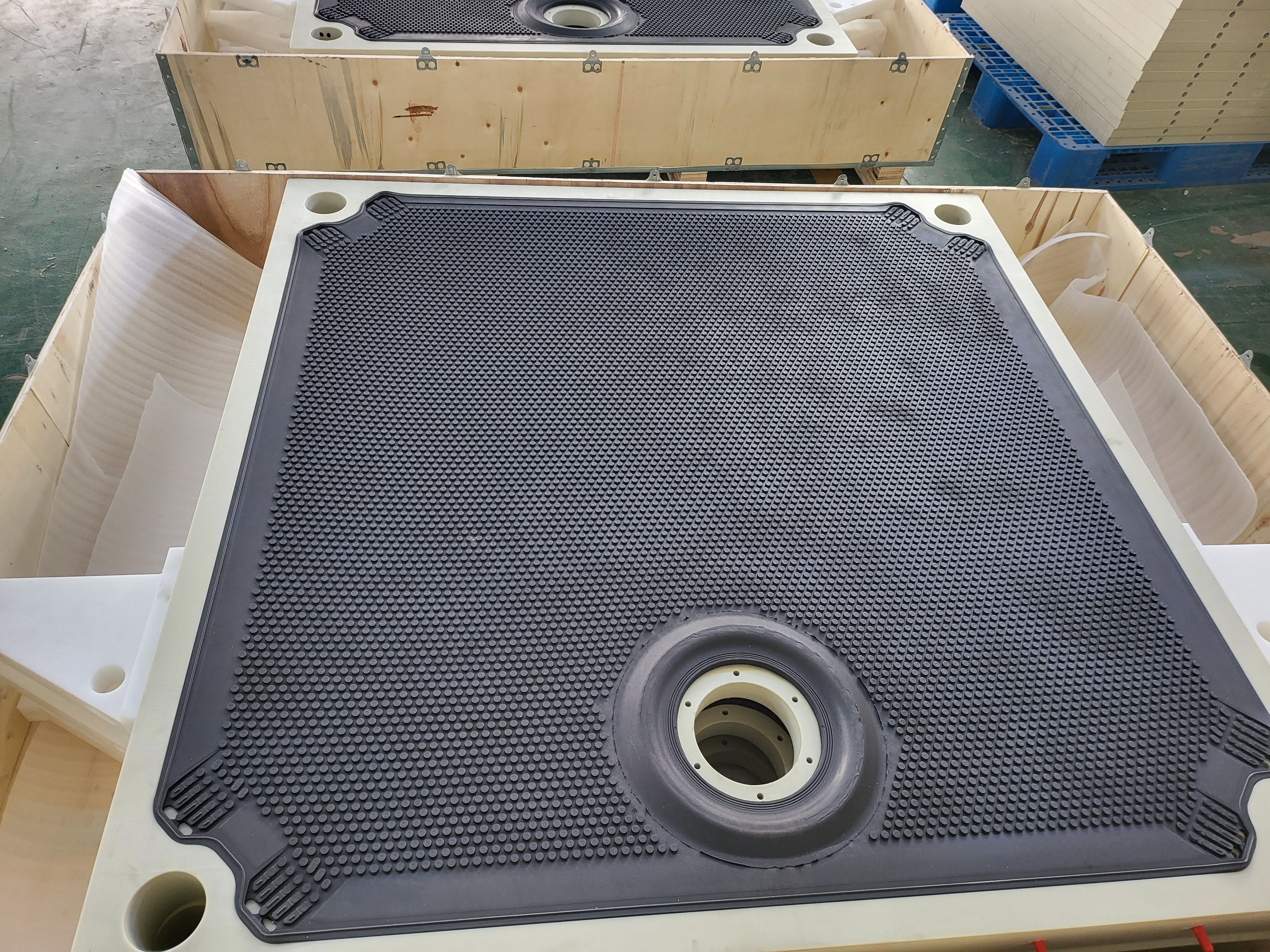
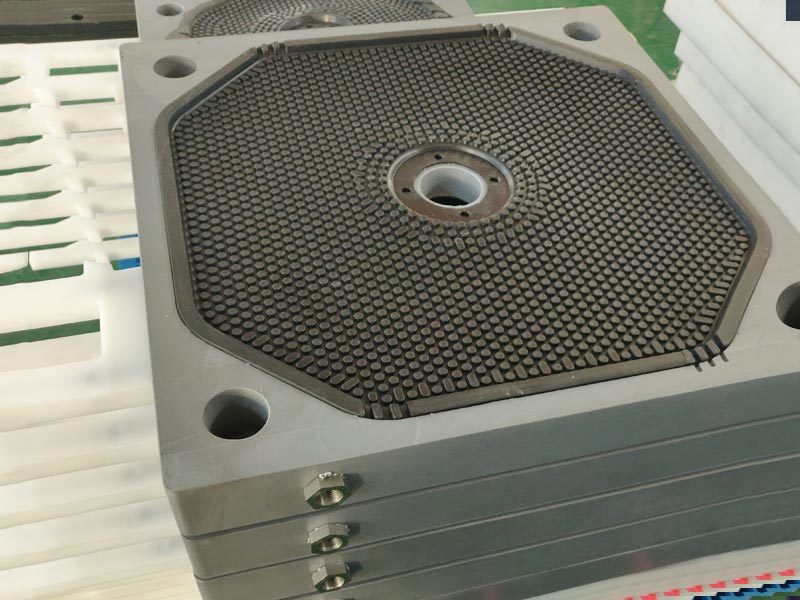
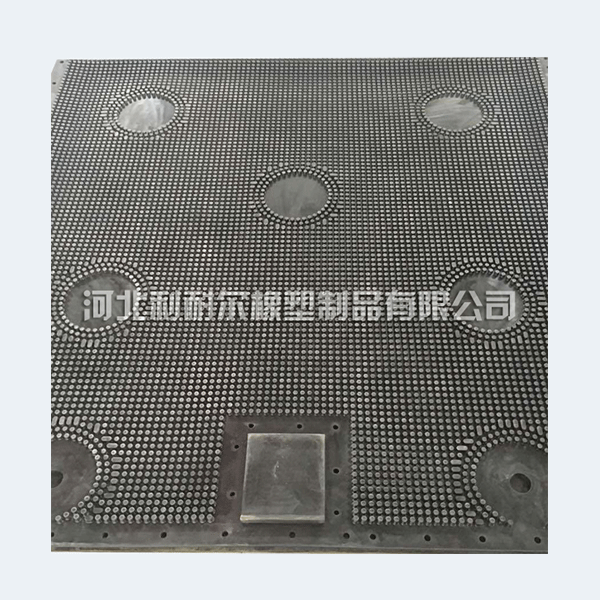
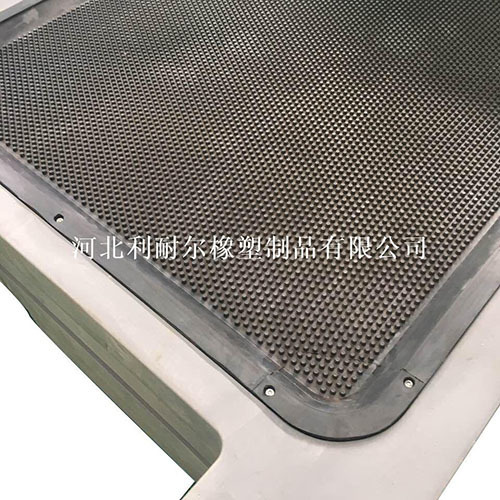
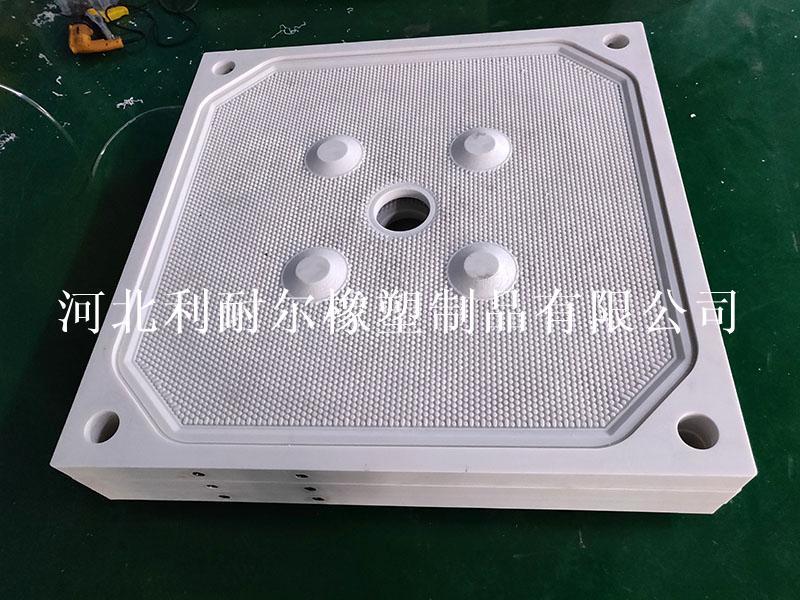
Filter plates are designed to separate solids from liquids in various applications, including wastewater treatment. These plates act as barriers, allowing liquids to pass through while retaining solid particles. The efficiency of the filtration process significantly impacts the overall performance of wastewater treatment systems.
The Importance of 1000 Filter Plates
The **1000 filter plates** are specifically designed to handle large volumes of wastewater, making them indispensable in industrial settings. Their large surface area and robust design ensure high filtration rates, which are crucial for maintaining the efficiency of treatment processes.
How 1000 Filter Plates Work in Wastewater Treatment
The Filtration Process
The filtration process begins when wastewater enters the treatment facility. Here, the **1000 filter plates** are utilized to separate solids from the liquid. Wastewater flows through a network of these plates, where they trap and hold particulates, including organic matter, chemicals, and pathogens.
Types of Contaminants Filtered by 1000 Filter Plates
These versatile filter plates can capture a range of contaminants, such as:
- **Suspended solids**: Particles that remain in the water column.
- **Colloidal matter**: Small particles that do not settle out and can be challenging to remove.
- **Microorganisms**: Bacteria and viruses that pose health risks if not adequately treated.
The Benefits of Using 1000 Filter Plates in Wastewater Treatment
Enhanced Filtration Efficiency
One of the primary advantages of employing **1000 filter plates** is their enhanced filtration efficiency. These plates are engineered to maximize the surface area available for filtration, allowing for a greater volume of water to be processed in a shorter time frame.
Improved Water Quality
By effectively removing a wider range of contaminants, 1000 filter plates contribute to improved water quality. This is essential not only for meeting regulatory standards but also for protecting the ecosystem into which the treated water is discharged.
Cost-Effectiveness and Sustainability
Utilizing 1000 filter plates can also lead to significant cost savings. Their durable construction reduces the need for frequent replacements, thereby lowering maintenance costs. Additionally, by enhancing the efficiency of wastewater treatment processes, these plates contribute to more sustainable industrial practices.
Applications of 1000 Filter Plates in Various Industries
Industrial Wastewater Treatment
In industries such as manufacturing, textiles, and food processing, large volumes of wastewater are generated. The implementation of 1000 filter plates allows these facilities to treat their wastewater effectively, ensuring compliance with environmental regulations.
Agricultural Applications
In agriculture, managing runoff and wastewater is critical. The use of 1000 filter plates can help farmers process wastewater from irrigation and livestock operations, reducing the environmental impact of agricultural activities.
Installation and Maintenance of 1000 Filter Plates
Proper Installation Techniques
Installing 1000 filter plates requires careful planning and execution. It is crucial to ensure that the plates are aligned correctly and securely fastened to prevent leaks and ensure optimal performance.
Maintenance Best Practices
Regular maintenance is vital to prolonging the life of filter plates. This includes routine inspections, cleaning to remove buildup, and replacing any damaged components. Implementing a proactive maintenance schedule can significantly enhance the operational lifespan of 1000 filter plates.
Future Innovations in Filter Plate Technology
Advancements in Materials and Design
The future of filter plate technology is promising, with ongoing research into new materials and designs that enhance filtration efficiency and durability. Innovations such as self-cleaning filter plates and advanced composite materials hold the potential to revolutionize wastewater treatment processes even further.
Integration with Smart Technology
As industries increasingly adopt smart technologies, the integration of sensors and automation into filter plate systems is on the horizon. This can lead to real-time monitoring and adjustments, ensuring optimal performance and efficiency in wastewater treatment processes.
Frequently Asked Questions (FAQs)
1. What are 1000 filter plates made of?
1000 filter plates are typically made from durable materials such as polypropylene, polyethylene, or stainless steel, ensuring they withstand harsh wastewater conditions.
2. How often do 1000 filter plates need to be replaced?
The replacement frequency depends on the specific application and the level of contaminants processed. Regular inspections should guide replacement schedules.
3. Can 1000 filter plates be used in small-scale wastewater treatment plants?
Absolutely! While they are commonly used in large industrial settings, 1000 filter plates can also be scaled down for smaller facilities.
4. What is the typical lifespan of a 1000 filter plate?
With proper care and maintenance, a 1000 filter plate can last several years, making them a cost-effective choice for wastewater treatment.
5. Are there specific regulations regarding the use of filter plates in wastewater treatment?
Yes, wastewater treatment facilities must comply with local, state, and federal regulations regarding the treatment and discharge of wastewater, which may include specifications for filtration systems.
Conclusion
The role of 1000 filter plates in wastewater treatment processes is pivotal in ensuring efficient, effective, and sustainable practices. By enhancing filtration capabilities and contributing to better water quality, these components are essential for industries looking to comply with environmental regulations and promote sustainability. As technology continues to evolve, the future of filter plates looks bright, promising even greater advancements in wastewater treatment. Embracing these innovations will be crucial for industries striving to make a positive impact on our planet.
Related News