
-
AboutHebei Linaier Rubber Products Co., Ltd. is located in Duqiao Industrial Zone, Jingxian City, Hebei Province, adjacent to Dezhou, Shandong. Founded in early 2001 with a registered capital of 35 million yuan, it is a scientific

-
ProductMain products: vertical and horizontal imported and domestic filter plates, diaphragm plates, diaphragms and accessories; pinch valve sleeves and pinch valves and various mining accessories.
-
NewsIn 2013, our company's high-pressure cylinder with phenolic cloth support and guide ring obtained the national key new product certificate, project number: 2013GRA20011; its products in coal cylinders and engineering hydrauli
-
ServiceWe will actively cooperate with more enthusiasm, strengthen internal management, expand the market externally, improve various performance indicators of existing products, and truly achieve our win-win situation!
-
RecruitmentOur company always adheres to the talent concept of "people-oriented", provides a growth platform for talents, and realizes the common growth and development of enterprises and talents.


language
English
العربية
বাংলাদেশ
Български
Hrvatski
Česky
Dansk
Nederland
 Esperanto
Slovenski
Filipino
Suomi
Français
Maori
 Shqiptare
Georgian
 Euskara
Deutsch
Ελλάδα
ישראל
इंडिया
Magyarország
Ísland
Indonesia
Irlanda
Italia
日本語
Sovensko
Հայաստան
한국
Kyrgyz
ປະເທດລາວ
 Zulu
Zulu
Latvian
Lithuanian
Luxembourgish
 Latinus
Macedonian
Малайская
Maltese
Монгол улс
 Cymraeg
ဗမာ
 தமிழ்
தமிழ்
नेपाल
Norge
ایران
Polska
Portugal
România
Российская
Србија
 Slovak
Србија
 Slovak
Bosanski
Slovenian
Беларус
España
Sverige
Точик
ประเทศไทย
Türk
Azərbaycan
Uzbek
 Afrikaans
Việt Nam

Top Advantages of Implementing 880 Filter Plates in Your Operations
Release time:
2025-10-01
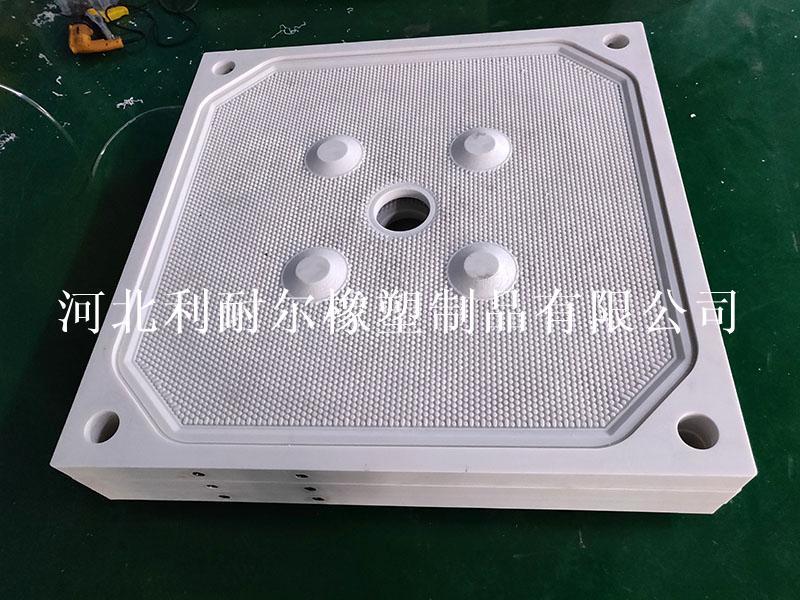
Top Advantages of Implementing 880 Filter Plates in Your Operations Table of Contents Introduction to 880 Filter Plates What Are 880 Filter Plates? Key Benefits of 880 Filter Plates Enhanced Efficiency in Filtration Processes Cost-Effectiveness and Long-Term Savings Improved Product Quality and Consistency Environmental Advantages of Using 880 Filter Plates
Top Advantages of Implementing 880 Filter Plates in Your Operations
Table of Contents
- Introduction to 880 Filter Plates
- What Are 880 Filter Plates?
- Key Benefits of 880 Filter Plates
- Enhanced Efficiency in Filtration Processes
- Cost-Effectiveness and Long-Term Savings
- Improved Product Quality and Consistency
- Environmental Advantages of Using 880 Filter Plates
- Versatility Across Various Industries
- How to Implement 880 Filter Plates in Your Operations
- Maintenance and Care for Optimal Performance
- Case Studies Highlighting Success with 880 Filter Plates
- Frequently Asked Questions
- Conclusion
Introduction to 880 Filter Plates
In the ever-evolving landscape of industrial operations, efficiency and reliability are paramount. The implementation of advanced filtration systems can significantly influence the productivity and sustainability of operations. **880 filter plates** represent a cutting-edge solution designed to meet the diverse needs of various industries. This article explores the numerous advantages of integrating 880 filter plates into your processes, highlighting how they can lead to substantial improvements in operational efficiency and product quality.
What Are 880 Filter Plates?
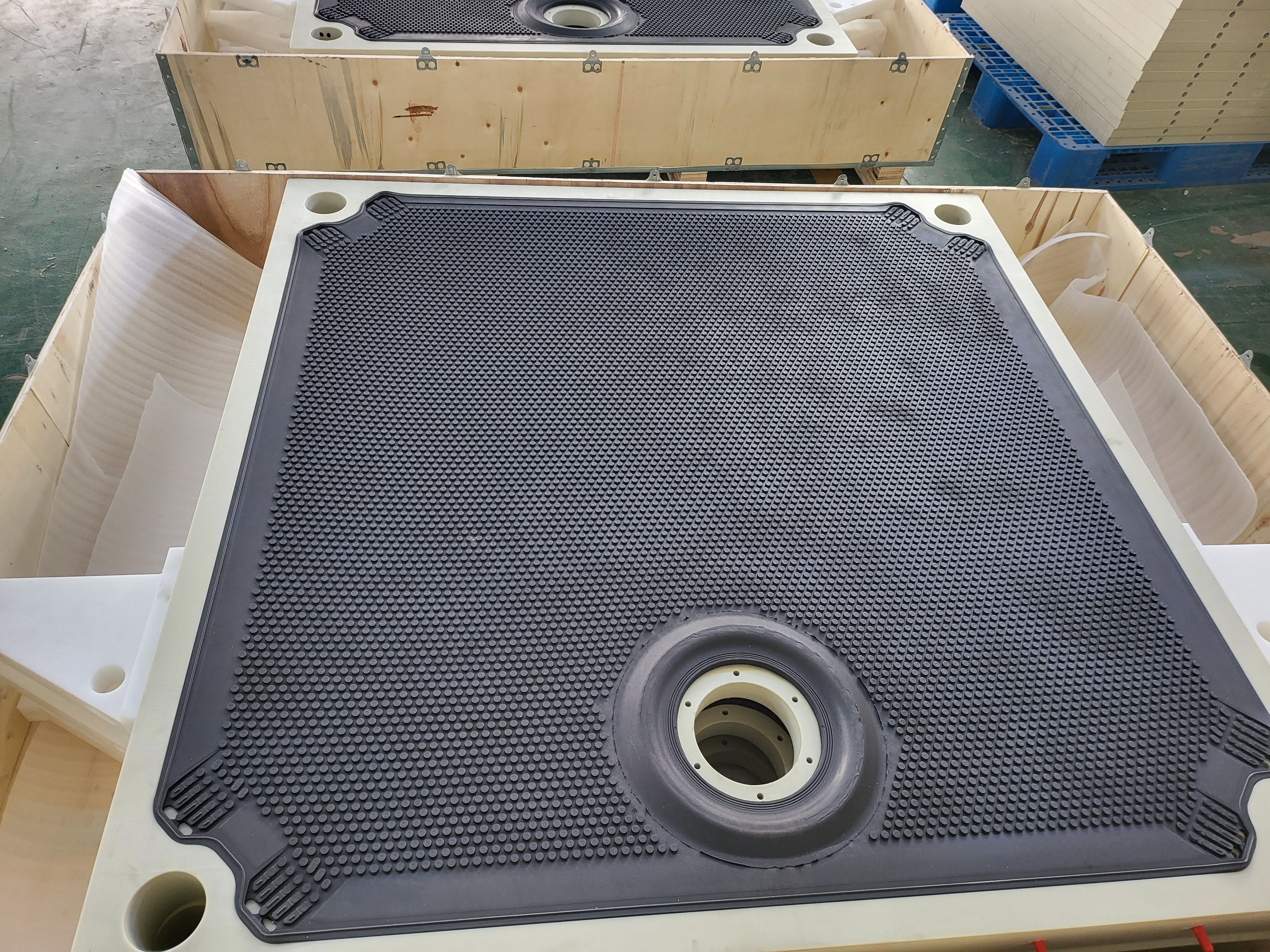
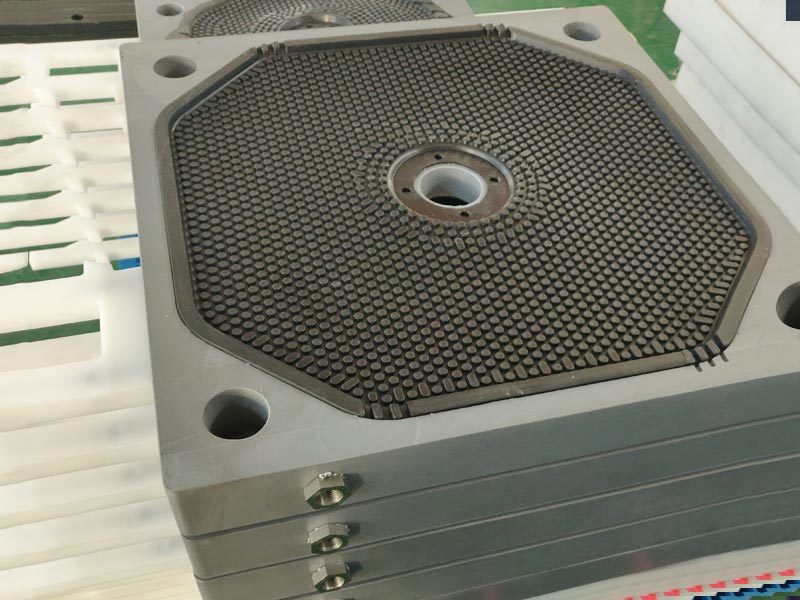
880 filter plates are specialized filtration devices utilized primarily in industries where liquid-solid separation is crucial. These plates are constructed with high-quality materials to ensure durability and functionality. Their design incorporates advanced technology that enhances the filtration process, making them suitable for various applications, including chemical processing, food and beverage production, and wastewater treatment.
The unique features of **880 filter plates** include their effective surface area, which maximizes filtration efficiency, and their modular design, allowing for easy integration into existing systems. As a result, these plates facilitate higher throughput rates and reduced operational downtime.
Key Benefits of 880 Filter Plates
Adopting 880 filter plates offers a myriad of benefits that can significantly impact your operational workflows. Let’s delve into some of the most compelling advantages.
Enhanced Efficiency in Filtration Processes
The prime advantage of **880 filter plates** lies in their ability to enhance filtration efficiency. With their optimized design, these plates ensure superior liquid-solid separation, minimizing any residual waste. This efficiency translates to a higher volume of processed materials, allowing operations to run smoothly without frequent interruptions for maintenance or replacement.
Moreover, the rapid filtration capabilities of 880 filter plates result in shorter processing times, enabling businesses to meet production demands more effectively. Consequently, this leads to a notable increase in overall productivity.
Cost-Effectiveness and Long-Term Savings
Investing in **880 filter plates** can lead to substantial cost savings over time. Their durability and high-performance characteristics reduce the need for frequent replacements and maintenance, ultimately lowering operational costs. Additionally, enhanced filtration efficiency minimizes waste and maximizes product recovery, contributing to a better return on investment.
Further, by improving the overall efficiency of your operations, these filter plates can assist in minimizing energy consumption, which is a crucial factor in controlling costs in industrial settings.
Improved Product Quality and Consistency
Quality control is essential in any industrial process. 880 filter plates play a pivotal role in ensuring the purity and consistency of the final product. By effectively removing contaminants and impurities, these plates help maintain high product standards, which is particularly crucial in industries such as food and beverage or pharmaceuticals.
The reliability of filtration provided by 880 filter plates ensures that every batch meets the required specifications, thereby enhancing customer satisfaction and brand reputation.
Environmental Advantages of Using 880 Filter Plates
Sustainability is a growing concern for industries worldwide. Implementing 880 filter plates can have a positive impact on environmental performance. By optimizing the filtration process, these plates contribute to reduced waste generation, ensuring that fewer pollutants are released into the environment.
Additionally, the efficient recovery of valuable materials during the filtration process minimizes resource depletion, aligning with sustainable operational practices.
Versatility Across Various Industries
One of the standout features of **880 filter plates** is their versatility. These plates can be adapted for use across various industries, including:
- **Chemical Manufacturing**: For separating solvents and solids efficiently.
- **Food and Beverage**: To ensure the purity of products while complying with health regulations.
- **Pharmaceuticals**: Facilitating stringent quality control measures for product safety.
- **Wastewater Treatment**: Enhancing the recovery of clean water from industrial effluents.
This adaptability makes 880 filter plates a valuable asset across different sectors, allowing businesses to streamline their operations effectively.
How to Implement 880 Filter Plates in Your Operations
Integrating **880 filter plates** into your operations is a strategic move that requires careful planning and execution. Here are the steps to ensure a seamless implementation:
1. **Assess Your Filtration Needs**: Evaluate your current filtration systems and identify areas for improvement. Determine the specific requirements based on the materials you process.
2. **Select the Right 880 Filter Plates**: Choose plates that are compatible with your existing setups and tailored to your operational needs. Consider factors such as size, material, and filtration capacity.
3. **Consult with Experts**: Engaging with filtration specialists can provide valuable insights into the best practices for installation and integration.
4. **Install and Calibrate**: Ensure that the installation is carried out by professionals who can calibrate the system for optimal performance. Proper installation is crucial for maximizing the benefits of 880 filter plates.
5. **Monitor Performance**: After implementation, consistently monitor the performance of the filter plates. Track efficiency, maintenance needs, and product quality to ensure they meet your expectations.
Maintenance and Care for Optimal Performance
To maximize the lifespan and efficiency of **880 filter plates**, regular maintenance is essential. Here are some best practices:
- **Routine Inspections**: Regularly inspect the filter plates for wear and tear. Early detection of issues can prevent costly downtimes.
- **Cleaning Protocols**: Implement effective cleaning protocols to remove accumulated solids and prevent clogs. This ensures consistent performance.
- **Replacement Planning**: Understand the lifespan of your filter plates and plan for timely replacements to avoid operational disruptions.
Proper care and maintenance not only enhance the longevity of the filter plates but also ensure their ongoing effectiveness in your operations.
Case Studies Highlighting Success with 880 Filter Plates
Examining real-world applications of **880 filter plates** provides insight into their effectiveness. Here are a few notable case studies:
1. **Chemical Manufacturing Facility**: A major chemical manufacturer integrated 880 filter plates into their liquid separation process, leading to a 30% increase in throughput and a reduction in operational costs by 15%.
2. **Food Processing Plant**: A leading food processing company adopted 880 filter plates to enhance product purity, resulting in a marked improvement in quality control and a decrease in production rejects by 20%.
3. **Wastewater Treatment Plant**: A municipal wastewater treatment facility implemented 880 filter plates, significantly improving their water recovery rates and reducing environmental discharge levels.
These examples illustrate the transformative effects of 880 filter plates across various sectors.
Frequently Asked Questions
1. What materials are 880 filter plates made from?
880 filter plates are typically constructed from durable materials like polypropylene or stainless steel, which provide excellent resistance to corrosion and wear, ensuring longevity and reliability.
2. Can 880 filter plates be used in high-temperature applications?
Yes, many 880 filter plates are designed to withstand high temperatures, making them suitable for various industrial processes. However, it's essential to choose plates specifically rated for high-temperature use.
3. How often should 880 filter plates be replaced?
The lifespan of 880 filter plates varies based on usage and maintenance. Regular inspections and adherence to maintenance schedules can help determine the optimal replacement timing.
4. Are 880 filter plates easy to clean?
Yes, 880 filter plates are designed for ease of cleaning. Implementing a regular cleaning protocol helps maintain their effectiveness and prolongs their lifespan.
5. What are the cost implications of switching to 880 filter plates?
While the initial investment may be higher than traditional filtration systems, the long-term cost savings from increased efficiency, reduced maintenance, and improved product quality often outweigh the upfront costs.
Conclusion
The integration of **880 filter plates** into industrial operations presents a multitude of advantages that can enhance efficiency, reduce costs, and improve product quality. Their versatility, durability, and superior filtration capabilities make them a wise investment for businesses looking to streamline processes and promote sustainability. By understanding the benefits and best practices associated with 880 filter plates, organizations can position themselves for success in a competitive landscape. Embracing these advanced filtration solutions not only leads to operational excellence but also contributes to a more sustainable future.
Related News