
-
AboutHebei Linaier Rubber Products Co., Ltd. is located in Duqiao Industrial Zone, Jingxian City, Hebei Province, adjacent to Dezhou, Shandong. Founded in early 2001 with a registered capital of 35 million yuan, it is a scientific

-
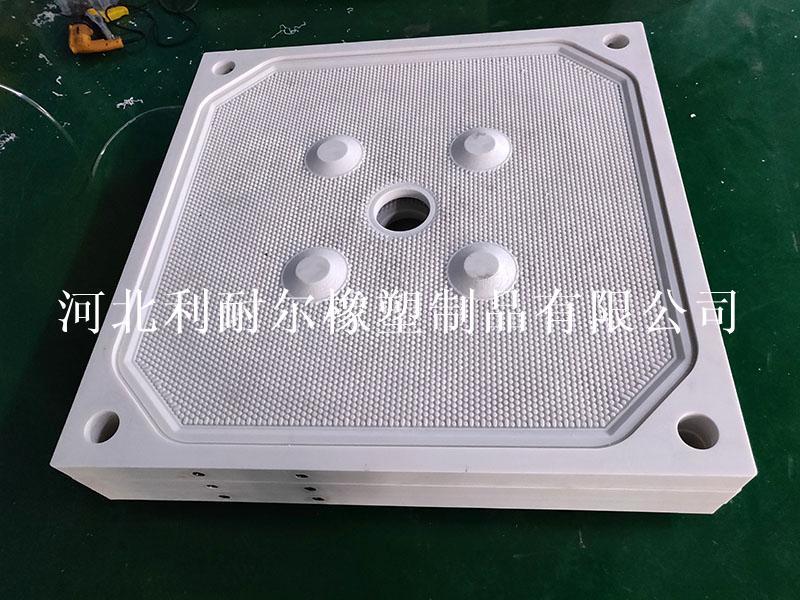
ProductMain products: vertical and horizontal imported and domestic filter plates, diaphragm plates, diaphragms and accessories; pinch valve sleeves and pinch valves and various mining accessories.
-
NewsIn 2013, our company's high-pressure cylinder with phenolic cloth support and guide ring obtained the national key new product certificate, project number: 2013GRA20011; its products in coal cylinders and engineering hydrauli
-
ServiceWe will actively cooperate with more enthusiasm, strengthen internal management, expand the market externally, improve various performance indicators of existing products, and truly achieve our win-win situation!
-
RecruitmentOur company always adheres to the talent concept of "people-oriented", provides a growth platform for talents, and realizes the common growth and development of enterprises and talents.


language
English
العربية
বাংলাদেশ
Български
Hrvatski
Česky
Dansk
Nederland
 Esperanto
Slovenski
Filipino
Suomi
Français
Maori
 Shqiptare
Georgian
 Euskara
Deutsch
Ελλάδα
ישראל
इंडिया
Magyarország
Ísland
Indonesia
Irlanda
Italia
日本語
Sovensko
Հայաստան
한국
Kyrgyz
ປະເທດລາວ
 Zulu
Zulu
Latvian
Lithuanian
Luxembourgish
 Latinus
Macedonian
Малайская
Maltese
Монгол улс
 Cymraeg
ဗမာ
 தமிழ்
தமிழ்
नेपाल
Norge
ایران
Polska
Portugal
România
Российская
Србија
 Slovak
Србија
 Slovak
Bosanski
Slovenian
Беларус
España
Sverige
Точик
ประเทศไทย
Türk
Azərbaycan
Uzbek
 Afrikaans
Việt Nam

How Filter Plates Enhance the Durability of Plastic Products
Release time:
2025-09-21
How Filter Plates Enhance the Durability of Plastic Products Table of Contents 1. Introduction to Filter Plates in Plastic Manufacturing 2. Understanding Filter Plates: Definition and Function 3. Why Durability Matters in Plastic Products 4. The Role of Filter Plates in Enhancing Durability 5. Types of Filter Plates Used in Plastic Production 6. Applications of Filter
How Filter Plates Enhance the Durability of Plastic Products
Table of Contents
- 1. Introduction to Filter Plates in Plastic Manufacturing
- 2. Understanding Filter Plates: Definition and Function
- 3. Why Durability Matters in Plastic Products
- 4. The Role of Filter Plates in Enhancing Durability
- 5. Types of Filter Plates Used in Plastic Production
- 6. Applications of Filter Plates in Various Industries
- 7. Key Benefits of Using Filter Plates
- 8. Real-World Case Studies: Success Stories with Filter Plates
- 9. Frequently Asked Questions
- 10. Conclusion
1. Introduction to Filter Plates in Plastic Manufacturing
In the world of plastic manufacturing, ensuring durability is crucial for the success of products across various sectors. One vital component that contributes significantly to the strength and longevity of plastic products is the **filter plate**. This article delves into how filter plates enhance the durability of plastics, shedding light on their functionality, types, applications, and benefits.
2. Understanding Filter Plates: Definition and Function
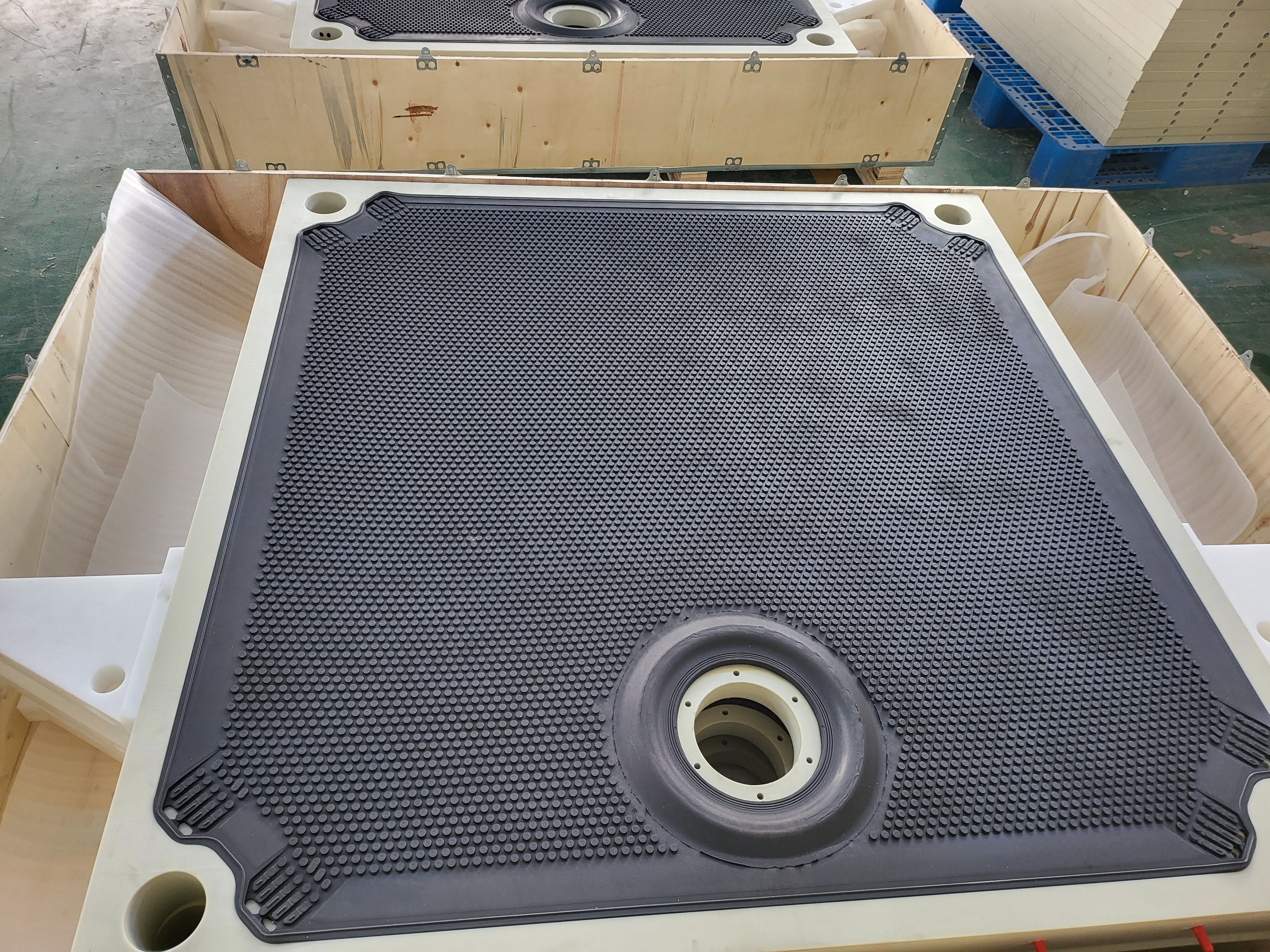
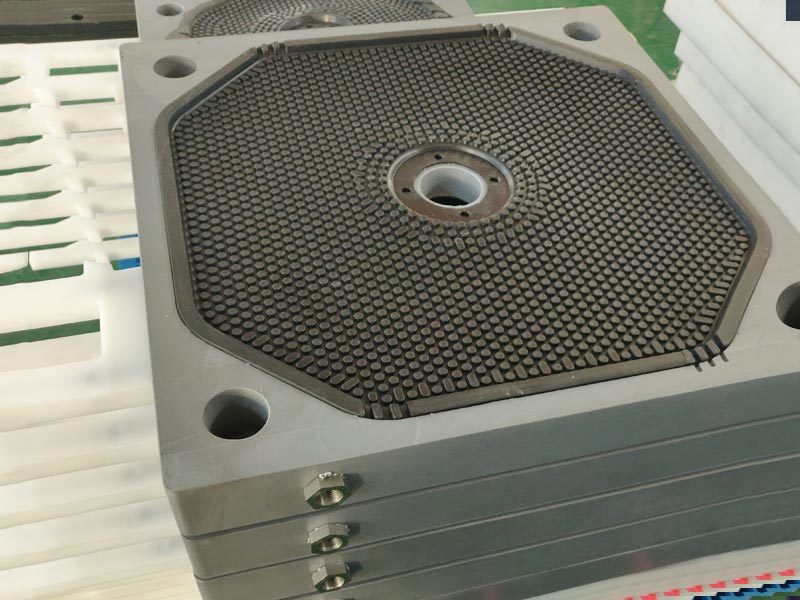
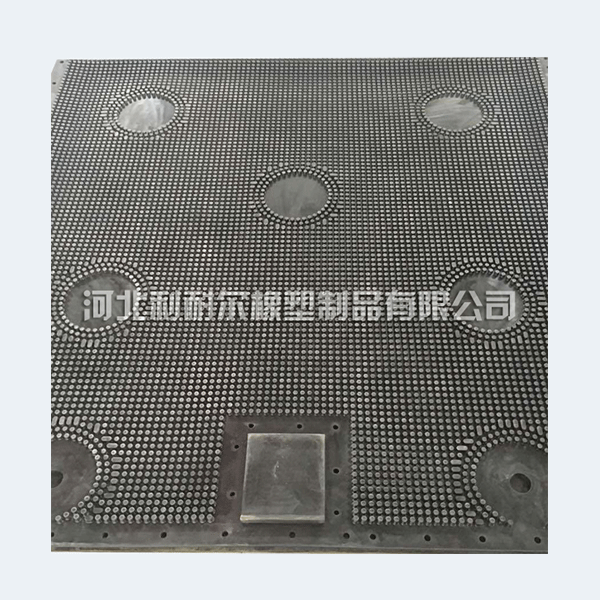
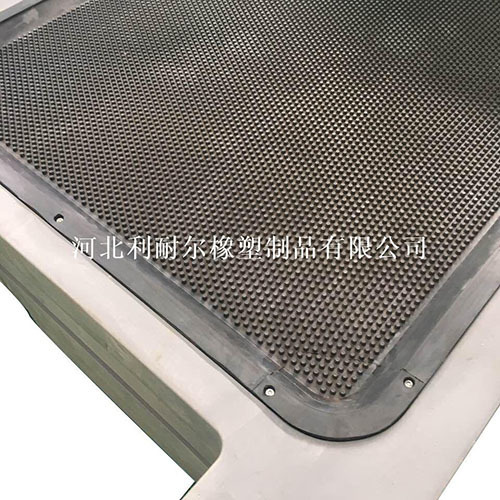
Filter plates are essential tools utilized in the process of **filtration** and **separation**. Typically made from materials such as stainless steel or polymer composites, these plates are designed to remove impurities, contaminants, and unwanted particles from polymer melts during the manufacturing process. By ensuring a purer material flows into the molding or extrusion processes, filter plates play a pivotal role in enhancing the overall quality and durability of the final product.
2.1 How Filter Plates Work
Filter plates operate by utilizing a network of porous structures that allow molten plastic to pass through while trapping larger particles. This process not only guarantees a smoother flow of material but also minimizes defects in the final product. By maintaining the integrity of the polymer, filter plates ensure that the resulting plastic products are resistant to wear, fatigue, and environmental factors.
3. Why Durability Matters in Plastic Products
Durability is a key factor that determines the usability and lifespan of plastic products. In sectors ranging from automotive to consumer goods, the reliability of plastic components can significantly impact performance and safety. Durable plastics reduce the need for frequent replacements, thereby saving costs and minimizing waste. The utilization of filter plates ensures that the production process yields high-quality products that withstand the rigors of daily use.
3.1 Economic Benefits of Durable Plastics
Investing in durable plastic products translates to long-term economic benefits. Manufacturers who prioritize the durability of their offerings often enjoy reduced warranty claims and customer satisfaction. With the integration of filter plates, businesses can enhance product performance while also appealing to environmentally conscious consumers who favor sustainable practices.
4. The Role of Filter Plates in Enhancing Durability
Filter plates contribute to plastic product durability in several substantial ways:
- **Improved Material Consistency**: By filtering out contaminants, filter plates ensure that the polymer used is uniform and free from inconsistencies that could weaken the final product.
- **Reduced Defects**: The filtration process minimizes defects such as bubbles, voids, and inconsistencies, which can compromise the structural integrity of the plastic.
- **Enhanced Mechanical Properties**: High-quality polymers lead to superior mechanical properties, including increased tensile strength and resistance to impact, making the final products more durable.
5. Types of Filter Plates Used in Plastic Production
There are several types of filter plates utilized in the plastic manufacturing industry, each designed for specific applications:
5.1 Melt Filters
Melt filters are crucial for the extrusion and molding processes. These plates remove contaminants from the molten polymer before it cools and solidifies, thereby enhancing the durability of the products formed.
5.2 Disc Filters
Disc filters are often used in applications requiring high filtration levels. These filters can efficiently capture large particles, ensuring that only the finest polymer reaches the production line.
5.3 Screen Filters
Screen filters are versatile and used in various plastic production processes. They are specifically effective in removing gel, dirt, and other impurities, resulting in a cleaner and more durable end product.
6. Applications of Filter Plates in Various Industries
Filter plates find applications across a broad spectrum of industries, demonstrating their versatility and importance:
6.1 Automotive Industry
In the automotive sector, durable plastic components are essential for both safety and performance. Filter plates ensure that parts such as dashboards, bumpers, and interior fittings maintain their integrity and durability over time.
6.2 Consumer Goods
From packaging to household items, the consumer goods industry relies heavily on durable plastics. Filter plates help manufacturers produce items that withstand everyday wear and tear, ensuring customer satisfaction.
6.3 Electronics
In electronics, plastic components must exhibit high durability to protect sensitive inner workings. Filter plates help in producing casings and connectors that are robust and long-lasting.
7. Key Benefits of Using Filter Plates
The integration of filter plates into the plastic manufacturing process offers numerous advantages, including:
- **Cost Efficiency**: Reducing defects and increasing product lifespan lowers costs associated with returns and replacements.
- **Enhanced Product Quality**: Filter plates lead to a higher quality of finished products, which can improve market competitiveness.
- **Sustainability**: By minimizing waste and extending the life of plastic products, filter plates contribute to more sustainable manufacturing practices.
8. Real-World Case Studies: Success Stories with Filter Plates
Several companies have successfully implemented filter plates in their production processes, leading to notable improvements in product durability and customer satisfaction.
8.1 Company A: Automotive Components
Company A, a leading supplier of automotive parts, adopted filter plates in their extrusion process. The result was a significant reduction in defects and an increase in the durability of their components, leading to a 30% decrease in warranty claims.
8.2 Company B: Consumer Packaging
A major player in consumer packaging switched to using filter plates and observed that their product integrity improved, leading to a 25% increase in customer retention rates.
9. Frequently Asked Questions
9.1 What are filter plates made of?
Filter plates are typically made from high-quality materials such as stainless steel, polymer composites, or high-density polyethylene, designed to withstand high temperatures and pressures.
9.2 How do filter plates affect product quality?
By removing impurities from molten plastic, filter plates ensure a consistent and high-quality flow of material, resulting in fewer defects and greater durability in the finished products.
9.3 Are filter plates reusable?
Yes, many filter plates are designed for reuse after proper cleaning and maintenance, making them a cost-effective option for manufacturers.
9.4 What industries benefit the most from filter plates?
Industries such as automotive, consumer goods, electronics, and packaging greatly benefit from the use of filter plates due to the enhanced durability and quality of their products.
9.5 How often should filter plates be replaced?
The lifespan of filter plates depends on usage and the specific materials being processed. Regular maintenance and inspection can help determine when they should be replaced.
10. Conclusion
In summary, filter plates play a critical role in enhancing the durability of plastic products across various industries. By ensuring cleaner, more consistent material flow, these components significantly reduce defects and improve the mechanical properties of the final products. As manufacturers strive for greater efficiency and sustainability, integrating filter plates into the production process emerges as a vital strategy for achieving long-lasting and reliable plastic goods. Emphasizing durability not only benefits manufacturers economically but also enhances customer satisfaction, paving the way for a more sustainable future in the plastic industry.
Related News