
-
AboutHebei Linaier Rubber Products Co., Ltd. is located in Duqiao Industrial Zone, Jingxian City, Hebei Province, adjacent to Dezhou, Shandong. Founded in early 2001 with a registered capital of 35 million yuan, it is a scientific

-
ProductMain products: vertical and horizontal imported and domestic filter plates, diaphragm plates, diaphragms and accessories; pinch valve sleeves and pinch valves and various mining accessories.
-
NewsIn 2013, our company's high-pressure cylinder with phenolic cloth support and guide ring obtained the national key new product certificate, project number: 2013GRA20011; its products in coal cylinders and engineering hydrauli
-
ServiceWe will actively cooperate with more enthusiasm, strengthen internal management, expand the market externally, improve various performance indicators of existing products, and truly achieve our win-win situation!
-
RecruitmentOur company always adheres to the talent concept of "people-oriented", provides a growth platform for talents, and realizes the common growth and development of enterprises and talents.


language
English
العربية
বাংলাদেশ
Български
Hrvatski
Česky
Dansk
Nederland
 Esperanto
Slovenski
Filipino
Suomi
Français
Maori
 Shqiptare
Georgian
 Euskara
Deutsch
Ελλάδα
ישראל
इंडिया
Magyarország
Ísland
Indonesia
Irlanda
Italia
日本語
Sovensko
Հայաստան
한국
Kyrgyz
ປະເທດລາວ
 Zulu
Zulu
Latvian
Lithuanian
Luxembourgish
 Latinus
Macedonian
Малайская
Maltese
Монгол улс
 Cymraeg
ဗမာ
 தமிழ்
தமிழ்
नेपाल
Norge
ایران
Polska
Portugal
România
Российская
Србија
 Slovak
Србија
 Slovak
Bosanski
Slovenian
Беларус
España
Sverige
Точик
ประเทศไทย
Türk
Azərbaycan
Uzbek
 Afrikaans
Việt Nam

How to Choose the Right 1200 Diaphragm Plate for Your Industrial Needs
Release time:
2025-08-22
How to Choose the Right 1200 Diaphragm Plate for Your Industrial Needs Table of Contents Introduction to 1200 Diaphragm Plates Understanding Diaphragm Plates and Their Functionality Key Criteria for Selecting a 1200 Diaphragm Plate Material Considerations for Diaphragm Plates Understanding Size and Dimensions of 1200 Diaphragm Plates Performance Requirements for Your Diaph
How to Choose the Right 1200 Diaphragm Plate for Your Industrial Needs
Table of Contents
- Introduction to 1200 Diaphragm Plates
- Understanding Diaphragm Plates and Their Functionality
- Key Criteria for Selecting a 1200 Diaphragm Plate
- Material Considerations for Diaphragm Plates
- Understanding Size and Dimensions of 1200 Diaphragm Plates
- Performance Requirements for Your Diaphragm Plate
- Maintenance, Durability, and Lifespan of Diaphragm Plates
- Common Applications of 1200 Diaphragm Plates in Industry
- Frequently Asked Questions
- Conclusion: Making the Right Choice
Introduction to 1200 Diaphragm Plates
In industrial settings, the choice of equipment significantly affects operational efficiency and productivity. Among the crucial components used in various processes, **1200 diaphragm plates** play a vital role in filtration and separation systems. This article delves into the essential factors to consider when selecting a diaphragm plate, ensuring that you make an informed decision suited to your specific industrial needs.
Understanding Diaphragm Plates and Their Functionality
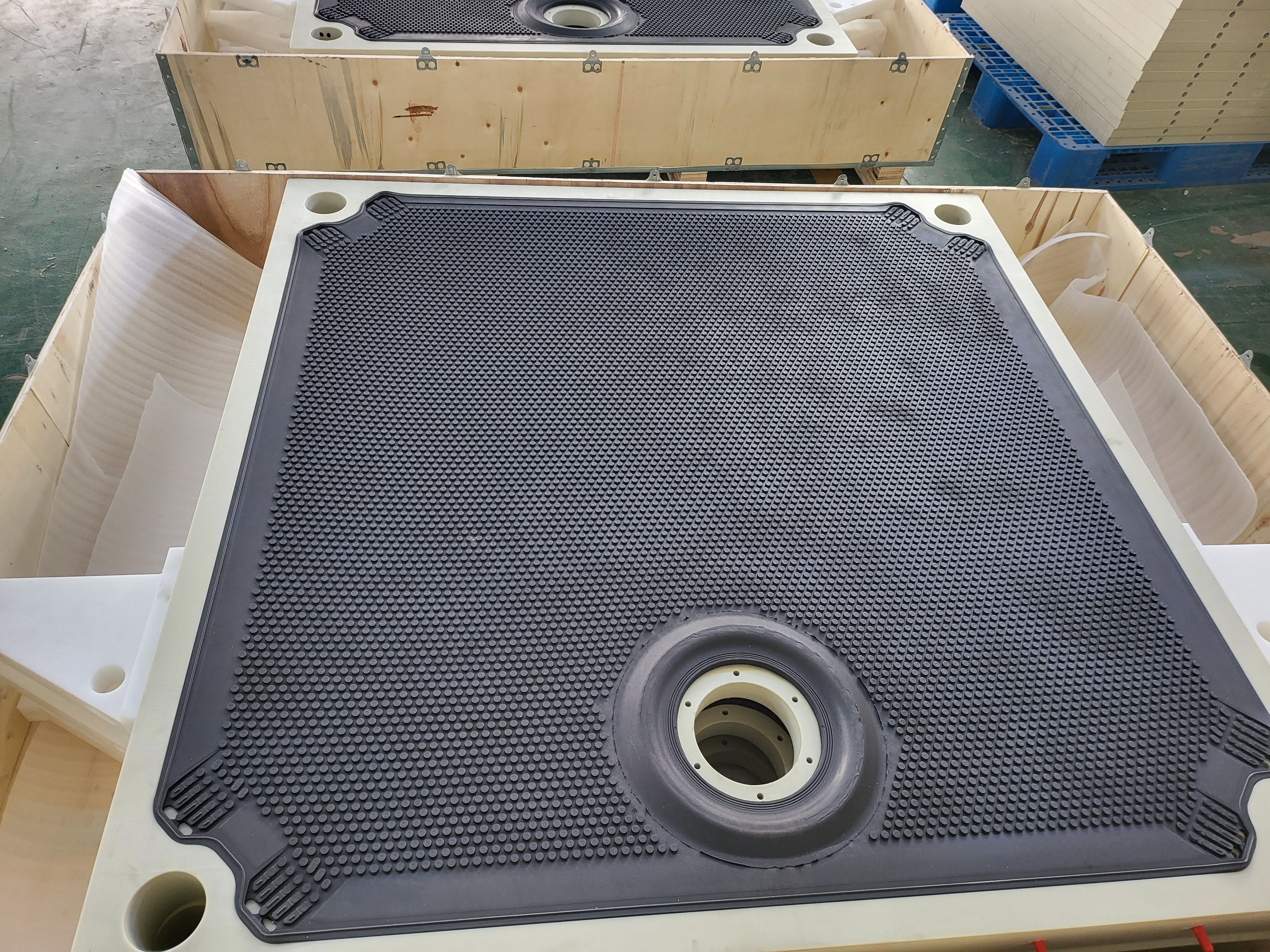
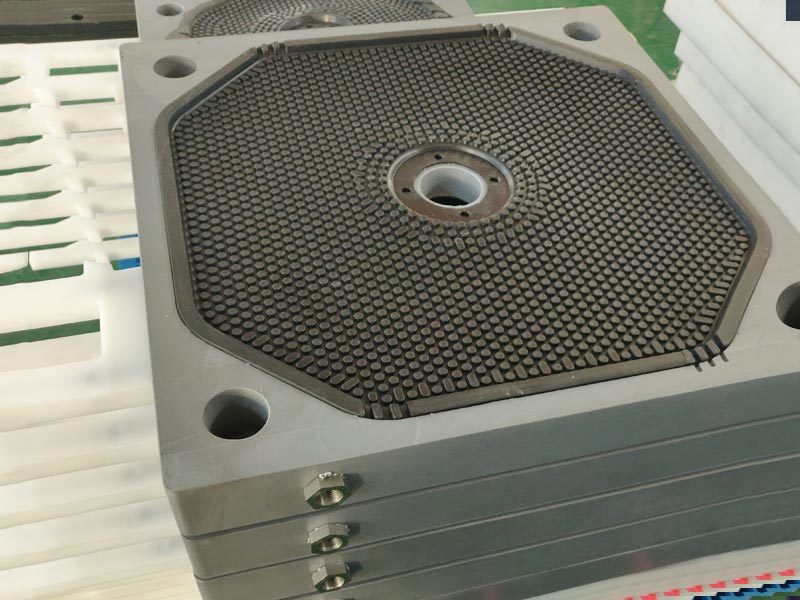
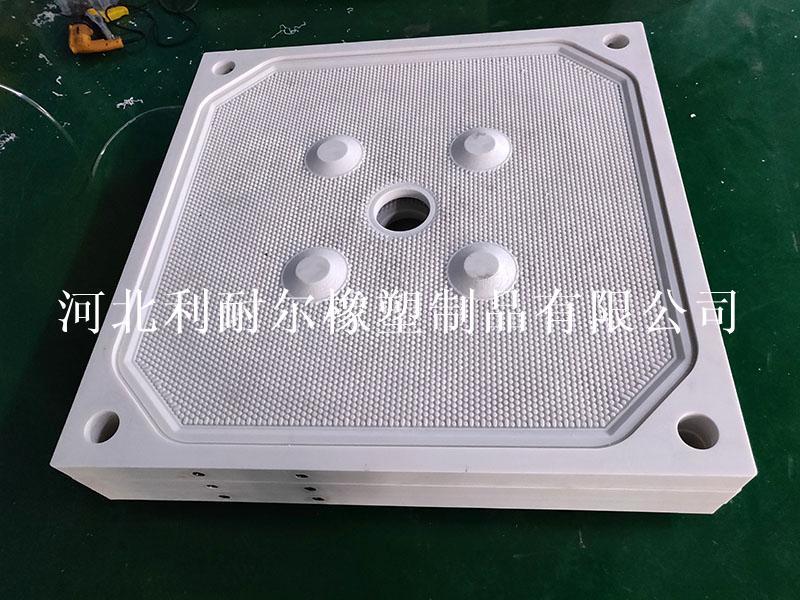
A diaphragm plate is a key component found in filtration systems, often used in conjunction with other equipment to facilitate the separation of solids from liquids. These plates are designed to withstand high pressure and provide a reliable barrier that allows for efficient filtration without compromising the integrity of the material being processed.
The **1200 diaphragm plate**, in particular, is widely regarded for its robustness and versatility, making it suitable for a variety of industrial applications. Understanding how these plates work and their components is crucial for selecting the right one for your needs.
How Diaphragm Plates Work
Diaphragm plates operate on the principle of pressure differential. When fluid is pushed through the filter medium, the diaphragm plate flexes to create an efficient barrier that retains solid particles while allowing clean liquid to pass through. The design and material of the diaphragm plate greatly influence its performance, particularly in terms of **flow rate**, **filtering efficiency**, and **durability**.
Key Criteria for Selecting a 1200 Diaphragm Plate
Choosing the right 1200 diaphragm plate involves evaluating several crucial criteria. Here are the primary factors to consider:
1. Application Specificity
Different industrial processes require different specifications. Consider the specific application and the type of material being filtered. For example, the filtration of corrosive chemicals will require a diaphragm plate made from resistant materials.
2. Pressure and Temperature Ratings
Each diaphragm plate is designed for specific pressure and temperature ranges. Ensure that the plate you choose can withstand the operational conditions of your system.
3. Filtration Efficiency
Evaluate the filtration efficiency required for your process. A higher efficiency diaphragm plate may come at a premium but can significantly enhance product quality.
4. Compatibility with Existing Equipment
Ensure that the diaphragm plate is compatible with the existing systems in your facility. Consider the dimensions, connection types, and assembly requirements.
Material Considerations for Diaphragm Plates
The material of the diaphragm plate is pivotal in determining its performance and suitability for various applications. Common materials include:
1. Polypropylene
This lightweight, cost-effective material is suitable for low-pressure applications and is resistant to many chemicals.
2. Stainless Steel
Stainless steel diaphragm plates are highly durable and resistant to corrosion, making them ideal for harsh environments.
3. PTFE (Teflon)
PTFE diaphragm plates offer excellent chemical resistance and are perfect for applications involving aggressive solvents and acids.
Understanding Size and Dimensions of 1200 Diaphragm Plates
The size of the diaphragm plate is critical for ensuring a proper fit and optimal performance in your filtration system. Here are the dimensions to consider:
1. Diameter
The diameter of the diaphragm plate should match the existing system specifications to prevent leaks and inefficiencies.
2. Thickness
Thicker plates may offer enhanced durability but can also affect flow rates. Choose a thickness that balances strength with the required flow characteristics.
Performance Requirements for Your Diaphragm Plate
Setting performance expectations is crucial to ensure that the diaphragm plate meets your operational needs. Here are some performance metrics to consider:
1. Flow Rate
Determine the required flow rate for your application, as this will dictate the design and configuration of the diaphragm plate.
2. Filter Cake Discharge
Evaluate the efficiency of the plate in discharging the filter cake, as this impacts the overall operational downtime and productivity.
3. Resistance to Wear and Tear
Assess the wear and tear caused by the materials being filtered to ensure the diaphragm plate can withstand prolonged use without degradation.
Maintenance, Durability, and Lifespan of Diaphragm Plates
Understanding maintenance requirements and the expected lifespan of diaphragm plates is essential for operational planning.
1. Regular Inspections
Routine inspections can help detect wear and tear early, preventing costly downtime.
2. Cleaning Procedures
Implementing effective cleaning procedures can enhance the lifespan of your diaphragm plates, ensuring they operate at maximum efficiency.
3. Replacement Timelines
Establish a replacement timeline based on the wear characteristics of the diaphragm plate and the operational conditions it faces.
Common Applications of 1200 Diaphragm Plates in Industry
1200 diaphragm plates are utilized in various industries for a multitude of applications including:
1. Wastewater Treatment
In wastewater treatment facilities, diaphragm plates are essential for separating solids from liquids, contributing to cleaner effluent.
2. Food and Beverage Processing
The food and beverage industry relies on diaphragm plates for filtering processes that require high hygiene standards.
3. Chemical Processing
In the chemical sector, diaphragm plates are used in filtration systems where corrosive materials are involved, necessitating robust materials.
Frequently Asked Questions
1. What is a diaphragm plate?
A diaphragm plate is a component in filtration systems that separates solids from liquids through pressure differential.
2. How do I know if a 1200 diaphragm plate is suitable for my application?
Evaluate the operational pressure, temperature, material compatibility, and specific filtration requirements of your application.
3. What materials are best for diaphragm plates?
Common materials include polypropylene, stainless steel, and PTFE, each offering different properties for various applications.
4. How do I maintain a diaphragm plate?
Regular inspections, proper cleaning, and timely replacements are key to maintaining diaphragm plates.
5. What are the common issues with diaphragm plates?
Common issues include wear and tear, leaks due to improper fit, and blockage from filter cake buildup.
Conclusion: Making the Right Choice
Choosing the right **1200 diaphragm plate** for your industrial needs involves careful consideration of various factors, including material, size, application, and performance requirements. By understanding these elements, you can make an informed decision that enhances the efficiency and effectiveness of your filtration processes. With the right diaphragm plate in place, you can ensure optimal operational performance and contribute to the overall productivity of your industrial facility.
Related News