
-
AboutHebei Linaier Rubber Products Co., Ltd. is located in Duqiao Industrial Zone, Jingxian City, Hebei Province, adjacent to Dezhou, Shandong. Founded in early 2001 with a registered capital of 35 million yuan, it is a scientific

-
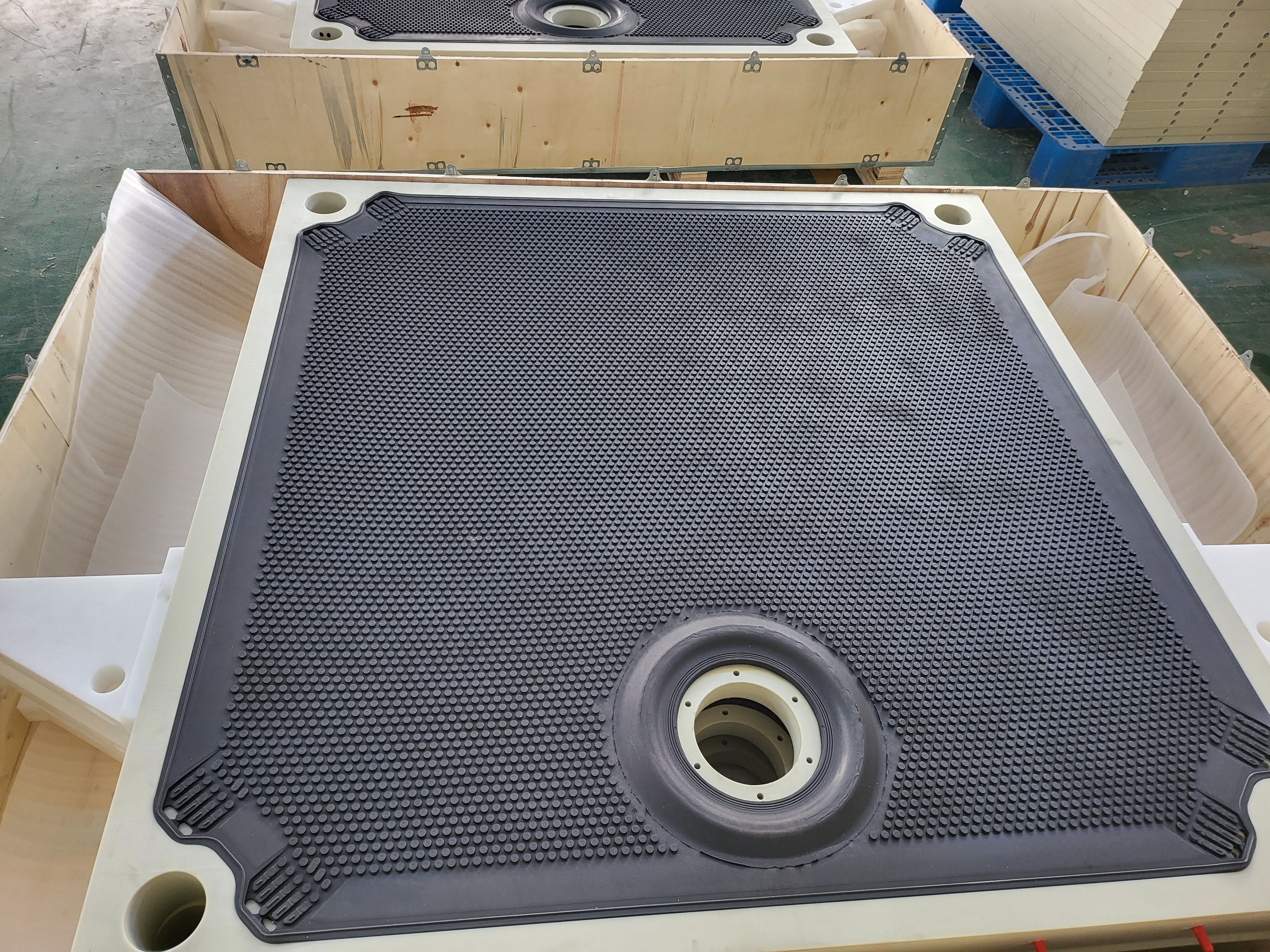
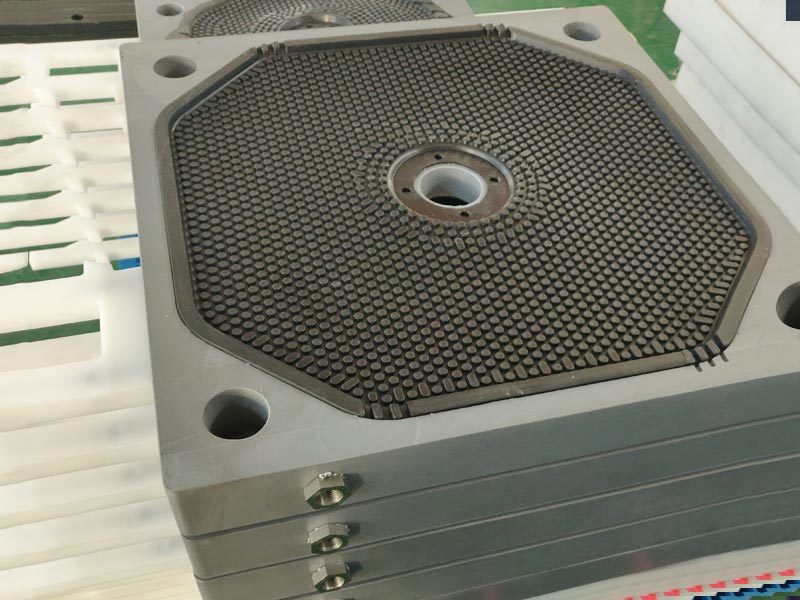
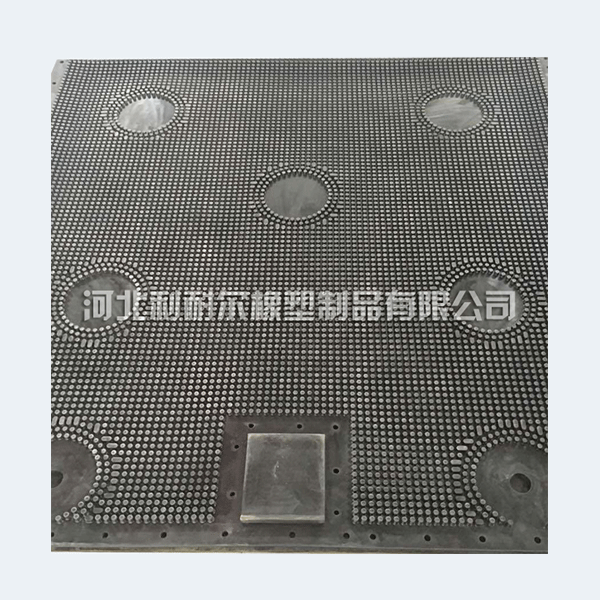
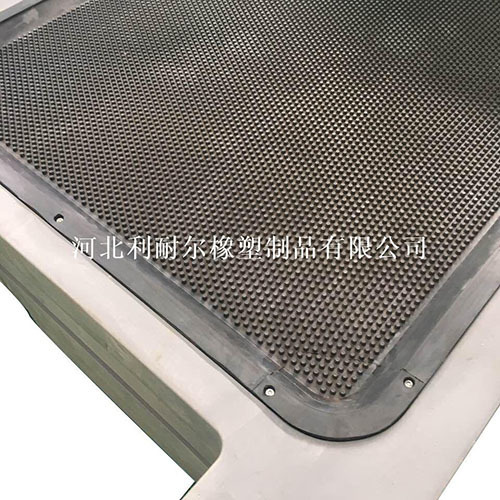
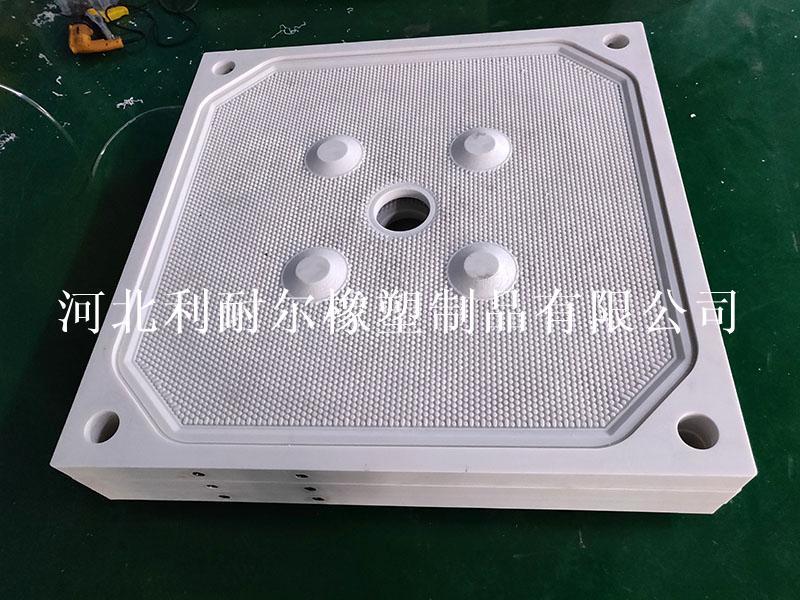
ProductMain products: vertical and horizontal imported and domestic filter plates, diaphragm plates, diaphragms and accessories; pinch valve sleeves and pinch valves and various mining accessories.
-
NewsIn 2013, our company's high-pressure cylinder with phenolic cloth support and guide ring obtained the national key new product certificate, project number: 2013GRA20011; its products in coal cylinders and engineering hydrauli
-
ServiceWe will actively cooperate with more enthusiasm, strengthen internal management, expand the market externally, improve various performance indicators of existing products, and truly achieve our win-win situation!
-
RecruitmentOur company always adheres to the talent concept of "people-oriented", provides a growth platform for talents, and realizes the common growth and development of enterprises and talents.


language
English
العربية
বাংলাদেশ
Български
Hrvatski
Česky
Dansk
Nederland
 Esperanto
Slovenski
Filipino
Suomi
Français
Maori
 Shqiptare
Georgian
 Euskara
Deutsch
Ελλάδα
ישראל
इंडिया
Magyarország
Ísland
Indonesia
Irlanda
Italia
日本語
Sovensko
Հայաստան
한국
Kyrgyz
ປະເທດລາວ
 Zulu
Zulu
Latvian
Lithuanian
Luxembourgish
 Latinus
Macedonian
Малайская
Maltese
Монгол улс
 Cymraeg
ဗမာ
 தமிழ்
தமிழ்
नेपाल
Norge
ایران
Polska
Portugal
România
Российская
Србија
 Slovak
Србија
 Slovak
Bosanski
Slovenian
Беларус
España
Sverige
Точик
ประเทศไทย
Türk
Azərbaycan
Uzbek
 Afrikaans
Việt Nam

Understanding Scraper Technology in the Rubber Industry
Release time:
2025-07-01
In the rubber and its products sector, particularly in the realm of unconventional rubber products, the term "scraper" refers to specialized equipment designed to optimize the manufacturing process. This technology plays a crucial role in ensuring product quality and enhancing operational efficiency. Scrapers are mechanical devices used to remove or manage materials during various stages of produc
In the rubber and its products sector, particularly in the realm of unconventional rubber products, the term "scraper" refers to specialized equipment designed to optimize the manufacturing process. This technology plays a crucial role in ensuring product quality and enhancing operational efficiency.
Scrapers are mechanical devices used to remove or manage materials during various stages of production. In the context of rubber manufacturing, these devices are particularly useful for handling viscous compounds that require precise processing. One of the primary functions of scrapers is to maintain consistent material flow within mixing or molding equipment. This consistency is vital to achieving uniformity in the final product, which is essential in applications ranging from automotive components to industrial seals.
The use of scrapers can significantly reduce material waste, a crucial aspect in the chemical industry where raw material costs can be substantial. By effectively managing the flow of raw materials and minimizing residues left in the machinery, scrapers contribute to a more sustainable manufacturing process. This not only helps in cost reduction but also aligns with the increasing demand for eco-friendly production practices in the rubber industry.
Moreover, the integration of scraper technology can lead to improvements in production speed. Traditional methods often involve manual intervention to clear out excess materials or facilitate smoother operation. By automating these processes, manufacturers can enhance their throughput, ensuring that production lines operate at optimal capacity. This is particularly advantageous in high-demand environments where time efficiency is essential.
In addition to operational benefits, the adoption of advanced scraper technology can also influence product quality. Consistent mixing and molding processes lead to better physical properties in rubber products, such as elasticity, durability, and resistance to wear. Manufacturers who invest in high-quality scrapers can, therefore, expect to see improvements not just in the efficiency of their processes but also in the performance characteristics of their products.
Finally, the continuous advancements in scraper technology, including the development of smart scrapers equipped with sensors and monitoring systems, promise to further enhance manufacturing capabilities. These innovations allow for real-time adjustments and better control over the production environment, resulting in even higher quality standards.
In conclusion, understanding the role of scrapers in the rubber and chemical industry is vital for professionals aiming to optimize their operations. By leveraging scraper technology, manufacturers can improve efficiency, reduce waste, and enhance product quality, all of which are critical in today's competitive market landscape.
Scrapers are mechanical devices used to remove or manage materials during various stages of production. In the context of rubber manufacturing, these devices are particularly useful for handling viscous compounds that require precise processing. One of the primary functions of scrapers is to maintain consistent material flow within mixing or molding equipment. This consistency is vital to achieving uniformity in the final product, which is essential in applications ranging from automotive components to industrial seals.
The use of scrapers can significantly reduce material waste, a crucial aspect in the chemical industry where raw material costs can be substantial. By effectively managing the flow of raw materials and minimizing residues left in the machinery, scrapers contribute to a more sustainable manufacturing process. This not only helps in cost reduction but also aligns with the increasing demand for eco-friendly production practices in the rubber industry.
Moreover, the integration of scraper technology can lead to improvements in production speed. Traditional methods often involve manual intervention to clear out excess materials or facilitate smoother operation. By automating these processes, manufacturers can enhance their throughput, ensuring that production lines operate at optimal capacity. This is particularly advantageous in high-demand environments where time efficiency is essential.
In addition to operational benefits, the adoption of advanced scraper technology can also influence product quality. Consistent mixing and molding processes lead to better physical properties in rubber products, such as elasticity, durability, and resistance to wear. Manufacturers who invest in high-quality scrapers can, therefore, expect to see improvements not just in the efficiency of their processes but also in the performance characteristics of their products.
Finally, the continuous advancements in scraper technology, including the development of smart scrapers equipped with sensors and monitoring systems, promise to further enhance manufacturing capabilities. These innovations allow for real-time adjustments and better control over the production environment, resulting in even higher quality standards.
In conclusion, understanding the role of scrapers in the rubber and chemical industry is vital for professionals aiming to optimize their operations. By leveraging scraper technology, manufacturers can improve efficiency, reduce waste, and enhance product quality, all of which are critical in today's competitive market landscape.
Related News