
-
AboutHebei Linaier Rubber Products Co., Ltd. is located in Duqiao Industrial Zone, Jingxian City, Hebei Province, adjacent to Dezhou, Shandong. Founded in early 2001 with a registered capital of 35 million yuan, it is a scientific

-
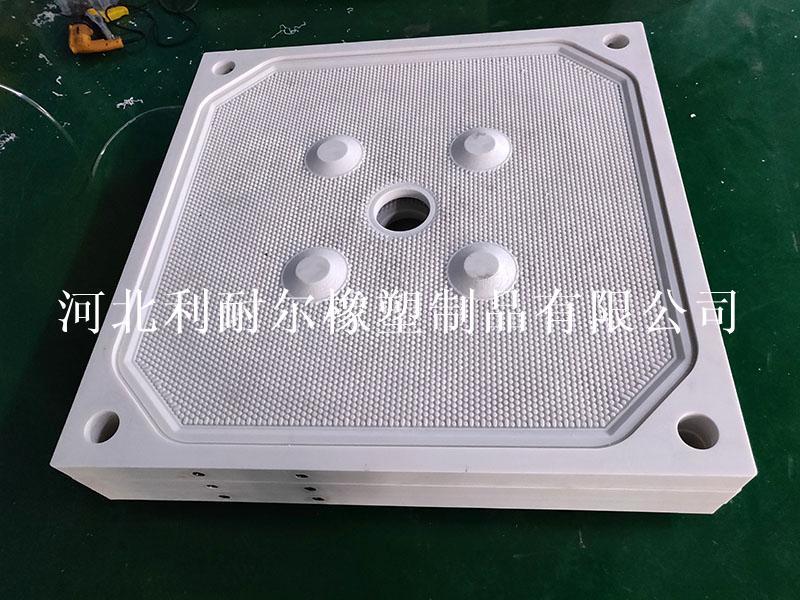
ProductMain products: vertical and horizontal imported and domestic filter plates, diaphragm plates, diaphragms and accessories; pinch valve sleeves and pinch valves and various mining accessories.
-
NewsIn 2013, our company's high-pressure cylinder with phenolic cloth support and guide ring obtained the national key new product certificate, project number: 2013GRA20011; its products in coal cylinders and engineering hydrauli
-
ServiceWe will actively cooperate with more enthusiasm, strengthen internal management, expand the market externally, improve various performance indicators of existing products, and truly achieve our win-win situation!
-
RecruitmentOur company always adheres to the talent concept of "people-oriented", provides a growth platform for talents, and realizes the common growth and development of enterprises and talents.


 Esperanto
 Shqiptare
 Euskara
 Zulu
Zulu
 Latinus
 Cymraeg
 தமிழ்
தமிழ்
 Slovak
 Slovak
 Afrikaans

Understanding the Different Types of O-Ring Materials for Sealing Components
Release time:
2025-06-28
Understanding the Different Types of O-Ring Materials for Sealing Components When it comes to industrial applications, the selection of appropriate sealing materials plays a critical role in the reliability and efficiency of machinery. Among these materials, **O-rings** stand out due to their versatility and effectiveness in preventing leaks. This article will explore the various types of O-ring m
Understanding the Different Types of O-Ring Materials for Sealing Components
When it comes to industrial applications, the selection of appropriate sealing materials plays a critical role in the reliability and efficiency of machinery. Among these materials, **O-rings** stand out due to their versatility and effectiveness in preventing leaks. This article will explore the various types of O-ring materials, their specific properties, and their applications in sealing components.
Table of Contents
- What is an O-Ring?
- Importance of O-Rings in Industrial Applications
- Common O-Ring Materials
- Nitrile Butadiene Rubber (NBR)
- Fluoroelastomer (FKM)
- Silicone
- Polyurethane
- Ethylene Propylene Diene Monomer (EPDM)
- Application-Specific O-Ring Materials
- Choosing the Right O-Ring Material
- Maintenance and Replacement of O-Rings
- Frequently Asked Questions (FAQs)
What is an O-Ring?
An **O-ring** is a circular sealing device made from elastomeric materials, designed to fit into a groove and create a seal between two parts. They are crucial in preventing the passage of fluids or gases, thus ensuring the integrity of various systems, including hydraulic and pneumatic applications. O-rings are favored for their simplicity, low cost, and ease of installation, making them essential components in numerous industries.
Importance of O-Rings in Industrial Applications
O-rings are critical in many industrial applications due to their ability to maintain a tight seal under varying pressures and temperatures. Their roles include:
- Leak Prevention: O-rings effectively prevent leaks in hydraulic and pneumatic systems, reducing the risk of equipment failure.
- Temperature Resistance: Certain O-ring materials can withstand extreme temperatures, enhancing their usability in diverse environments.
- Cost Efficiency: O-rings are relatively inexpensive to manufacture and replace, making them a cost-effective sealing solution.
- Versatility: They are available in various sizes, materials, and designs, providing flexibility for different applications.
Common O-Ring Materials
Choosing the right O-ring material is essential for ensuring optimal performance in sealing applications. Here, we will discuss some of the most common materials used for manufacturing O-rings.
Nitrile Butadiene Rubber (NBR)
Nitrile Butadiene Rubber (NBR), also known as nitrile rubber, is one of the most widely used O-ring materials. It provides excellent resistance to oils, fuels, and other petroleum-based fluids, making it suitable for automotive and aerospace applications. NBR is also known for its durability and ability to withstand moderate temperatures, typically ranging from -40°C to +100°C.
Advantages of NBR O-Rings
- Good resistance to oil and fuel.
- Excellent compression set resistance.
- Cost-effective and readily available.
Fluoroelastomer (FKM)
Fluoroelastomer (FKM), commonly known by brand names like Viton, is known for its exceptional resistance to high temperatures and aggressive chemicals. It can withstand temperatures up to 200°C and is ideal for applications involving harsh solvents, acids, and fuels. FKM O-rings are widely used in the chemical processing and automotive industries due to their superior sealing capabilities.
Advantages of FKM O-Rings
- Outstanding chemical resistance.
- High-temperature stability.
- Long service life even under extreme conditions.
Silicone
Silicone O-rings offer excellent flexibility and are capable of maintaining their properties over a wide temperature range, typically from -60°C to +230°C. They are particularly suited for applications requiring high-temperature resistance, such as in food processing equipment and medical devices. Silicone O-rings are non-toxic and resistant to aging, making them a safe choice for various applications.
Advantages of Silicone O-Rings
- Excellent temperature range.
- Non-toxic and food-safe options available.
- Good resistance to ozone and UV exposure.
Polyurethane
Polyurethane O-rings are known for their exceptional abrasion resistance and mechanical strength. They perform well in dynamic sealing applications, such as in hydraulic cylinders and pumps. Polyurethane can handle a wide range of temperatures and is compatible with various fluids, including oils and fuels. However, they have limitations in terms of chemical resistance and may not be suitable for use with certain solvents.
Advantages of Polyurethane O-Rings
- High abrasion resistance.
- Good performance in dynamic applications.
- Excellent tensile strength.
Ethylene Propylene Diene Monomer (EPDM)
EPDM is a synthetic rubber known for its outstanding weather, ozone, and UV resistance. It performs well in outdoor applications and is commonly used in automotive seals and roofing membranes. EPDM O-rings can handle temperatures between -50°C to +150°C and are resistant to steam and hot water, making them ideal for plumbing and heating applications.
Advantages of EPDM O-Rings
- Excellent weather and ozone resistance.
- Good steam and hot water compatibility.
- Affordable and easy to source.
Application-Specific O-Ring Materials
Beyond the common O-ring materials, specific applications may require specialized materials for optimal performance. Some applications may involve exposure to extreme conditions or chemicals, necessitating the use of custom blends or high-performance elastomers. For example, O-rings made from **PTFE** (Polytetrafluoroethylene) are often used in applications requiring low friction and high chemical resistance.
Choosing the Right O-Ring Material
Understanding the requirements of your application is crucial in selecting the right O-ring material. Consider the following factors when making your choice:
- Temperature Range: Determine the operating temperature of your application to select a material that can handle the extremes.
- Chemical Compatibility: Evaluate the chemicals the O-ring will come into contact with to ensure compatibility.
- Pressure Conditions: Assess the pressure levels the O-ring needs to withstand, as this affects material selection.
- Dynamic vs. Static Sealing: Different materials perform better in dynamic applications (like moving parts) compared to static ones.
Maintenance and Replacement of O-Rings
To ensure long-lasting performance from your O-rings, regular maintenance and timely replacement are essential. Keep the following tips in mind:
- Regularly inspect O-rings for wear, cracking, or deformation.
- Replace O-rings that show signs of degradation or are past their service life.
- When replacing, ensure that the new O-ring is made of the correct material for the application.
- Proper installation is vital; always ensure the groove is clean and free of debris.
Frequently Asked Questions (FAQs)
1. What factors influence the selection of O-ring materials?
The selection of O-ring materials is influenced by factors such as temperature range, chemical compatibility, pressure conditions, and whether the application is dynamic or static.
2. Can O-rings be used in high-temperature applications?
Yes, certain O-ring materials like FKM and silicone are well-suited for high-temperature applications, while others may not perform optimally in such environments.
3. How do I know if my O-ring needs to be replaced?
Inspect O-rings for signs of wear, such as cracks, brittleness, or deformation. If any of these signs are present, it may be time for a replacement.
4. Are there O-rings that are safe for food processing applications?
Yes, silicone O-rings are often used in food processing applications due to their non-toxic properties and resistance to temperature extremes.
5. What is the difference between dynamic and static O-ring applications?
Dynamic applications involve moving parts, requiring O-rings to withstand friction and wear, while static applications have stationary components where sealing is primarily required.
Conclusion
Understanding the various types of O-ring materials is essential for selecting the right sealing components for your industrial applications. Each material comes with its unique set of characteristics, advantages, and ideal use cases. By carefully evaluating your specific needs—such as temperature, chemical exposure, and pressure—you can make informed decisions that enhance the performance and longevity of your machinery. Whether you choose NBR for its oil resistance or FKM for its chemical stability, the right O-ring can significantly impact your system's reliability and efficiency.
Related News