
-
AboutHebei Linaier Rubber Products Co., Ltd. is located in Duqiao Industrial Zone, Jingxian City, Hebei Province, adjacent to Dezhou, Shandong. Founded in early 2001 with a registered capital of 35 million yuan, it is a scientific

-
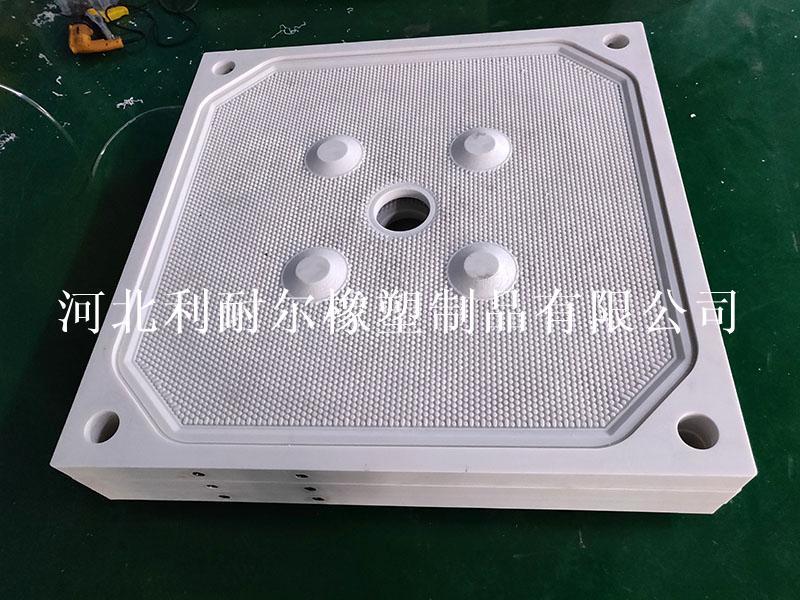
ProductMain products: vertical and horizontal imported and domestic filter plates, diaphragm plates, diaphragms and accessories; pinch valve sleeves and pinch valves and various mining accessories.
-
NewsIn 2013, our company's high-pressure cylinder with phenolic cloth support and guide ring obtained the national key new product certificate, project number: 2013GRA20011; its products in coal cylinders and engineering hydrauli
-
ServiceWe will actively cooperate with more enthusiasm, strengthen internal management, expand the market externally, improve various performance indicators of existing products, and truly achieve our win-win situation!
-
RecruitmentOur company always adheres to the talent concept of "people-oriented", provides a growth platform for talents, and realizes the common growth and development of enterprises and talents.


language
English
العربية
বাংলাদেশ
Български
Hrvatski
Česky
Dansk
Nederland
 Esperanto
Slovenski
Filipino
Suomi
Français
Maori
 Shqiptare
Georgian
 Euskara
Deutsch
Ελλάδα
ישראל
इंडिया
Magyarország
Ísland
Indonesia
Irlanda
Italia
日本語
Sovensko
Հայաստան
한국
Kyrgyz
ປະເທດລາວ
 Zulu
Zulu
Latvian
Lithuanian
Luxembourgish
 Latinus
Macedonian
Малайская
Maltese
Монгол улс
 Cymraeg
ဗမာ
 தமிழ்
தமிழ்
नेपाल
Norge
ایران
Polska
Portugal
România
Российская
Србија
 Slovak
Србија
 Slovak
Bosanski
Slovenian
Беларус
España
Sverige
Точик
ประเทศไทย
Türk
Azərbaycan
Uzbek
 Afrikaans
Việt Nam

Understanding the Functionality and Benefits of Pinch Valves in Industrial Applications
Release time:
2025-06-25
Pinch valves are specialized devices used to regulate the flow of fluids, particularly in industrial applications. They are known for their simple yet effective design, which allows for the smooth control of the flow and pressure of various substances. The core mechanism of a pinch valve involves a flexible tube or sleeve that can be pinched closed or opened, thus controlling the flow of the mediu
Pinch valves are specialized devices used to regulate the flow of fluids, particularly in industrial applications. They are known for their simple yet effective design, which allows for the smooth control of the flow and pressure of various substances. The core mechanism of a pinch valve involves a flexible tube or sleeve that can be pinched closed or opened, thus controlling the flow of the medium within.
One of the primary advantages of pinch valves is their ability to handle a wide range of materials, including corrosive liquids, slurries, and even dry bulk materials. This versatility makes them suitable for various industries, including wastewater treatment, food processing, and chemical manufacturing. The construction of pinch valves often includes materials that resist wear and corrosion, ensuring a longer lifespan and reliable operation under challenging conditions.
Another significant benefit of pinch valves is their low maintenance requirements. Unlike traditional valves that might have multiple moving parts, pinch valves have few components, which reduces the chances of mechanical failure. Regular inspections and occasional replacements of the flexible sleeve are usually sufficient to keep these valves functioning optimally. This ease of maintenance not only saves time but also reduces operational costs, making pinch valves a cost-effective solution in the long run.
Furthermore, pinch valves offer excellent flow control capabilities. The design allows for a full closure of the flow path without any leakage, providing precise control over the fluid dynamics. This feature is particularly crucial in applications where flow consistency and accuracy are paramount, such as in dosing or batching processes.
In terms of installation, pinch valves are also quite user-friendly. They can be easily integrated into existing piping systems, and their lightweight construction facilitates straightforward handling. Their adaptability means they can often be retrofitted into systems without requiring extensive modifications, which is an added advantage for facilities looking to upgrade their equipment without significant downtime.
In summary, pinch valves are an essential component in many industrial settings due to their versatility, low maintenance needs, and effective flow control capabilities. Their ability to handle various materials while providing reliable performance under different conditions makes them an attractive choice for many applications. Understanding the functionality and benefits of pinch valves can help industries make informed decisions when selecting equipment for their operational needs. Whether you are managing corrosive substances or slurries, pinch valves offer a robust solution to your flow control challenges.
One of the primary advantages of pinch valves is their ability to handle a wide range of materials, including corrosive liquids, slurries, and even dry bulk materials. This versatility makes them suitable for various industries, including wastewater treatment, food processing, and chemical manufacturing. The construction of pinch valves often includes materials that resist wear and corrosion, ensuring a longer lifespan and reliable operation under challenging conditions.
Another significant benefit of pinch valves is their low maintenance requirements. Unlike traditional valves that might have multiple moving parts, pinch valves have few components, which reduces the chances of mechanical failure. Regular inspections and occasional replacements of the flexible sleeve are usually sufficient to keep these valves functioning optimally. This ease of maintenance not only saves time but also reduces operational costs, making pinch valves a cost-effective solution in the long run.
Furthermore, pinch valves offer excellent flow control capabilities. The design allows for a full closure of the flow path without any leakage, providing precise control over the fluid dynamics. This feature is particularly crucial in applications where flow consistency and accuracy are paramount, such as in dosing or batching processes.
In terms of installation, pinch valves are also quite user-friendly. They can be easily integrated into existing piping systems, and their lightweight construction facilitates straightforward handling. Their adaptability means they can often be retrofitted into systems without requiring extensive modifications, which is an added advantage for facilities looking to upgrade their equipment without significant downtime.
In summary, pinch valves are an essential component in many industrial settings due to their versatility, low maintenance needs, and effective flow control capabilities. Their ability to handle various materials while providing reliable performance under different conditions makes them an attractive choice for many applications. Understanding the functionality and benefits of pinch valves can help industries make informed decisions when selecting equipment for their operational needs. Whether you are managing corrosive substances or slurries, pinch valves offer a robust solution to your flow control challenges.
Related News