
-
AboutHebei Linaier Rubber Products Co., Ltd. is located in Duqiao Industrial Zone, Jingxian City, Hebei Province, adjacent to Dezhou, Shandong. Founded in early 2001 with a registered capital of 35 million yuan, it is a scientific

-
ProductMain products: vertical and horizontal imported and domestic filter plates, diaphragm plates, diaphragms and accessories; pinch valve sleeves and pinch valves and various mining accessories.
-
NewsIn 2013, our company's high-pressure cylinder with phenolic cloth support and guide ring obtained the national key new product certificate, project number: 2013GRA20011; its products in coal cylinders and engineering hydrauli
-
ServiceWe will actively cooperate with more enthusiasm, strengthen internal management, expand the market externally, improve various performance indicators of existing products, and truly achieve our win-win situation!
-
RecruitmentOur company always adheres to the talent concept of "people-oriented", provides a growth platform for talents, and realizes the common growth and development of enterprises and talents.


language
English
العربية
বাংলাদেশ
Български
Hrvatski
Česky
Dansk
Nederland
 Esperanto
Slovenski
Filipino
Suomi
Français
Maori
 Shqiptare
Georgian
 Euskara
Deutsch
Ελλάδα
ישראל
इंडिया
Magyarország
Ísland
Indonesia
Irlanda
Italia
日本語
Sovensko
Հայաստան
한국
Kyrgyz
ປະເທດລາວ
 Zulu
Zulu
Latvian
Lithuanian
Luxembourgish
 Latinus
Macedonian
Малайская
Maltese
Монгол улс
 Cymraeg
ဗမာ
 தமிழ்
தமிழ்
नेपाल
Norge
ایران
Polska
Portugal
România
Российская
Србија
 Slovak
Србија
 Slovak
Bosanski
Slovenian
Беларус
España
Sverige
Точик
ประเทศไทย
Türk
Azərbaycan
Uzbek
 Afrikaans
Việt Nam

Understanding the Role of 880 Filter Plates in Modern Industrial Applications
Release time:
2025-06-23
Understanding the Role of 880 Filter Plates in Modern Industrial Applications Table of Contents Introduction to 880 Filter Plates Construction and Design of 880 Filter Plates How 880 Filter Plates Function in Filtration Systems Applications of 880 Filter Plates Across Industries Advantages of Using 880 Filter Plates Maintenance Best Practices for 880 Filter Plates Case Studies: Succ
Understanding the Role of 880 Filter Plates in Modern Industrial Applications
Table of Contents
- Introduction to 880 Filter Plates
- Construction and Design of 880 Filter Plates
- How 880 Filter Plates Function in Filtration Systems
- Applications of 880 Filter Plates Across Industries
- Advantages of Using 880 Filter Plates
- Maintenance Best Practices for 880 Filter Plates
- Case Studies: Successful Implementation of 880 Filter Plates
- Future Trends in Filtration Technology
- Conclusion
- FAQs
Introduction to 880 Filter Plates
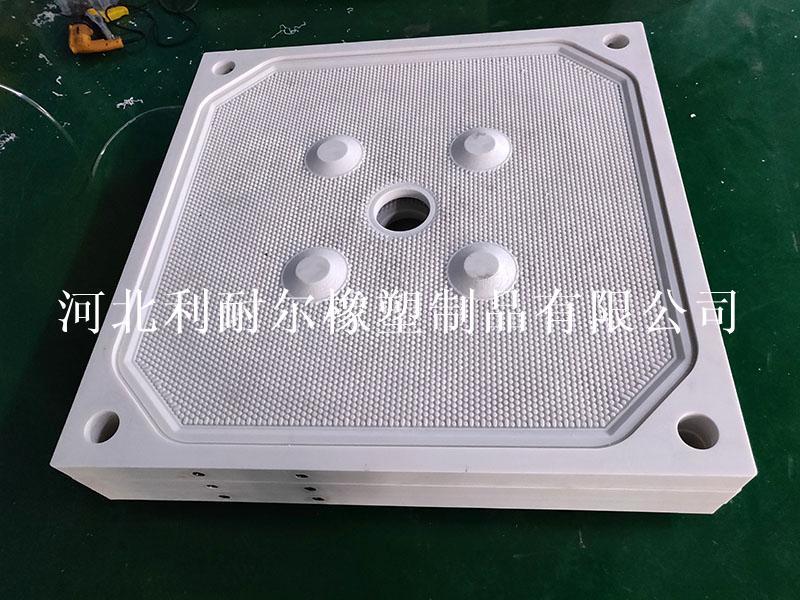
In the landscape of modern industrial applications, filtration systems play a pivotal role in ensuring the purity and quality of various materials. Among the essential components of these systems are **880 filter plates**. These plates are engineered to enhance the efficiency of industrial processes, from food and beverage production to chemical processing and wastewater treatment. By understanding the role of 880 filter plates, industries can optimize their operations, increase productivity, and maintain high standards of quality.
Construction and Design of 880 Filter Plates
The construction of 880 filter plates is a sophisticated process that combines various materials and technologies.
Materials Used in 880 Filter Plates
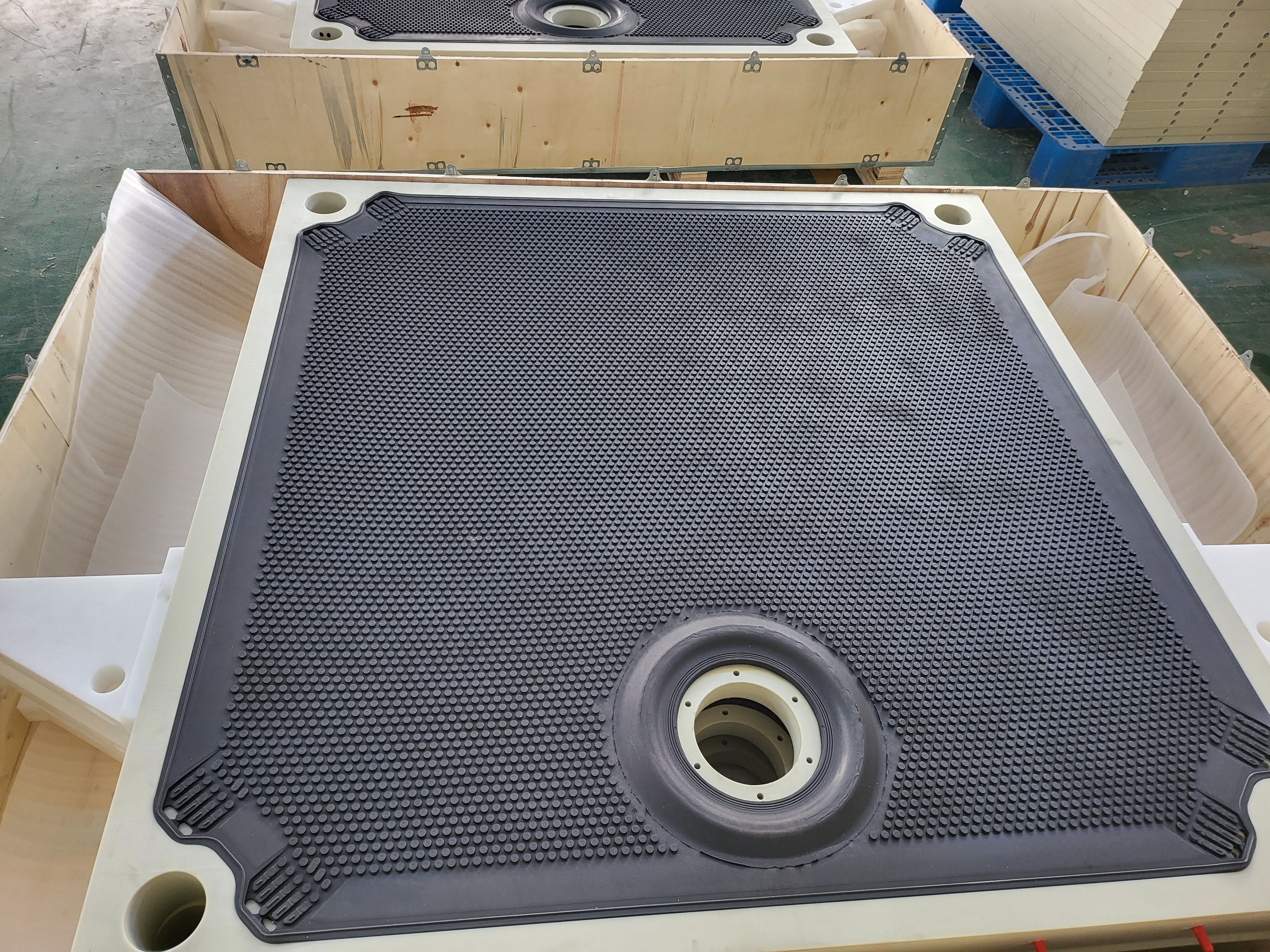
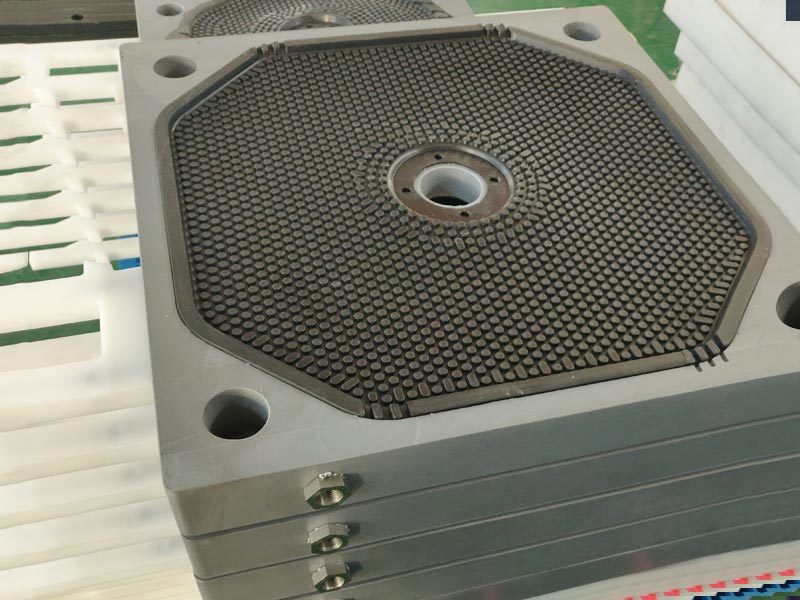
Typically, these plates are made from high-grade polymers or metals, selected for their durability and resistance to corrosion. This ensures long-lasting performance under extreme conditions. The choice of material directly influences the filtration capacity, strength, and operational lifespan.
Design Features
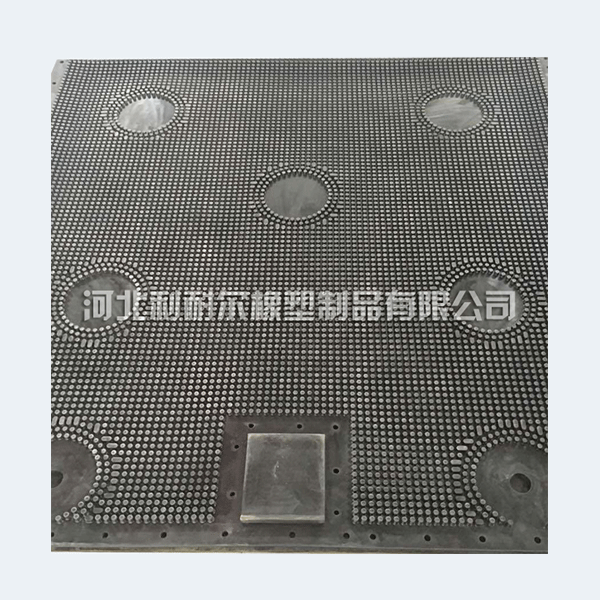
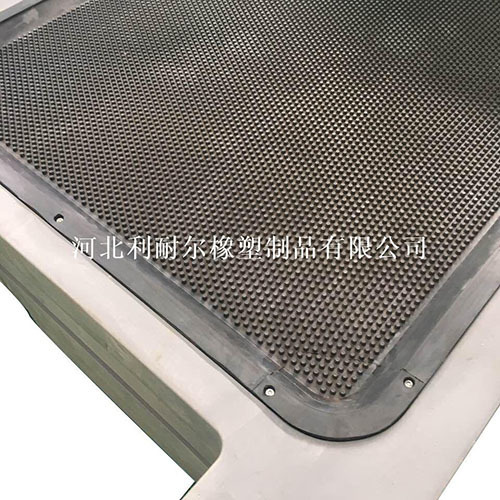
880 filter plates often feature a **slotted or perforated design**, which allows for efficient liquid flow while effectively capturing solids. The design ensures a large surface area, enhancing the filtration efficiency. Additionally, some plates may include **integrated sealing technologies** that prevent leakage and ensure optimal performance.
How 880 Filter Plates Function in Filtration Systems
The functionality of 880 filter plates is centered around their ability to separate solids from liquids efficiently.
Filtration Process Explained
When a fluid enters the filtration system, it is directed through the 880 filter plates. As the fluid passes through the plate's perforations, solid particles are trapped while the clean liquid continues through. This process can vary in complexity, depending on the specific industrial application and the type of contaminants present.
Influence on Filtration Efficiency
The design and construction of 880 filter plates greatly influence the overall filtration efficiency. Factors such as plate thickness, pore size, and surface texture all contribute to the effectiveness of the filtration process. By optimizing these factors, industries can achieve superior results in their filtration efforts.
Applications of 880 Filter Plates Across Industries
880 filter plates are used in a wide array of industrial applications, highlighting their versatility and effectiveness.
Food and Beverage Industry
In the food and beverage sector, 880 filter plates are crucial for ensuring product purity and compliance with safety regulations. They are used to filter out impurities from liquids, preventing contamination and enhancing product quality.
Chemical Processing
In chemical manufacturing, these filter plates are essential for separating solids from liquid chemicals. This process helps maintain the integrity of chemical products and reduces downtime caused by contamination.
Wastewater Treatment
In environmental applications, 880 filter plates are used extensively in wastewater treatment plants. They help separate hazardous solids from liquid waste, ensuring that the effluent released into the environment meets regulatory standards.
Pharmaceuticals
In the pharmaceutical industry, the purity of compounds is paramount. 880 filter plates aid in the purification processes, ensuring that products are free from unwanted particulates and contaminants.
Advantages of Using 880 Filter Plates
Investing in 880 filter plates comes with several significant advantages, making them a preferred choice across various industries.
Enhanced Filtration Efficiency
The primary advantage of 880 filter plates is their **enhanced filtration efficiency**. Their design allows for the capture of smaller particles, resulting in cleaner output and better product quality.
Cost-Effectiveness
These filter plates are designed for durability, reducing the need for frequent replacements. This longevity translates into cost savings over time, making them a smart investment for businesses.
Ease of Maintenance
Maintaining 880 filter plates is straightforward. Regular cleaning and inspection can extend the lifespan and performance of the plates, ensuring consistent operation.
Customization Options
Manufacturers often offer customization options, allowing businesses to tailor the dimensions and materials of the filter plates to meet specific operational requirements.
Maintenance Best Practices for 880 Filter Plates
Proper maintenance of 880 filter plates is crucial for ensuring their longevity and performance in filtration systems.
Regular Cleaning Protocols
Implementing a regular cleaning schedule is essential. Depending on the application, cleaning frequencies may vary. Regular cleaning helps prevent clogging and maintains optimal flow rates.
Inspection and Replacement
Periodic inspections should be conducted to identify wear and potential damage. Keeping an eye on the integrity of the filter plates ensures that any necessary replacements are made before issues arise.
Case Studies: Successful Implementation of 880 Filter Plates
Several industries have successfully implemented 880 filter plates, yielding remarkable results.
Case Study 1: Food Processing Plant
A food processing plant reported a 30% increase in production efficiency after replacing their traditional filters with 880 filter plates. The enhanced filtration allowed for quicker processing times and reduced product waste.
Case Study 2: Wastewater Treatment Facility
A municipal wastewater treatment facility implemented 880 filter plates to improve solids separation. This change resulted in a 25% reduction in operational costs and improved effluent quality, meeting regulatory standards more effectively.
Future Trends in Filtration Technology
As industries continue to evolve, so do filtration technologies.
Advancements in Materials
The future of 880 filter plates will likely see advancements in materials that enhance durability and filtration efficacy. Innovative polymers and composites may offer superior performance under extreme conditions.
Automation and Smart Filtration Systems
The integration of smart technology into filtration systems is on the rise. Automated monitoring and control systems can help optimize filtration processes and reduce human error.
Increased Focus on Sustainability
Sustainability is becoming a priority in industrial processes. Future developments may focus on creating filter plates that are not only effective but also environmentally friendly, reducing waste and energy consumption.
Conclusion
880 filter plates play a crucial role in modern industrial applications, offering numerous advantages in efficiency, cost-effectiveness, and quality assurance. By understanding their construction, functionality, and applications, industries can make informed decisions that enhance their operations. As technology continues to advance, staying abreast of the latest trends will further optimize filtration processes, ensuring sustainability and operational excellence.
FAQs
1. What are 880 filter plates used for?
880 filter plates are primarily used in various industrial applications to separate solids from liquids, ensuring product purity and compliance with safety standards.
2. How do I maintain 880 filter plates?
Regular cleaning and periodic inspections are essential for maintaining the performance and longevity of 880 filter plates.
3. What materials are 880 filter plates made from?
880 filter plates are typically constructed from high-grade polymers or metals, chosen for their durability and resistance to corrosion.
4. Can 880 filter plates be customized?
Yes, many manufacturers offer customization options for 880 filter plates, allowing businesses to tailor them to their specific operational requirements.
5. What industries benefit from using 880 filter plates?
Industries such as food and beverage, chemical processing, wastewater treatment, and pharmaceuticals widely use 880 filter plates for their filtration needs.
Related News