
-
AboutHebei Linaier Rubber Products Co., Ltd. is located in Duqiao Industrial Zone, Jingxian City, Hebei Province, adjacent to Dezhou, Shandong. Founded in early 2001 with a registered capital of 35 million yuan, it is a scientific

-
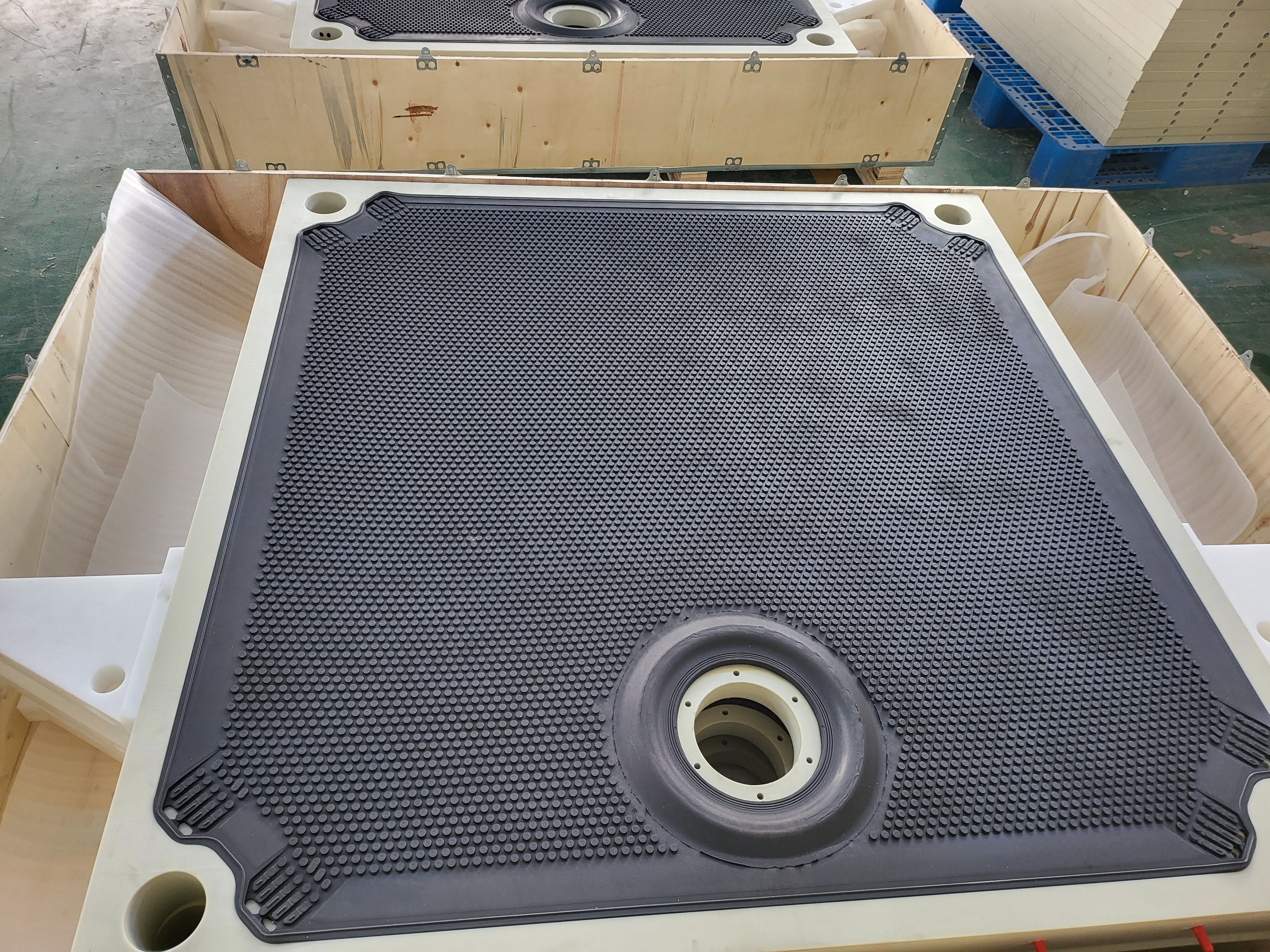
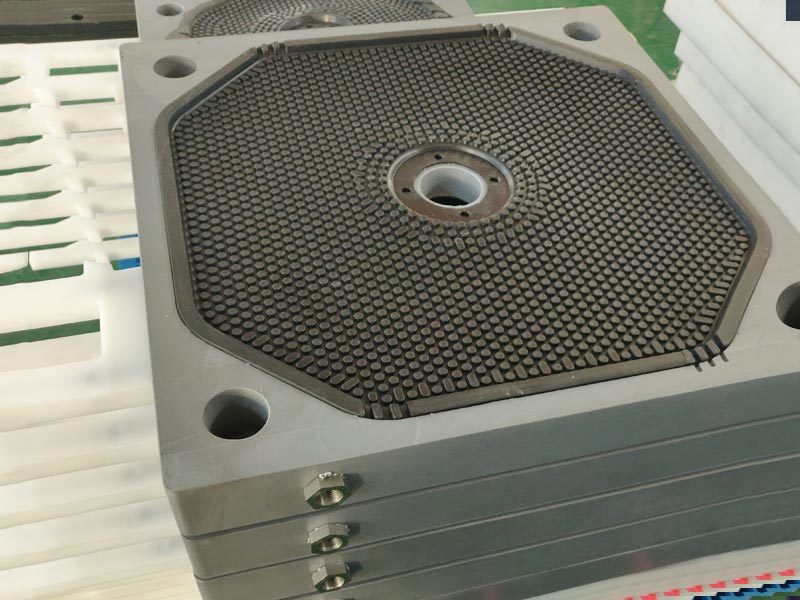
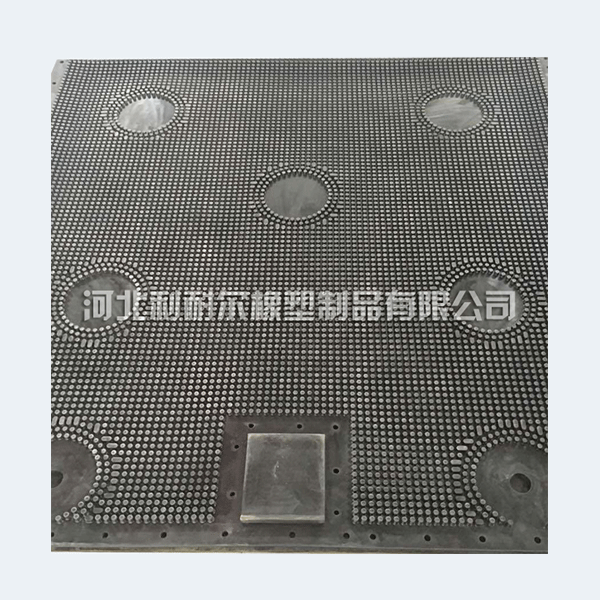
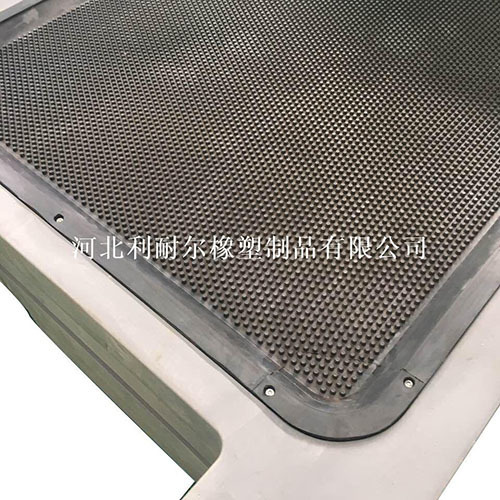
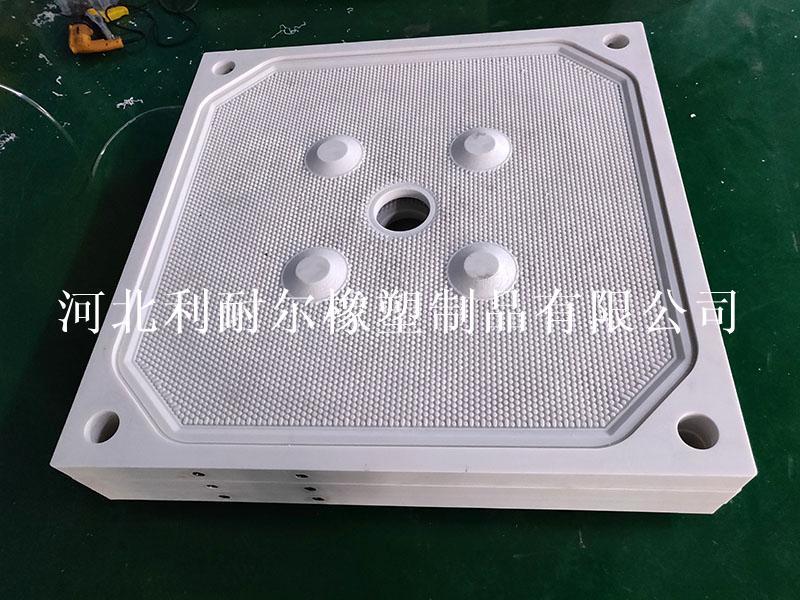
ProductMain products: vertical and horizontal imported and domestic filter plates, diaphragm plates, diaphragms and accessories; pinch valve sleeves and pinch valves and various mining accessories.
-
NewsIn 2013, our company's high-pressure cylinder with phenolic cloth support and guide ring obtained the national key new product certificate, project number: 2013GRA20011; its products in coal cylinders and engineering hydrauli
-
ServiceWe will actively cooperate with more enthusiasm, strengthen internal management, expand the market externally, improve various performance indicators of existing products, and truly achieve our win-win situation!
-
RecruitmentOur company always adheres to the talent concept of "people-oriented", provides a growth platform for talents, and realizes the common growth and development of enterprises and talents.


language
English
العربية
বাংলাদেশ
Български
Hrvatski
Česky
Dansk
Nederland
 Esperanto
Slovenski
Filipino
Suomi
Français
Maori
 Shqiptare
Georgian
 Euskara
Deutsch
Ελλάδα
ישראל
इंडिया
Magyarország
Ísland
Indonesia
Irlanda
Italia
日本語
Sovensko
Հայաստան
한국
Kyrgyz
ປະເທດລາວ
 Zulu
Zulu
Latvian
Lithuanian
Luxembourgish
 Latinus
Macedonian
Малайская
Maltese
Монгол улс
 Cymraeg
ဗမာ
 தமிழ்
தமிழ்
नेपाल
Norge
ایران
Polska
Portugal
România
Российская
Србија
 Slovak
Србија
 Slovak
Bosanski
Slovenian
Беларус
España
Sverige
Точик
ประเทศไทย
Türk
Azərbaycan
Uzbek
 Afrikaans
Việt Nam

Protecting Workers: Quality Seals for Coal Mines
Release time:
2025-06-19
Protecting Workers: Quality Seals for Coal Mines Introduction to Seals in Coal Mining In the coal mining industry, safety is paramount. With challenging environments and numerous hazards, ensuring the protection of workers is a top priority. One critical component that often goes unnoticed yet plays an essential role in maintaining workplace safety is the seal. Quality seals are vital for preven
Protecting Workers: Quality Seals for Coal Mines
Introduction to Seals in Coal Mining
In the coal mining industry, safety is paramount. With challenging environments and numerous hazards, ensuring the protection of workers is a top priority. One critical component that often goes unnoticed yet plays an essential role in maintaining workplace safety is the seal. Quality seals are vital for preventing leaks, protecting equipment, and safeguarding workers from potential dangers.
The Importance of Quality Seals in Coal Mines
Seals serve as barriers against dust, moisture, and harmful gases, ensuring that hazardous elements do not compromise the integrity of machinery or the safety of miners. By understanding the importance of quality seals, mining companies can enhance their operational safety and efficiency.
Understanding the Types of Seals Used in Coal Mining
There are various types of seals used in coal mining, each designed for specific applications and environments. Below are some common seal types:
1. Gasket Seals
Gasket seals are flexible materials placed between two surfaces to prevent fluid leakage. They are commonly used in machinery components where a tight seal is necessary.
2. O-Ring Seals
O-rings are circular seals that fit into a groove and compress between two parts, creating a tight seal. They are often used in hydraulic systems and can withstand high pressures.
3. Lip Seals
Lip seals are designed to prevent the escape of lubricants and the entry of contaminants. They are essential in rotating machinery and help maintain optimal performance.
4. Mechanical Seals
Mechanical seals are used in pumps and compressors to prevent leakage. They consist of two faces that seal against each other, providing a robust barrier against fluid loss.
Choosing the Right Seal for Coal Mining Applications
Selecting the appropriate seal for coal mining operations is critical. Factors to consider include:
1. Environmental Conditions
Understanding the specific conditions of the mining environment is vital. High temperatures, moisture, and exposure to chemicals can affect the performance of seals.
2. Compatibility with Materials
The materials used for seals must be compatible with the fluids they will encounter. For instance, seals used in hydraulic systems must endure high-pressure conditions without degrading.
3. Durability and Longevity
Investing in high-quality seals can significantly reduce downtime and maintenance costs. Durable seals designed to withstand harsh mining conditions can lead to longer service life and enhanced safety.
Best Practices for Seal Maintenance in Coal Mines
To ensure seals perform effectively, proper maintenance practices are essential. Here are some best practices for maintaining seals in coal mining:
1. Regular Inspections
Conducting routine inspections of seals and associated equipment can identify wear and potential failures before they become critical. Regular checks can prevent costly downtime and enhance worker safety.
2. Proper Installation
Installing seals according to manufacturer guidelines is crucial. Incorrect installation can lead to premature failure and compromise safety. Training personnel on proper installation techniques can reduce risks.
3. Monitoring for Leaks
Implementing a leak detection system can help identify issues early. This proactive approach ensures that any leaks are addressed promptly, maintaining a safe working environment.
The Role of Quality Seals in Enhancing Worker Safety
Quality seals contribute significantly to the safety of workers in coal mines. By preventing the ingress of hazardous materials and maintaining equipment performance, seals help create a safer workplace.
Reducing Risk of Exposure to Harmful Substances
One of the primary functions of seals is to prevent the escape of harmful gases and substances that could pose health risks to workers. Effective sealing solutions reduce the risk of exposure to dangerous chemicals and dust generated during mining operations.
Improving Equipment Reliability
Reliable equipment is essential for maintaining safety in coal mines. Quality seals help ensure that machinery operates efficiently and reduces the likelihood of breakdowns that could endanger workers.
Case Studies: Successful Implementation of Quality Seals
Several coal mining companies have successfully implemented quality sealing solutions to improve safety and efficiency in their operations.
Case Study 1: Enhanced Safety in a Coal Mine
In a large coal mining operation, the introduction of high-performance O-rings resulted in a significant reduction in equipment failures and leaks. This change not only improved operational efficiency but also enhanced worker safety by minimizing exposure to hazardous substances.
Case Study 2: Cost Savings through Effective Seal Selection
A coal mine that invested in durable gasket seals observed a marked reduction in maintenance costs. By selecting the right seals for their equipment, they reduced downtime, allowing workers to focus on safe and efficient operations.
Future Trends in Seal Technology for Coal Mining
Innovation in seal technology continues to evolve, promising improvements in worker safety and equipment performance. Here are some trends to watch:
1. Smart Sealing Solutions
The development of smart seals equipped with sensors can provide real-time monitoring of seal performance. This technology allows for proactive maintenance and rapid response to potential failures.
2. Eco-Friendly Materials
As environmental concerns grow, the demand for eco-friendly sealing materials increases. Companies are exploring biodegradable and non-toxic seal options that maintain performance while reducing environmental impact.
3. Advanced Materials Science
Ongoing research in materials science is leading to the development of stronger and more durable seal materials. These advancements promise to enhance the longevity and reliability of seals in harsh mining conditions.
Frequently Asked Questions (FAQs)
1. What materials are commonly used for seals in coal mining?
Common materials include rubber, silicone, and PTFE, each chosen based on their compatibility with the specific applications and environmental conditions.
2. How can I ensure the proper installation of seals?
Proper installation involves following manufacturer guidelines, using the right tools, and ensuring that surfaces are clean and free from debris before sealing.
3. What are the signs that a seal needs replacement?
Signs include visible wear, leaks, changes in performance, or unusual noises from machinery. Regular inspections can help catch these issues early.
4. How do seals impact energy efficiency in coal mining operations?
Quality seals prevent leaks that can lead to energy loss, ensuring that machinery operates more efficiently and reducing overall energy consumption.
5. Are there regulations governing seal quality in the coal mining industry?
Yes, industry regulations and standards exist to ensure safety and performance. It's crucial for mining companies to stay compliant with these regulations when selecting and maintaining seals.
Conclusion
In the coal mining industry, the importance of quality seals cannot be overstated. They play a crucial role in enhancing worker safety, improving equipment reliability, and reducing operational costs. By investing in high-quality sealing solutions and adhering to best practices for maintenance, mining companies can create safer and more efficient working environments. As technology continues to advance, the future of seal technology promises even greater benefits, ensuring that the safety of workers remains a top priority in coal mining operations.
Related News