
-
AboutHebei Linaier Rubber Products Co., Ltd. is located in Duqiao Industrial Zone, Jingxian City, Hebei Province, adjacent to Dezhou, Shandong. Founded in early 2001 with a registered capital of 35 million yuan, it is a scientific

-
ProductMain products: vertical and horizontal imported and domestic filter plates, diaphragm plates, diaphragms and accessories; pinch valve sleeves and pinch valves and various mining accessories.
-
NewsIn 2013, our company's high-pressure cylinder with phenolic cloth support and guide ring obtained the national key new product certificate, project number: 2013GRA20011; its products in coal cylinders and engineering hydrauli
-
ServiceWe will actively cooperate with more enthusiasm, strengthen internal management, expand the market externally, improve various performance indicators of existing products, and truly achieve our win-win situation!
-
RecruitmentOur company always adheres to the talent concept of "people-oriented", provides a growth platform for talents, and realizes the common growth and development of enterprises and talents.


language
English
العربية
বাংলাদেশ
Български
Hrvatski
Česky
Dansk
Nederland
 Esperanto
Slovenski
Filipino
Suomi
Français
Maori
 Shqiptare
Georgian
 Euskara
Deutsch
Ελλάδα
ישראל
इंडिया
Magyarország
Ísland
Indonesia
Irlanda
Italia
日本語
Sovensko
Հայաստան
한국
Kyrgyz
ປະເທດລາວ
 Zulu
Zulu
Latvian
Lithuanian
Luxembourgish
 Latinus
Macedonian
Малайская
Maltese
Монгол улс
 Cymraeg
ဗမာ
 தமிழ்
தமிழ்
नेपाल
Norge
ایران
Polska
Portugal
România
Российская
Србија
 Slovak
Србија
 Slovak
Bosanski
Slovenian
Беларус
España
Sverige
Точик
ประเทศไทย
Türk
Azərbaycan
Uzbek
 Afrikaans
Việt Nam

Release time:
2025-06-18
In the industrial filtration landscape, the role of filter plates cannot be overstated, especially the 800 x 800 filter plates. These components are crucial for effective filtration in various processes, ensuring that contaminants and particulates are removed efficiently. Understanding the specifications and applications of these filter plates can significantly enhance operational performance acro
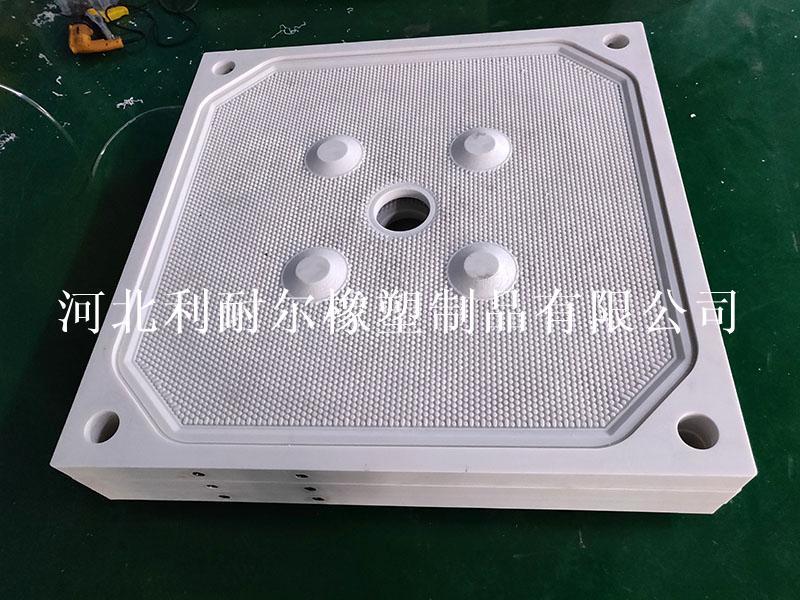
In the industrial filtration landscape, the role of filter plates cannot be overstated, especially the 800 x 800 filter plates. These components are crucial for effective filtration in various processes, ensuring that contaminants and particulates are removed efficiently. Understanding the specifications and applications of these filter plates can significantly enhance operational performance across diverse industries.
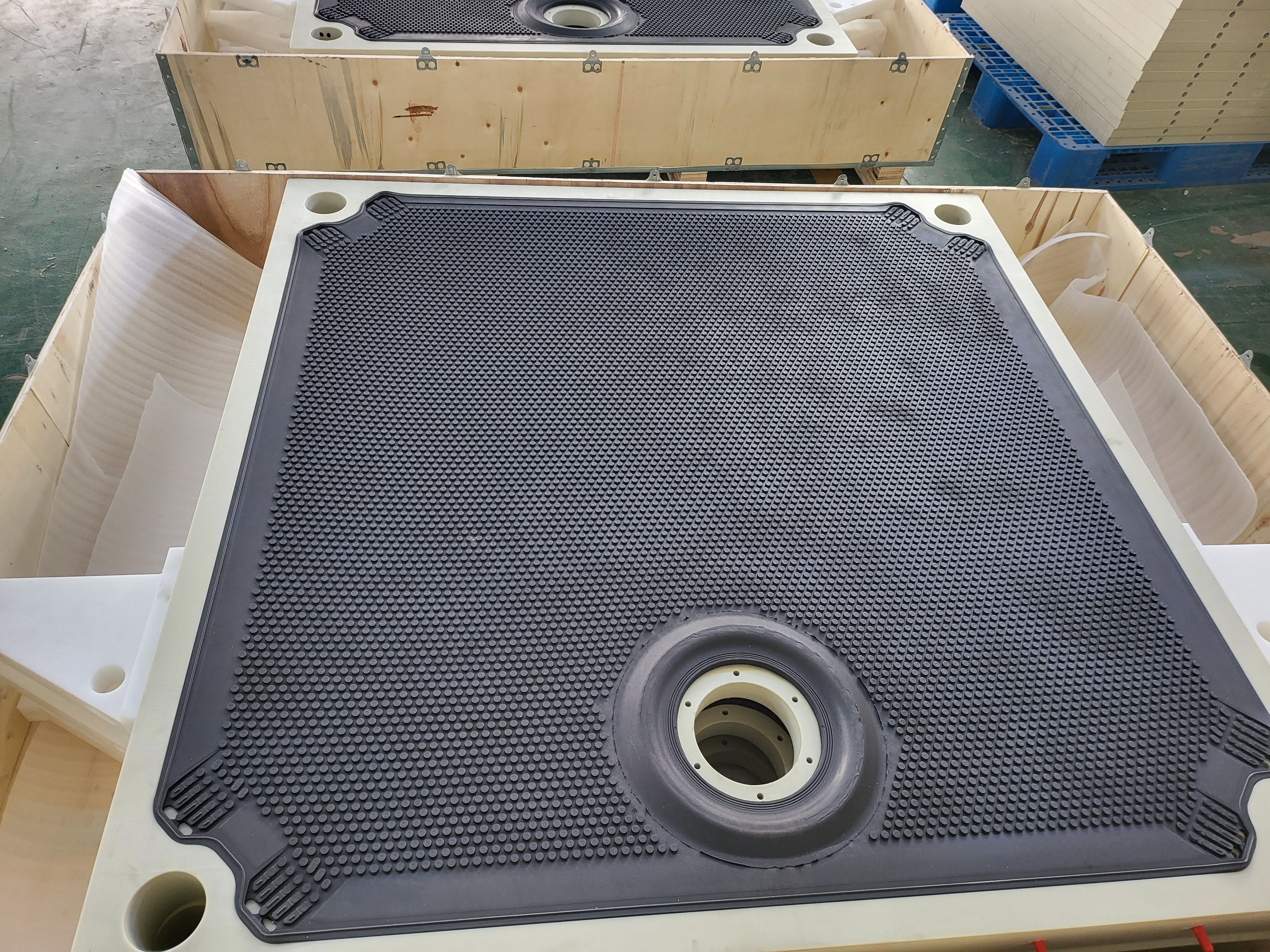
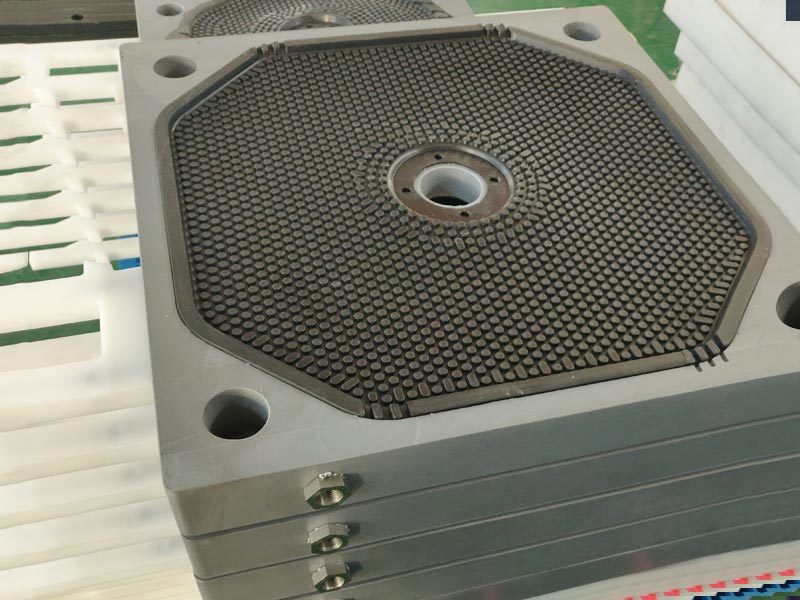
The 800 x 800 filter plate typically measures 800 millimeters by 800 millimeters, making it suitable for large-scale filtration applications. These filter plates are often used in industries such as chemicals, pharmaceuticals, food and beverage, and water treatment. Their size allows for a substantial surface area, which improves the filtration process by enabling a higher flow rate while maintaining effectiveness.
One of the primary advantages of 800 x 800 filter plates is their compatibility with various filtration media. Depending on the application, users can choose from different materials, such as polypropylene, polyester, or stainless steel, to optimize performance based on the specific requirements of their processes. This flexibility allows industries to achieve higher efficiency and lower operational costs.
Moreover, the design of 800 x 800 filter plates typically facilitates easy installation and maintenance. Many models come with features that allow for quick replacement or cleaning, reducing downtime and enhancing productivity. This is particularly beneficial in high-demand environments where continuous operations are essential.
In addition, these filter plates can be designed to cater to specific filtration requirements. For instance, they can be manufactured to support different porosity levels, which is vital for applications that require precise filtration, such as in pharmaceutical manufacturing. By selecting the appropriate filter plate, companies can ensure compliance with industry standards and regulations.
Another critical aspect to consider is the environmental impact of utilizing efficient filtration systems. By effectively removing impurities and contaminants, 800 x 800 filter plates contribute to producing cleaner effluents, thus supporting sustainability goals. Industries that prioritize environmental responsibility can benefit from incorporating these filter plates into their operations.
When selecting an 800 x 800 filter plate, it’s essential to consider factors such as the nature of the fluid being filtered, the required flow rate, and the level of filtration needed. By understanding these parameters, businesses can make informed decisions that lead to optimized filtration processes.
In summary, the 800 x 800 filter plate is an essential component in the realm of industrial filtration. Its size, versatility, and effectiveness make it a popular choice across various sectors. By leveraging the capabilities of these filter plates, companies can enhance operational efficiency, ensure product quality, and contribute to a more sustainable industrial environment.
The 800 x 800 filter plate typically measures 800 millimeters by 800 millimeters, making it suitable for large-scale filtration applications. These filter plates are often used in industries such as chemicals, pharmaceuticals, food and beverage, and water treatment. Their size allows for a substantial surface area, which improves the filtration process by enabling a higher flow rate while maintaining effectiveness.
One of the primary advantages of 800 x 800 filter plates is their compatibility with various filtration media. Depending on the application, users can choose from different materials, such as polypropylene, polyester, or stainless steel, to optimize performance based on the specific requirements of their processes. This flexibility allows industries to achieve higher efficiency and lower operational costs.
Moreover, the design of 800 x 800 filter plates typically facilitates easy installation and maintenance. Many models come with features that allow for quick replacement or cleaning, reducing downtime and enhancing productivity. This is particularly beneficial in high-demand environments where continuous operations are essential.
In addition, these filter plates can be designed to cater to specific filtration requirements. For instance, they can be manufactured to support different porosity levels, which is vital for applications that require precise filtration, such as in pharmaceutical manufacturing. By selecting the appropriate filter plate, companies can ensure compliance with industry standards and regulations.
Another critical aspect to consider is the environmental impact of utilizing efficient filtration systems. By effectively removing impurities and contaminants, 800 x 800 filter plates contribute to producing cleaner effluents, thus supporting sustainability goals. Industries that prioritize environmental responsibility can benefit from incorporating these filter plates into their operations.
When selecting an 800 x 800 filter plate, it’s essential to consider factors such as the nature of the fluid being filtered, the required flow rate, and the level of filtration needed. By understanding these parameters, businesses can make informed decisions that lead to optimized filtration processes.
In summary, the 800 x 800 filter plate is an essential component in the realm of industrial filtration. Its size, versatility, and effectiveness make it a popular choice across various sectors. By leveraging the capabilities of these filter plates, companies can enhance operational efficiency, ensure product quality, and contribute to a more sustainable industrial environment.
Related News