
-
AboutHebei Linaier Rubber Products Co., Ltd. is located in Duqiao Industrial Zone, Jingxian City, Hebei Province, adjacent to Dezhou, Shandong. Founded in early 2001 with a registered capital of 35 million yuan, it is a scientific

-
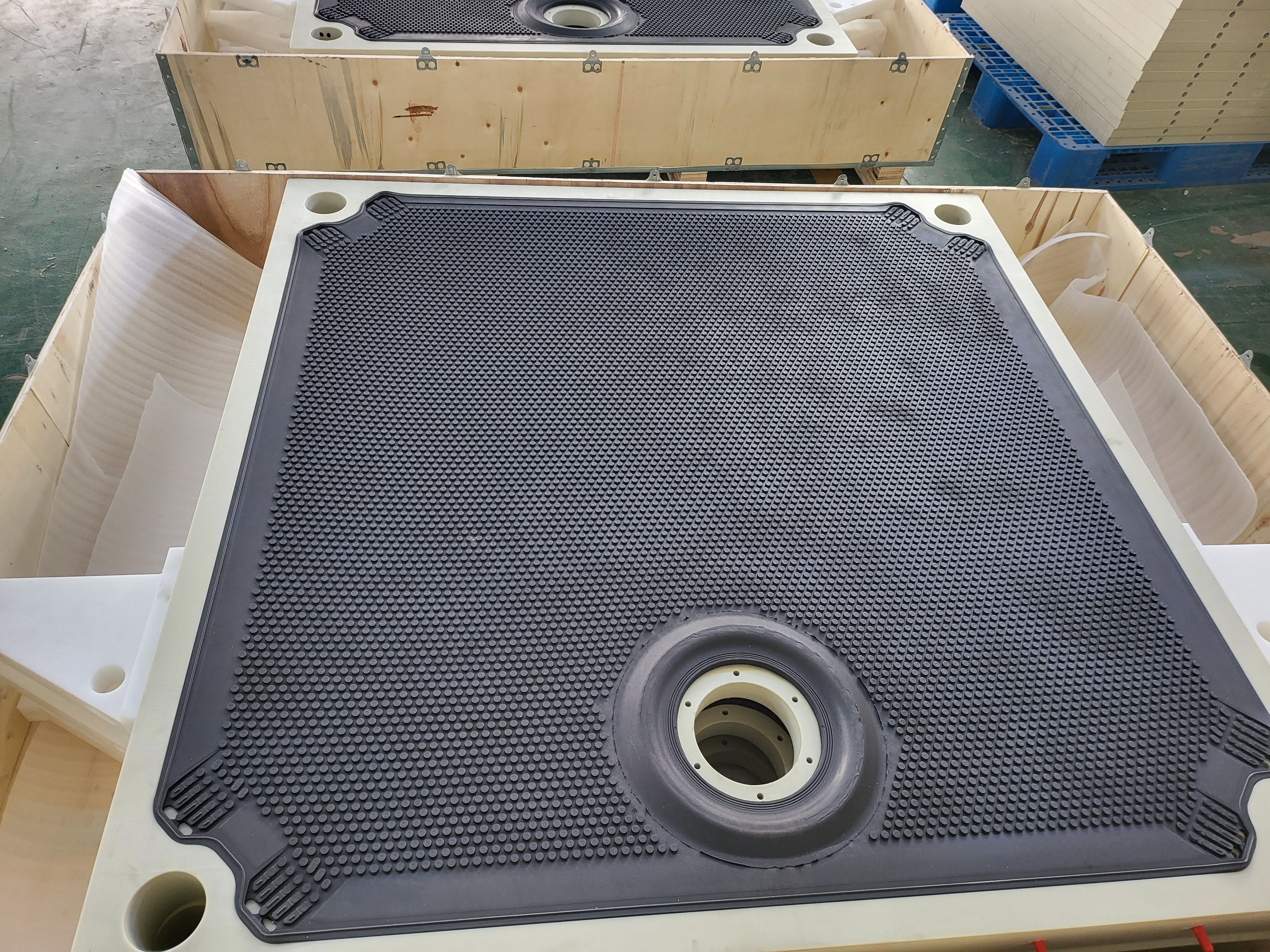
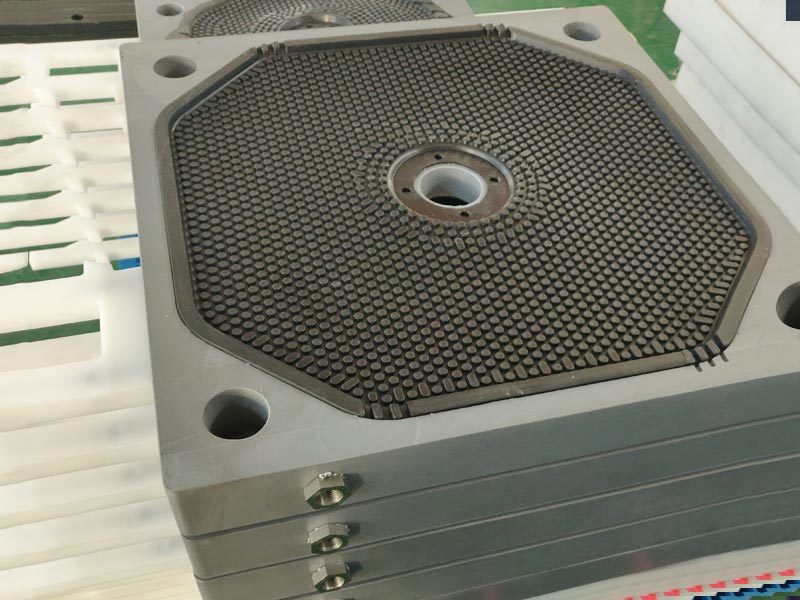
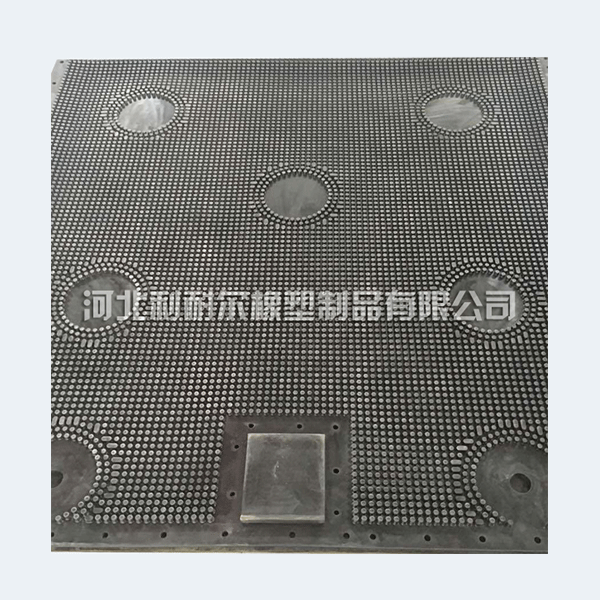
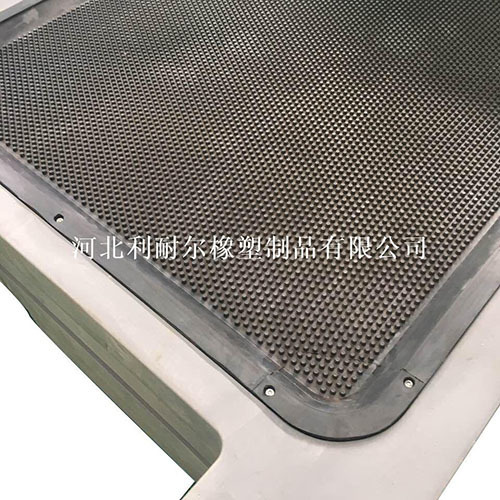
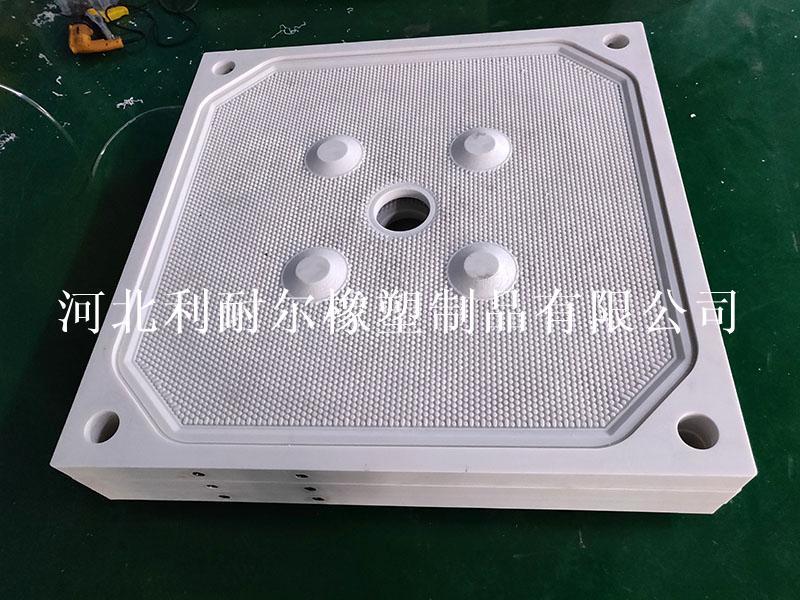
ProductMain products: vertical and horizontal imported and domestic filter plates, diaphragm plates, diaphragms and accessories; pinch valve sleeves and pinch valves and various mining accessories.
-
NewsIn 2013, our company's high-pressure cylinder with phenolic cloth support and guide ring obtained the national key new product certificate, project number: 2013GRA20011; its products in coal cylinders and engineering hydrauli
-
ServiceWe will actively cooperate with more enthusiasm, strengthen internal management, expand the market externally, improve various performance indicators of existing products, and truly achieve our win-win situation!
-
RecruitmentOur company always adheres to the talent concept of "people-oriented", provides a growth platform for talents, and realizes the common growth and development of enterprises and talents.


language
English
العربية
বাংলাদেশ
Български
Hrvatski
Česky
Dansk
Nederland
 Esperanto
Slovenski
Filipino
Suomi
Français
Maori
 Shqiptare
Georgian
 Euskara
Deutsch
Ελλάδα
ישראל
इंडिया
Magyarország
Ísland
Indonesia
Irlanda
Italia
日本語
Sovensko
Հայաստան
한국
Kyrgyz
ປະເທດລາວ
 Zulu
Zulu
Latvian
Lithuanian
Luxembourgish
 Latinus
Macedonian
Малайская
Maltese
Монгол улс
 Cymraeg
ဗမာ
 தமிழ்
தமிழ்
नेपाल
Norge
ایران
Polska
Portugal
România
Российская
Србија
 Slovak
Србија
 Slovak
Bosanski
Slovenian
Беларус
España
Sverige
Точик
ประเทศไทย
Türk
Azərbaycan
Uzbek
 Afrikaans
Việt Nam

Choosing the Right Skeleton Oil Seal for Your Industrial Needs
Release time:
2025-06-16
Choosing the Right Skeleton Oil Seal for Your Industrial Needs Table of Contents Introduction to Skeleton Oil Seals What is a Skeleton Oil Seal? Types of Skeleton Oil Seals Nitrile Rubber Seals Fluoroelastomer Seals Silicone Seals Applications of Skeleton Oil Seals in Industry Key Factors to Consider When Choosing Skeleton
Choosing the Right Skeleton Oil Seal for Your Industrial Needs
Table of Contents
- Introduction to Skeleton Oil Seals
- What is a Skeleton Oil Seal?
- Types of Skeleton Oil Seals
- Applications of Skeleton Oil Seals in Industry
- Key Factors to Consider When Choosing Skeleton Oil Seals
- Installation Tips for Skeleton Oil Seals
- Maintenance and Care for Longevity
- Common Mistakes to Avoid When Choosing Oil Seals
- Conclusion
- FAQs about Skeleton Oil Seals
Introduction to Skeleton Oil Seals
In the realm of industrial machinery, ensuring the integrity of moving components is crucial. **Skeleton oil seals** serve as the first line of defense against the ingress of dirt, moisture, and other contaminants that can jeopardize performance and longevity. By effectively sealing critical areas, these components not only reduce wear but also enhance operational efficiency.
Choosing the right skeleton oil seal is not merely a matter of preference; it is a decision that impacts the overall functionality of your equipment. This guide provides a detailed overview of skeleton oil seals, helping you navigate the complexities of selection, installation, and maintenance.
What is a Skeleton Oil Seal?
A skeleton oil seal, often referred to as a **lip seal** or **rotary seal**, is designed to prevent lubricant leakage while keeping contaminants out of machinery. These seals typically feature a metal casing that provides structural support and enhances durability. The sealing lip, often made from elastomeric materials, flexibly conforms to the shaft, ensuring a tight seal even in dynamic conditions.
Skeleton oil seals are widely used in various applications, from automotive engines to industrial pumps, due to their effectiveness and reliability. Understanding the nuances of these seals is essential for ensuring optimal performance.
Types of Skeleton Oil Seals
When it comes to skeleton oil seals, several types cater to different industrial needs. Below, we detail the most common types, considering their materials and typical applications.
Nitrile Rubber Seals
**Nitrile rubber**, or NBR, is one of the most widely used materials for skeleton oil seals. Known for its excellent resistance to petroleum-based oils and fuels, nitrile rubber seals are suitable for a range of applications, including engines and hydraulic systems. They can operate effectively in temperatures ranging from -40°C to +100°C, making them versatile in various environments.
Fluoroelastomer Seals
**Fluoroelastomer**, commonly associated with the brand name Viton, offers superior resistance to heat, chemicals, and aging. These seals are ideal for harsh environments where temperatures may exceed those suitable for nitrile rubber. They are often used in industries dealing with aggressive fluids or extreme operating conditions.
Silicone Seals
**Silicone seals** are recognized for their flexibility and resilience in extreme temperatures. They can withstand temperatures from -60°C to +230°C. While silicone seals may not be as resistant to oils as nitrile or fluoroelastomer seals, their excellent compression set and high flexibility make them favorable in applications involving static sealing or low-speed rotary motion.
Applications of Skeleton Oil Seals in Industry
Skeleton oil seals are pivotal in various industrial applications. Understanding where and how they are used can assist in making informed decisions when selecting the right seal.
**1. Automotive Industry:**
In automotive engines, skeleton oil seals prevent oil leaks, contributing to engine efficiency and longevity. They are commonly found in crankshaft and camshaft applications.
**2. Manufacturing Equipment:**
Manufacturing machinery often utilizes skeleton oil seals to protect gears and bearings from contamination, ensuring smooth operation and reducing downtime.
**3. Hydraulic Systems:**
In hydraulic applications, oil seals are essential for maintaining pressure and preventing leaks, which are critical for safety and operational efficiency.
**4. Agricultural Machinery:**
Agricultural equipment operates in challenging environments, making reliable sealing solutions a necessity. Skeleton oil seals guard against dirt and moisture, enhancing machinery performance.
Key Factors to Consider When Choosing Skeleton Oil Seals
Selecting the right skeleton oil seal involves considering several critical factors to ensure optimal performance and longevity.
Temperature Resistance
**Temperature resistance** is a fundamental consideration. Different materials can withstand various temperature ranges. Evaluating the operating environment's thermal conditions will guide you in choosing the appropriate seal type.
Pressure Resistance
Understanding the **pressure requirements** of your application is vital. Some seals are designed for low-pressure environments, while others can withstand significantly higher pressures. Check the specifications to ensure compatibility.
Chemical Resistance
The environment in which the oil seal will operate may expose it to various chemicals. Identifying the potential chemical exposure and selecting a seal material that can resist degradation ensures a longer lifespan.
Installation Tips for Skeleton Oil Seals
Proper installation is crucial for the effective operation of skeleton oil seals. Here are some tips to ensure a successful installation:
**1. Clean the Installation Area:**
Ensure the shaft and housing are clean and free from debris. Any contamination can compromise the seal's integrity.
**2. Use Proper Tools:**
Employ the appropriate tools for the installation process. A seal driver can help install the seal evenly without causing damage.
**3. Lubricate the Sealing Lip:**
Applying a light coat of lubricant to the sealing lip can aid in installation and help the seal conform to the shaft, reducing the likelihood of tearing.
**4. Follow Manufacturer Guidelines:**
Always refer to the manufacturer’s guidelines for specific installation instructions to avoid common pitfalls.
Maintenance and Care for Longevity
To maximize the lifespan of skeleton oil seals, regular maintenance is essential. Here are some strategies:
**1. Periodic Inspection:**
Regularly inspect seals for signs of wear, such as cracks or deformation. Early detection can prevent costly failures.
**2. Maintain Correct Lubrication Levels:**
Ensure that the lubricant levels are correct, as insufficient lubrication can lead to premature seal failure.
**3. Monitor Operating Conditions:**
Keep track of temperature and pressure changes in your equipment. Abrupt fluctuations can affect seal performance.
Common Mistakes to Avoid When Choosing Oil Seals
To ensure that you select the right skeleton oil seal, avoid these common pitfalls:
**1. Overlooking Material Compatibility:**
Selecting a seal material without considering the operating environment can lead to premature failure.
**2. Neglecting Size Specifications:**
Ensure that the seal dimensions match the shaft and housing specifications. Incorrect sizes can lead to leaks.
**3. Ignoring Manufacturer Recommendations:**
Always consult manufacturer recommendations for your specific application to avoid missteps.
Conclusion
Choosing the right skeleton oil seal is a critical decision that directly influences the efficiency, reliability, and longevity of your industrial machinery. By understanding the different types of skeleton oil seals, considering key factors such as temperature and pressure resistance, and avoiding common mistakes, you can make informed decisions that will benefit your operations in the long run. Regular maintenance and proper installation further ensure that these essential components perform optimally, providing you with peace of mind and enhancing productivity.
FAQs about Skeleton Oil Seals
**1. What are skeleton oil seals made of?**
Skeleton oil seals are typically made from elastomeric materials such as nitrile rubber, fluoroelastomer, or silicone, often combined with a metal casing for added strength.
**2. How do I know which type of skeleton oil seal to choose?**
Choosing the right seal depends on factors like operating temperature, pressure, and exposure to chemicals. Assessing these elements will guide your selection.
**3. Can I install a skeleton oil seal myself?**
While DIY installation is possible, it requires precision and care. Following the manufacturer’s guidelines and using appropriate tools is critical for success.
**4. How often should I replace skeleton oil seals?**
Replacement frequency varies based on usage and conditions. Regular inspections can help determine when a seal needs to be replaced.
**5. What can cause skeleton oil seals to fail?**
Common causes of failure include incorrect installation, material degradation due to chemical exposure, and excessive temperature or pressure conditions. Regular maintenance can mitigate these risks.
Related News