
-
AboutHebei Linaier Rubber Products Co., Ltd. is located in Duqiao Industrial Zone, Jingxian City, Hebei Province, adjacent to Dezhou, Shandong. Founded in early 2001 with a registered capital of 35 million yuan, it is a scientific

-
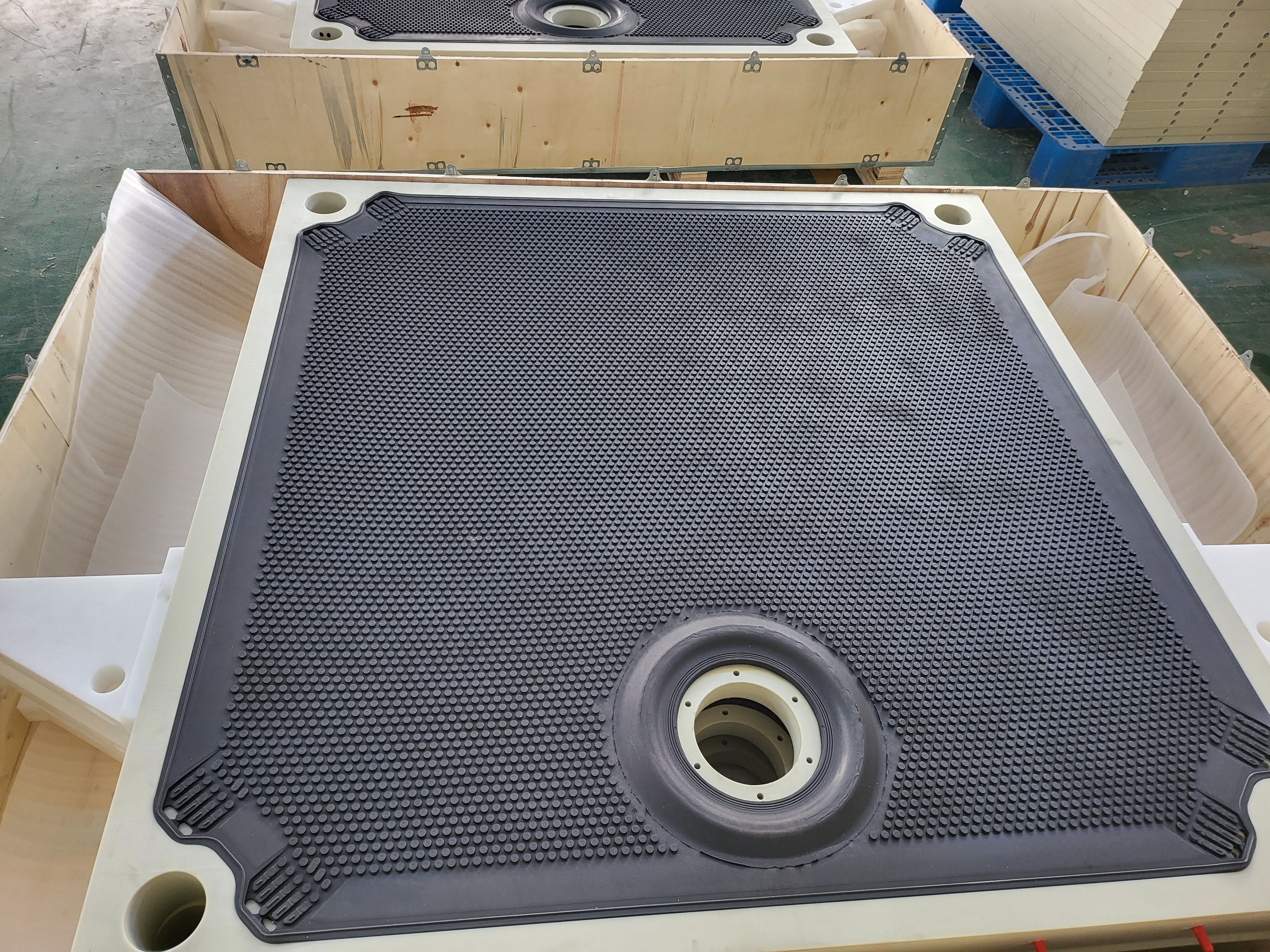
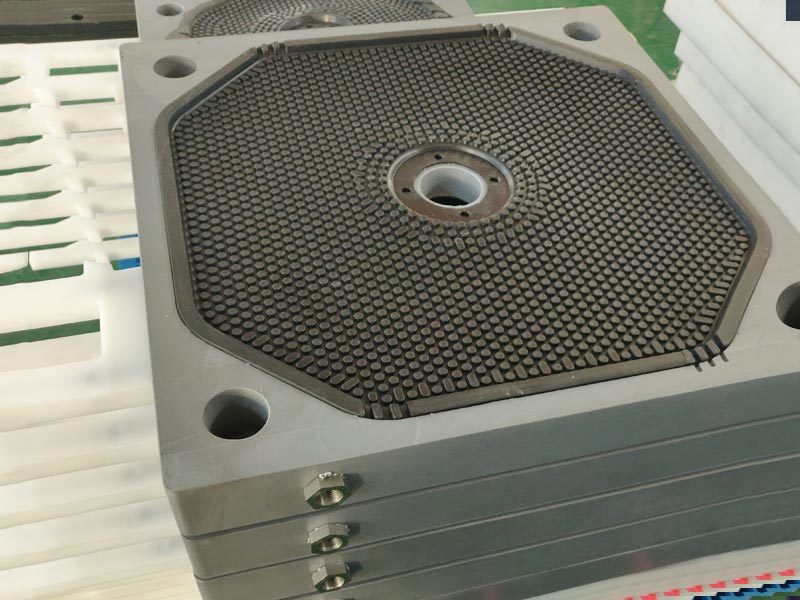
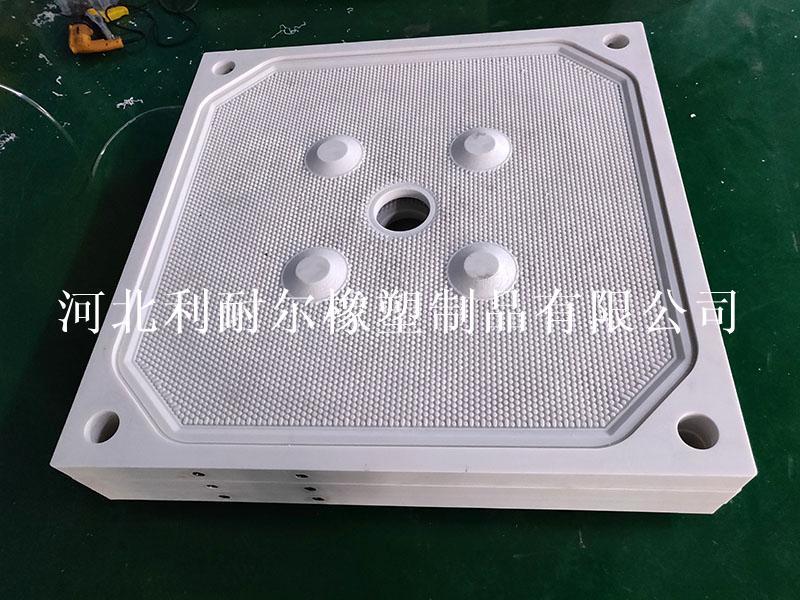
ProductMain products: vertical and horizontal imported and domestic filter plates, diaphragm plates, diaphragms and accessories; pinch valve sleeves and pinch valves and various mining accessories.
-
NewsIn 2013, our company's high-pressure cylinder with phenolic cloth support and guide ring obtained the national key new product certificate, project number: 2013GRA20011; its products in coal cylinders and engineering hydrauli
-
ServiceWe will actively cooperate with more enthusiasm, strengthen internal management, expand the market externally, improve various performance indicators of existing products, and truly achieve our win-win situation!
-
RecruitmentOur company always adheres to the talent concept of "people-oriented", provides a growth platform for talents, and realizes the common growth and development of enterprises and talents.


language
English
العربية
বাংলাদেশ
Български
Hrvatski
Česky
Dansk
Nederland
 Esperanto
Slovenski
Filipino
Suomi
Français
Maori
 Shqiptare
Georgian
 Euskara
Deutsch
Ελλάδα
ישראל
इंडिया
Magyarország
Ísland
Indonesia
Irlanda
Italia
日本語
Sovensko
Հայաստան
한국
Kyrgyz
ປະເທດລາວ
 Zulu
Zulu
Latvian
Lithuanian
Luxembourgish
 Latinus
Macedonian
Малайская
Maltese
Монгол улс
 Cymraeg
ဗမာ
 தமிழ்
தமிழ்
नेपाल
Norge
ایران
Polska
Portugal
România
Российская
Србија
 Slovak
Србија
 Slovak
Bosanski
Slovenian
Беларус
España
Sverige
Точик
ประเทศไทย
Türk
Azərbaycan
Uzbek
 Afrikaans
Việt Nam

Maximizing Piston Lifespan with Combination Seals: A Comprehensive Guide
Release time:
2025-06-13
Maximizing Piston Lifespan with Combination Seals In the world of industrial machinery, the efficiency and longevity of components are paramount. One critical aspect that impacts performance is the sealing systems used in pistons. **Combination seals** have emerged as a leading solution for maximizing piston lifespan. This article delves into the various aspects of combination seals, their benefit
Maximizing Piston Lifespan with Combination Seals
In the world of industrial machinery, the efficiency and longevity of components are paramount. One critical aspect that impacts performance is the sealing systems used in pistons. **Combination seals** have emerged as a leading solution for maximizing piston lifespan. This article delves into the various aspects of combination seals, their benefits, applications, and how they can significantly enhance the durability of pistons in industrial settings.
Table of Contents
1. Introduction to Combination Seals
2. Understanding Piston Seals
3. Benefits of Using Combination Seals
- 3.1 Enhanced Durability
- 3.2 Reduced Friction
4. Types of Combination Seals
- 4.1 Materials Used in Combination Seals
5. Applications of Combination Seals in Industry
6. Best Practices for Maintaining Combination Seals
7. Cost-Effectiveness of Combination Seals
8. Conclusion
9. Frequently Asked Questions
Introduction to Combination Seals
Combination seals are an innovative solution designed to provide effective sealing in demanding environments. They combine the benefits of different sealing technologies, typically integrating both static and dynamic sealing capabilities into a single unit. This synergy allows for enhanced performance in various applications, particularly in pistons, where pressure and movement are constant challenges.
Understanding Piston Seals
Piston seals play a crucial role in hydraulic and pneumatic systems. Their primary function is to prevent fluid leakage while ensuring the efficient movement of the piston. Traditional sealing methods often struggle with wear and tear, leading to decreased efficiency and increased maintenance costs. Combination seals address these issues by providing a more robust sealing solution.
Types of Piston Seals
Piston seals can generally be classified into three categories: **U-cups**, **O-rings**, and **lip seals**. Each type serves a specific purpose and is designed to mitigate various forms of wear and fluid loss. Understanding these types will enhance the application of combination seals in your machinery.
Benefits of Using Combination Seals
The utilization of combination seals in piston applications offers numerous advantages that contribute to the overall efficiency and lifespan of industrial equipment.
Enhanced Durability
Combination seals are engineered for durability. Their design often incorporates advanced materials that resist wear, tear, and environmental damage. By effectively managing wear, these seals extend the service life of pistons, reducing the frequency of replacements.
Reduced Friction
Friction is a primary cause of seal failure. Combination seals are designed to minimize friction between the moving parts. With a reduction in friction, not only is the lifespan of the piston extended, but energy consumption is also reduced, leading to more efficient operations.
Types of Combination Seals
Different configurations of combination seals suit various applications. Understanding these types can help in choosing the right seal for your specific needs.
Materials Used in Combination Seals
The materials used in combination seals significantly influence their performance. Common materials include:
- **Polyurethane**: Known for its elasticity and resistance to wear and tear.
- **Nitrile Rubber**: Excellent for oil resistance and flexibility.
- **Fluorocarbon**: Ideal for high-temperature applications.
Each material brings unique properties, making it suitable for particular environments and applications.
Applications of Combination Seals in Industry
Combination seals are versatile and find applications across various industrial sectors:
- **Hydraulic Machinery**: Enhancing the performance of hydraulic cylinders.
- **Automotive Applications**: Increasing the efficiency of engine components.
- **Pneumatic Systems**: Improving air sealing in pumps and compressors.
The adaptability of combination seals makes them a preferred choice for engineers and manufacturers alike.
Best Practices for Maintaining Combination Seals
To maximize the lifespan of combination seals, regular maintenance is essential. Here are some best practices:
- **Regular Inspection**: Frequently check seals for signs of wear or damage.
- **Correct Installation**: Ensure seals are installed according to manufacturer's guidelines.
- **Fluid Quality**: Use high-quality fluids that are compatible with the sealing materials to prevent degradation.
Implementing these practices will not only prolong the life of your combination seals but also enhance overall system efficiency.
Cost-Effectiveness of Combination Seals
While the initial investment in combination seals may be higher than traditional seals, their long-term benefits far outweigh the costs. The reduction in maintenance, downtime, and replacement parts results in significant savings. Moreover, the increased efficiency and performance can lead to higher productivity rates.
Conclusion
Maximizing the lifespan of pistons through the use of combination seals is a strategic approach that offers numerous advantages. From enhanced durability and reduced friction to the cost-effectiveness of these seals, their implementation in industrial applications is both practical and beneficial. By understanding the types of combination seals and adhering to best maintenance practices, industries can achieve greater efficiency and productivity, ensuring smooth operations for years to come.
Frequently Asked Questions
1. What are combination seals?
Combination seals are innovative sealing solutions that integrate different sealing technologies to provide enhanced performance in applications like piston sealing.
2. How do combination seals improve piston lifespan?
By minimizing friction and wear, combination seals enhance the durability of pistons, reducing the frequency of replacements and maintenance.
3. What materials are used in combination seals?
Common materials include polyurethane, nitrile rubber, and fluorocarbon, each offering unique properties suitable for different applications.
4. Where are combination seals commonly used?
They are widely used in hydraulic machinery, automotive applications, and pneumatic systems.
5. How can I maintain combination seals effectively?
Regular inspections, correct installation, and using compatible fluids are essential practices for maintaining the effectiveness of combination seals.
By focusing on these aspects, industries can vastly improve their operational efficiency and achieve longer-lasting results with combination seals in piston applications.
Related News