
-
AboutHebei Linaier Rubber Products Co., Ltd. is located in Duqiao Industrial Zone, Jingxian City, Hebei Province, adjacent to Dezhou, Shandong. Founded in early 2001 with a registered capital of 35 million yuan, it is a scientific

-
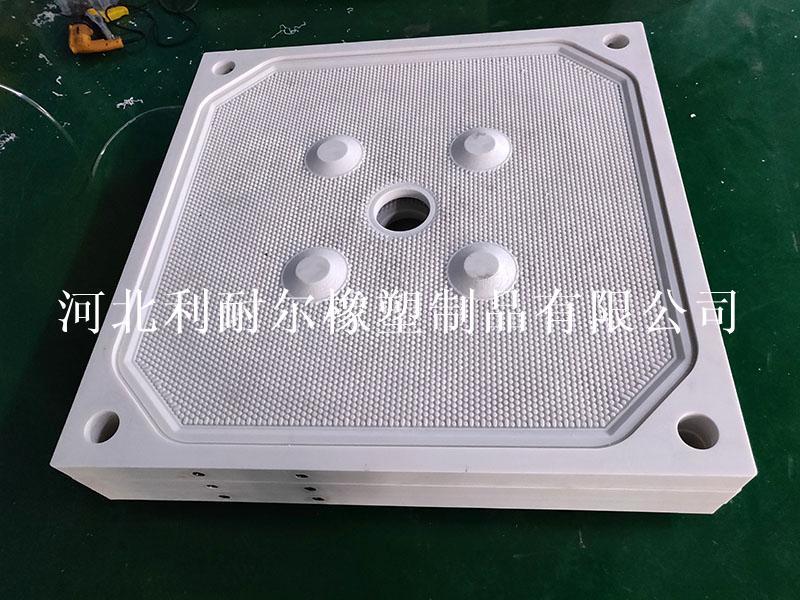
ProductMain products: vertical and horizontal imported and domestic filter plates, diaphragm plates, diaphragms and accessories; pinch valve sleeves and pinch valves and various mining accessories.
-
NewsIn 2013, our company's high-pressure cylinder with phenolic cloth support and guide ring obtained the national key new product certificate, project number: 2013GRA20011; its products in coal cylinders and engineering hydrauli
-
ServiceWe will actively cooperate with more enthusiasm, strengthen internal management, expand the market externally, improve various performance indicators of existing products, and truly achieve our win-win situation!
-
RecruitmentOur company always adheres to the talent concept of "people-oriented", provides a growth platform for talents, and realizes the common growth and development of enterprises and talents.


language
English
العربية
বাংলাদেশ
Български
Hrvatski
Česky
Dansk
Nederland
 Esperanto
Slovenski
Filipino
Suomi
Français
Maori
 Shqiptare
Georgian
 Euskara
Deutsch
Ελλάδα
ישראל
इंडिया
Magyarország
Ísland
Indonesia
Irlanda
Italia
日本語
Sovensko
Հայաստան
한국
Kyrgyz
ປະເທດລາວ
 Zulu
Zulu
Latvian
Lithuanian
Luxembourgish
 Latinus
Macedonian
Малайская
Maltese
Монгол улс
 Cymraeg
ဗမာ
 தமிழ்
தமிழ்
नेपाल
Norge
ایران
Polska
Portugal
România
Российская
Србија
 Slovak
Србија
 Slovak
Bosanski
Slovenian
Беларус
España
Sverige
Точик
ประเทศไทย
Türk
Azərbaycan
Uzbek
 Afrikaans
Việt Nam

The Pros and Cons of Using FAFAIFI Cloth in Industrial Applications
Release time:
2025-06-07
The Pros and Cons of Using FAFAIFI Cloth in Industrial Applications Introduction to FAFAIFI Cloth FAFAIFI cloth is rapidly gaining traction in various industrial applications due to its unique properties and versatility. As industries look for innovative materials that can enhance productivity and performance, FAFAIFI cloth has emerged as a promising option. In this article, we will delve into the
The Pros and Cons of Using FAFAIFI Cloth in Industrial Applications
Introduction to FAFAIFI Cloth
FAFAIFI cloth is rapidly gaining traction in various industrial applications due to its unique properties and versatility. As industries look for innovative materials that can enhance productivity and performance, FAFAIFI cloth has emerged as a promising option. In this article, we will delve into the **pros and cons** of using FAFAIFI cloth, providing a detailed analysis to help industries make informed decisions.
Understanding FAFAIFI Cloth
FAFAIFI cloth is a synthetic fabric known for its strength, durability, and resistance to various environmental factors. Made from a blend of high-quality fibers, it offers exceptional performance in demanding industrial settings. The fabric is lightweight yet robust, making it suitable for a range of applications.
The Composition of FAFAIFI Cloth
The unique composition of FAFAIFI cloth includes:
- **Polyester fibers**: Known for their durability and resistance to shrinking and stretching.
- **Nylon**: Adds to the fabric's strength and abrasion resistance.
- **Specialized coatings**: Provide additional properties such as water resistance and UV protection.
This combination of materials contributes to the overall performance and longevity of FAFAIFI cloth in industrial environments.
Advantages of Using FAFAIFI Cloth
FAFAIFI cloth offers several advantages that make it an attractive option for various industrial applications.
1. Durability and Longevity
One of the primary benefits of FAFAIFI cloth is its **durability**. The fabric withstands wear and tear, making it ideal for heavy-duty applications. Industries can rely on FAFAIFI cloth to last longer than traditional fabrics, reducing replacement costs over time.
2. Lightweight and Flexible
FAFAIFI cloth is exceptionally **lightweight**, allowing for ease of handling and application. Its flexibility ensures that it can conform to various shapes and structures, making it suitable for diverse industrial processes.
3. Resistance to Environmental Factors
FAFAIFI cloth demonstrates impressive resistance to:
- **Moisture**: The material repels water, preventing mold and mildew growth.
- **UV light**: Coatings protect the fabric from degradation due to sunlight exposure.
- **Chemicals**: The fabric can withstand exposure to various industrial chemicals without compromising its integrity.
These properties make FAFAIFI cloth ideal for applications in outdoor environments and settings where exposure to harsh substances is common.
4. Cost-Effectiveness
While the initial investment in FAFAIFI cloth may be higher compared to traditional materials, its durability and longevity contribute to **cost-effectiveness**. Industries can save money on maintenance and replacement costs in the long run.
5. Versatile Applications
FAFAIFI cloth can be used across various industries, including:
- **Construction**: For protective gear and tarpaulins.
- **Automotive**: In vehicle interiors and upholstery.
- **Textiles**: For industrial workwear and uniforms.
This versatility makes FAFAIFI cloth a valuable addition to many industrial sectors.
Disadvantages of Using FAFAIFI Cloth
Despite its numerous advantages, there are some potential drawbacks to consider when using FAFAIFI cloth in industrial applications.
1. Environmental Concerns
The production of synthetic fabrics, including FAFAIFI cloth, raises environmental concerns. The manufacturing process can be resource-intensive and may contribute to pollution. Additionally, synthetic fabrics are not biodegradable, leading to long-term waste issues.
2. Limited Breathability
While FAFAIFI cloth is lightweight, it may not offer the same level of **breathability** as natural fibers. This limitation can affect comfort in certain applications, especially in workwear where moisture management is crucial.
3. Initial Cost
Investing in FAFAIFI cloth can be more expensive than opting for traditional materials. For smaller businesses or those with tight budgets, this upfront cost may be a significant consideration.
4. Potential for Static Electricity
FAFAIFI cloth can be prone to static electricity buildup, particularly in dry environments. This characteristic may pose risks in industries dealing with sensitive electronic components or flammable materials.
5. Limited Color Options
While FAFAIFI cloth is available in various colors, the range may be more limited compared to other fabrics. This limitation could be a disadvantage for businesses looking for specific branding or aesthetic requirements.
Applications of FAFAIFI Cloth in Industrial Settings
FAFAIFI cloth is utilized in a wide range of industrial applications, showcasing its versatility and effectiveness.
1. Protective Clothing
FAFAIFI cloth is commonly used in the production of **protective clothing** for workers in hazardous environments. Its durability and resistance to chemicals make it suitable for safety gear, ensuring workers are well-protected.
2. Tarpaulins and Covers
In the construction industry, FAFAIFI cloth is used to manufacture **tarpaulins** and covers. Its water-resistant properties protect materials and equipment from the elements, ensuring project continuity.
3. Upholstery and Interiors
FAFAIFI cloth is also employed in the automotive industry for **upholstery** and interiors. Its durability ensures that it can withstand the rigors of daily use while maintaining its aesthetic appeal.
4. Industrial Workwear
Companies utilize FAFAIFI cloth for **workwear** and uniforms, providing employees with comfortable and long-lasting clothing that stands up to the demands of their jobs.
5. Packaging Solutions
The fabric's strength and resistance to moisture make it suitable for **packaging solutions**, providing a reliable option for transporting goods safely.
Factors to Consider When Choosing FAFAIFI Cloth
When considering the use of FAFAIFI cloth in industrial applications, various factors should be evaluated to ensure it meets specific needs.
1. Industry Requirements
Each industry has unique requirements. Understanding these needs ensures that FAFAIFI cloth is suitable for the intended application.
2. Cost-Benefit Analysis
Conducting a thorough cost-benefit analysis can help determine whether the advantages of FAFAIFI cloth outweigh its drawbacks for your specific situation.
3. Supplier Reliability
Choosing a reliable supplier for FAFAIFI cloth is crucial. Ensure that the supplier adheres to quality standards and can meet your production demands.
FAQ Section
1. What is FAFAIFI cloth made of?
FAFAIFI cloth is made from a blend of polyester and nylon fibers, often enhanced with specialized coatings for additional properties.
2. Is FAFAIFI cloth eco-friendly?
While FAFAIFI cloth offers durability and performance, it is a synthetic material, raising environmental concerns regarding its production and disposal.
3. Can FAFAIFI cloth be used for outdoor applications?
Yes, FAFAIFI cloth is resistant to moisture, UV light, and chemicals, making it suitable for various outdoor applications.
4. How does FAFAIFI cloth compare to natural fibers?
FAFAIFI cloth is generally more durable and resistant to environmental factors than natural fibers, but it may lack breathability and comfort in certain situations.
5. Where can I purchase FAFAIFI cloth?
FAFAIFI cloth can be sourced from specialized textile suppliers and manufacturers that focus on industrial fabrics.
Conclusion
FAFAIFI cloth presents a range of advantages and disadvantages for industrial applications. Its durability, resistance to environmental factors, and versatility make it an attractive option across various sectors. However, considerations such as environmental impact, cost, and specific application requirements are crucial when determining its suitability. By carefully weighing the pros and cons, industries can make informed decisions regarding the use of FAFAIFI cloth, ensuring they choose the right material for their needs.
Related News