
-
AboutHebei Linaier Rubber Products Co., Ltd. is located in Duqiao Industrial Zone, Jingxian City, Hebei Province, adjacent to Dezhou, Shandong. Founded in early 2001 with a registered capital of 35 million yuan, it is a scientific

-
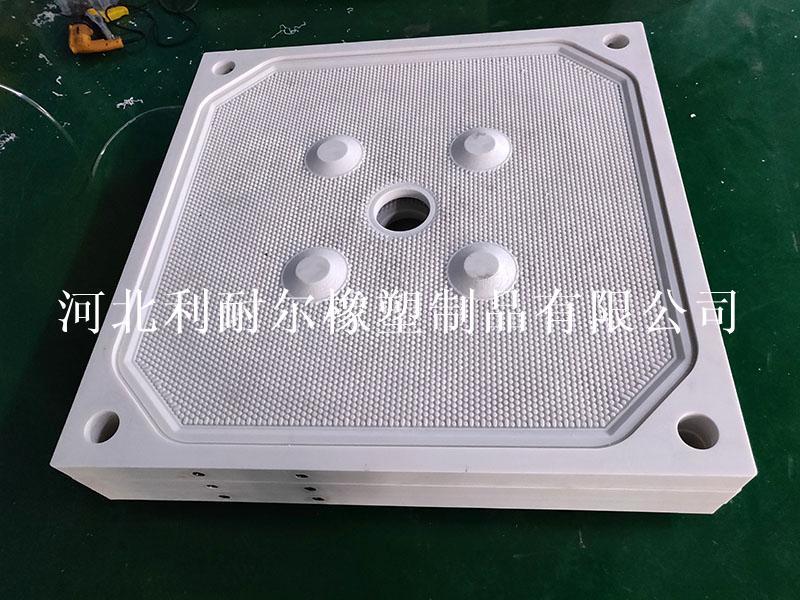
ProductMain products: vertical and horizontal imported and domestic filter plates, diaphragm plates, diaphragms and accessories; pinch valve sleeves and pinch valves and various mining accessories.
-
NewsIn 2013, our company's high-pressure cylinder with phenolic cloth support and guide ring obtained the national key new product certificate, project number: 2013GRA20011; its products in coal cylinders and engineering hydrauli
-
ServiceWe will actively cooperate with more enthusiasm, strengthen internal management, expand the market externally, improve various performance indicators of existing products, and truly achieve our win-win situation!
-
RecruitmentOur company always adheres to the talent concept of "people-oriented", provides a growth platform for talents, and realizes the common growth and development of enterprises and talents.


 Esperanto
 Shqiptare
 Euskara
 Zulu
Zulu
 Latinus
 Cymraeg
 தமிழ்
தமிழ்
 Slovak
 Slovak
 Afrikaans

Extend the Lifespan of Your Filter Press with Quality Seals: A Comprehensive Guide
Release time:
2025-06-04
Extend the Lifespan of Your Filter Press with Quality Seals In industrial applications, the filter press is a vital piece of equipment, playing a crucial role in the separation of liquids and solids. However, the longevity and efficiency of your filter press heavily rely on the quality of seals used in its operation. In this article, we will explore how investing in quality seals can extend the li
Extend the Lifespan of Your Filter Press with Quality Seals
In industrial applications, the filter press is a vital piece of equipment, playing a crucial role in the separation of liquids and solids. However, the longevity and efficiency of your filter press heavily rely on the quality of seals used in its operation. In this article, we will explore how investing in quality seals can extend the lifespan of your filter press, ensuring optimal performance and reducing maintenance costs.
Understanding Filter Press Functionality
Before delving into seals, it’s important to understand how a filter press works. A filter press operates by applying pressure to a slurry, causing the liquid to pass through a filter medium while retaining the solids. This process is essential in various industries, including wastewater treatment, food processing, and chemical manufacturing. The filter press comprises several key components, including the frame, plates, and most importantly, the seals that ensure a tight and efficient operation.
Key Components of a Filter Press
- Frame: Provides structural support and stability for the plates.
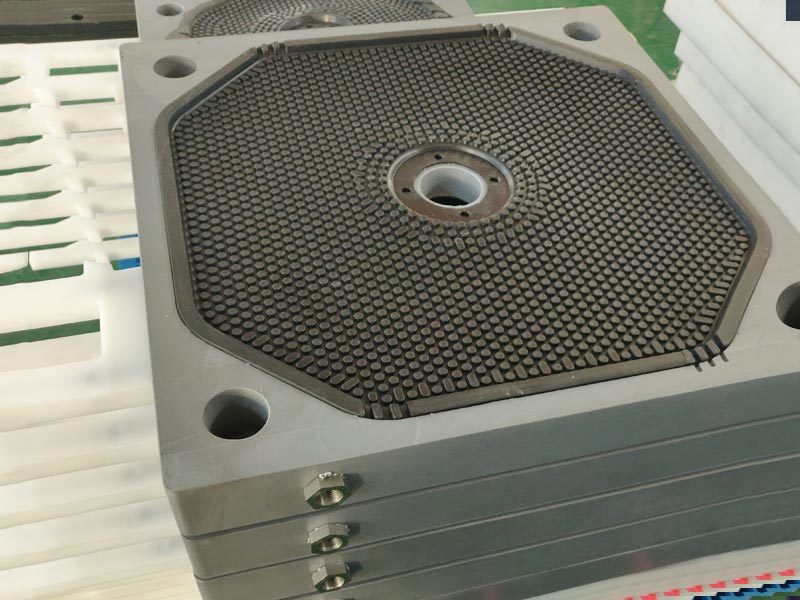
- Filter Plates: The surface where the filtration takes place, typically made of materials like polypropylene or stainless steel.
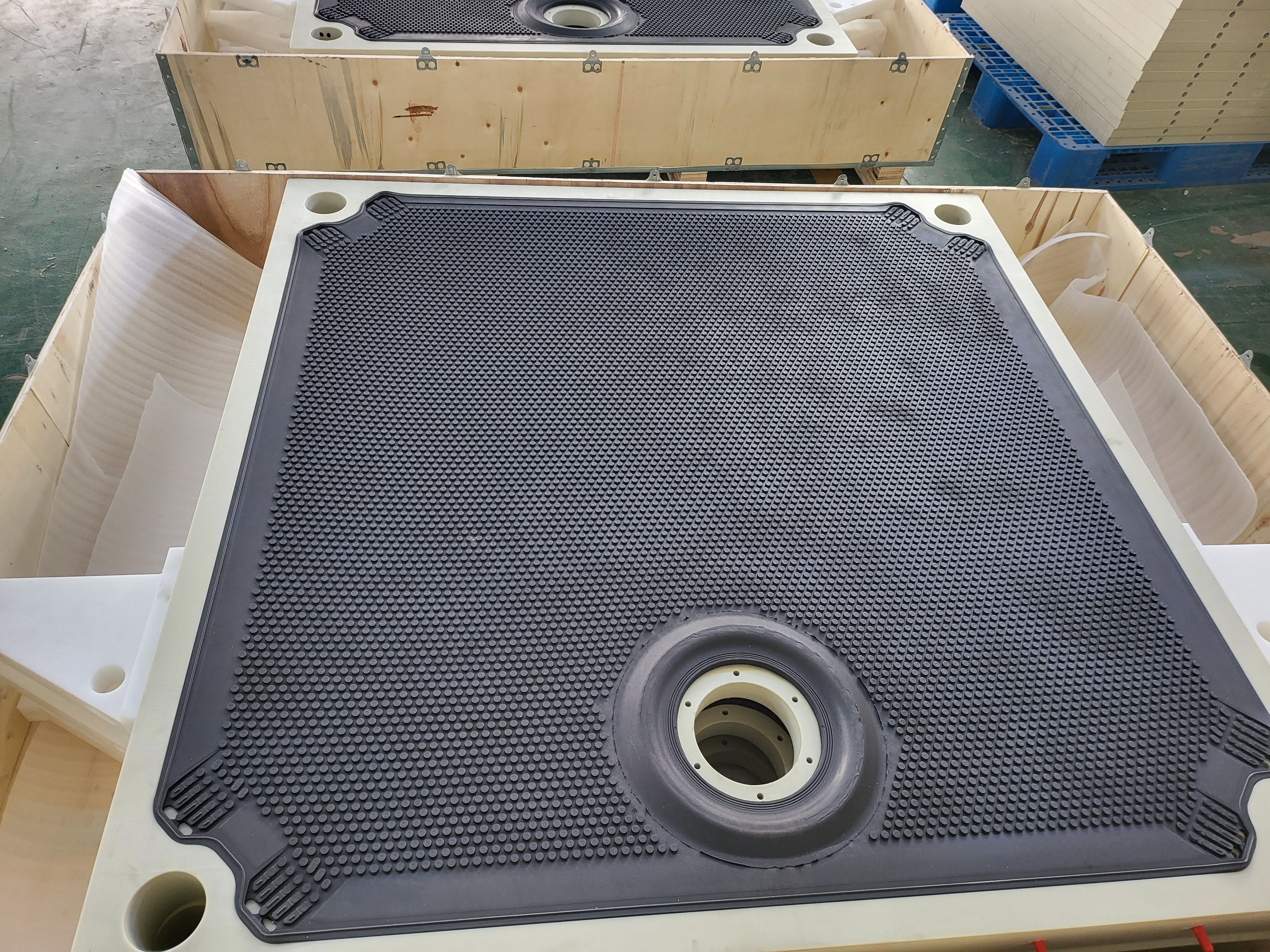
- Seals: Prevent leaks and maintain pressure during operation, ensuring efficient filtration.
- Pumping System: Moves the slurry into the filter press.
The Role of Seals in Filter Press Performance
Seals are integral to the operation of a filter press. They are responsible for preventing leaks and maintaining pressure, which directly affects the efficiency of the filtration process. High-quality seals can significantly enhance the performance and lifespan of your equipment. Here’s how:
Preventing Leaks
Leaks can lead to significant losses in both time and resources. Quality seals create a tight barrier that prevents the escape of fluids, ensuring that the filtration process remains uninterrupted. This not only improves efficiency but also reduces the risk of contamination.
Maintaining Pressure
Pressure is crucial in the operation of a filter press. Quality seals help maintain the necessary pressure by providing a robust barrier. If seals are worn or of poor quality, they can lead to pressure drops, resulting in suboptimal filtration and increased operational costs.
Enhancing Filtration Efficiency
When seals function correctly, they contribute to the overall efficiency of the filtration process. A well-sealed filter press can handle higher flow rates and achieve better separation of solids and liquids, leading to improved product quality.
Types of Seals Used in Filter Presses
Different types of seals are available for filter presses, each designed for specific applications and environments. Understanding these types can help you select the best option for your needs.
1. Rubber Seals
Rubber seals are commonly used due to their flexibility and ability to conform to various surfaces. They provide excellent sealing capabilities and are suitable for a wide range of temperatures and pressures. However, they may degrade faster in harsh chemical environments.
2. PTFE Seals
Polytetrafluoroethylene (PTFE) seals offer superior chemical resistance and are ideal for applications involving corrosive substances. They are less flexible than rubber seals but provide excellent durability and longevity, making them a popular choice for industrial applications.
3. Silicone Seals
Silicone seals are known for their high-temperature resistance and flexibility. They are suitable for applications that require extreme temperature variations and provide a good seal against fluids. However, they may not be as effective in high-pressure environments.
4. Foam Seals
Foam seals are lightweight and provide good cushioning, making them effective for applications that require shock absorption. They can conform to uneven surfaces, providing an effective seal in various conditions.
5. Custom Seals
In some cases, it may be necessary to use custom seals tailored to specific applications. These seals can be designed to meet unique operational requirements, ensuring optimal performance in challenging environments.
Best Practices for Seal Maintenance
To extend the lifespan of your filter press and its seals, regular maintenance is essential. Here are some best practices:
1. Regular Inspections
Conduct routine inspections of seals for signs of wear, cracking, or deformation. Early detection of issues can prevent leaks and maintain efficiency.
2. Cleaning Procedures
Keep seals clean and free from debris. Contaminants can cause wear and compromise the sealing ability. Use appropriate cleaning agents that do not damage seal materials.
3. Lubrication
Some seals may require lubrication to function effectively. Ensure that you use compatible lubricants that will not degrade the seal material.
4. Replacement Schedule
Establish a replacement schedule based on operational hours and the condition of seals. Proactive replacement can prevent unexpected failures and downtime.
Choosing the Right Seal for Your Filter Press
Selecting the right seal is crucial for optimal performance. Consider the following factors when making your choice:
1. Operating Conditions
Evaluate the temperature, pressure, and chemical exposure that the seals will encounter. This will guide you in selecting a material that can withstand your specific operational environment.
2. Seal Compatibility
Ensure that the seal material is compatible with the fluids being filtered. Using the wrong material can lead to premature degradation and failure.
3. Application Requirements
Consider the specific requirements of your filtration process. Some applications may require seals that can handle high pressures or extreme temperatures, while others may prioritize chemical resistance.
Cost Considerations: Investing in Quality Seals
While the initial investment in quality seals may be higher, the long-term benefits far outweigh the costs. Here’s why:
1. Reduced Maintenance Costs
High-quality seals minimize the risk of leaks and equipment failure, leading to lower maintenance costs over time. Regular replacements and repairs can be costly, and investing in quality prevents these expenses.
2. Improved Efficiency
Quality seals enhance the overall efficiency of your filter press, leading to higher productivity and output. This can translate to increased revenue and profitability for your operations.
3. Longevity of Equipment
By protecting your filter press from leaks and pressure loss, quality seals contribute to the overall longevity of the equipment. This means you won’t have to invest in a new filter press as frequently, saving money in the long run.
FAQs About Filter Press Seals
1. How often should I replace seals in my filter press?
Replacement frequency depends on the operating conditions and seal material. Regular inspections can help identify when seals need replacing.
2. What are the signs that my filter press seals need to be replaced?
Look for signs of wear, such as cracks, leaks, or deformation. If you experience pressure drops, it may also indicate seal failure.
3. Can I use any seal material for my application?
No, it’s essential to select seal material compatible with the fluids and operating conditions to prevent premature degradation.
4. What is the most durable seal material for filter presses?
PTFE seals are highly durable and resistant to chemical exposure, making them one of the best choices for demanding applications.
5. How can I extend the lifespan of my filter press seals?
Implement regular maintenance, including inspections, cleaning, and timely replacements, to ensure optimal performance and longevity.
Conclusion
Investing in quality seals for your filter press is crucial for extending its lifespan and ensuring efficient operation. By understanding the importance of seals, their types, and best maintenance practices, you can significantly enhance the performance of your filtration system. Remember, the right seal not only prevents leaks and maintains pressure but also contributes to overall productivity and profitability. Prioritize seal quality, and you’ll reap the rewards in the long run.
Related News