
-
AboutHebei Linaier Rubber Products Co., Ltd. is located in Duqiao Industrial Zone, Jingxian City, Hebei Province, adjacent to Dezhou, Shandong. Founded in early 2001 with a registered capital of 35 million yuan, it is a scientific

-
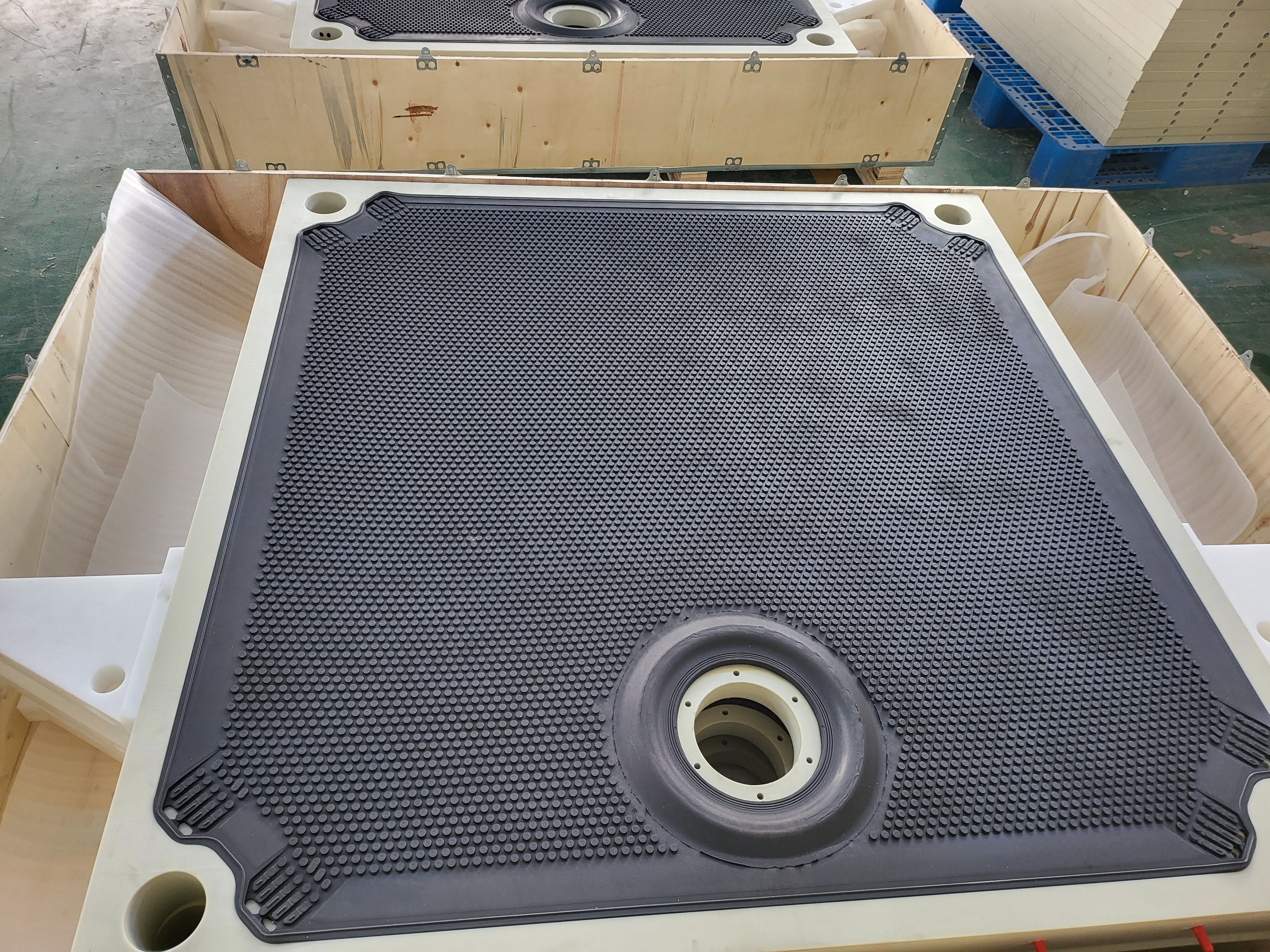
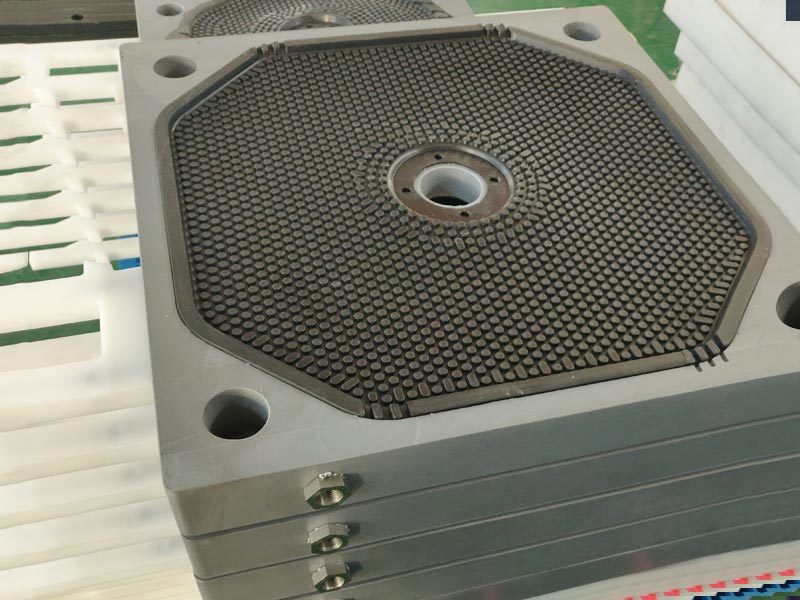
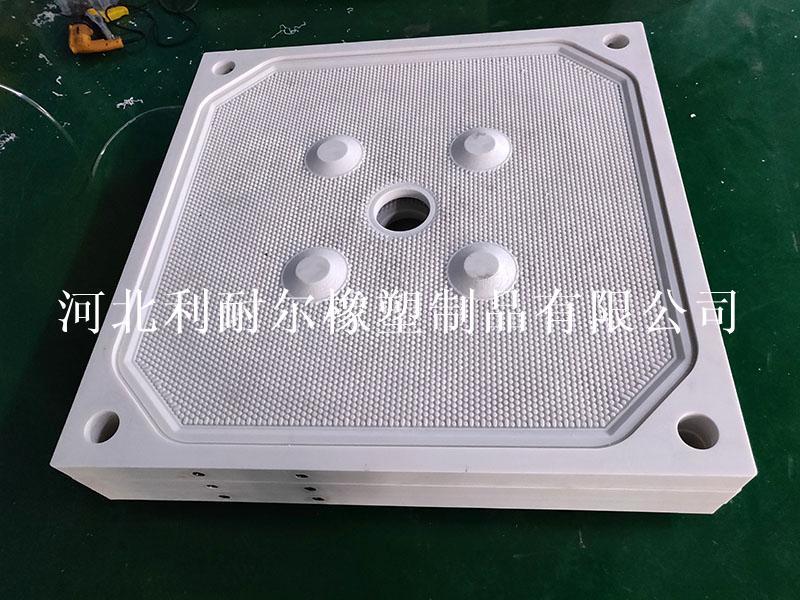
ProductMain products: vertical and horizontal imported and domestic filter plates, diaphragm plates, diaphragms and accessories; pinch valve sleeves and pinch valves and various mining accessories.
-
NewsIn 2013, our company's high-pressure cylinder with phenolic cloth support and guide ring obtained the national key new product certificate, project number: 2013GRA20011; its products in coal cylinders and engineering hydrauli
-
ServiceWe will actively cooperate with more enthusiasm, strengthen internal management, expand the market externally, improve various performance indicators of existing products, and truly achieve our win-win situation!
-
RecruitmentOur company always adheres to the talent concept of "people-oriented", provides a growth platform for talents, and realizes the common growth and development of enterprises and talents.


language
English
العربية
বাংলাদেশ
Български
Hrvatski
Česky
Dansk
Nederland
 Esperanto
Slovenski
Filipino
Suomi
Français
Maori
 Shqiptare
Georgian
 Euskara
Deutsch
Ελλάδα
ישראל
इंडिया
Magyarország
Ísland
Indonesia
Irlanda
Italia
日本語
Sovensko
Հայաստան
한국
Kyrgyz
ປະເທດລາວ
 Zulu
Zulu
Latvian
Lithuanian
Luxembourgish
 Latinus
Macedonian
Малайская
Maltese
Монгол улс
 Cymraeg
ဗမာ
 தமிழ்
தமிழ்
नेपाल
Norge
ایران
Polska
Portugal
România
Российская
Србија
 Slovak
Србија
 Slovak
Bosanski
Slovenian
Беларус
España
Sverige
Точик
ประเทศไทย
Türk
Azərbaycan
Uzbek
 Afrikaans
Việt Nam

Effortless Control and Reliable Performance: Pneumatic Pinch Valves
Release time:
2025-06-01
Effortless Control and Reliable Performance: Pneumatic Pinch Valves Table of Contents Introduction to Pneumatic Pinch Valves How Pneumatic Pinch Valves Work Key Components of Pneumatic Pinch Valves Benefits of Using Pneumatic Pinch Valves Applications of Pneumatic Pinch Valves Maintenance Tips for Pneumatic Pinch Valves Troubleshooting Common
Effortless Control and Reliable Performance: Pneumatic Pinch Valves
Table of Contents
- Introduction to Pneumatic Pinch Valves
- How Pneumatic Pinch Valves Work
- Benefits of Using Pneumatic Pinch Valves
- Applications of Pneumatic Pinch Valves
- Maintenance Tips for Pneumatic Pinch Valves
- Troubleshooting Common Issues
- Pneumatic Pinch Valves vs. Other Valve Types
- Conclusion
- Frequently Asked Questions
Introduction to Pneumatic Pinch Valves
Pneumatic pinch valves are vital components in fluid handling systems, known for their ability to control the flow of liquids and gases with remarkable precision. The design of these valves allows for **effortless control**, making them suitable for various applications across different industries. In this comprehensive article, we will explore how pneumatic pinch valves operate, their benefits, applications, maintenance, and more, to equip you with the knowledge needed for effective decision-making.
How Pneumatic Pinch Valves Work
Pneumatic pinch valves operate using the principle of **mechanical pinching** to control the flow of fluids. The valve consists of a flexible rubber sleeve, which is compressed by a mechanical actuator or a pneumatic mechanism. When the actuator is engaged, the sleeve pinches tightly, effectively stopping the flow of the medium. Once the actuator is deactivated, the sleeve returns to its original shape, allowing the fluid to pass through.
Key Components of Pneumatic Pinch Valves
A typical pneumatic pinch valve comprises several critical components that work together to provide seamless fluid control:
1. **Rubber Sleeve**: The heart of the pinch valve, this flexible component is designed to withstand various pressures and is crucial for the pinching mechanism.
2. **Actuator**: Usually a pneumatic cylinder, it applies pressure to the rubber sleeve, facilitating the pinching action.
3. **Body**: The valve body houses the rubber sleeve and actuator, often constructed from durable materials to withstand harsh industrial environments.
4. **Control System**: This may include electronic or manual controls to operate the actuator efficiently.
Benefits of Using Pneumatic Pinch Valves
Pneumatic pinch valves offer several advantages over traditional valve types, making them an optimal choice for many industrial applications:
1. **Minimal Leakage**: The rubber sleeve design ensures excellent sealing, reducing leakage and improving efficiency.
2. **Easy Maintenance**: With fewer moving parts and a simpler design, pneumatic pinch valves are easier to maintain and service, resulting in lower operational costs.
3. **Versatile Applications**: Suitable for a wide range of fluids, including abrasive and corrosive materials, these valves can adapt to various environments.
4. **Quick Response Time**: Pneumatic pinch valves provide rapid actuation, allowing for immediate control over fluid flow.
5. **Corrosion Resistance**: The materials used in pinch valves are often resistant to corrosion, prolonging the valve's lifespan and ensuring reliability.
Applications of Pneumatic Pinch Valves
Pneumatic pinch valves find applications across numerous industries due to their versatility and reliability. Here are some common uses:
1. **Food and Beverage Industry**: Used for controlling the flow of liquids, such as juices and sauces, ensuring hygiene and safety.
2. **Chemical Processing**: Ideal for handling corrosive chemicals, these valves maintain integrity and prevent contamination.
3. **Wastewater Treatment**: Effectively manage the flow of sludge and other wastewater materials, supporting environmental sustainability.
4. **Pharmaceuticals**: Ensure precise flow control in the production of medications, adhering to strict regulatory standards.
5. **Mining and Mineral Processing**: Manage the flow of slurries and abrasive materials, enhancing operational efficiency.
Maintenance Tips for Pneumatic Pinch Valves
To ensure optimal performance and longevity of pneumatic pinch valves, regular maintenance is essential. Here are some best practices:
1. **Regular Inspections**: Periodically check the rubber sleeve for signs of wear or damage, as this component is critical for effective operation.
2. **Clean the Valve**: Remove any buildup of materials on the valve body and sleeve to prevent blockage and ensure smooth operation.
3. **Check Actuator Functionality**: Ensure that the actuator is functioning properly and responding quickly to control signals.
4. **Monitor Pressure Levels**: Regularly check the pressure levels in the system to avoid overloading the valve.
5. **Replace Worn Parts**: Proactively replace any worn or damaged components to prevent premature valve failure.
Troubleshooting Common Issues
Despite their robust design, pneumatic pinch valves can encounter issues. Here are some common problems and their solutions:
1. **Leakage**: If a leak is detected, inspect the rubber sleeve for damage and replace it if necessary.
2. **Slow Response**: A slow actuation might indicate a problem with the actuator or insufficient air pressure. Check the system for leaks and ensure the actuator is functioning correctly.
3. **Blockage**: If flow is restricted, inspect the valve and surrounding piping for blockages or buildup of materials.
4. **Uneven Flow**: This may occur due to improper installation or calibration. Reassess the alignment of the valve and the control system settings.
Pneumatic Pinch Valves vs. Other Valve Types
When considering valve options, it’s essential to understand how pneumatic pinch valves compare to other types, such as globe valves and ball valves.
- **Globe Valves**: While globe valves offer good throttling capabilities, they can lead to more pressure drop and are less efficient for on-off applications compared to pinch valves.
- **Ball Valves**: Known for their reliability, ball valves can be more complex and may not handle as wide a range of materials as pinch valves. Additionally, they can be more challenging to maintain.
Overall, pneumatic pinch valves stand out for their ease of use, maintenance, and suitability for a variety of applications.
Conclusion
Pneumatic pinch valves offer **effortless control and reliable performance**, making them an excellent choice for various industrial applications. Their unique design, coupled with numerous benefits such as minimal leakage, ease of maintenance, and versatility, positions them as a preferred option in fluid handling systems. By understanding the operation, benefits, and maintenance of pneumatic pinch valves, industries can optimize their processes and enhance productivity.
Frequently Asked Questions
1. What materials are pneumatic pinch valves made from?
Pneumatic pinch valves are typically made from durable materials such as rubber for the sleeve and various metals for the body, ensuring resistance to corrosion and wear.
2. Can pneumatic pinch valves handle high-pressure applications?
Yes, pneumatic pinch valves can handle a range of pressure levels. However, the specific pressure rating will depend on the valve's design and materials.
3. How do I know when to replace the rubber sleeve?
Inspect the rubber sleeve regularly for visible signs of wear or damage. If you notice cracks, leaks, or reduced flexibility, it’s time for a replacement.
4. Are pneumatic pinch valves suitable for high-temperature applications?
Depending on the materials used in the construction, some pneumatic pinch valves can indeed handle high-temperature applications. Always refer to the manufacturer’s specifications for details.
5. How can I improve the efficiency of my pneumatic pinch valves?
Regular maintenance, ensuring proper installation, and using the correct actuator pressure can significantly enhance the efficiency of pneumatic pinch valves.
Related News