
-
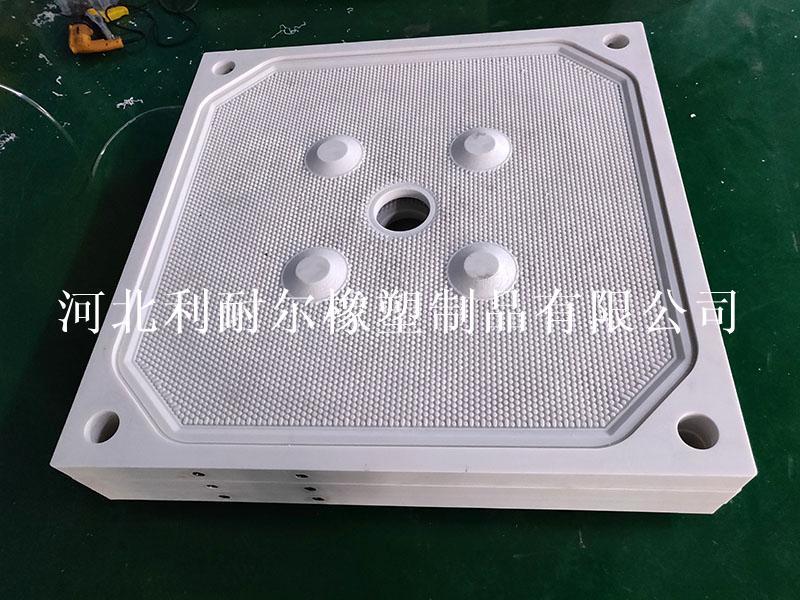
AboutHebei Linaier Rubber Products Co., Ltd. is located in Duqiao Industrial Zone, Jingxian City, Hebei Province, adjacent to Dezhou, Shandong. Founded in early 2001 with a registered capital of 35 million yuan, it is a scientific

-
ProductMain products: vertical and horizontal imported and domestic filter plates, diaphragm plates, diaphragms and accessories; pinch valve sleeves and pinch valves and various mining accessories.
-
NewsIn 2013, our company's high-pressure cylinder with phenolic cloth support and guide ring obtained the national key new product certificate, project number: 2013GRA20011; its products in coal cylinders and engineering hydrauli
-
ServiceWe will actively cooperate with more enthusiasm, strengthen internal management, expand the market externally, improve various performance indicators of existing products, and truly achieve our win-win situation!
-
RecruitmentOur company always adheres to the talent concept of "people-oriented", provides a growth platform for talents, and realizes the common growth and development of enterprises and talents.


language
English
العربية
বাংলাদেশ
Български
Hrvatski
Česky
Dansk
Nederland
 Esperanto
Slovenski
Filipino
Suomi
Français
Maori
 Shqiptare
Georgian
 Euskara
Deutsch
Ελλάδα
ישראל
इंडिया
Magyarország
Ísland
Indonesia
Irlanda
Italia
日本語
Sovensko
Հայաստան
한국
Kyrgyz
ປະເທດລາວ
 Zulu
Zulu
Latvian
Lithuanian
Luxembourgish
 Latinus
Macedonian
Малайская
Maltese
Монгол улс
 Cymraeg
ဗမာ
 தமிழ்
தமிழ்
नेपाल
Norge
ایران
Polska
Portugal
România
Российская
Србија
 Slovak
Србија
 Slovak
Bosanski
Slovenian
Беларус
España
Sverige
Точик
ประเทศไทย
Türk
Azərbaycan
Uzbek
 Afrikaans
Việt Nam

Enhancing Filtration Performance with Advanced Filtrate Collectors: A Comprehensive Guide
Release time:
2025-05-26
Enhancing Filtration Performance with Advanced Filtrate Collectors Table of Contents 1. Introduction to Filtration Technology 2. Importance of Filtration in Industrial Applications 3. What Are Advanced Filtrate Collectors? 4. Types of Advanced Filtrate Collectors 5. Benefits of Using Advanced Filtrate Collectors 6. Applications of Advanced Filtrate Collectors 7. Best Practices for E
Enhancing Filtration Performance with Advanced Filtrate Collectors
Table of Contents
- 1. Introduction to Filtration Technology
- 2. Importance of Filtration in Industrial Applications
- 3. What Are Advanced Filtrate Collectors?
- 4. Types of Advanced Filtrate Collectors
- 5. Benefits of Using Advanced Filtrate Collectors
- 6. Applications of Advanced Filtrate Collectors
- 7. Best Practices for Enhancing Filtration Performance
- 8. The Future of Filtration Technologies
- 9. Frequently Asked Questions
- 10. Conclusion
1. Introduction to Filtration Technology
Filtration technology plays a pivotal role in various industries, from pharmaceuticals to food and beverage manufacturing. The primary objective of filtration is to separate unwanted particles from liquids or gases, ensuring that the final product meets quality and safety standards. In our modern industrial landscape, advancements in filtration methods lead to more efficient and effective processes. This article explores the significance of advanced filtrate collectors in enhancing filtration performance.
2. Importance of Filtration in Industrial Applications
The need for effective filtration is paramount in industrial operations to maintain product integrity, reduce waste, and enhance productivity. Poor filtration can lead to contamination, product recalls, and increased operational costs. Some of the key reasons filtration is essential include:
2.1 Quality Assurance
Ensuring product quality is non-negotiable. Filtration removes impurities that could compromise the safety and effectiveness of products, especially in sensitive industries like pharmaceuticals.
2.2 Operational Efficiency
Effective filtration systems minimize downtime and maintenance needs, allowing companies to run their operations smoothly and efficiently.
2.3 Regulatory Compliance
Many industries are governed by strict regulations regarding product purity and safety. Advanced filtration technologies help organizations comply with these regulations, avoiding potential legal issues.
3. What Are Advanced Filtrate Collectors?
Advanced filtrate collectors are specialized devices designed to optimize the collection of filtered liquids or gases. Unlike traditional filtration systems, these collectors employ innovative technologies that enhance performance and efficiency. They are built to handle a wide range of applications, accommodating various flow rates and particle sizes.
4. Types of Advanced Filtrate Collectors
There are several types of advanced filtrate collectors, each tailored to specific industrial needs:
4.1 Membrane Filters
Membrane filters utilize selective permeability to separate particles based on size. They are highly effective for microfiltration and ultrafiltration processes.
4.2 Depth Filters
Depth filters are designed to capture particles throughout the filter's thickness, making them ideal for high-load applications. They often consist of fibrous materials that enhance their particulate retention capabilities.
4.3 Magnetic Filters
Magnetic filters use magnets to attract ferrous particles from liquids. They are particularly useful in industries where metal contaminants are a concern, such as food processing.
4.4 Cartridges and Bag Filters
Cartridge and bag filters offer a versatile solution for various filtration applications. They are easy to replace and can be used in both liquid and gas filtration systems.
4.5 Custom Filtration Solutions
For unique industrial challenges, custom filtration solutions can be designed to meet specific requirements, providing enhanced performance tailored to particular processes.
5. Benefits of Using Advanced Filtrate Collectors
Incorporating advanced filtrate collectors into your filtration system can yield numerous advantages:
5.1 Enhanced Filtration Efficiency
Advanced technologies improve the efficiency of particle removal, leading to cleaner outputs and better overall performance.
5.2 Reduced Operating Costs
By optimizing filtration processes, companies can reduce waste, minimize energy consumption, and cut down on maintenance expenses.
5.3 Improved Product Quality
With better filtration performance, the quality of the final product is significantly enhanced, reducing the risk of contamination.
5.4 Flexibility and Scalability
Many advanced filtrate collectors are designed to be adaptable, allowing businesses to scale their filtration systems as production demands change.
5.5 Environmental Sustainability
Efficient filtration processes contribute to sustainability efforts by reducing waste and energy use, aligning with corporate social responsibility goals.
6. Applications of Advanced Filtrate Collectors
Advanced filtrate collectors find applications across various industries, including:
6.1 Pharmaceutical Industry
In the pharmaceutical sector, ensuring the purity of products is critical. Advanced filtrate collectors play a vital role in maintaining stringent quality standards.
6.2 Chemical Processing
Chemical manufacturing often involves the separation of solids from liquids. Advanced filtration ensures that products meet necessary purity levels.
6.3 Food and Beverage Processing
In this industry, filtration is essential to remove contaminants and improve product quality. Advanced collectors can enhance the efficiency of these processes.
6.4 Water Treatment
Water treatment facilities utilize advanced filtration to remove harmful particles and ensure the safety of drinking water.
6.5 Oil and Gas Industry
In oil and gas exploration and production, effective filtration systems are critical for preventing system failures and maintaining product integrity.
7. Best Practices for Enhancing Filtration Performance
Adopting best practices in filtration can significantly enhance performance:
7.1 Regular Maintenance
Routine maintenance ensures that filtration systems operate at peak efficiency, preventing unexpected downtimes.
7.2 Choosing the Right Filter Media
Selecting the appropriate filter media based on the application can improve filtration results.
7.3 Monitoring and Adjusting Parameters
Keeping track of filtration parameters, such as pressure and flow rate, allows for timely adjustments that can optimize performance.
7.4 Training Staff
Educating staff on filtration processes and equipment helps in recognizing issues early and ensuring optimal operation.
8. The Future of Filtration Technologies
As industries evolve, so do filtration technologies. Future advancements promise even more efficient systems, including:
8.1 Smart Filtration Systems
Integrating IoT technology into filtration systems will enable remote monitoring and better data analysis for proactive maintenance.
8.2 Sustainable Materials
The development of eco-friendly filter media will contribute to more sustainable industrial processes.
8.3 Advanced Automation
Automation in filtration processes will enhance efficiency and reduce the risk of human error.
9. Frequently Asked Questions
9.1 What are the main components of an advanced filtrate collector?
Advanced filtrate collectors typically include filter media, housing, and collection systems designed to optimize performance.
9.2 How often should I replace my filters?
Replacement frequency depends on the application and filter type, but regular monitoring is essential to determine when replacements are necessary.
9.3 Are advanced filtrate collectors expensive?
While they may require a higher initial investment, the long-term savings and efficiency gains can justify the cost.
9.4 Can advanced filtrate collectors be customized?
Yes, many advanced filtrate collectors can be tailored to meet specific industrial needs.
9.5 What industries benefit most from advanced filtrate collectors?
Industries such as pharmaceuticals, food and beverage, water treatment, and chemical processing benefit significantly from advanced filtration technologies.
10. Conclusion
In conclusion, **enhancing filtration performance** with **advanced filtrate collectors** is essential for maintaining product quality and operational efficiency across various industries. By understanding the types, benefits, and best practices associated with these advanced technologies, businesses can make informed decisions that lead to improved results and a sustainable future. Embracing innovation in filtration technology is not just an option; it is a necessity for industries aiming for excellence and compliance in today's competitive landscape.
Related News