
-
AboutHebei Linaier Rubber Products Co., Ltd. is located in Duqiao Industrial Zone, Jingxian City, Hebei Province, adjacent to Dezhou, Shandong. Founded in early 2001 with a registered capital of 35 million yuan, it is a scientific

-
ProductMain products: vertical and horizontal imported and domestic filter plates, diaphragm plates, diaphragms and accessories; pinch valve sleeves and pinch valves and various mining accessories.
-
NewsIn 2013, our company's high-pressure cylinder with phenolic cloth support and guide ring obtained the national key new product certificate, project number: 2013GRA20011; its products in coal cylinders and engineering hydrauli
-
ServiceWe will actively cooperate with more enthusiasm, strengthen internal management, expand the market externally, improve various performance indicators of existing products, and truly achieve our win-win situation!
-
RecruitmentOur company always adheres to the talent concept of "people-oriented", provides a growth platform for talents, and realizes the common growth and development of enterprises and talents.


language
English
العربية
বাংলাদেশ
Български
Hrvatski
Česky
Dansk
Nederland
 Esperanto
Slovenski
Filipino
Suomi
Français
Maori
 Shqiptare
Georgian
 Euskara
Deutsch
Ελλάδα
ישראל
इंडिया
Magyarország
Ísland
Indonesia
Irlanda
Italia
日本語
Sovensko
Հայաստան
한국
Kyrgyz
ປະເທດລາວ
 Zulu
Zulu
Latvian
Lithuanian
Luxembourgish
 Latinus
Macedonian
Малайская
Maltese
Монгол улс
 Cymraeg
ဗမာ
 தமிழ்
தமிழ்
नेपाल
Norge
ایران
Polska
Portugal
România
Российская
Србија
 Slovak
Србија
 Slovak
Bosanski
Slovenian
Беларус
España
Sverige
Точик
ประเทศไทย
Türk
Azərbaycan
Uzbek
 Afrikaans
Việt Nam

Why High Efficiency Filter Press is Essential for Industrial Equipment
Release time:
2025-05-14
Introduction to High Efficiency Filter Presses In today’s fast-paced industrial landscape, maintaining efficiency and productivity is paramount. One of the most effective ways to achieve these goals is by utilizing **high efficiency filter presses**. These specialized filtration systems play a vital role in various industries, serving not only to separate solids from liquids but also to enhance ov
Introduction to High Efficiency Filter Presses
In today’s fast-paced industrial landscape, maintaining efficiency and productivity is paramount. One of the most effective ways to achieve these goals is by utilizing **high efficiency filter presses**. These specialized filtration systems play a vital role in various industries, serving not only to separate solids from liquids but also to enhance overall operational effectiveness.
Understanding High Efficiency Filter Presses
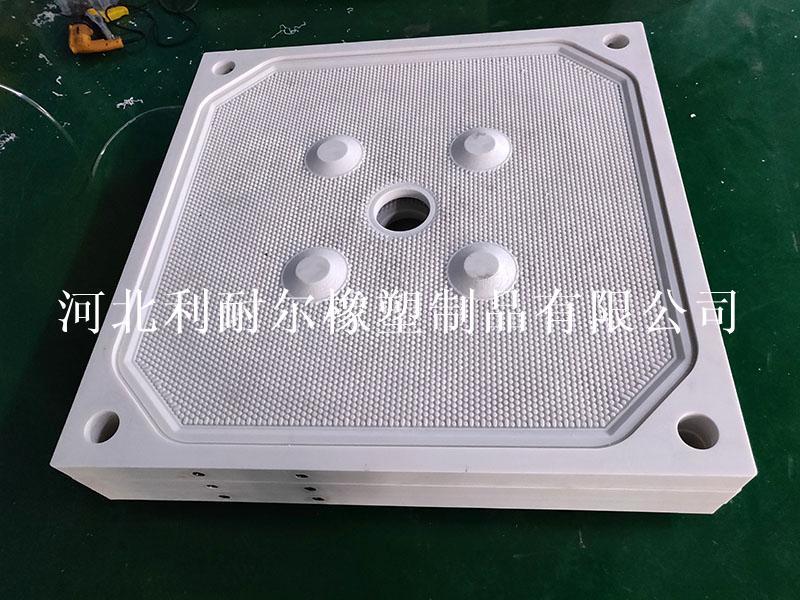
A **high efficiency filter press** is a mechanical device used for liquid-solid separation in industrial processes. Its design facilitates a high throughput and efficient removal of contaminants, making it an essential tool for many applications. The filter press operates by applying pressure to filter the slurry through a series of filter plates, thus ensuring a high-quality separation.
The Mechanism Behind High Efficiency Filter Presses
The operation of a filter press involves several key components:
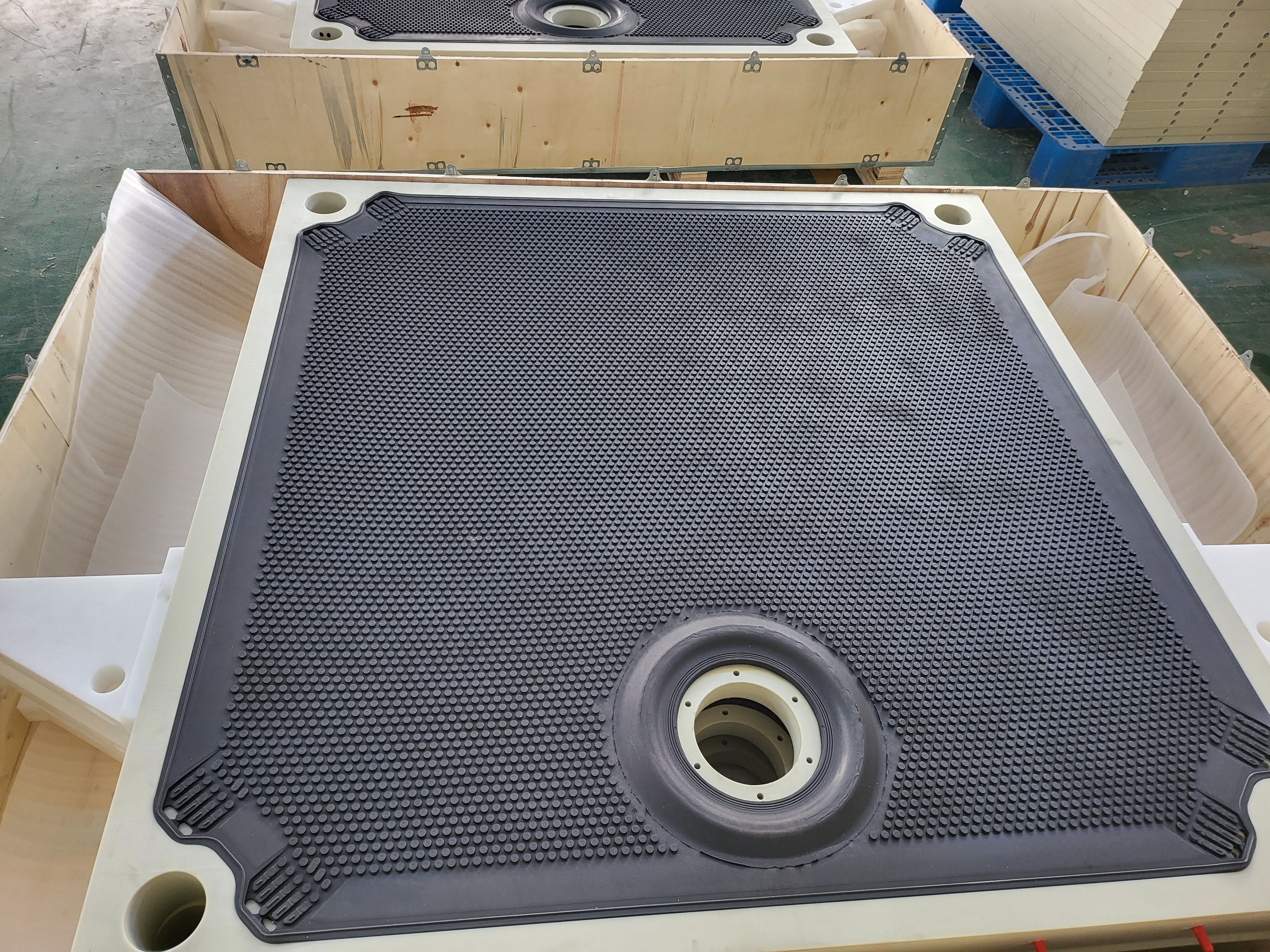
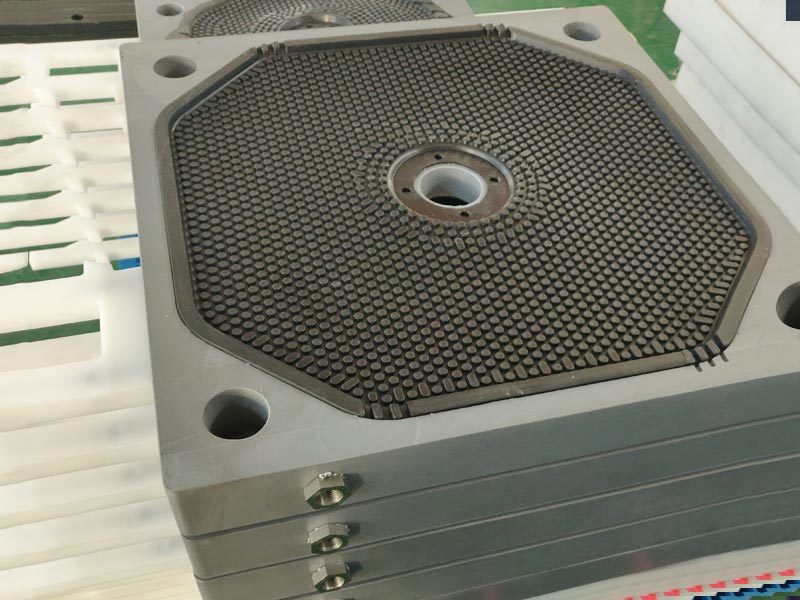
- **Filter Plates**: These are the primary components that hold the filter cloth and the slurry. The plates create chambers where the filtration takes place.
- **Filter Cloth**: This porous material allows liquid to pass through while retaining solid particles, ensuring efficient separation.
- **Hydraulic System**: This system applies pressure to the filter plates, enhancing the filtration process and minimizing downtime.
The Key Benefits of High Efficiency Filter Presses
1. **Increased Filtration Efficiency**: High efficiency filter presses provide superior filtration capabilities, producing cleaner filtrates and reducing the need for further processing.
2. **Cost Reduction**: By minimizing waste and enhancing recovery rates, these filter presses can significantly lower operational costs.
3. **Versatility**: They can be used across various industries, including mining, pharmaceuticals, and food processing, making them a versatile asset.
4. **Sustainability**: With the rising emphasis on sustainability, high efficiency filter presses contribute to environmentally-friendly practices by reducing waste and promoting resource recovery.
Applications of High Efficiency Filter Presses in Various Industries
High efficiency filter presses find applications across a multitude of industries, each benefiting from their unique capabilities.
Mining and Mineral Processing
In the mining industry, filter presses are crucial for the dewatering of slurries. This process not only boosts the recovery of valuable minerals but also minimizes water consumption, aligning with sustainable mining practices.
Pharmaceutical Manufacturing
In the pharmaceutical sector, the need for high purity in the final product is critical. High efficiency filter presses ensure that the manufacturing processes yield high-quality outputs by effectively removing impurities from the liquid media.
Food and Beverage Industry
The food industry relies heavily on high efficiency filter presses for separating solids from liquids, particularly in the production of juices, oils, and other beverages. This ensures quality control and extends the shelf life of products.
Factors to Consider When Choosing a High Efficiency Filter Press
Selecting the right filter press for your industrial needs involves several important considerations:
1. Size and Capacity
Understanding the volume of material you need to process is crucial. Filter presses come in various sizes, and selecting one that aligns with your processing capacity ensures optimal performance.
2. Material Compatibility
Ensure that the materials used in the construction of the filter press are compatible with the substances being processed. This prevents corrosion and prolongs the lifespan of the equipment.
3. Automation Features
Modern filter presses may come equipped with automated systems that enhance efficiency. Features like automatic cloth washing and cake discharge can significantly reduce labor costs and downtime.
Maintenance and Care for High Efficiency Filter Presses
To ensure the longevity and effectiveness of high efficiency filter presses, regular maintenance is essential.
Routine Inspection
Frequent inspections of the filter plates and cloths help identify wear and tear early on. This proactive approach minimizes downtime and ensures uninterrupted operations.
Cleaning Protocols
Establishing a comprehensive cleaning protocol is vital. Proper cleaning not only maintains the efficiency of the filter press but also minimizes cross-contamination risks.
Training Operators
Investing in operator training ensures that the personnel handling the filter press understand its operation and maintenance. Well-trained operators can troubleshoot issues promptly, enhancing overall efficiency.
Comparing High Efficiency Filter Presses with Other Filtration Systems
When evaluating filtration systems, it’s essential to compare high efficiency filter presses with other technologies.
High Efficiency Filter Press vs. Centrifuges
While centrifuges are effective for certain applications, high efficiency filter presses provide better solid-liquid separation quality and are often more energy-efficient in large-scale operations.
High Efficiency Filter Press vs. Belt Filters
Belt filters are suitable for specific applications but may not achieve the same level of clarity in the filtrate compared to high efficiency filter presses, making them less ideal for industries requiring high purity.
Future Trends in High Efficiency Filter Press Technology
The landscape of industrial filtration is continuously evolving. Here are some trends shaping the future of high efficiency filter presses:
1. Integration of IoT Technology
The Internet of Things (IoT) is paving the way for smarter filter presses. Real-time monitoring and analytics can help optimize processes and predictive maintenance.
2. Eco-Friendly Materials
With sustainability at the forefront of industrial practices, the development of eco-friendly materials for filter presses is gaining traction, further reducing their environmental impact.
FAQs About High Efficiency Filter Presses
1. What is the main advantage of a high efficiency filter press?
The main advantage is the superior filtration quality, which leads to cleaner outputs and reduced operational costs.
2. How often should I maintain my filter press?
Regular inspections should be conducted monthly, while deep cleaning and part replacements are usually recommended quarterly.
3. Can a high efficiency filter press handle viscous materials?
Yes, many high efficiency filter presses are designed to process viscous materials, but it’s essential to choose one specifically rated for such applications.
4. What industries benefit the most from high efficiency filter presses?
Industries such as mining, pharmaceuticals, and food processing significantly benefit from high efficiency filter presses due to their need for effective liquid-solid separation.
5. Are high efficiency filter presses energy-efficient?
Yes, they are designed to consume less energy compared to traditional filtration systems, making them cost-effective in the long run.
Conclusion
In conclusion, high efficiency filter presses are indispensable in modern industrial equipment. Their ability to enhance filtration quality, reduce waste, and promote sustainability reflects their critical role across various sectors. By understanding their mechanisms, applications, and maintenance needs, industries can harness their full potential, leading to improved operational efficiency and cost savings. As technology advances, high efficiency filter presses will continue to evolve, ensuring they remain at the forefront of industrial filtration solutions.
Related News