
-
AboutHebei Linaier Rubber Products Co., Ltd. is located in Duqiao Industrial Zone, Jingxian City, Hebei Province, adjacent to Dezhou, Shandong. Founded in early 2001 with a registered capital of 35 million yuan, it is a scientific

-
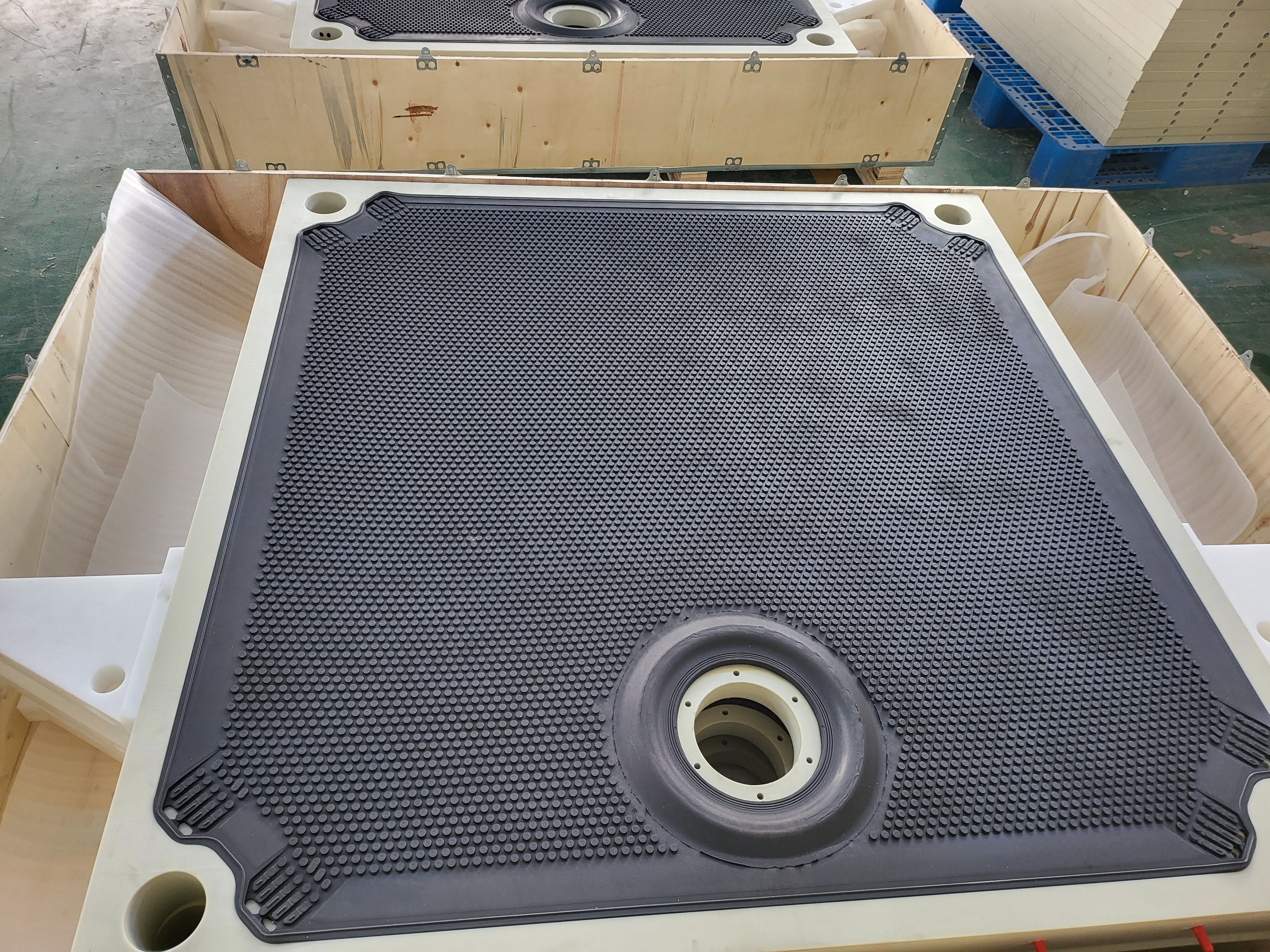
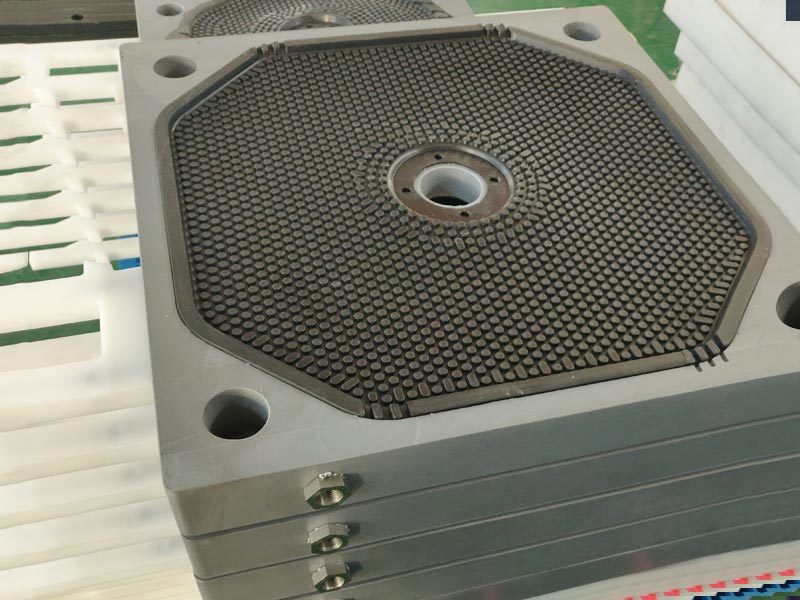
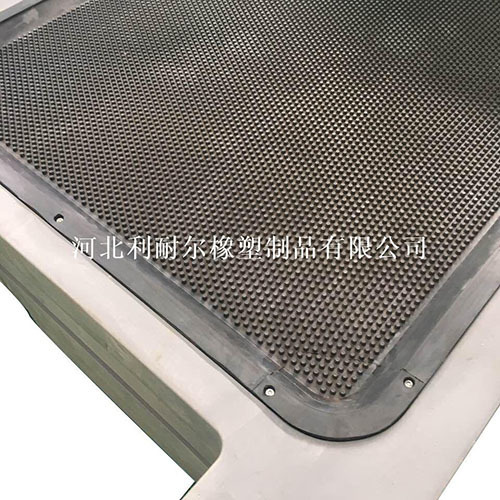
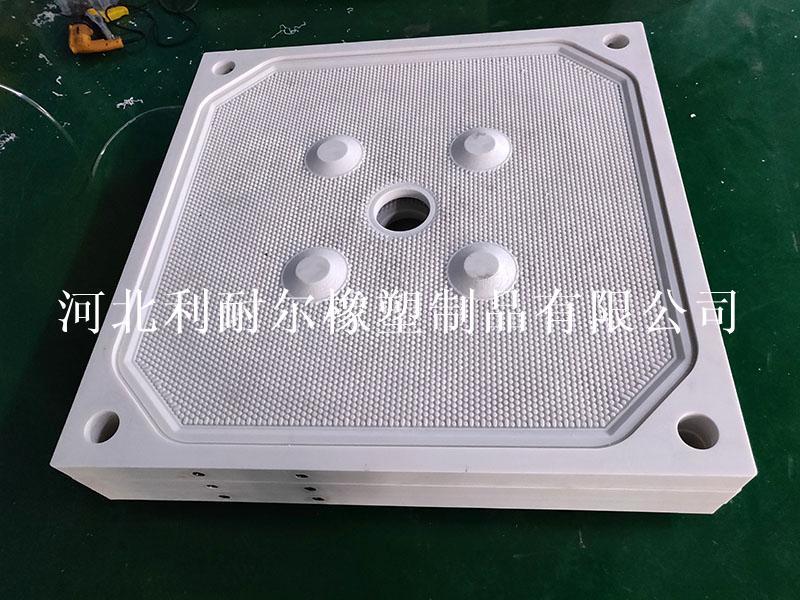
ProductMain products: vertical and horizontal imported and domestic filter plates, diaphragm plates, diaphragms and accessories; pinch valve sleeves and pinch valves and various mining accessories.
-
NewsIn 2013, our company's high-pressure cylinder with phenolic cloth support and guide ring obtained the national key new product certificate, project number: 2013GRA20011; its products in coal cylinders and engineering hydrauli
-
ServiceWe will actively cooperate with more enthusiasm, strengthen internal management, expand the market externally, improve various performance indicators of existing products, and truly achieve our win-win situation!
-
RecruitmentOur company always adheres to the talent concept of "people-oriented", provides a growth platform for talents, and realizes the common growth and development of enterprises and talents.


language
English
العربية
বাংলাদেশ
Български
Hrvatski
Česky
Dansk
Nederland
 Esperanto
Slovenski
Filipino
Suomi
Français
Maori
 Shqiptare
Georgian
 Euskara
Deutsch
Ελλάδα
ישראל
इंडिया
Magyarország
Ísland
Indonesia
Irlanda
Italia
日本語
Sovensko
Հայաստան
한국
Kyrgyz
ປະເທດລາວ
 Zulu
Zulu
Latvian
Lithuanian
Luxembourgish
 Latinus
Macedonian
Малайская
Maltese
Монгол улс
 Cymraeg
ဗမာ
 தமிழ்
தமிழ்
नेपाल
Norge
ایران
Polska
Portugal
România
Российская
Србија
 Slovak
Србија
 Slovak
Bosanski
Slovenian
Беларус
España
Sverige
Точик
ประเทศไทย
Türk
Azərbaycan
Uzbek
 Afrikaans
Việt Nam

The Impact of FI Cloth Guide Rings on Equipment ROI: A Comprehensive Analysis
Release time:
2025-04-17
The Impact of FI Cloth Guide Rings on Equipment ROI Table of Contents 1. Introduction to FI Cloth Guide Rings and ROI 2. What Are FI Cloth Guide Rings? 3. Key Benefits of Using FI Cloth Guide Rings 4. Applications of FI Cloth Guide Rings Across Industries 5. The Impact of FI Cloth Guide Rings on Equipment Performance 6. Measuring the ROI of FI Cloth Guide Rings 7. Best
The Impact of FI Cloth Guide Rings on Equipment ROI
Table of Contents
- 1. Introduction to FI Cloth Guide Rings and ROI
- 2. What Are FI Cloth Guide Rings?
- 3. Key Benefits of Using FI Cloth Guide Rings
- 4. Applications of FI Cloth Guide Rings Across Industries
- 5. The Impact of FI Cloth Guide Rings on Equipment Performance
- 6. Measuring the ROI of FI Cloth Guide Rings
- 7. Best Practices for Implementing FI Cloth Guide Rings
- 8. Frequently Asked Questions
- 9. Conclusion
1. Introduction to FI Cloth Guide Rings and ROI
In the industrial landscape, **ensuring optimal equipment performance** directly correlates with a company's return on investment (ROI). One critical component that plays a significant role in enhancing operational efficiency is the FI cloth guide ring. These specialized rings, designed for various applications, help reduce friction, wear, and tear on moving parts, ultimately leading to improved machinery longevity and performance. In this article, we will explore the multifaceted impact of FI cloth guide rings on equipment ROI, shedding light on their advantages, applications, and best practices for implementation.
2. What Are FI Cloth Guide Rings?
FI cloth guide rings are **precision-engineered components** utilized in various machinery to guide and support moving parts effectively. Made from high-quality materials such as polyester or nylon, these guide rings are designed to withstand harsh conditions while minimizing friction and wear. They are commonly used in:
- **Industrial machinery**: Ensuring smooth operation.
- **Conveyor systems**: Enhancing material flow.
- **Automation equipment**: Supporting precise movements.
Understanding the construction and function of FI cloth guide rings is crucial for recognizing their role in improving equipment ROI.
3. Key Benefits of Using FI Cloth Guide Rings
The integration of FI cloth guide rings into industrial applications offers numerous advantages:
3.1. Reduced Friction
Friction is a significant contributor to wear and tear on machinery. FI cloth guide rings provide a smooth surface for moving parts, significantly reducing friction levels. This reduction leads to:
- **Longer equipment life**: Less wear translates to extended service intervals and reduced replacement costs.
- **Enhanced efficiency**: Lower friction improves energy consumption, resulting in cost savings.
3.2. Improved Performance
By minimizing wear and ensuring proper alignment, FI cloth guide rings enhance the overall performance of machinery. This improvement manifests in:
- **Increased production rates**: More efficient operations can lead to higher output.
- **Consistency in manufacturing**: Reducing variability in machinery performance leads to better product quality.
3.3. Cost-Effectiveness
Initially, the investment in FI cloth guide rings may seem substantial. However, the long-term savings realized through reduced maintenance and increased productivity contribute to a better ROI. Key factors include:
- **Lower maintenance costs**: With reduced wear and tear, maintenance frequency decreases.
- **Minimized downtime**: Equipment operates more reliably, resulting in fewer production stoppages.
4. Applications of FI Cloth Guide Rings Across Industries
FI cloth guide rings find application across various sectors, showcasing their versatility:
4.1. Manufacturing
In the manufacturing sector, these guide rings ensure smooth operation in machinery such as lathes, milling machines, and CNC equipment. Their ability to reduce friction extends the life of cutting tools and other moving parts.
4.2. Food Processing
In food processing lines, FI cloth guide rings assist in maintaining hygienic conditions while ensuring the smooth flow of materials. Their non-reactive properties make them suitable for food contact applications.
4.3. Packaging
In packaging machinery, these guide rings help maintain precision in product placement and movement, leading to enhanced efficiency in the packaging process.
5. The Impact of FI Cloth Guide Rings on Equipment Performance
The performance of equipment is a critical factor in determining ROI. FI cloth guide rings enhance performance in several ways:
5.1. Enhanced Reliability
With reduced wear on moving parts and effective alignment, equipment reliability improves significantly. This reliability translates to:
- **Fewer operational interruptions**: A decrease in breakdowns leads to uninterrupted production cycles.
- **Increased trust in machinery**: Operators can rely on equipment to perform consistently, enhancing workforce morale.
5.2. Energy Efficiency
FI cloth guide rings help machinery operate more efficiently, leading to lower energy consumption. This efficiency has a direct impact on ROI through reduced utility costs.
6. Measuring the ROI of FI Cloth Guide Rings
To assess the financial impact of integrating FI cloth guide rings, consider the following:
6.1. Initial Investment vs. Long-term Savings
Calculate the upfront costs of purchasing and installing FI cloth guide rings against the expected savings in maintenance and operational costs over time.
6.2. Performance Metrics
Monitor key performance indicators (KPIs) such as downtime, maintenance frequency, and production rates to quantify the benefits of these guide rings.
6.3. Total Cost of Ownership (TCO)
Evaluate the TCO of machinery with and without FI cloth guide rings. This comprehensive analysis will offer insights into the financial advantages of using these components.
7. Best Practices for Implementing FI Cloth Guide Rings
To maximize the benefits of FI cloth guide rings, adhere to best practices:
7.1. Proper Selection and Sizing
Ensure that the right type and size of guide rings are selected for specific applications. Consider factors such as load capacity, material compatibility, and environmental conditions.
7.2. Regular Inspections
Conduct routine inspections of FI cloth guide rings to identify signs of wear or damage. Early detection of issues can prevent costly breakdowns.
7.3. Training and Education
Invest in training for operators and maintenance personnel to ensure they understand the importance and functionality of FI cloth guide rings, fostering better equipment care.
8. Frequently Asked Questions
8.1. What materials are FI cloth guide rings made from?
FI cloth guide rings are typically made from high-quality polyester or nylon, which are known for their durability and resistance to wear.
8.2. How do FI cloth guide rings improve equipment life?
By reducing friction and wear, FI cloth guide rings help protect moving parts, leading to a longer lifespan for the machinery.
8.3. Are there specific industries that benefit more from FI cloth guide rings?
While FI cloth guide rings are beneficial across various industries, manufacturing, food processing, and packaging sectors see significant advantages.
8.4. How can I assess the ROI of FI cloth guide rings?
Evaluate the initial investment against long-term savings on maintenance, energy costs, and improved production efficiency to measure ROI.
8.5. Can FI cloth guide rings be customized for specific applications?
Yes, FI cloth guide rings can be customized in terms of size, material, and design to meet specific application requirements.
9. Conclusion
The integration of FI cloth guide rings in industrial applications represents a strategic investment that significantly enhances equipment ROI. By reducing friction, improving performance, and promoting cost-effectiveness, these guide rings serve as essential components in various sectors. Implementing best practices and regularly assessing their impact can maximize the benefits, ensuring that companies achieve optimal productivity and profitability in their operations. As industries continue to evolve, the importance of quality components like FI cloth guide rings cannot be overstated in driving efficiency and success.
Related News