
-
AboutHebei Linaier Rubber Products Co., Ltd. is located in Duqiao Industrial Zone, Jingxian City, Hebei Province, adjacent to Dezhou, Shandong. Founded in early 2001 with a registered capital of 35 million yuan, it is a scientific

-
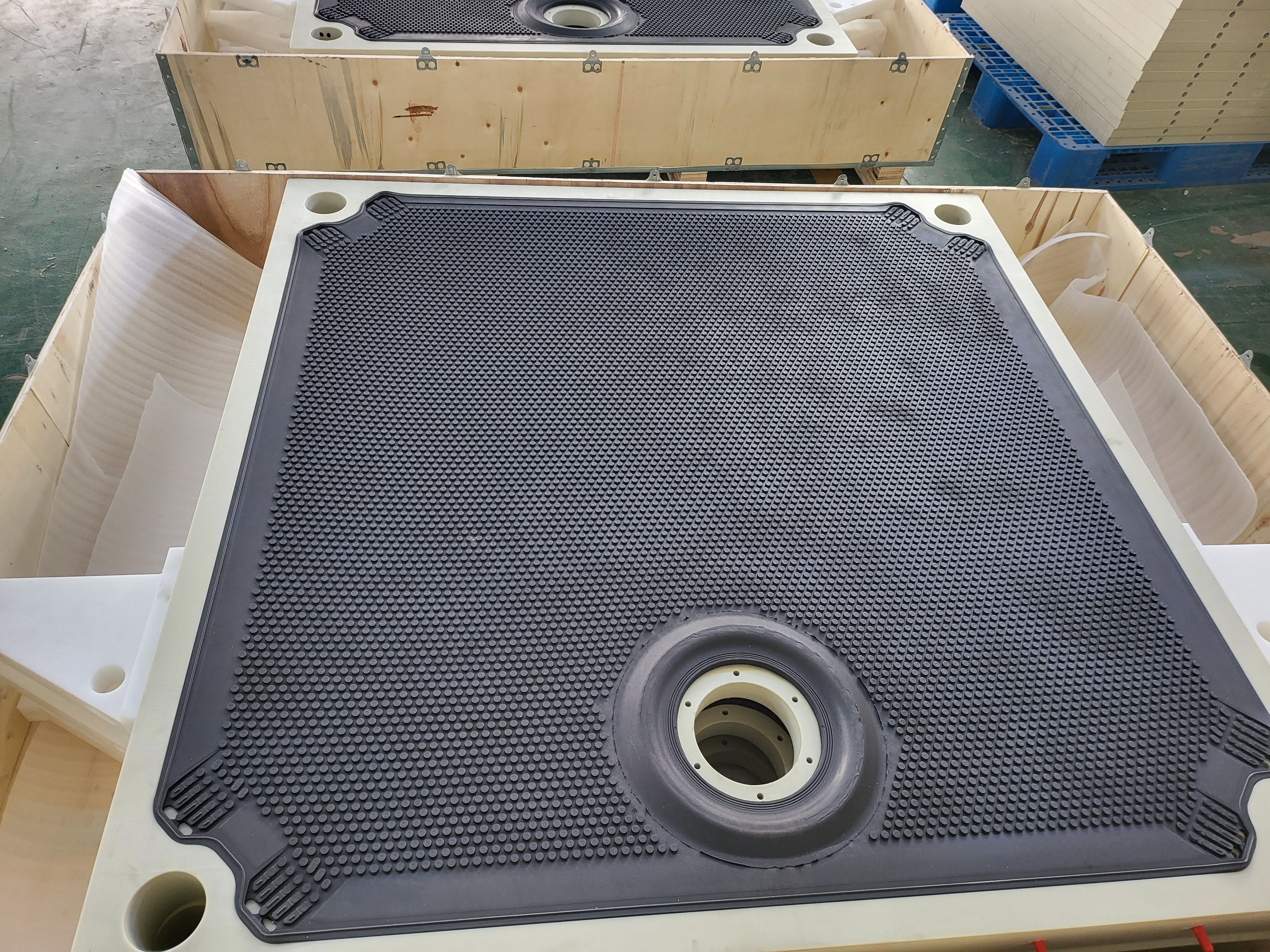
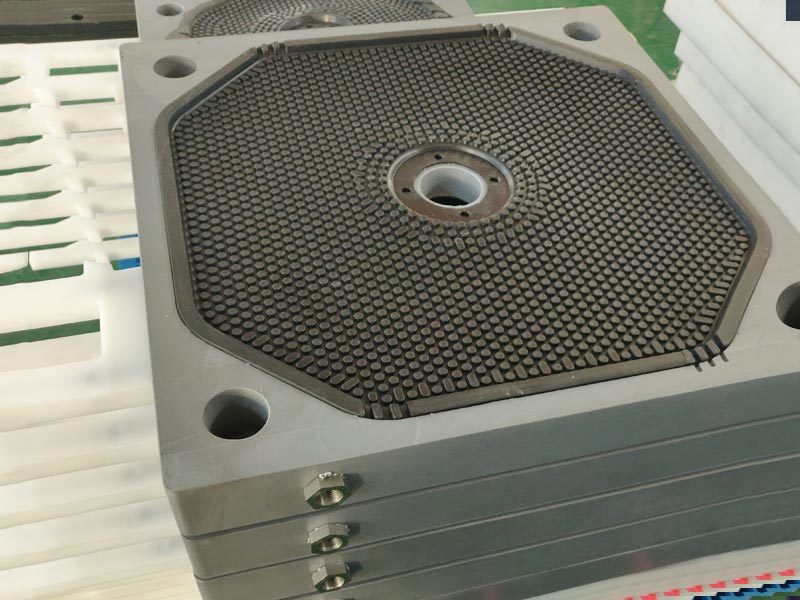
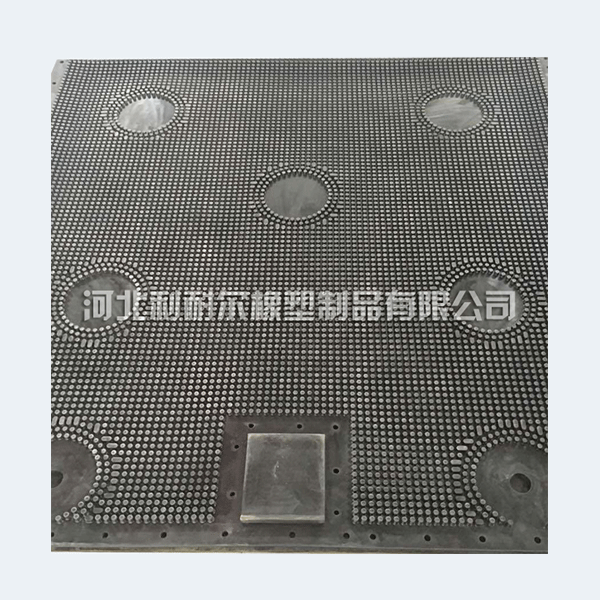
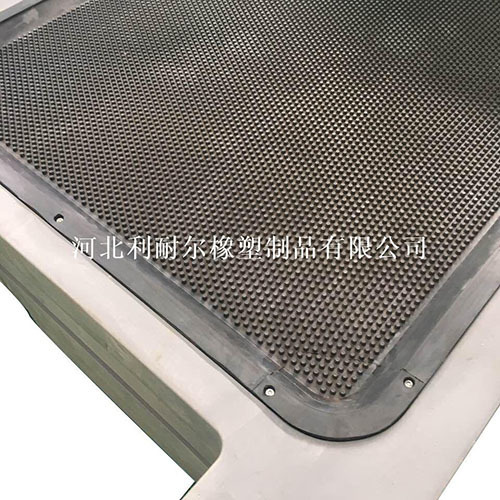
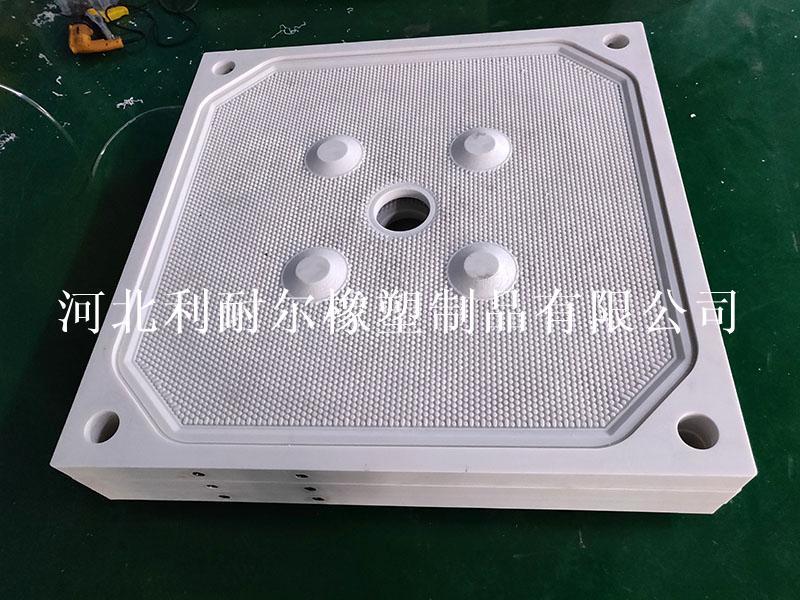
ProductMain products: vertical and horizontal imported and domestic filter plates, diaphragm plates, diaphragms and accessories; pinch valve sleeves and pinch valves and various mining accessories.
-
NewsIn 2013, our company's high-pressure cylinder with phenolic cloth support and guide ring obtained the national key new product certificate, project number: 2013GRA20011; its products in coal cylinders and engineering hydrauli
-
ServiceWe will actively cooperate with more enthusiasm, strengthen internal management, expand the market externally, improve various performance indicators of existing products, and truly achieve our win-win situation!
-
RecruitmentOur company always adheres to the talent concept of "people-oriented", provides a growth platform for talents, and realizes the common growth and development of enterprises and talents.


 Esperanto
 Shqiptare
 Euskara
 Zulu
Zulu
 Latinus
 Cymraeg
 தமிழ்
தமிழ்
 Slovak
 Slovak
 Afrikaans

Choosing the Right Phenolic Cloth Guide Ring for Your Application: The Ultimate Guide
Release time:
2025-04-11
Choosing the Right Phenolic Cloth Guide Ring for Your Application: The Ultimate Guide When it comes to optimizing the performance of industrial machinery, selecting the right components is vital. One such component that plays a critical role is the **phenolic cloth guide ring**. These guide rings are essential in various applications, providing support and stability. In this guide, we will explore
Choosing the Right Phenolic Cloth Guide Ring for Your Application: The Ultimate Guide
When it comes to optimizing the performance of industrial machinery, selecting the right components is vital. One such component that plays a critical role is the **phenolic cloth guide ring**. These guide rings are essential in various applications, providing support and stability. In this guide, we will explore everything you need to know about choosing the right phenolic cloth guide ring for your application.
Table of Contents
- Understanding Phenolic Cloth Guide Rings
- Applications of Phenolic Cloth Guide Rings
- Key Considerations When Choosing a Guide Ring
- Material Composition
- Temperature Resistance
- Load-Bearing Capacity
- Size and Dimensions
- Environmental Conditions
- Types of Phenolic Cloth Guide Rings
- Installation and Maintenance Tips
- Common Mistakes to Avoid
- Frequently Asked Questions (FAQs)
- Conclusion
Understanding Phenolic Cloth Guide Rings
Phenolic cloth guide rings are specialized components made from layers of woven fabric impregnated with phenolic resin. This combination results in a durable, lightweight material that can withstand significant wear and tear, making it an ideal choice for various industrial applications. The unique properties of phenolic cloth provide excellent mechanical strength, electrical insulation, and resistance to moisture and chemicals.
Applications of Phenolic Cloth Guide Rings
These guide rings are utilized in numerous industries, including:
- Aerospace: Ensuring stability and support in critical systems.
- Automotive: Used in braking systems, steering components, and more.
- Manufacturing: Essential in conveyor systems and machinery.
- Marine: Providing durability in harsh environments.
- Construction: Used in heavy machinery for stability and longevity.
Key Considerations When Choosing a Guide Ring
Selecting the right phenolic cloth guide ring requires careful consideration of several factors that align with your specific application needs. Here are the key aspects to evaluate:
Material Composition
The material composition significantly influences the performance and durability of the guide ring. Ensure that the phenolic cloth is of high quality and compatible with your application’s requirements. Look for rings with optimal resin content for added strength and longevity.
Temperature Resistance
Phenolic cloth guide rings are available in various grades, each designed to withstand different temperature ranges. It is crucial to assess the operating temperature of your machinery and choose a guide ring that can perform effectively under those conditions. Overheating can lead to failure and additional costs.
Load-Bearing Capacity
Understanding the load requirements of your application is vital. The guide ring must be able to support the weight and mechanical forces exerted during operation. Consult specifications to ensure that the chosen guide ring can handle the necessary loads without compromising performance.
Size and Dimensions
The size and dimensions of the guide ring should match the specific requirements of your machinery. Proper sizing ensures a secure fit and optimal performance. Measure the housing or assembly where the guide ring will be installed to select the appropriate size.
Environmental Conditions
Consider the environmental factors in which the guide ring will be operating. Exposure to chemicals, moisture, or extreme temperatures can affect the performance and lifespan of the guide ring. Choose a phenolic cloth with the necessary resistance to these conditions.
Types of Phenolic Cloth Guide Rings
Several types of phenolic cloth guide rings are available, each tailored for specific applications:
- Standard Phenolic Rings: Suitable for general applications where moderate strength and resistance are required.
- High-Temperature Phenolic Rings: Designed for applications with elevated temperature exposure, providing enhanced thermal stability.
- Electrical Insulating Rings: Ideal for applications requiring electrical insulation, often used in electrical machinery.
- Moisture-Resistant Rings: Perfect for environments with high humidity or exposure to liquids.
Installation and Maintenance Tips
Proper installation and maintenance of phenolic cloth guide rings are crucial for maximizing their performance and lifespan. Here are some tips:
Installation Guidelines
1. **Clean the Surface**: Ensure that the installation surface is free from debris and contaminants.
2. **Check for Proper Alignment**: Align the guide ring correctly to avoid undue stress during operation.
3. **Securely Fasten**: Use appropriate fasteners and techniques to secure the guide ring in place, ensuring it does not move during operation.
Maintenance Practices
1. **Regular Inspections**: Periodically inspect the guide rings for wear, damage, or misalignment.
2. **Lubrication**: If applicable, lubricate the guide rings to reduce friction and wear.
3. **Replace as Necessary**: Be proactive in replacing guide rings that show signs of significant wear or damage to avoid failure during operation.
Common Mistakes to Avoid
Choosing the wrong phenolic cloth guide ring can lead to operational inefficiencies and increased costs. Here are some common mistakes to avoid:
1. Overlooking Application Requirements
Always evaluate the specific requirements of your application. Failing to do so may result in selecting an inappropriate guide ring that cannot perform adequately.
2. Ignoring Manufacturer Specifications
Manufacturers provide crucial specifications for their products. Ignoring these details can lead to compatibility issues and performance failures.
3. Neglecting Environmental Factors
Do not underestimate the impact of environmental conditions. Selecting a guide ring that cannot withstand the operating environment will lead to premature failure.
Frequently Asked Questions (FAQs)
1. What is a phenolic cloth guide ring?
A phenolic cloth guide ring is a durable component made from woven fabric and phenolic resin, designed to provide support and stability in various industrial applications.
2. How do I determine the correct size for a guide ring?
Measure the housing or assembly where the guide ring will be installed to ensure an accurate fit. Consult product specifications for available sizes.
3. Can phenolic cloth guide rings be used in electrical applications?
Yes, certain types of phenolic cloth guide rings are specifically designed for electrical insulation and can be effectively used in electrical machinery.
4. How often should I inspect my guide rings?
It is recommended to inspect guide rings regularly, depending on application conditions. More frequent inspections may be necessary in harsh environments.
5. What are the signs that a guide ring needs to be replaced?
Look for signs of significant wear, cracking, misalignment, or any performance issues. Replacing them promptly can prevent operational failures.
Conclusion
Choosing the right phenolic cloth guide ring for your application is essential for ensuring optimal performance and longevity of your equipment. By understanding the properties, applications, and key considerations, you can make informed decisions that will enhance the efficiency of your machinery. Always remember to consider environmental factors, load requirements, and proper installation practices to maximize the life of your phenolic cloth guide rings. Making educated choices today will lead to better performance tomorrow.
Related News