
-
AboutHebei Linaier Rubber Products Co., Ltd. is located in Duqiao Industrial Zone, Jingxian City, Hebei Province, adjacent to Dezhou, Shandong. Founded in early 2001 with a registered capital of 35 million yuan, it is a scientific

-
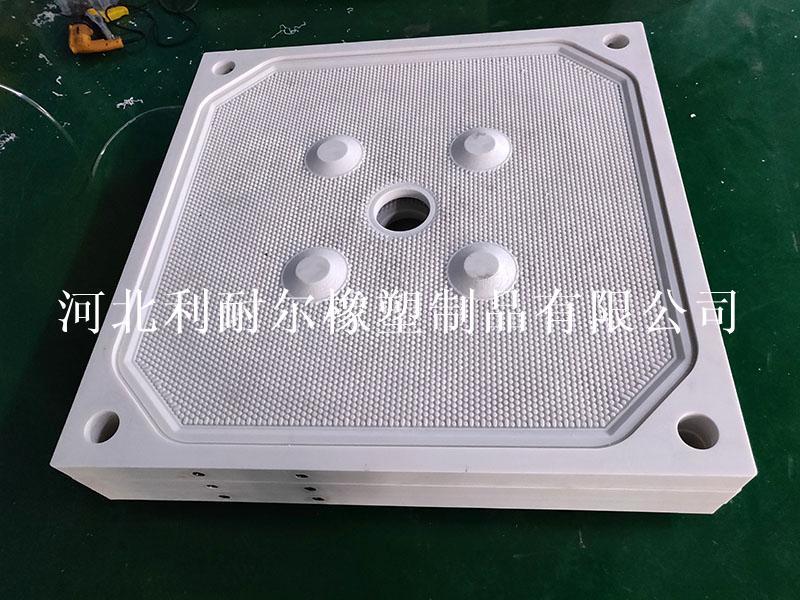
ProductMain products: vertical and horizontal imported and domestic filter plates, diaphragm plates, diaphragms and accessories; pinch valve sleeves and pinch valves and various mining accessories.
-
NewsIn 2013, our company's high-pressure cylinder with phenolic cloth support and guide ring obtained the national key new product certificate, project number: 2013GRA20011; its products in coal cylinders and engineering hydrauli
-
ServiceWe will actively cooperate with more enthusiasm, strengthen internal management, expand the market externally, improve various performance indicators of existing products, and truly achieve our win-win situation!
-
RecruitmentOur company always adheres to the talent concept of "people-oriented", provides a growth platform for talents, and realizes the common growth and development of enterprises and talents.


language
English
العربية
বাংলাদেশ
Български
Hrvatski
Česky
Dansk
Nederland
 Esperanto
Slovenski
Filipino
Suomi
Français
Maori
 Shqiptare
Georgian
 Euskara
Deutsch
Ελλάδα
ישראל
इंडिया
Magyarország
Ísland
Indonesia
Irlanda
Italia
日本語
Sovensko
Հայաստան
한국
Kyrgyz
ປະເທດລາວ
 Zulu
Zulu
Latvian
Lithuanian
Luxembourgish
 Latinus
Macedonian
Малайская
Maltese
Монгол улс
 Cymraeg
ဗမာ
 தமிழ்
தமிழ்
नेपाल
Norge
ایران
Polska
Portugal
România
Российская
Србија
 Slovak
Србија
 Slovak
Bosanski
Slovenian
Беларус
España
Sverige
Точик
ประเทศไทย
Türk
Azərbaycan
Uzbek
 Afrikaans
Việt Nam

Choosing the Right Seal Components for Your Press Filter: A Comprehensive Guide
Release time:
2025-03-30
Choosing the Right Seal Components for Your Press Filter: A Comprehensive Guide Table of Contents 1. Introduction 2. Understanding Seal Components 2.1 Types of Seal Components 2.2 Materials Used in Seals 3. Importance of Proper Seal Selection 4. Factors Affecting Seal Performance 4.1 Pressure and Temperature
Choosing the Right Seal Components for Your Press Filter: A Comprehensive Guide
Table of Contents
- 1. Introduction
- 2. Understanding Seal Components
- 3. Importance of Proper Seal Selection
- 4. Factors Affecting Seal Performance
- 5. Seal Maintenance Practices
- 6. Case Studies
- 7. Choosing the Right Seal: A Step-by-Step Approach
- 8. Frequently Asked Questions
- 9. Conclusion
1. Introduction
In the world of industrial filtration, **press filters** play a crucial role in ensuring efficient separation processes. The effectiveness of these systems heavily relies on the integrity of their **seal components**. Selecting the right seal components is vital for enhancing the performance of press filters, reducing operational costs, and prolonging the lifespan of equipment. This comprehensive guide aims to equip you with the knowledge to make informed decisions regarding seal components for press filters, ensuring optimal functionality and reliability.
2. Understanding Seal Components
Seal components are critical elements that prevent leaks and maintain system integrity in press filters. Understanding their types and the materials used is essential for making informed choices.
2.1 Types of Seal Components
Seal components can be classified into various types, each serving a specific function. Common types include:
- **O-Rings:** Circular seals that provide a tight fit in cylindrical assemblies, preventing leaks in dynamic and static applications.
- **Gaskets:** Flat seals used to fill the space between two or more mating surfaces, effectively blocking the passage of fluids.
- **Sleeves:** Often utilized in conjunction with O-rings, sleeves provide an extra layer of protection against wear and tear.
- **Lip Seals:** These seals feature a lip that presses against a surface, ideal for keeping contaminants out while retaining lubricants.
2.2 Materials Used in Seals
The material of the seal component significantly influences its performance. Some commonly used materials include:
- **Nitrile Rubber (NBR):** Known for its excellent oil resistance, NBR is widely used for O-rings and gaskets.
- **Fluoroelastomers (FKM):** Offering high-temperature resistance and chemical compatibility, they are ideal for challenging environments.
- **PTFE (Polytetrafluoroethylene):** This material is non-reactive and possesses excellent chemical resistance, making it suitable for aggressive media.
- **Silicone:** Known for flexibility and temperature resistance, silicone is ideal for applications involving extreme temperature fluctuations.
3. Importance of Proper Seal Selection
Choosing the right seal components is critical for several reasons. First and foremost, it directly affects the **efficiency** of the press filter system. Proper seals prevent leaks, minimizing product loss and contamination. Additionally, well-selected seals reduce maintenance needs and prolong equipment life, resulting in lower operational costs and improved safety.
4. Factors Affecting Seal Performance
Several factors can impact the performance of seal components in press filters. Understanding these factors is essential for making the right choices.
4.1 Pressure and Temperature
Seals must withstand the operational pressure and temperature of the press filter system. Selecting seals rated for the specific pressure and temperature conditions will prevent premature failure and inefficiencies.
4.2 Chemical Compatibility
The seal material should be compatible with the chemicals involved in the filtration process. Incompatible materials may degrade quickly, leading to failures and increased maintenance costs.
4.3 Mechanical Load
Understanding the mechanical load on seal components is crucial. Seals must be able to endure the stresses and strains of operation without losing their integrity.
5. Seal Maintenance Practices
Regular maintenance of seal components is vital to ensure optimal performance. Here are some best practices:
- **Routine Inspections:** Conduct regular inspections to identify wear and tear, replace seals before they fail.
- **Proper Lubrication:** Use suitable lubricants to minimize friction and prolong seal life.
- **Environmental Monitoring:** Ensure that seals are exposed to the right environmental conditions to prevent degradation.
6. Case Studies
Examining real-world examples helps illustrate the importance of proper seal selection. For instance, a chemical processing plant faced frequent seal failures due to chemical incompatibility. By switching to FKM seals, they significantly reduced downtime and maintenance costs, demonstrating the impact of informed seal selection.
7. Choosing the Right Seal: A Step-by-Step Approach
Selecting the right seal for your press filter involves a systematic approach:
1. **Assess Operational Conditions:** Identify the pressure, temperature, and chemical environment that the seal will operate in.
2. **Determine Seal Type Needed:** Based on your assessment, decide whether an O-ring, gasket, or another seal type is most appropriate.
3. **Evaluate Material Options:** Consider the characteristics of various materials and select one that aligns with your operational needs.
4. **Consult Manufacturer Specifications:** Always refer to the manufacturer’s guidelines for recommended seals for specific applications.
5. **Test and Validate:** If possible, conduct trials to validate the performance of the selected seal before full-scale implementation.
8. Frequently Asked Questions
What is the most common seal material used in press filters?
Nitrile rubber (NBR) is commonly used due to its oil resistance and versatility in many applications.
How often should seals be replaced in a press filter?
Seals should be inspected regularly and replaced based on wear and environmental conditions, generally every 6 to 12 months.
What factors contribute to seal failure?
Common factors include chemical incompatibility, excessive pressure, extreme temperatures, and mechanical load beyond the seal's rated capacity.
Can I use the same seal for different operating conditions?
No. Each operating condition requires specific seal characteristics. Always assess the conditions before choosing a seal.
How can I extend the lifespan of seal components?
Regular maintenance, proper lubrication, and selecting the appropriate seal for the specific application can significantly extend seal lifespan.
9. Conclusion
Choosing the right seal components for your press filter is a critical decision that can dramatically impact the efficiency and reliability of your filtration system. By understanding the types of seals, the materials used, and the factors affecting their performance, you can make informed choices that enhance the operational integrity of your equipment. Regular maintenance and adherence to best practices further ensure that your press filter operates optimally, minimizing downtime and maximizing productivity. Whether you are in the chemical processing industry, food and beverage, or any sector utilizing press filters, prioritizing the selection of high-quality seal components will lead to sustained success.
Related News