
-
AboutHebei Linaier Rubber Products Co., Ltd. is located in Duqiao Industrial Zone, Jingxian City, Hebei Province, adjacent to Dezhou, Shandong. Founded in early 2001 with a registered capital of 35 million yuan, it is a scientific

-
ProductMain products: vertical and horizontal imported and domestic filter plates, diaphragm plates, diaphragms and accessories; pinch valve sleeves and pinch valves and various mining accessories.
-
NewsIn 2013, our company's high-pressure cylinder with phenolic cloth support and guide ring obtained the national key new product certificate, project number: 2013GRA20011; its products in coal cylinders and engineering hydrauli
-
ServiceWe will actively cooperate with more enthusiasm, strengthen internal management, expand the market externally, improve various performance indicators of existing products, and truly achieve our win-win situation!
-
RecruitmentOur company always adheres to the talent concept of "people-oriented", provides a growth platform for talents, and realizes the common growth and development of enterprises and talents.


language
English
العربية
বাংলাদেশ
Български
Hrvatski
Česky
Dansk
Nederland
 Esperanto
Slovenski
Filipino
Suomi
Français
Maori
 Shqiptare
Georgian
 Euskara
Deutsch
Ελλάδα
ישראל
इंडिया
Magyarország
Ísland
Indonesia
Irlanda
Italia
日本語
Sovensko
Հայաստան
한국
Kyrgyz
ປະເທດລາວ
 Zulu
Zulu
Latvian
Lithuanian
Luxembourgish
 Latinus
Macedonian
Малайская
Maltese
Монгол улс
 Cymraeg
ဗမာ
 தமிழ்
தமிழ்
नेपाल
Norge
ایران
Polska
Portugal
România
Российская
Србија
 Slovak
Србија
 Slovak
Bosanski
Slovenian
Беларус
España
Sverige
Точик
ประเทศไทย
Türk
Azərbaycan
Uzbek
 Afrikaans
Việt Nam

Understanding the Functionality of 1516 Diaphragm Plate in Other Filtering Materials
Release time:
2025-02-16
Understanding the Functionality of 1516 Diaphragm Plate in Other Filtering Materials Filtering materials play a crucial role in various industrial processes, ensuring the removal of unwanted contaminants and particles from liquids and gases. Among these materials, the **1516 diaphragm plate** stands out for its unique functionality and versatility. In this article, we will explore its significance
Understanding the Functionality of 1516 Diaphragm Plate in Other Filtering Materials
Filtering materials play a crucial role in various industrial processes, ensuring the removal of unwanted contaminants and particles from liquids and gases. Among these materials, the **1516 diaphragm plate** stands out for its unique functionality and versatility. In this article, we will explore its significance, applications, and how it integrates with other filtering materials to optimize efficiency.
What is a 1516 Diaphragm Plate?
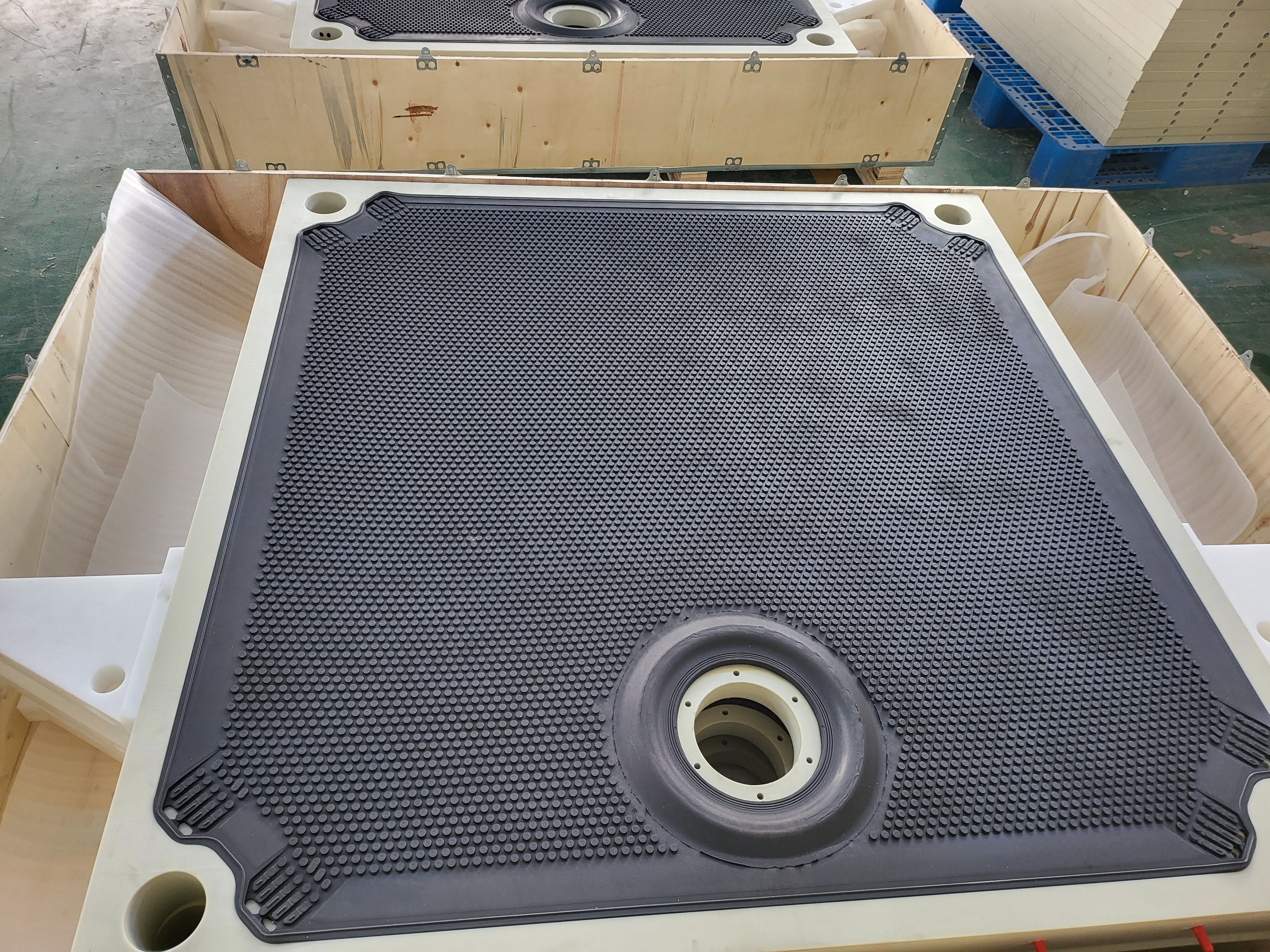
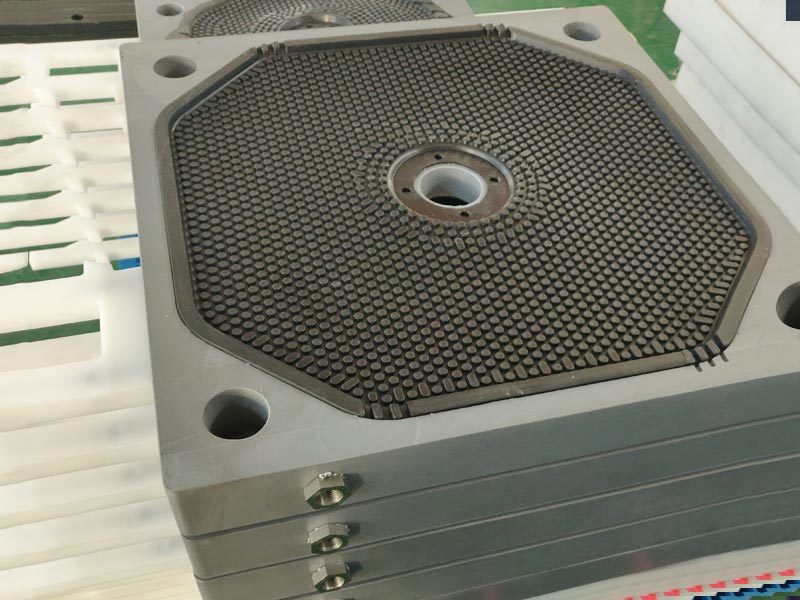
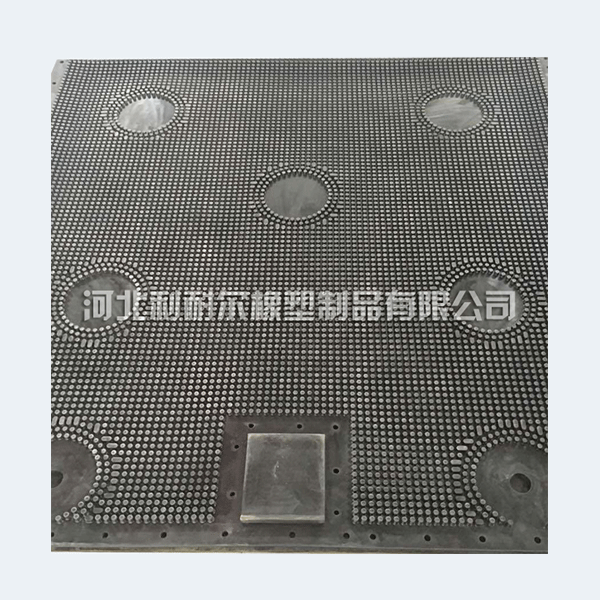
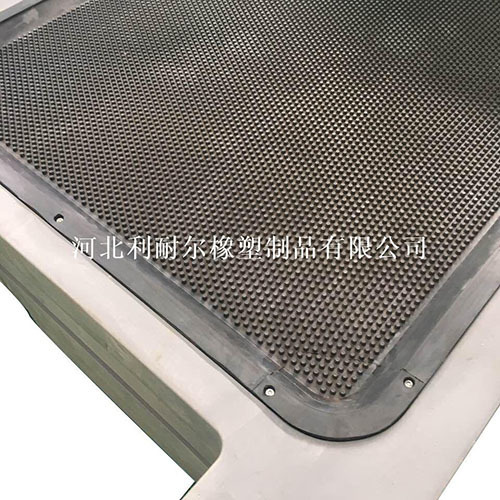
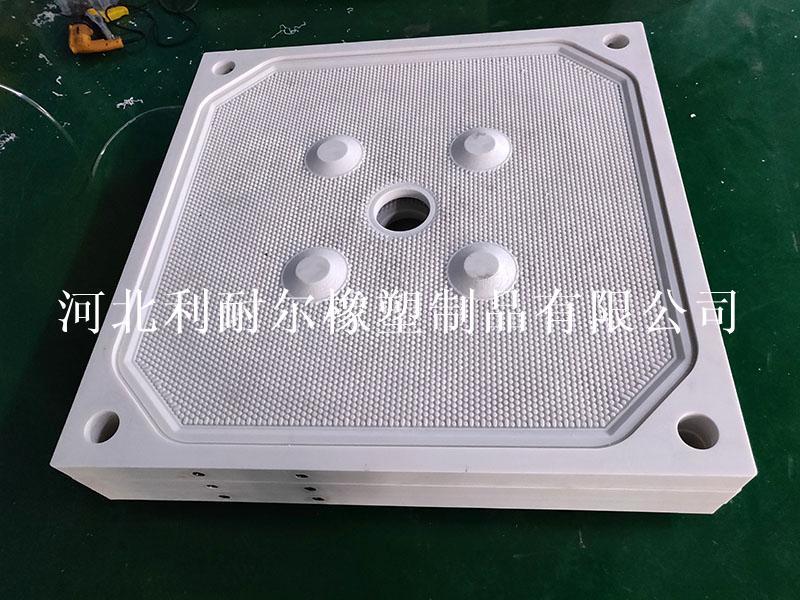
The **1516 diaphragm plate** is a specialized component used in filtration systems. Constructed from high-quality materials, it serves as a barrier that regulates flow and pressure within filtration units. Its design is particularly adept at accommodating various industrial applications, making it an essential element in many filtering setups.
Key Characteristics of the 1516 Diaphragm Plate
The performance of the 1516 diaphragm plate is defined by several key characteristics:
- **Material Composition**: Typically made from durable elastomers or polymers, the diaphragm plate is resistant to chemicals and temperature variations.
- **Pressure Regulation**: It effectively manages pressure differences between the inlet and outlet, ensuring optimal flow rates.
- **Flexibility**: The design allows for flexibility, enabling the diaphragm to adapt to varying operational conditions without losing efficiency.
Application Areas of the 1516 Diaphragm Plate
Understanding where the 1516 diaphragm plate is utilized helps to appreciate its versatility:
- **Water Treatment Plants**: Employed in clarifying and filtering processes to remove impurities from water sources.
- **Chemical Processing**: Used in systems that require precise separation of chemicals and solvents.
- **Food and Beverage Industry**: Vital for maintaining product purity and safety by filtering out unwanted particles.
How the 1516 Diaphragm Plate Enhances Filtration Efficiency
The integration of the 1516 diaphragm plate into filtration systems significantly boosts their efficiency. Here’s how:
Efficient Flow Control
The diaphragm plate ensures that fluid movement is controlled and consistent. By maintaining specific pressure ranges, it prevents backflow and enhances the overall filtration process.
Reduction of Contaminant Bypass
One of the primary functions of the diaphragm plate is to minimize the risk of contaminants bypassing the filter media. This is vital in applications where purity is paramount, such as in pharmaceuticals or food processing.
Improved Membrane Longevity
With effective pressure regulation and flow control, the lifespan of other filtering materials, such as membranes, is extended. This reduces operational costs and enhances overall system performance.
Compatibility with Other Filtering Materials
The **1516 diaphragm plate** is designed to work seamlessly with various filtering materials, enhancing their functionality.
Synergy with Membrane Filters
When used in conjunction with **membrane filters**, the diaphragm plate aids in maintaining optimal pressure conditions. This synergy ensures maximum separation performance and reduces the risk of membrane fouling.
Collaboration with Depth Filters
Depth filters, which are designed to capture larger particles, benefit from the diaphragm plate's ability to regulate flow rates. This collaboration leads to more efficient filtration, as the diaphragm plate helps maintain a smooth flow through the filter media.
Maintenance and Care for the 1516 Diaphragm Plate
To ensure the longevity and effectiveness of the diaphragm plate, proper maintenance is crucial.
Regular Inspection
Conduct regular inspections to check for wear or degradation. This includes examining for cracks or tears that could affect performance.
Cleaning Procedures
Cleaning should be performed according to the manufacturer’s guidelines. Using appropriate cleaning agents can help maintain the integrity of the diaphragm plate, ensuring it remains functional.
Replacement Guidelines
Knowing when to replace the diaphragm plate is vital. A marked decrease in filtration efficiency or visible damage often indicates it’s time for a replacement.
Advantages of Using the 1516 Diaphragm Plate
The advantages of incorporating the 1516 diaphragm plate into filtering systems are manifold.
Cost-Effectiveness
While the initial investment might be significant, the durability and efficiency of the diaphragm plate lead to long-term savings through reduced maintenance costs and improved workflow.
Versatility
The diaphragm plate can be utilized across various industries, making it a flexible choice for companies seeking to implement efficient filtration solutions.
Enhanced Quality Assurance
In industries where product quality is non-negotiable, the diaphragm plate helps maintain high standards by ensuring thorough filtration processes.
Potential Challenges and Considerations
While the benefits are numerous, certain challenges should also be considered when using the 1516 diaphragm plate.
Compatibility Issues
Certain filtering applications may require specific diaphragm materials. Compatibility must be checked to avoid performance issues.
Operational Limitations
Understanding the operational limits of the diaphragm plate is essential to prevent premature failure. Adhering to pressure and temperature guidelines is crucial for optimal performance.
FAQs About the 1516 Diaphragm Plate
1. What industries commonly use the 1516 diaphragm plate?
The diaphragm plate is widely utilized in water treatment, chemical processing, and the food and beverage industry.
2. How often should I inspect the diaphragm plate?
Regular inspections should be conducted at least once a month to ensure optimal performance.
3. What cleaning agents are suitable for maintaining the diaphragm plate?
Use mild detergents or cleaning agents recommended by the manufacturer to avoid damaging the materials.
4. Can the diaphragm plate be customized for specific applications?
Yes, many manufacturers offer customization options to suit particular filtration needs.
5. What are the signs that indicate a diaphragm plate needs replacement?
Visible wear, decreased filtration efficiency, or leaks are significant indicators that replacement is necessary.
Conclusion
The 1516 diaphragm plate is a pivotal component in enhancing the performance of filtering materials across various industries. Through its ability to regulate flow, minimize bypass, and extend the lifespan of filtering media, it stands as a vital asset in any filtration system. Understanding its functionality and maintaining it properly can lead to significant improvements in efficiency and product quality. For businesses looking to optimize their filtration processes, integrating the 1516 diaphragm plate is undoubtedly a wise investment.
Related News