
-
AboutHebei Linaier Rubber Products Co., Ltd. is located in Duqiao Industrial Zone, Jingxian City, Hebei Province, adjacent to Dezhou, Shandong. Founded in early 2001 with a registered capital of 35 million yuan, it is a scientific

-
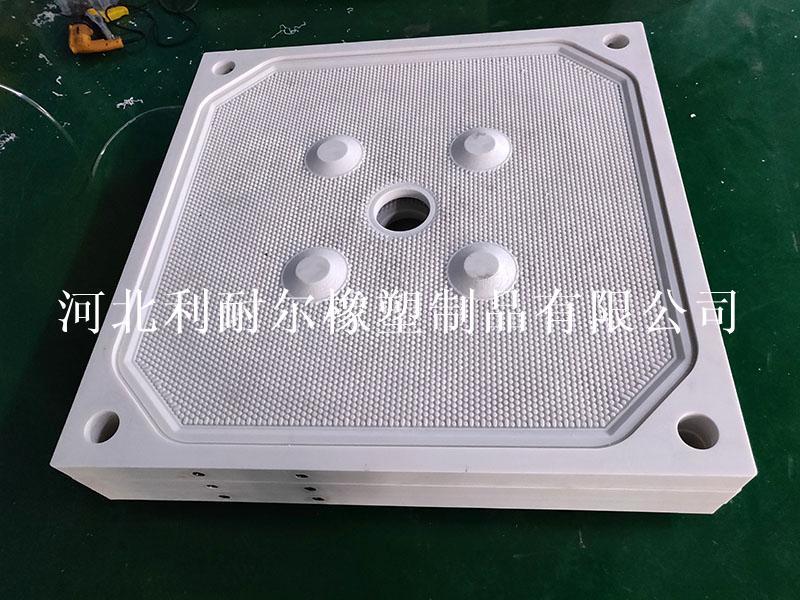
ProductMain products: vertical and horizontal imported and domestic filter plates, diaphragm plates, diaphragms and accessories; pinch valve sleeves and pinch valves and various mining accessories.
-
NewsIn 2013, our company's high-pressure cylinder with phenolic cloth support and guide ring obtained the national key new product certificate, project number: 2013GRA20011; its products in coal cylinders and engineering hydrauli
-
ServiceWe will actively cooperate with more enthusiasm, strengthen internal management, expand the market externally, improve various performance indicators of existing products, and truly achieve our win-win situation!
-
RecruitmentOur company always adheres to the talent concept of "people-oriented", provides a growth platform for talents, and realizes the common growth and development of enterprises and talents.


language
English
العربية
বাংলাদেশ
Български
Hrvatski
Česky
Dansk
Nederland
 Esperanto
Slovenski
Filipino
Suomi
Français
Maori
 Shqiptare
Georgian
 Euskara
Deutsch
Ελλάδα
ישראל
इंडिया
Magyarország
Ísland
Indonesia
Irlanda
Italia
日本語
Sovensko
Հայաստան
한국
Kyrgyz
ປະເທດລາວ
 Zulu
Zulu
Latvian
Lithuanian
Luxembourgish
 Latinus
Macedonian
Малайская
Maltese
Монгол улс
 Cymraeg
ဗမာ
 தமிழ்
தமிழ்
नेपाल
Norge
ایران
Polska
Portugal
România
Российская
Србија
 Slovak
Србија
 Slovak
Bosanski
Slovenian
Беларус
España
Sverige
Точик
ประเทศไทย
Türk
Azərbaycan
Uzbek
 Afrikaans
Việt Nam

Maximizing Efficiency with 1000 Filter Plates for Industrial Components
Release time:
2025-01-11
Maximizing Efficiency with 1000 Filter Plates for Industrial Components Table of Contents 1. Introduction to Filter Plates in Industrial Applications 2. Benefits of Using 1000 Filter Plates 3. Types of Filter Plates and Their Applications 4. How to Select the Right Filter Plates 5. Installation Guidelines for Optimal Efficiency 6. Maintenance Tips to Extend Lifespan 7.
Maximizing Efficiency with 1000 Filter Plates for Industrial Components
Table of Contents
- 1. Introduction to Filter Plates in Industrial Applications
- 2. Benefits of Using 1000 Filter Plates
- 3. Types of Filter Plates and Their Applications
- 4. How to Select the Right Filter Plates
- 5. Installation Guidelines for Optimal Efficiency
- 6. Maintenance Tips to Extend Lifespan
- 7. Measuring Performance Improvements
- 8. Case Studies: Success Stories with Filter Plates
- 9. Frequently Asked Questions
- 10. Conclusion
1. Introduction to Filter Plates in Industrial Applications
In the realm of **industrial components**, filter plates play a pivotal role in maintaining operational efficiency. These essential tools aid in the separation of solids from liquids, providing clarity and purity in various applications, from chemical processing to food production. Understanding the significance of filter plates enables industries to optimize their processes, improve product quality, and ultimately, enhance profitability.
2. Benefits of Using 1000 Filter Plates
Implementing 1000 filter plates in your industrial setup can lead to significant advantages:
2.1 Enhanced Filtration Efficiency
With a larger number of filter plates, the filtration process becomes more efficient. Each plate contributes to the overall reduction of contaminants, leading to cleaner outputs.
2.2 Reduced Downtime
Utilizing a comprehensive system of filter plates reduces the frequency of maintenance checks and replacements. This translates into less downtime and higher productivity.
2.3 Cost-Effectiveness
Investing in 1000 filter plates can be more economical in the long run. Their durability and efficiency help minimize operational costs associated with maintenance and product loss.
2.4 Flexibility and Customization
A larger inventory of filter plates allows for better customization to meet specific filtration requirements across different applications.
3. Types of Filter Plates and Their Applications
Understanding the various **types of filter plates** available is essential for maximizing their use:
3.1 Membrane Filter Plates
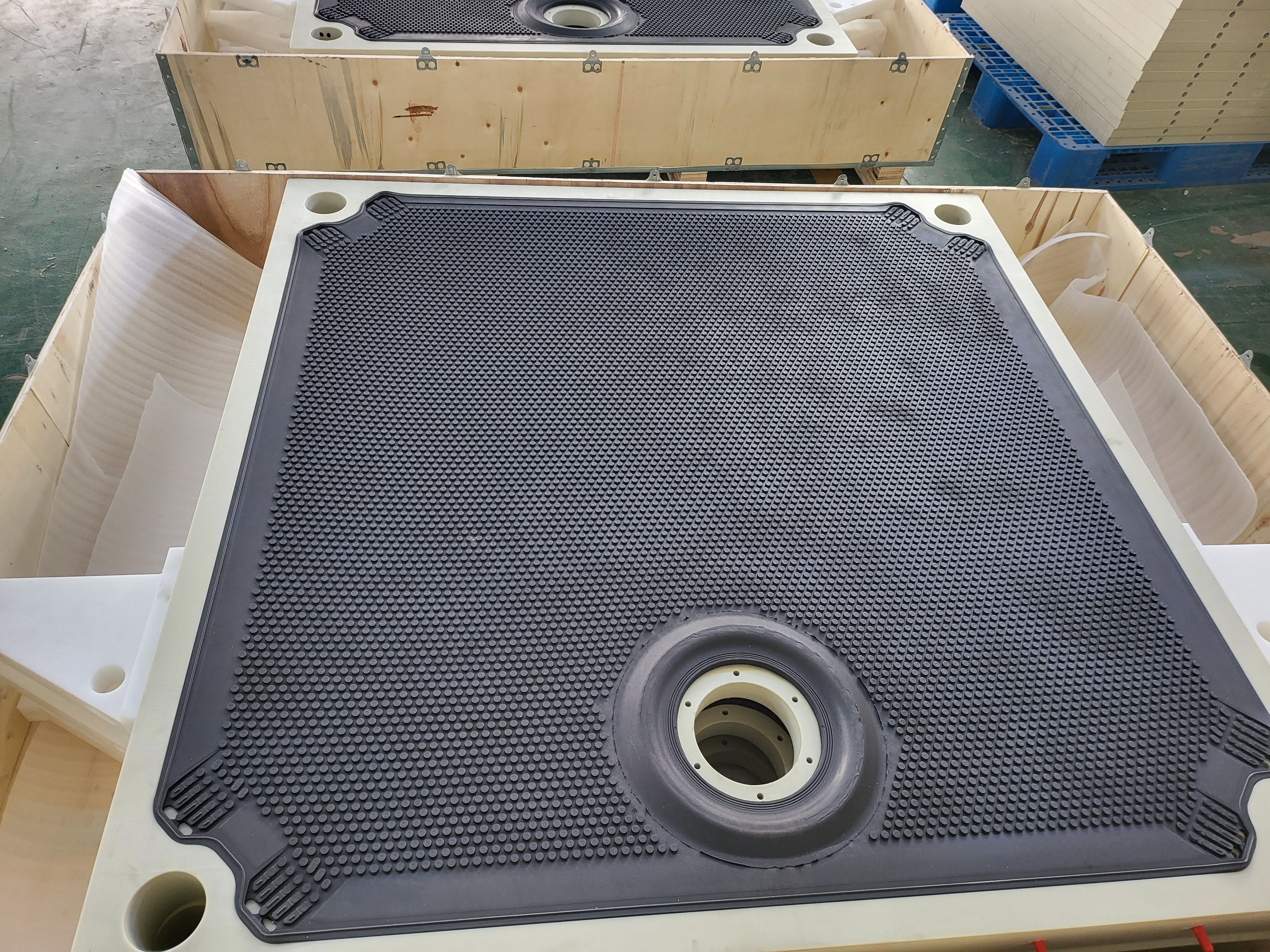
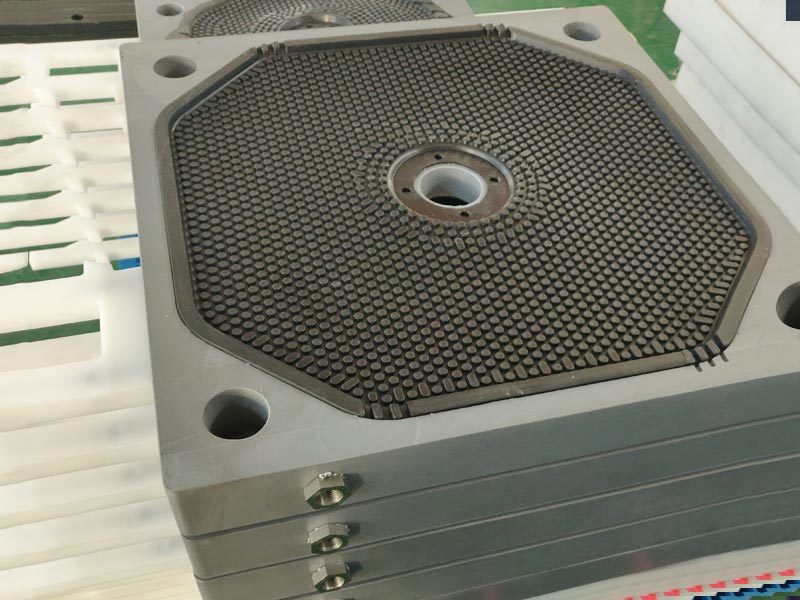
Membrane filter plates are ideal for applications requiring fine filtration. They effectively remove small particles and impurities from liquids, making them suitable for pharmaceuticals and food production.
3.2 Frame Filter Plates
These plates are designed for heavy-duty operations, suitable for industries dealing with dense slurries or high-solid content. Frame filter plates provide excellent durability and efficiency.
3.4 Diatomaceous Earth Filter Plates
These plates utilize diatomaceous earth for effective filtration, particularly in the beverage industry. They excel in clarifying liquids without altering the flavor or quality.
4. How to Select the Right Filter Plates
Choosing the appropriate filter plates involves considering several factors:
4.1 Assessing the Application Requirements
Analyze the specific needs of your filtration process, including the type of materials, particle size, and the desired purity level.
4.2 Material Compatibility
Ensure that the filter plates are compatible with the chemicals and substances they will encounter during the filtration process.
4.3 Size and Capacity
Select filter plates that fit your equipment and can handle the expected volume of material effectively.
5. Installation Guidelines for Optimal Efficiency
Proper installation of filter plates is crucial for achieving maximum efficiency. Follow these guidelines:
5.1 Pre-Installation Checks
Conduct thorough checks on the installation area, ensuring cleanliness and compatibility with the filter plates.
5.2 Correct Positioning
Align filter plates accurately to avoid leaks and ensure uniform pressure distribution during operation.
5.3 Sealing Techniques
Utilize appropriate sealing techniques to prevent contamination and maintain the integrity of the filtration process.
6. Maintenance Tips to Extend Lifespan
To ensure the longevity of your filter plates, implement these maintenance practices:
6.1 Regular Cleaning
Establish a routine cleaning schedule to prevent buildup and clogging, which can hinder performance.
6.2 Periodic Inspections
Conduct regular inspections to identify wear and tear, allowing for timely replacements before major failures occur.
6.3 Storage Considerations
Properly store unused filter plates in a clean, dry environment to prevent damage and contamination.
7. Measuring Performance Improvements
Quantifying the benefits of utilizing 1000 filter plates involves several performance metrics:
7.1 Filtration Rate
Calculate the rate at which materials are filtered to ascertain the efficiency of the filter plates.
7.2 Quality Assessment
Evaluate the clarity and purity of the output product to determine the effectiveness of the filtration process.
7.3 Operational Costs
Compare the operational costs pre- and post-implementation to gauge the economic benefits of using filter plates.
8. Case Studies: Success Stories with Filter Plates
Several industries have experienced remarkable improvements by integrating filter plates into their processes:
8.1 Case Study 1: Chemical Processing
A chemical manufacturing plant implemented 1000 filter plates, resulting in a 30% reduction in contamination levels and a significant increase in overall production output.
8.2 Case Study 2: Food and Beverage Industry
A beverage company adopted membrane filter plates and observed enhanced product clarity, yielding higher consumer satisfaction and reduced production costs.
8.3 Case Study 3: Wastewater Treatment
An industrial wastewater facility integrated frame filter plates, increasing the efficiency of solid-liquid separation and meeting regulatory standards with ease.
9. Frequently Asked Questions
9.1 What are filter plates used for?
Filter plates are used primarily for separating solids from liquids in various industrial applications, enhancing quality and efficiency.
9.2 How do I know when to replace filter plates?
Monitor the filtration performance and inspect for signs of wear; replace them when you notice a decline in efficiency or increased maintenance needs.
9.3 Can I customize filter plates for specific applications?
Yes, many manufacturers offer customizable filter plates to meet specific filtration needs, including size, material, and design.
9.4 Are membrane filter plates better than frame filter plates?
It depends on the application. Membrane filter plates are suitable for fine filtration, while frame filter plates are better for handling dense slurries.
9.5 How often should filter plates be cleaned?
The cleaning frequency depends on usage and application, but a regular maintenance schedule is recommended to prevent performance degradation.
10. Conclusion
Incorporating 1000 filter plates into your industrial processes can significantly enhance efficiency, reduce costs, and improve product quality. By understanding the various types of filter plates, selecting the appropriate ones for your applications, and implementing effective maintenance practices, businesses can unlock their full potential. The success stories from different industries underscore the transformative impact of filter plates, showcasing their vital role in modern industrial operations. Embrace the power of filtration and elevate your industrial performance to new heights.
Related News