
-
AboutHebei Linaier Rubber Products Co., Ltd. is located in Duqiao Industrial Zone, Jingxian City, Hebei Province, adjacent to Dezhou, Shandong. Founded in early 2001 with a registered capital of 35 million yuan, it is a scientific

-
ProductMain products: vertical and horizontal imported and domestic filter plates, diaphragm plates, diaphragms and accessories; pinch valve sleeves and pinch valves and various mining accessories.
-
NewsIn 2013, our company's high-pressure cylinder with phenolic cloth support and guide ring obtained the national key new product certificate, project number: 2013GRA20011; its products in coal cylinders and engineering hydrauli
-
ServiceWe will actively cooperate with more enthusiasm, strengthen internal management, expand the market externally, improve various performance indicators of existing products, and truly achieve our win-win situation!
-
RecruitmentOur company always adheres to the talent concept of "people-oriented", provides a growth platform for talents, and realizes the common growth and development of enterprises and talents.


language
English
العربية
বাংলাদেশ
Български
Hrvatski
Česky
Dansk
Nederland
 Esperanto
Slovenski
Filipino
Suomi
Français
Maori
 Shqiptare
Georgian
 Euskara
Deutsch
Ελλάδα
ישראל
इंडिया
Magyarország
Ísland
Indonesia
Irlanda
Italia
日本語
Sovensko
Հայաստան
한국
Kyrgyz
ປະເທດລາວ
 Zulu
Zulu
Latvian
Lithuanian
Luxembourgish
 Latinus
Macedonian
Малайская
Maltese
Монгол улс
 Cymraeg
ဗမာ
 தமிழ்
தமிழ்
नेपाल
Norge
ایران
Polska
Portugal
România
Российская
Србија
 Slovak
Србија
 Slovak
Bosanski
Slovenian
Беларус
España
Sverige
Точик
ประเทศไทย
Türk
Azərbaycan
Uzbek
 Afrikaans
Việt Nam

Revolutionize Plastic Manufacturing with Grid Plate: Unleashing Efficiency and Innovation
Release time:
2024-12-21
Revolutionize Plastic Manufacturing with Grid Plate: Unleashing Efficiency and Innovation Table of Contents 1. Introduction to Grid Plate Technology 2. What is a Grid Plate? 3. Key Benefits of Using Grid Plates in Plastic Manufacturing 4. Applications of Grid Plates in the Plastics Industry 5. The Grid Plate Manufacturing Process Explained 6. Challenges in Implementati
Revolutionize Plastic Manufacturing with Grid Plate: Unleashing Efficiency and Innovation
Table of Contents
- 1. Introduction to Grid Plate Technology
- 2. What is a Grid Plate?
- 3. Key Benefits of Using Grid Plates in Plastic Manufacturing
- 4. Applications of Grid Plates in the Plastics Industry
- 5. The Grid Plate Manufacturing Process Explained
- 6. Challenges in Implementation and Solutions with Grid Plates
- 7. The Future of Grid Plate Technology in Plastic Manufacturing
- 8. Conclusion
- 9. Frequently Asked Questions
1. Introduction to Grid Plate Technology
In an era where efficiency and sustainability are paramount, the plastic manufacturing industry is constantly evolving. One of the most promising advancements in this field is the **grid plate technology**. This innovative method is not just a trend; it represents a fundamental shift in how plastics are produced. By optimizing manufacturing processes, grid plates can significantly enhance productivity while reducing environmental impact.
2. What is a Grid Plate?
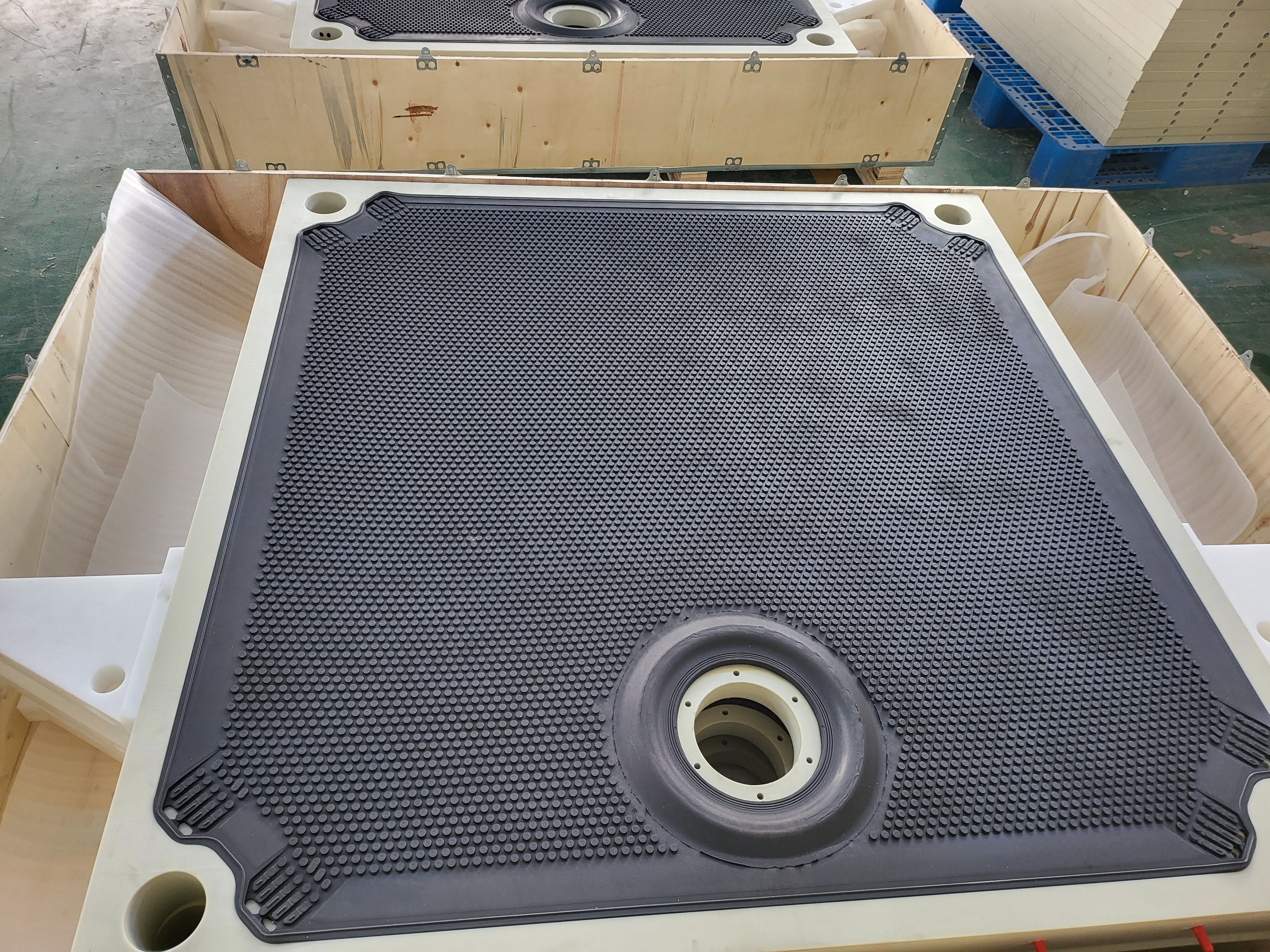
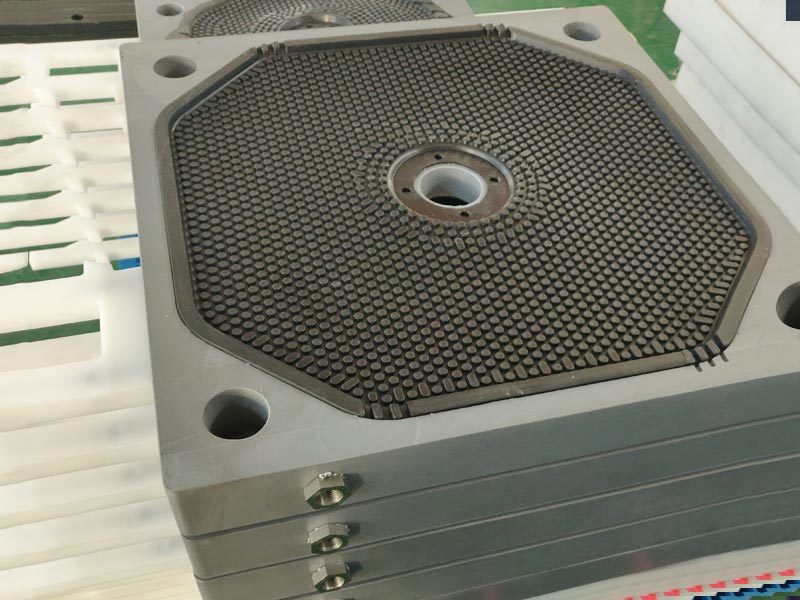
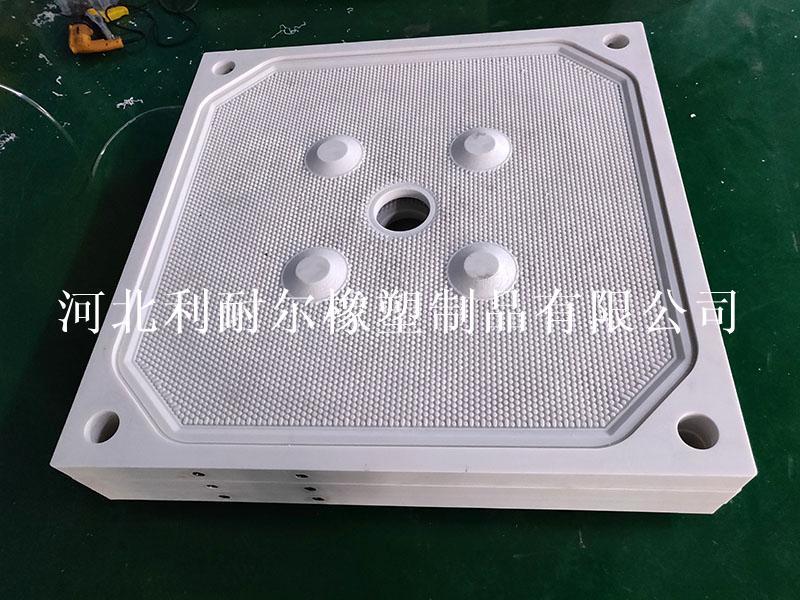
A **grid plate** is a specialized structure designed to optimize the flow and distribution of materials during the manufacturing process. Typically made from high-quality materials, grid plates feature a series of interconnected grooves or channels that facilitate uniform heating and cooling. This design allows for precise control over the temperature and pressure conditions essential for molding plastics.
Grid plates can be used in various manufacturing processes, including injection molding, extrusion, and blow molding. By ensuring that the plastic material flows evenly, grid plates help prevent defects, reduce cycle times, and improve overall product quality.
3. Key Benefits of Using Grid Plates in Plastic Manufacturing
Implementing grid plates in plastic manufacturing offers numerous advantages:
3.1 Enhanced Efficiency
Grid plates significantly improve the efficiency of the manufacturing process. By promoting uniform heat distribution, they reduce cycle times, allowing manufacturers to produce more products in less time.
3.2 Improved Quality Control
The design of grid plates minimizes the risk of defects in the finished product. With better material flow and temperature control, manufacturers can achieve higher consistency and quality in their plastic products.
3.3 Cost Savings
Although the initial investment in grid plate technology may be higher, the long-term savings in energy and material costs can be substantial. Efficient use of resources leads to lower operational costs and improved profit margins.
3.4 Environmental Sustainability
With increasing pressure to adopt sustainable practices, grid plates contribute to greener manufacturing processes. By reducing energy consumption and material waste, they align with environmental regulations and societal expectations.
4. Applications of Grid Plates in the Plastics Industry
Grid plate technology can be applied across various sectors within the plastics industry, including:
4.1 Automotive Manufacturing
In the automotive sector, lightweight and durable plastic components are essential. Grid plates help manufacturers produce components with superior strength and reduced weight, enhancing vehicle performance and fuel efficiency.
4.2 Consumer Goods Production
From packaging to household items, grid plates enable consistent production of high-quality consumer goods. This technology ensures that products meet stringent safety and quality standards.
4.4 Medical Device Manufacturing
In the medical industry, precision and reliability are crucial. Grid plates facilitate the production of complex medical devices that require strict adherence to specifications.
5. The Grid Plate Manufacturing Process Explained
The manufacturing of grid plates involves several critical steps:
5.1 Material Selection
Choosing the right materials is essential for the durability and effectiveness of grid plates. Common materials include stainless steel, aluminum, and specialized alloys that withstand high temperatures and pressures.
5.2 Design and Prototyping
Advanced CAD software is used to design grid plates, ensuring that all specifications meet the requirements of the manufacturing process. Prototyping allows for testing and validation before full-scale production.
5.3 Production Techniques
Various production techniques, such as machining and 3D printing, are employed to create grid plates. These methods ensure precision and consistency in the final product.
5.4 Quality Control
Rigorous quality control measures are implemented throughout the manufacturing process. This includes testing for structural integrity and performance under simulated manufacturing conditions.
6. Challenges in Implementation and Solutions with Grid Plates
While grid plates offer numerous benefits, there are challenges in their implementation:
6.1 Initial Investment Cost
The cost of transitioning to grid plate technology can be daunting for some manufacturers. However, the long-term savings and increased efficiency often justify the initial expense.
6.2 Technical Expertise
Implementing grid plates may require specialized knowledge and training. Investing in employee training programs can mitigate this challenge, ensuring that staff are well-equipped to utilize the technology effectively.
6.3 Maintenance Concerns
Regular maintenance is essential to ensure optimal performance. Establishing a robust maintenance schedule can help address any potential issues before they disrupt production.
7. The Future of Grid Plate Technology in Plastic Manufacturing
The future of grid plate technology in plastic manufacturing looks promising. As manufacturers continue to prioritize efficiency and sustainability, the demand for innovative solutions will grow. Advances in materials science and manufacturing techniques will likely enhance the capabilities of grid plates, making them even more integral to the industry.
Emerging trends, such as **smart manufacturing** and the integration of **IoT technologies**, will further enhance the efficiency and adaptability of grid plates. This evolution will empower manufacturers to respond swiftly to market demands while maintaining high standards of quality and sustainability.
8. Conclusion
Grid plate technology is poised to revolutionize plastic manufacturing by enhancing efficiency, improving product quality, and promoting sustainability. As industries increasingly recognize the benefits of this innovative approach, the adoption of grid plates will likely become more widespread. By investing in grid plate technology, manufacturers can position themselves at the forefront of the plastic industry, ready to meet the challenges of the future with confidence and resilience.
9. Frequently Asked Questions
FAQ 1: What types of industries can benefit from grid plate technology?
Grid plate technology can benefit a variety of industries, including automotive, consumer goods, and medical device manufacturing.
FAQ 2: How do grid plates improve manufacturing efficiency?
Grid plates enhance efficiency by promoting uniform material flow and reducing cycle times, allowing for faster production rates.
FAQ 3: Are there any downsides to using grid plates?
While the initial investment can be high, the long-term cost savings and efficiency gains typically outweigh the drawbacks.
FAQ 4: Can grid plates be customized for specific manufacturing processes?
Yes, grid plates can be designed and customized to meet the specific requirements of various manufacturing processes.
FAQ 5: What is the future outlook for grid plate technology?
The future of grid plate technology is bright, with ongoing advancements expected to enhance its efficiency, applicability, and integration with smart manufacturing systems.
Related News