
-
AboutHebei Linaier Rubber Products Co., Ltd. is located in Duqiao Industrial Zone, Jingxian City, Hebei Province, adjacent to Dezhou, Shandong. Founded in early 2001 with a registered capital of 35 million yuan, it is a scientific

-
ProductMain products: vertical and horizontal imported and domestic filter plates, diaphragm plates, diaphragms and accessories; pinch valve sleeves and pinch valves and various mining accessories.
-
NewsIn 2013, our company's high-pressure cylinder with phenolic cloth support and guide ring obtained the national key new product certificate, project number: 2013GRA20011; its products in coal cylinders and engineering hydrauli
-
ServiceWe will actively cooperate with more enthusiasm, strengthen internal management, expand the market externally, improve various performance indicators of existing products, and truly achieve our win-win situation!
-
RecruitmentOur company always adheres to the talent concept of "people-oriented", provides a growth platform for talents, and realizes the common growth and development of enterprises and talents.


language
English
العربية
বাংলাদেশ
Български
Hrvatski
Česky
Dansk
Nederland
 Esperanto
Slovenski
Filipino
Suomi
Français
Maori
 Shqiptare
Georgian
 Euskara
Deutsch
Ελλάδα
ישראל
इंडिया
Magyarország
Ísland
Indonesia
Irlanda
Italia
日本語
Sovensko
Հայաստան
한국
Kyrgyz
ປະເທດລາວ
 Zulu
Zulu
Latvian
Lithuanian
Luxembourgish
 Latinus
Macedonian
Малайская
Maltese
Монгол улс
 Cymraeg
ဗမာ
 தமிழ்
தமிழ்
नेपाल
Norge
ایران
Polska
Portugal
România
Российская
Србија
 Slovak
Србија
 Slovak
Bosanski
Slovenian
Беларус
España
Sverige
Точик
ประเทศไทย
Türk
Azərbaycan
Uzbek
 Afrikaans
Việt Nam

Exploring the Versatile Applications of 1100 Filter Plate in Plastic Production
Release time:
2024-12-15
Exploring the Applications of 1100 Filter Plate in Plastic Production Introduction to the 1100 Filter Plate The 1100 filter plate is an essential component in various plastic production processes. It is designed to optimize filtration, ensuring the removal of impurities from raw materials, thus enhancing the quality of the final product. With its unique structure and materials, the 1100 filter pla
Exploring the Applications of 1100 Filter Plate in Plastic Production
Introduction to the 1100 Filter Plate
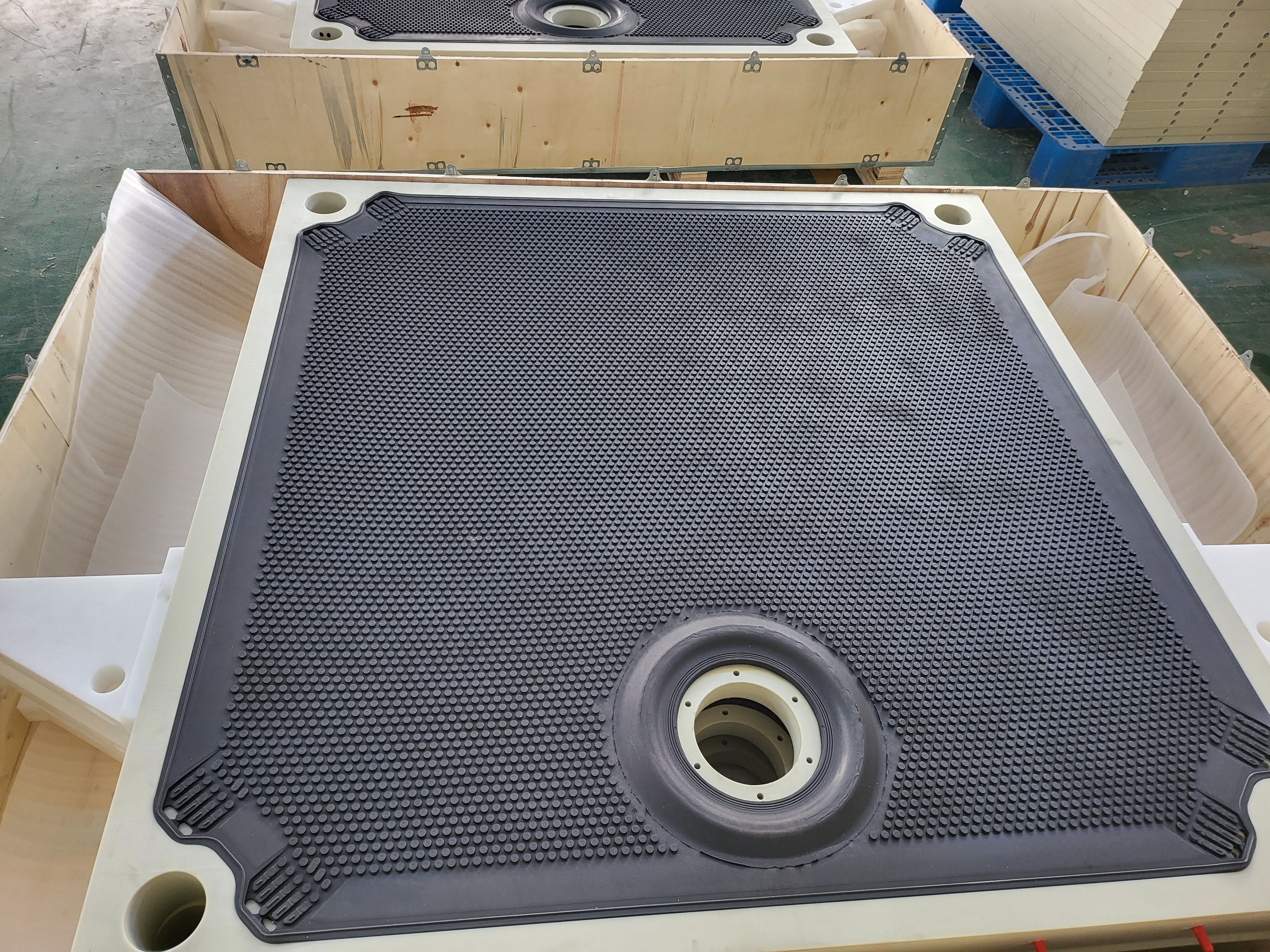
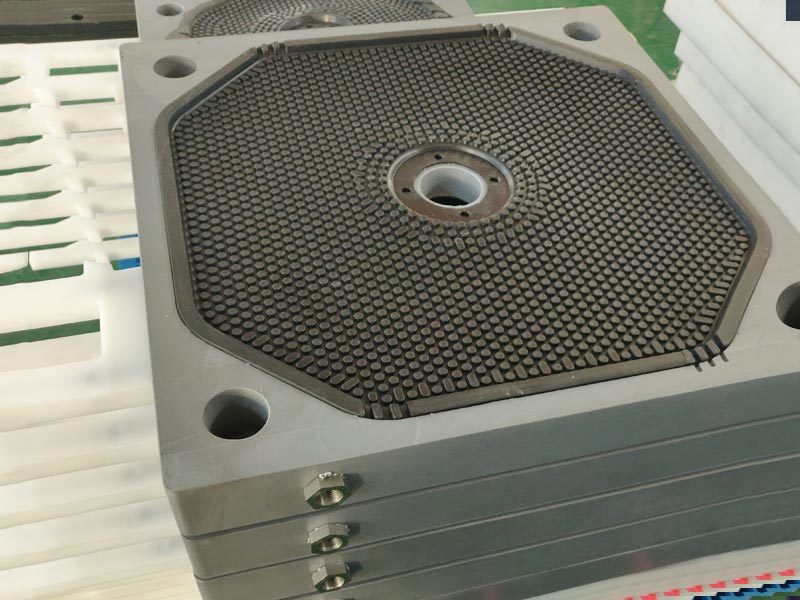
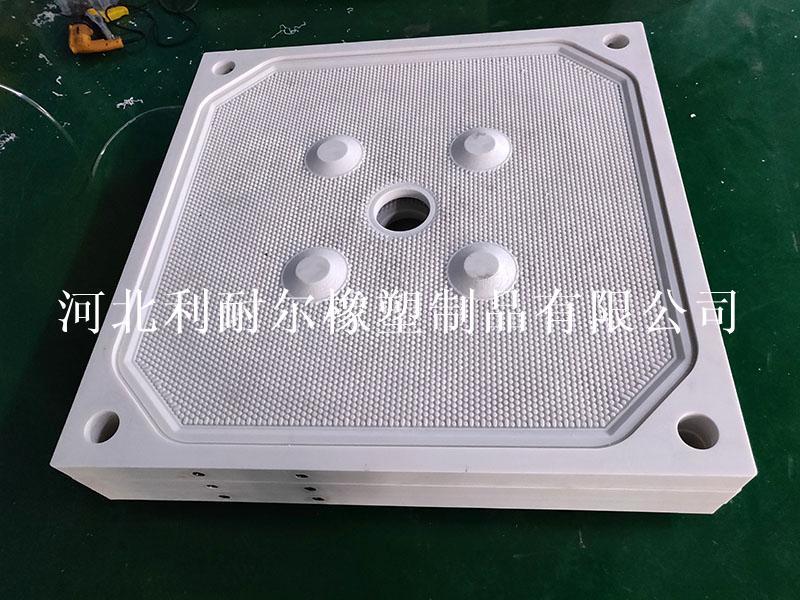
The 1100 filter plate is an essential component in various plastic production processes. It is designed to optimize filtration, ensuring the removal of impurities from raw materials, thus enhancing the quality of the final product. With its unique structure and materials, the 1100 filter plate plays a pivotal role in the production of high-quality plastics.
Understanding the Role of Filtration in Plastic Production
Filtration is a critical step in the plastic manufacturing process. Removing contaminants like dust, metal particles, and other impurities is vital for producing plastics that meet stringent quality standards. The 1100 filter plate is specifically engineered to address these challenges, providing a reliable solution for manufacturers.
Key Features of the 1100 Filter Plate
The 1100 filter plate boasts several features that make it a preferred choice in the industry:
- **High Filtration Efficiency**: Designed to capture even the smallest particles, ensuring cleaner outputs.
- **Durability**: Constructed from robust materials that withstand high temperatures and pressures.
- **Versatility**: Suitable for various plastic resins, adapting to different production needs.
- **Ease of Maintenance**: Simple design allows for easy cleaning and replacement, minimizing downtime.
The Advantages of Using 1100 Filter Plates in Production
Incorporating 1100 filter plates into plastic production lines offers numerous benefits:
Enhanced Product Quality
By removing impurities effectively, the 1100 filter plate ensures that the raw materials used in production meet the required standards, resulting in higher-quality end products.
Increased Production Efficiency
With a reliable filtration system in place, manufacturers experience fewer interruptions, leading to increased productivity and reduced waste.
Cost-Effectiveness
While the initial investment in high-quality filter plates may be higher, the long-term savings in maintenance and improved product quality justify the cost.
Applications of 1100 Filter Plates in Different Plastic Manufacturing Processes
The versatility of the 1100 filter plate makes it applicable across various plastic manufacturing processes.
1. Injection Molding
In injection molding, the 1100 filter plate aids in ensuring a consistent flow of filtered material into the mold. This process minimizes defects caused by impurities in the resin, yielding smoother finishes and better structural integrity.
2. Blow Molding
During blow molding, the filter plate prevents contaminants from affecting the parison, ensuring uniform wall thickness and enhancing the performance of the final product.
3. Extrusion
In extrusion processes, 1100 filter plates play a vital role in filtering the molten resin before it is shaped into profiles or sheets. This application is crucial in industries that demand high precision, such as automotive and construction.
4. Thermoforming
For thermoforming, the 1100 filter plate ensures that the sheets being heated are free from impurities, leading to better adhesion and forming capabilities.
Choosing the Right 1100 Filter Plate for Your Needs
Selecting the appropriate filter plate involves understanding your production requirements. Factors to consider include the type of plastic being processed, production volume, and specific filtration needs. Consulting with manufacturers can help in determining the ideal specifications.
Factors Influencing Your Choice
- **Material Compatibility**: Ensure the filter plate material is compatible with the resin used.
- **Filtration Rating**: Different processes may require different levels of filtration; selecting the right rating is crucial.
- **Size and Dimensions**: The size of the filter plate should match the equipment used in the production line.
Maintenance Tips for 1100 Filter Plates
Proper maintenance of the 1100 filter plates is essential for optimal performance and longevity.
Regular Inspection
Routine checks for signs of wear and tear can help identify when replacements are needed, ensuring uninterrupted production.
Cleaning Procedures
Following the manufacturer’s guidelines for cleaning will help maintain the filter's efficiency. Regular cleaning prevents the buildup of contaminants that could hinder performance.
Replacement Guidelines
Understanding when to replace filter plates is vital. Signs such as decreased flow rates or increased pressure drops indicate that it may be time for a replacement.
Future Trends in Filter Plate Technology
As the plastic production industry evolves, so does the technology behind filter plates. Emerging trends may lead to improved materials, enhanced filtration capabilities, and more energy-efficient designs, further solidifying the role of the 1100 filter plate in manufacturing.
Advancements in Material Science
Innovation in materials can lead to filter plates that are even more resilient and effective, adapting to the growing demands of the industry.
Smart Filtration Systems
Integration of IoT (Internet of Things) technology could revolutionize how filter plates are monitored and managed, allowing for real-time data analysis and predictive maintenance.
Conclusion
The 1100 filter plate is a fundamental component in the plastic production industry, providing vital filtration that enhances product quality and operational efficiency. Its diverse applications, coupled with ongoing advancements in technology, make it an indispensable asset for manufacturers aiming to maintain high standards in their production processes. By understanding its roles and best practices, companies can leverage the benefits of 1100 filter plates for optimal performance and future growth.
Frequently Asked Questions (FAQs)
1. What materials are 1100 filter plates made from?
1100 filter plates are typically made from materials that can withstand high temperatures and pressures, such as stainless steel or specialized plastics.
2. How often should filter plates be replaced?
The replacement frequency depends on usage and maintenance practices, but regular inspections can help determine the optimal replacement schedule.
3. Can 1100 filter plates be used in all types of plastic production?
While they are versatile, it’s essential to ensure compatibility with the specific resin and production process.
4. What are the signs of a clogged filter plate?
Decreased flow rates and increased pressure drops are common indicators that a filter plate may be clogged.
5. Are there specific cleaning techniques for filter plates?
Yes, following manufacturer guidelines for cleaning is crucial. Generally, it involves flushing with compatible solvents or cleaning agents to remove contaminants.
By focusing on the unique attributes and applications of the 1100 filter plate, this comprehensive guide aims to elevate understanding and utilization within the plastic production sector.
Related News