
-
AboutHebei Linaier Rubber Products Co., Ltd. is located in Duqiao Industrial Zone, Jingxian City, Hebei Province, adjacent to Dezhou, Shandong. Founded in early 2001 with a registered capital of 35 million yuan, it is a scientific

-
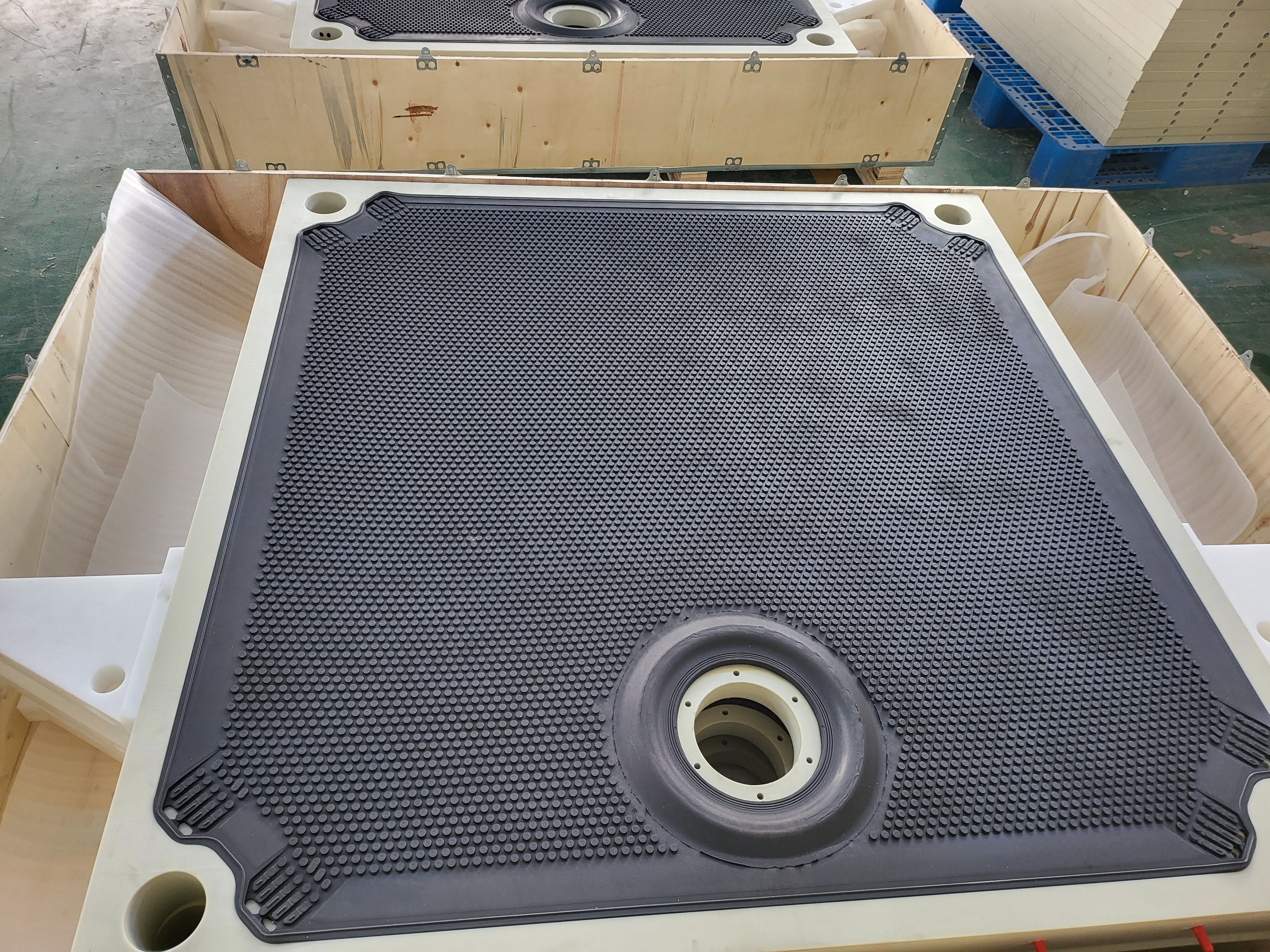
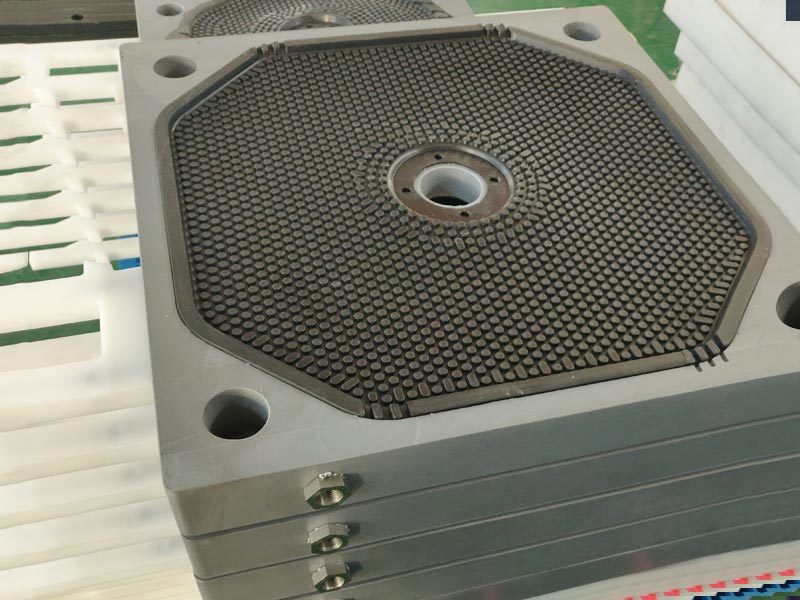
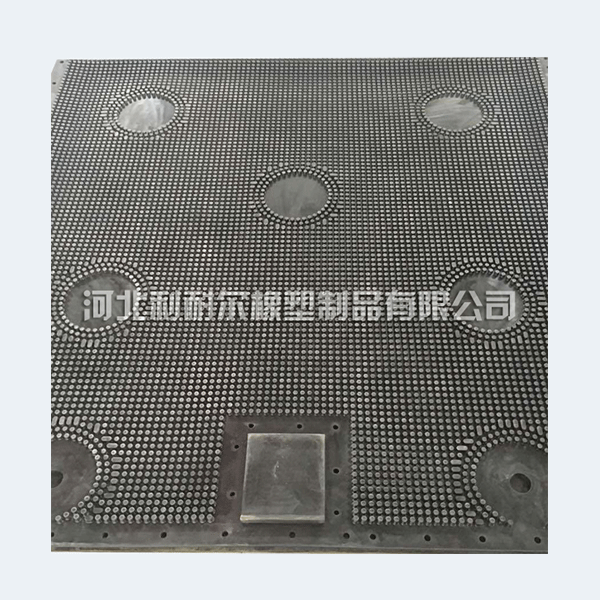
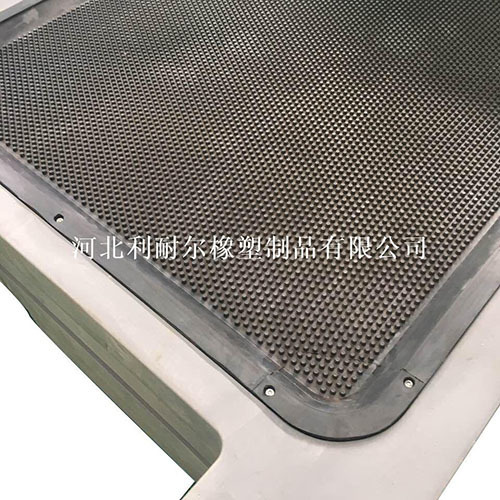
ProductMain products: vertical and horizontal imported and domestic filter plates, diaphragm plates, diaphragms and accessories; pinch valve sleeves and pinch valves and various mining accessories.
-
NewsIn 2013, our company's high-pressure cylinder with phenolic cloth support and guide ring obtained the national key new product certificate, project number: 2013GRA20011; its products in coal cylinders and engineering hydrauli
-
ServiceWe will actively cooperate with more enthusiasm, strengthen internal management, expand the market externally, improve various performance indicators of existing products, and truly achieve our win-win situation!
-
RecruitmentOur company always adheres to the talent concept of "people-oriented", provides a growth platform for talents, and realizes the common growth and development of enterprises and talents.


language
English
العربية
বাংলাদেশ
Български
Hrvatski
Česky
Dansk
Nederland
 Esperanto
Slovenski
Filipino
Suomi
Français
Maori
 Shqiptare
Georgian
 Euskara
Deutsch
Ελλάδα
ישראל
इंडिया
Magyarország
Ísland
Indonesia
Irlanda
Italia
日本語
Sovensko
Հայաստան
한국
Kyrgyz
ປະເທດລາວ
 Zulu
Zulu
Latvian
Lithuanian
Luxembourgish
 Latinus
Macedonian
Малайская
Maltese
Монгол улс
 Cymraeg
ဗမာ
 தமிழ்
தமிழ்
नेपाल
Norge
ایران
Polska
Portugal
România
Российская
Србија
 Slovak
Србија
 Slovak
Bosanski
Slovenian
Беларус
España
Sverige
Точик
ประเทศไทย
Türk
Azərbaycan
Uzbek
 Afrikaans
Việt Nam

Step-by-Step Installation Guide for Horizontal Filter Press Filter Plate
Release time:
2024-12-03
Step-by-Step Installation Guide for Horizontal Filter Press Filter Plate Table of Contents 1. Introduction to Horizontal Filter Press Filter Plates 2. Selecting the Right Filter Plate for Your Needs 3. Tools Required for Installation 4. Preparation Steps Before Installation 5. Step-by-Step Installation Process 6. Post-Installation Checks and Adjustments 7. Maintenance
Step-by-Step Installation Guide for Horizontal Filter Press Filter Plate
Table of Contents
- 1. Introduction to Horizontal Filter Press Filter Plates
- 2. Selecting the Right Filter Plate for Your Needs
- 3. Tools Required for Installation
- 4. Preparation Steps Before Installation
- 5. Step-by-Step Installation Process
- 6. Post-Installation Checks and Adjustments
- 7. Maintenance Tips for Longevity
- 8. Troubleshooting Common Issues
- 9. Frequently Asked Questions
- 10. Conclusion
1. Introduction to Horizontal Filter Press Filter Plates
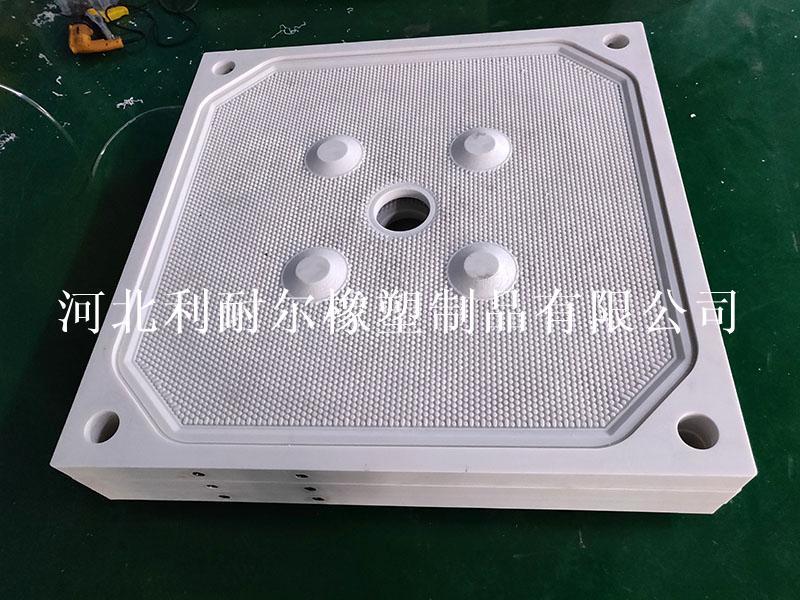
The horizontal filter press filter plate is an essential component in various industrial processes, primarily used for solid-liquid separation. Its design allows for efficient filtration, making it a preferred choice in industries ranging from wastewater treatment to food processing. Understanding the installation process is crucial, as it directly impacts the performance and longevity of the equipment. In this guide, we will provide an in-depth look at how to install the filter plate correctly.
2. Selecting the Right Filter Plate for Your Needs
Choosing the right filter plate is the first step towards a successful installation. Consider the following factors:
Material Composition
Filter plates are commonly made from materials such as polypropylene, stainless steel, or cast iron. Each material has its advantages and disadvantages depending on the application requirements, such as temperature resistance and chemical compatibility.
Size and Shape
Ensure the filter plate fits the dimensions of your horizontal filter press. Standard plates come in various sizes, so it’s essential to match your specific model to prevent operational issues.
Filtration Requirements
Evaluate the type of materials you will be filtering. Different applications may require varying mesh sizes that influence the efficiency of the filtration process.
3. Tools Required for Installation
To install a horizontal filter press filter plate effectively, you will need a set of specialized tools:
Basic Tools
- Wrenches (various sizes)
- Screwdrivers (flathead and Phillips)
- Pliers
Installation Tools
- Hoist or crane (for heavy plates)
- Alignment tools
- Torque wrench
Safety Gear
- Gloves
- Goggles
- Hard hat
4. Preparation Steps Before Installation
Preparation is key to ensuring a smooth installation process. Here are the steps to take before you begin:
1. Review Manufacturer's Manual
Always start by reviewing the manufacturer's installation manual. It contains specific guidelines tailored to your filter press model.
2. Inspect the Filter Press
Before installation, inspect the horizontal filter press for any wear and tear. Check seals, gaskets, and other parts to ensure they are in good condition.
3. Clean the Installation Area
Ensure the area where the filter plate will be installed is clean and free of debris. This helps prevent contamination during installation.
5. Step-by-Step Installation Process
Follow these detailed steps for the successful installation of your filter plate:
Step 1: Safety First
Put on your safety gear before beginning the installation. This includes gloves, goggles, and a hard hat.
Step 2: Position the Filter Plate
Using a hoist or crane, carefully position the filter plate over the filter press. Ensure that it is aligned with the mounting points.
Step 3: Secure the Plate
Once in place, secure the filter plate using bolts and nuts. It is essential to hand-tighten first to ensure even distribution of pressure.
Step 4: Torque the Bolts
Using a torque wrench, tighten the bolts to the manufacturer's specified torque setting. This step is crucial to prevent leakage during operation.
Step 5: Install Additional Plates
If applicable, repeat the above steps for any additional filter plates. Maintain alignment and secure each plate appropriately.
Step 6: Final Inspection
After all plates are installed, conduct a thorough inspection. Check for any misalignments and ensure all bolts are securely fastened.
6. Post-Installation Checks and Adjustments
Once the installation is complete, several checks must be performed to ensure optimal functionality:
1. Conduct a Test Run
Run the filter press without material to check for any abnormal noises or leaks. Monitor the operation closely for several minutes.
2. Check for Leaks
Inspect the joints and seals of the filter press for any signs of leaks. Address any issues immediately to prevent operational failure.
3. Adjust Settings as Necessary
Depending on the results of the test run, adjust the operational settings according to the manufacturer’s guidelines.
7. Maintenance Tips for Longevity
Proper maintenance is essential for the longevity of your horizontal filter press filter plates. Consider these tips:
Regular Cleaning
Regularly clean the filter plates to remove buildup and debris. This helps maintain optimal filtration efficiency.
Inspect Seals and Gaskets
Periodically inspect seals and gaskets for wear and tear. Replace them as necessary to prevent leaks.
Monitor Performance
Keep an eye on the performance of the filter press. Watch for any changes in flow rates or signs of wear, and address them promptly.
8. Troubleshooting Common Issues
Despite best efforts, issues may still arise. Here are common problems and their solutions:
1. Leaks Around the Filter Plate
If you notice leaks, check the tightness of the bolts and the condition of seals. Retighten bolts and replace worn seals as necessary.
2. Reduced Filtration Efficiency
If the filtration process slows down, consider cleaning the plates or checking for blockages in the system.
3. Abnormal Noises During Operation
Strange noises can indicate misalignment. Stop the machine and check the alignment of the filter plates and adjust as needed.
9. Frequently Asked Questions
1. How often should I replace the filter plate?
The lifespan of a filter plate varies based on usage, but on average, it should be inspected every six months and replaced every 1-3 years.
2. Can I install the filter plate myself?
Yes, as long as you follow the proper installation procedures and safety guidelines.
3. What materials are best for filter plates?
Polypropylene is common for chemical resistance, while stainless steel is preferred for high-temperature applications.
4. How do I know if my filter press is working properly?
Monitor performance metrics such as flow rate and pressure. Any significant changes may indicate an issue.
5. What maintenance tasks should I prioritize?
Prioritize regular cleaning, seal inspections, and monitoring performance for optimal efficiency.
10. Conclusion
Installing a horizontal filter press filter plate may seem daunting, but following this comprehensive guide simplifies the process. By taking the time to select the right plate, prepare adequately, and execute each step carefully, you can enhance the efficiency and lifespan of your equipment. Regular maintenance and troubleshooting will further ensure your filter press operates at peak performance. Empowered with this knowledge, you can confidently tackle the installation and upkeep of your filter plates, contributing to the overall success of your industrial operations.
Related News