
-
AboutHebei Linaier Rubber Products Co., Ltd. is located in Duqiao Industrial Zone, Jingxian City, Hebei Province, adjacent to Dezhou, Shandong. Founded in early 2001 with a registered capital of 35 million yuan, it is a scientific

-
ProductMain products: vertical and horizontal imported and domestic filter plates, diaphragm plates, diaphragms and accessories; pinch valve sleeves and pinch valves and various mining accessories.
-
NewsIn 2013, our company's high-pressure cylinder with phenolic cloth support and guide ring obtained the national key new product certificate, project number: 2013GRA20011; its products in coal cylinders and engineering hydrauli
-
ServiceWe will actively cooperate with more enthusiasm, strengthen internal management, expand the market externally, improve various performance indicators of existing products, and truly achieve our win-win situation!
-
RecruitmentOur company always adheres to the talent concept of "people-oriented", provides a growth platform for talents, and realizes the common growth and development of enterprises and talents.


language
English
العربية
বাংলাদেশ
Български
Hrvatski
Česky
Dansk
Nederland
 Esperanto
Slovenski
Filipino
Suomi
Français
Maori
 Shqiptare
Georgian
 Euskara
Deutsch
Ελλάδα
ישראל
इंडिया
Magyarország
Ísland
Indonesia
Irlanda
Italia
日本語
Sovensko
Հայաստան
한국
Kyrgyz
ປະເທດລາວ
 Zulu
Zulu
Latvian
Lithuanian
Luxembourgish
 Latinus
Macedonian
Малайская
Maltese
Монгол улс
 Cymraeg
ဗမာ
 தமிழ்
தமிழ்
नेपाल
Norge
ایران
Polska
Portugal
România
Российская
Србија
 Slovak
Србија
 Slovak
Bosanski
Slovenian
Беларус
España
Sverige
Точик
ประเทศไทย
Türk
Azərbaycan
Uzbek
 Afrikaans
Việt Nam

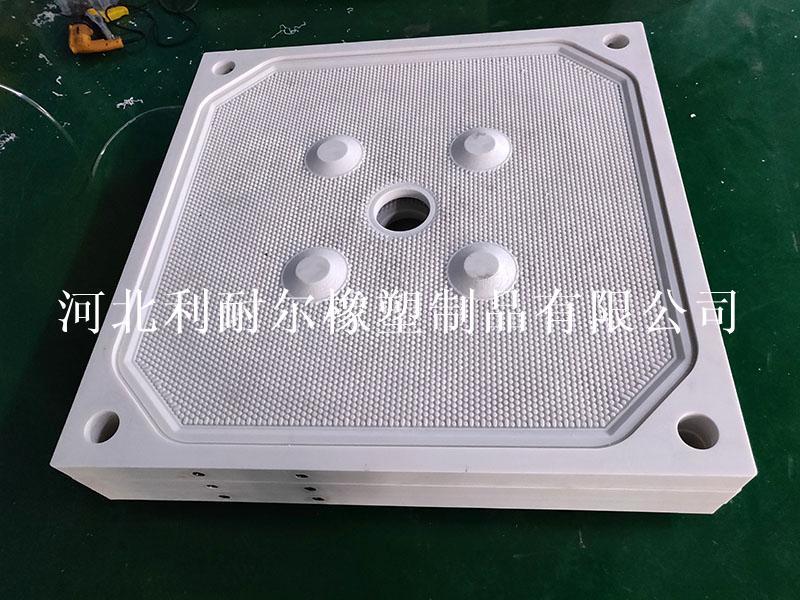
Understanding the Role of a 1200 Diaphragm Plate in Industrial Filtration
Release time:
2024-11-27
Understanding the Role of a 1200 Diaphragm Plate in Industrial Filtration Table of Contents 1. Introduction to Industrial Filtration 2. What is a 1200 Diaphragm Plate? 3. Design and Materials of the 1200 Diaphragm Plate 4. Applications of the 1200 Diaphragm Plate in Industrial Filtration 5. Benefits of Using a 1200 Diaphragm Plate 6. Maintenance and Care of the 1200 Diaphr
Understanding the Role of a 1200 Diaphragm Plate in Industrial Filtration
Table of Contents
- 1. Introduction to Industrial Filtration
- 2. What is a 1200 Diaphragm Plate?
- 3. Design and Materials of the 1200 Diaphragm Plate
- 4. Applications of the 1200 Diaphragm Plate in Industrial Filtration
- 5. Benefits of Using a 1200 Diaphragm Plate
- 6. Maintenance and Care of the 1200 Diaphragm Plate
- 7. Troubleshooting Common Issues with Diaphragm Plates
- 8. Future Trends in Industrial Filtration Technology
- 9. Conclusion
- 10. Frequently Asked Questions
1. Introduction to Industrial Filtration
Industrial filtration is a critical process that ensures the purity and quality of fluids in various applications. It plays a vital role in industries such as pharmaceuticals, food and beverage, and chemicals, where contamination can lead to significant losses and safety risks. Among the various components utilized in these systems, the **1200 diaphragm plate** stands out for its efficiency and effectiveness in maintaining operational standards.
2. What is a 1200 Diaphragm Plate?
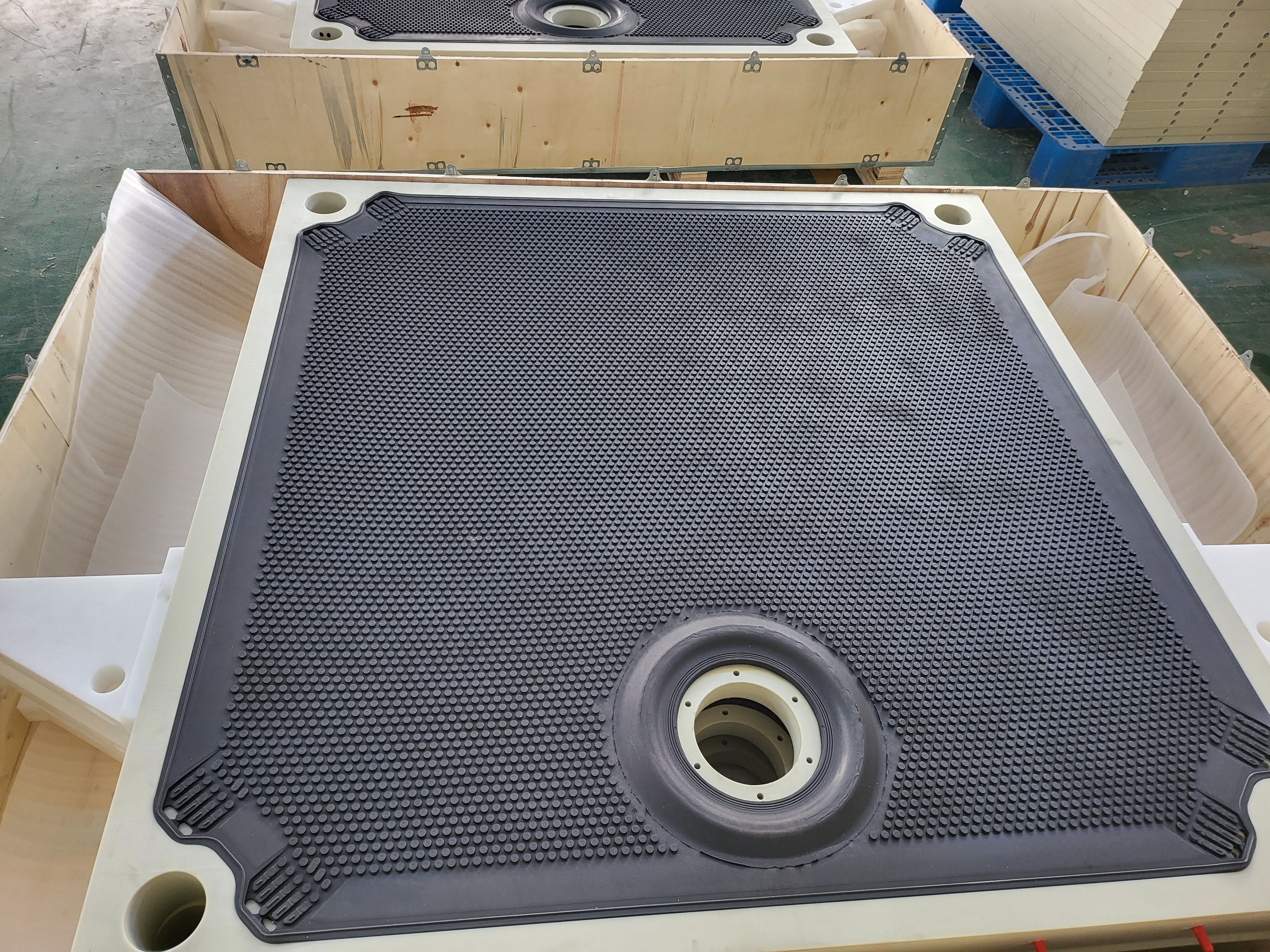
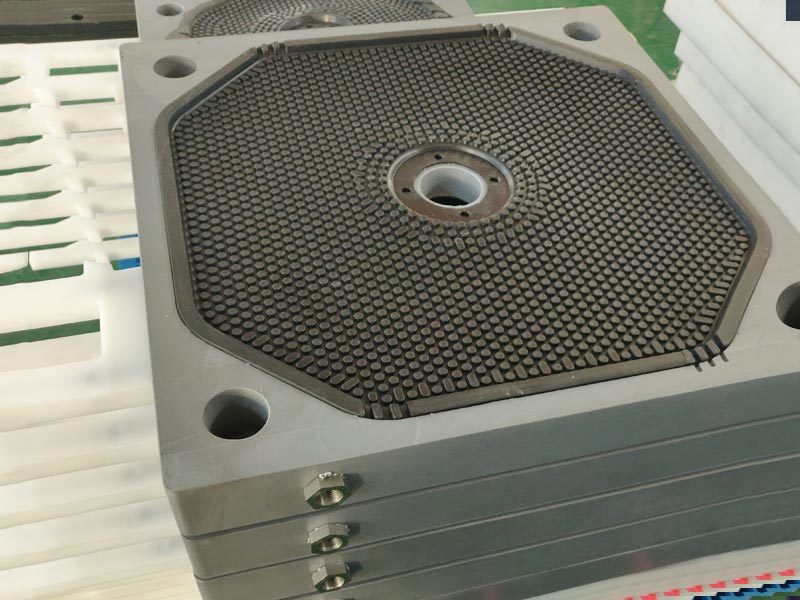
A **1200 diaphragm plate** is a specialized component used in *filtration systems* to separate solids from liquids. It operates by creating a barrier that allows only fluids to pass while retaining solid particulates. The diaphragm plate is characterized by its rigid yet flexible design, which adapts to varying pressure conditions within filtration systems.
2.1 Key Features of the 1200 Diaphragm Plate
- **Material Composition**: Typically made from high-strength materials such as polypropylene or stainless steel, ensuring durability and resistance to chemical degradation.
- **Size and Dimensions**: The 1200 designation refers to its nominal size, which is designed to fit standard filtration systems, optimizing flow rates and performance.
- **Pressure Resistance**: Capable of withstanding high pressure, which is essential for maintaining effective filtration even in demanding industrial environments.
3. Design and Materials of the 1200 Diaphragm Plate
The design of the **1200 diaphragm plate** plays a crucial role in its functionality. It is engineered to provide maximum efficiency while minimizing maintenance requirements.
3.1 Material Selection
The primary materials used in the construction of diaphragm plates include:
- **Polypropylene**: Known for its resistance to corrosion and chemicals, making it suitable for a variety of applications.
- **Stainless Steel**: Offers superior strength and durability, ideal for high-pressure environments.
3.2 Structural Integrity
The structural design of the diaphragm plate ensures that it can withstand fluctuations in pressure without compromising its integrity. Features such as reinforced edges and strategic ribbing enhance its strength and longevity.
4. Applications of the 1200 Diaphragm Plate in Industrial Filtration
The **1200 diaphragm plate** is commonly used in various industrial filtration applications, ensuring the efficiency and safety of processes across different sectors.
4.1 Pharmaceutical Industry
In the pharmaceutical industry, maintaining sterile conditions is paramount. The diaphragm plate aids in the filtration of solvents and liquids to ensure purity, preventing contamination that could affect product quality.
4.2 Food and Beverage Sector
The food and beverage industry utilizes the diaphragm plate for *filtration applications* that require strict hygiene standards. It effectively removes unwanted particulates from liquids, ensuring compliance with health regulations.
4.3 Chemical Processing
In chemical processing, the **1200 diaphragm plate** plays a vital role in separating solid impurities from liquids, enhancing the efficiency of chemical reactions and processing.
5. Benefits of Using a 1200 Diaphragm Plate
Integrating a **1200 diaphragm plate** into filtration systems offers several advantages:
5.1 Enhanced Filtration Efficiency
The design and material composition of the diaphragm plate contribute to superior filtration performance, effectively removing solids and particulates.
5.2 Reduced Maintenance Costs
With its durable construction, the **1200 diaphragm plate** requires less frequent replacement, leading to lower maintenance and operational costs over time.
5.3 Versatility Across Industries
The diaphragm plate's adaptability to various industrial applications makes it a cost-effective solution for businesses in diverse sectors.
6. Maintenance and Care of the 1200 Diaphragm Plate
Proper maintenance is essential to ensure the longevity and performance of the **1200 diaphragm plate**.
6.1 Regular Inspections
Conducting regular inspections helps identify wear and tear before it leads to significant issues. Check for signs of corrosion, cracks, or other damage.
6.2 Cleaning Protocols
Implementing proper cleaning protocols is crucial. Use appropriate cleaning agents that do not compromise the material integrity of the diaphragm plate.
7. Troubleshooting Common Issues with Diaphragm Plates
Despite their durability, diaphragm plates can encounter issues. Recognizing and addressing these problems early can prevent operational disruptions.
7.1 Leaks and Seal Failures
Leaks often indicate worn seals. Regular inspection and timely replacement of seals can mitigate this issue.
7.2 Reduced Flow Rates
A decrease in flow rates may signal clogging or damage to the diaphragm plate. Regular maintenance can help maintain optimal flow rates.
8. Future Trends in Industrial Filtration Technology
As industrial processes evolve, so too do the technologies that support them. The future of industrial filtration may see advancements such as:
8.1 Smart Filtration Systems
Integration of IoT technology to monitor filtration performance in real-time, enabling proactive maintenance and optimization.
8.2 Sustainable Filtration Solutions
Emphasis on environmentally friendly materials and processes, promoting sustainability within the industry.
9. Conclusion
The **1200 diaphragm plate** serves as a cornerstone in industrial filtration, offering unmatched efficiency, durability, and versatility. Understanding its role and implementing best practices in maintenance can significantly enhance the performance of filtration systems across various industries. By adopting the right technologies and staying abreast of industry trends, businesses can ensure they maintain a competitive edge in an ever-evolving landscape.
10. Frequently Asked Questions
10.1 What is the lifespan of a 1200 diaphragm plate?
The lifespan varies based on usage and maintenance but typically ranges from 5 to 10 years with proper care.
10.2 Can I use the 1200 diaphragm plate in high-temperature applications?
Yes, provided the material is suitable for high-temperature environments, many diaphragm plates can withstand elevated temperatures.
10.3 How do I know if my diaphragm plate needs replacement?
Signs include visible wear, leaks, reduced flow rates, or changes in filtration efficiency.
10.4 Are there different sizes of diaphragm plates available?
Yes, diaphragm plates come in various sizes to accommodate different filtration systems.
10.5 What industries benefit most from using a 1200 diaphragm plate?
Key industries include pharmaceuticals, food and beverage, and chemical processing, where filtration quality is crucial for safety and compliance.
Related News