
-
AboutHebei Linaier Rubber Products Co., Ltd. is located in Duqiao Industrial Zone, Jingxian City, Hebei Province, adjacent to Dezhou, Shandong. Founded in early 2001 with a registered capital of 35 million yuan, it is a scientific

-
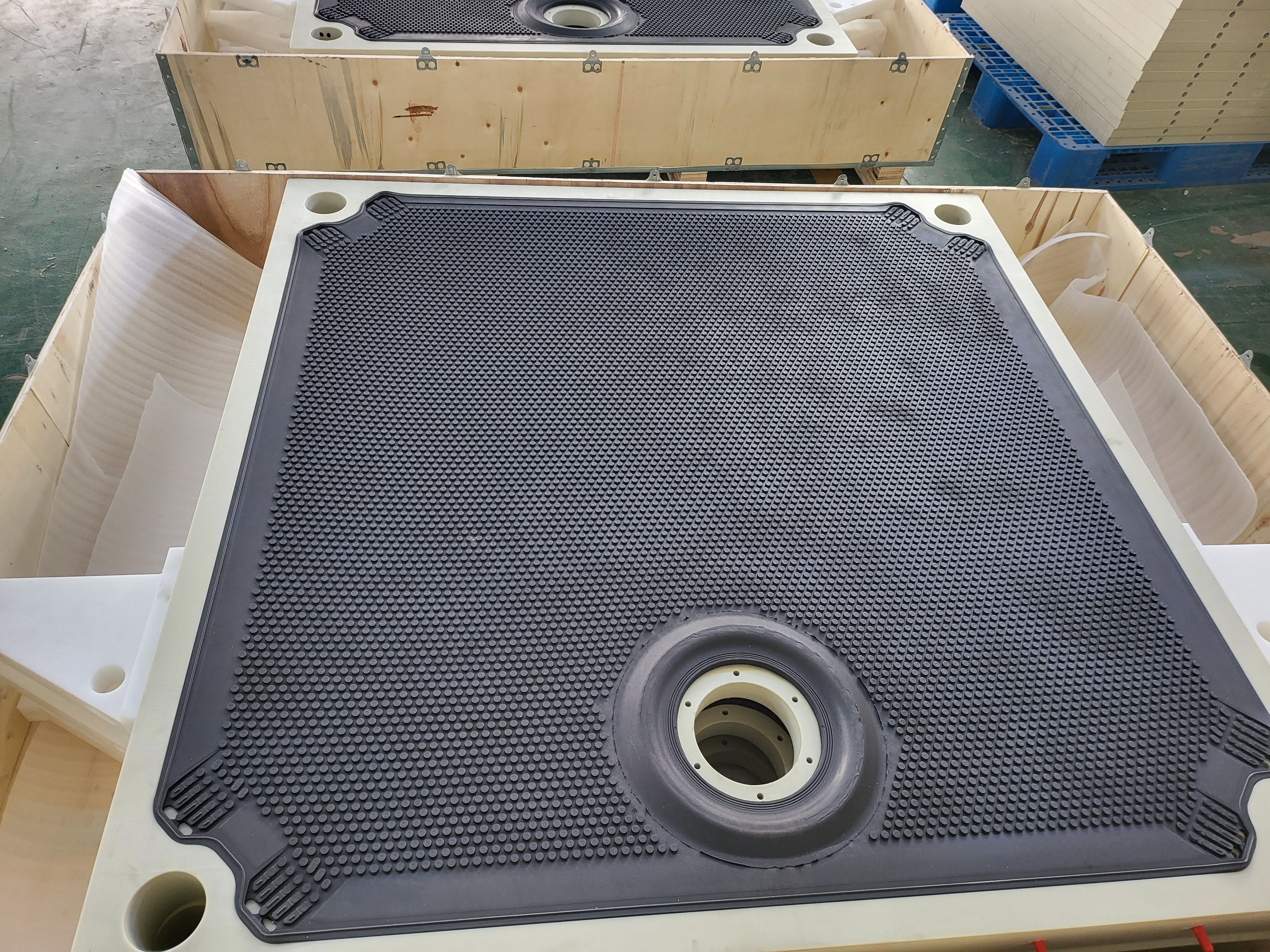
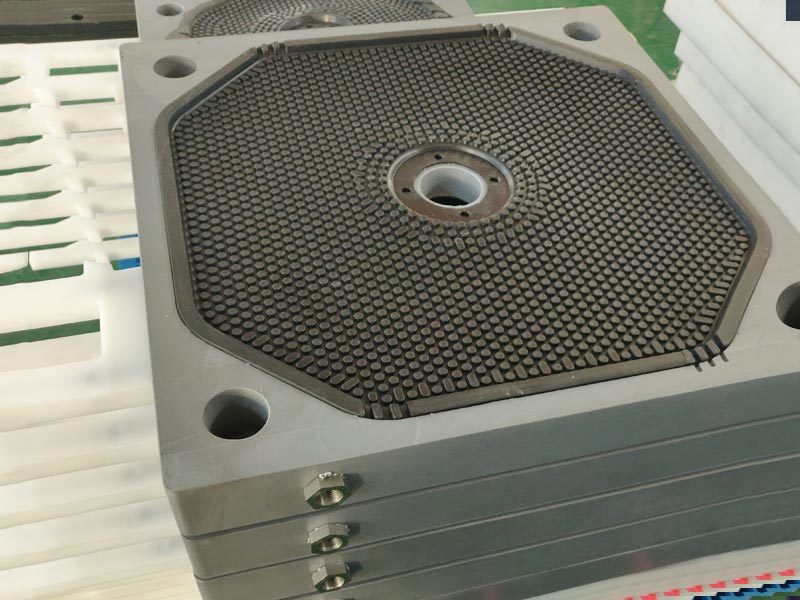
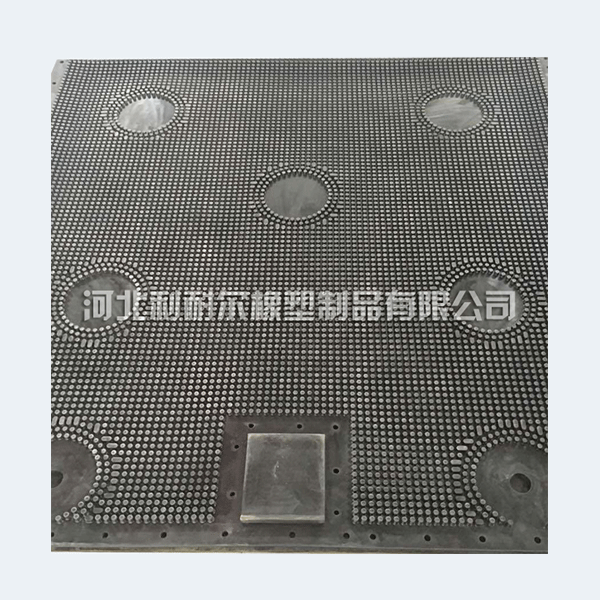
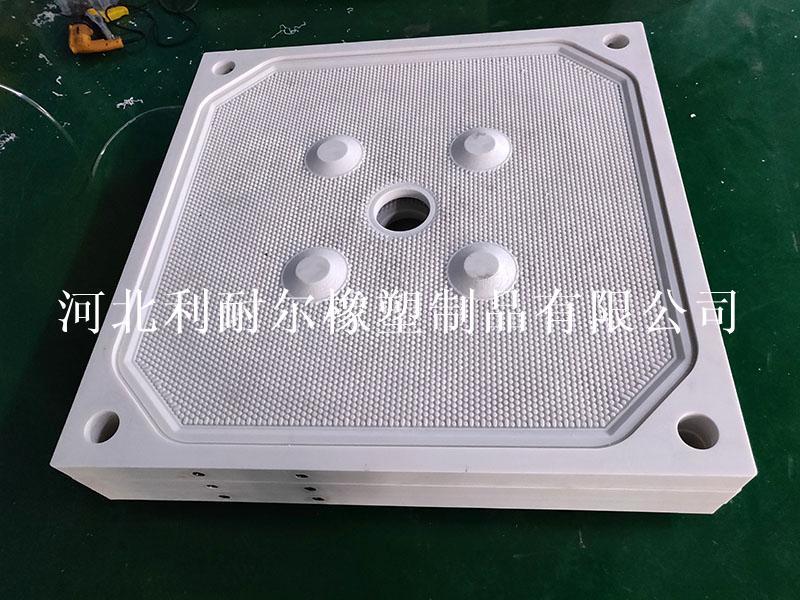
ProductMain products: vertical and horizontal imported and domestic filter plates, diaphragm plates, diaphragms and accessories; pinch valve sleeves and pinch valves and various mining accessories.
-
NewsIn 2013, our company's high-pressure cylinder with phenolic cloth support and guide ring obtained the national key new product certificate, project number: 2013GRA20011; its products in coal cylinders and engineering hydrauli
-
ServiceWe will actively cooperate with more enthusiasm, strengthen internal management, expand the market externally, improve various performance indicators of existing products, and truly achieve our win-win situation!
-
RecruitmentOur company always adheres to the talent concept of "people-oriented", provides a growth platform for talents, and realizes the common growth and development of enterprises and talents.


language
English
العربية
বাংলাদেশ
Български
Hrvatski
Česky
Dansk
Nederland
 Esperanto
Slovenski
Filipino
Suomi
Français
Maori
 Shqiptare
Georgian
 Euskara
Deutsch
Ελλάδα
ישראל
इंडिया
Magyarország
Ísland
Indonesia
Irlanda
Italia
日本語
Sovensko
Հայաստան
한국
Kyrgyz
ປະເທດລາວ
 Zulu
Zulu
Latvian
Lithuanian
Luxembourgish
 Latinus
Macedonian
Малайская
Maltese
Монгол улс
 Cymraeg
ဗမာ
 தமிழ்
தமிழ்
नेपाल
Norge
ایران
Polska
Portugal
România
Российская
Србија
 Slovak
Србија
 Slovak
Bosanski
Slovenian
Беларус
España
Sverige
Точик
ประเทศไทย
Türk
Azərbaycan
Uzbek
 Afrikaans
Việt Nam

Unleashing the Power of R&D Strength in the Chemical and Plastics Industry
Release time:
2024-11-24
In the fast-evolving landscape of the chemical and plastics industry, R&D strength serves as a foundational pillar that supports innovation and growth. Companies in this sector are continuously seeking to develop new materials, enhance existing products, and improve manufacturing processes. The emphasis on R&D is particularly significant given the increasing demand for sustainable solutions and hi
In the fast-evolving landscape of the chemical and plastics industry, R&D strength serves as a foundational pillar that supports innovation and growth. Companies in this sector are continuously seeking to develop new materials, enhance existing products, and improve manufacturing processes. The emphasis on R&D is particularly significant given the increasing demand for sustainable solutions and high-performance materials.
One of the primary advantages of a strong R&D framework is its ability to foster innovation. Through extensive research, organizations can explore novel polymers, composites, and additives that meet specific performance criteria. This is particularly important in the development of specialized plastics that cater to diverse applications, ranging from automotive components to medical devices. As the market demands increasingly sophisticated solutions, the focus on R&D allows companies to stay ahead of the competition by creating innovative products that are not only effective but also sustainable.
Moreover, R&D strength plays a critical role in addressing environmental concerns. In recent years, there has been a significant shift toward eco-friendly materials and processes within the chemical sector. R&D efforts are directed towards developing bioplastics, recyclables, and biodegradable materials, which can significantly reduce the environmental footprint of plastic products. By investing in R&D, companies can identify and implement sustainable practices that comply with regulatory requirements and respond to consumer preferences for greener alternatives.
Additionally, a robust R&D strategy enhances a company's competitiveness in the marketplace. With rapid technological advancements, businesses must adapt to changing industry standards and consumer demands. R&D enables organizations to refine their manufacturing processes, improve product quality, and reduce costs, which is essential for maintaining a competitive edge. By harnessing the power of R&D, companies can capitalize on emerging trends and position themselves as leaders in the industry.
Collaboration is another critical aspect of R&D strength. Companies often engage in partnerships with academic institutions, research organizations, and other industry players to leverage shared expertise and resources. These collaborations can lead to breakthroughs in material science and engineering, resulting in innovative solutions that benefit the entire sector. Additionally, such partnerships can facilitate knowledge transfer and foster a culture of continuous improvement within organizations.
In conclusion, the significance of R&D strength in the chemical and plastics industry cannot be overstated. It not only drives innovation and sustainability but also enhances competitiveness and collaboration. As companies continue to navigate the complexities of the modern market, a strong commitment to R&D will be essential for their success and longevity. Investing in research and development today will pave the way for groundbreaking advancements that shape the future of plastic products and their applications.
One of the primary advantages of a strong R&D framework is its ability to foster innovation. Through extensive research, organizations can explore novel polymers, composites, and additives that meet specific performance criteria. This is particularly important in the development of specialized plastics that cater to diverse applications, ranging from automotive components to medical devices. As the market demands increasingly sophisticated solutions, the focus on R&D allows companies to stay ahead of the competition by creating innovative products that are not only effective but also sustainable.
Moreover, R&D strength plays a critical role in addressing environmental concerns. In recent years, there has been a significant shift toward eco-friendly materials and processes within the chemical sector. R&D efforts are directed towards developing bioplastics, recyclables, and biodegradable materials, which can significantly reduce the environmental footprint of plastic products. By investing in R&D, companies can identify and implement sustainable practices that comply with regulatory requirements and respond to consumer preferences for greener alternatives.
Additionally, a robust R&D strategy enhances a company's competitiveness in the marketplace. With rapid technological advancements, businesses must adapt to changing industry standards and consumer demands. R&D enables organizations to refine their manufacturing processes, improve product quality, and reduce costs, which is essential for maintaining a competitive edge. By harnessing the power of R&D, companies can capitalize on emerging trends and position themselves as leaders in the industry.
Collaboration is another critical aspect of R&D strength. Companies often engage in partnerships with academic institutions, research organizations, and other industry players to leverage shared expertise and resources. These collaborations can lead to breakthroughs in material science and engineering, resulting in innovative solutions that benefit the entire sector. Additionally, such partnerships can facilitate knowledge transfer and foster a culture of continuous improvement within organizations.
In conclusion, the significance of R&D strength in the chemical and plastics industry cannot be overstated. It not only drives innovation and sustainability but also enhances competitiveness and collaboration. As companies continue to navigate the complexities of the modern market, a strong commitment to R&D will be essential for their success and longevity. Investing in research and development today will pave the way for groundbreaking advancements that shape the future of plastic products and their applications.
Related News