
-
AboutHebei Linaier Rubber Products Co., Ltd. is located in Duqiao Industrial Zone, Jingxian City, Hebei Province, adjacent to Dezhou, Shandong. Founded in early 2001 with a registered capital of 35 million yuan, it is a scientific

-
ProductMain products: vertical and horizontal imported and domestic filter plates, diaphragm plates, diaphragms and accessories; pinch valve sleeves and pinch valves and various mining accessories.
-
NewsIn 2013, our company's high-pressure cylinder with phenolic cloth support and guide ring obtained the national key new product certificate, project number: 2013GRA20011; its products in coal cylinders and engineering hydrauli
-
ServiceWe will actively cooperate with more enthusiasm, strengthen internal management, expand the market externally, improve various performance indicators of existing products, and truly achieve our win-win situation!
-
RecruitmentOur company always adheres to the talent concept of "people-oriented", provides a growth platform for talents, and realizes the common growth and development of enterprises and talents.


language
English
العربية
বাংলাদেশ
Български
Hrvatski
Česky
Dansk
Nederland
 Esperanto
Slovenski
Filipino
Suomi
Français
Maori
 Shqiptare
Georgian
 Euskara
Deutsch
Ελλάδα
ישראל
इंडिया
Magyarország
Ísland
Indonesia
Irlanda
Italia
日本語
Sovensko
Հայաստան
한국
Kyrgyz
ປະເທດລາວ
 Zulu
Zulu
Latvian
Lithuanian
Luxembourgish
 Latinus
Macedonian
Малайская
Maltese
Монгол улс
 Cymraeg
ဗမာ
 தமிழ்
தமிழ்
नेपाल
Norge
ایران
Polska
Portugal
România
Российская
Србија
 Slovak
Србија
 Slovak
Bosanski
Slovenian
Беларус
España
Sverige
Точик
ประเทศไทย
Türk
Azərbaycan
Uzbek
 Afrikaans
Việt Nam

Understanding Diaphragm Filter Plates: Key Insights for Industrial Applications
Release time:
2024-10-07
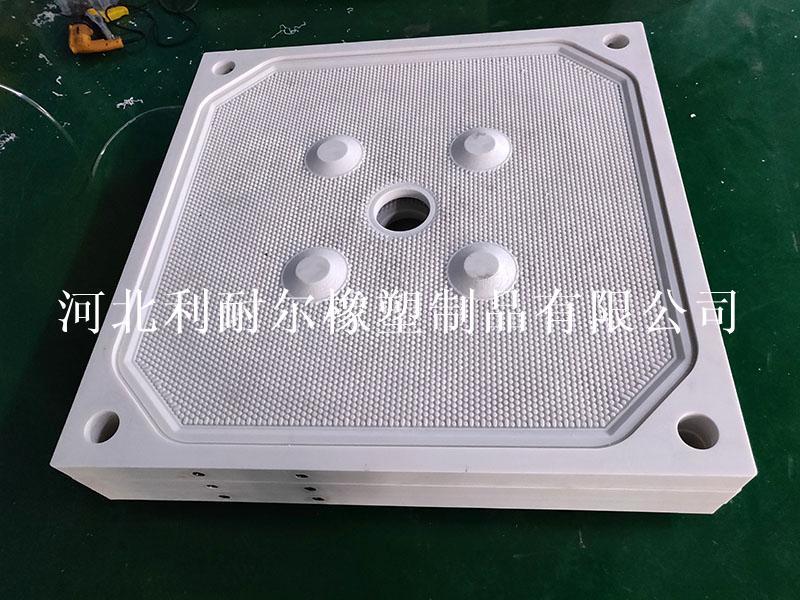
Diaphragm filter plates are pivotal components in the realm of industrial filtration, especially when it comes to separating solids from liquids in various processes. These plates are designed to enhance the efficiency and effectiveness of filtration operations, making them a preferred choice in numerous applications. A diaphragm filter plate typically consists of a rigid frame with a flexible dia
Diaphragm filter plates are pivotal components in the realm of industrial filtration, especially when it comes to separating solids from liquids in various processes. These plates are designed to enhance the efficiency and effectiveness of filtration operations, making them a preferred choice in numerous applications.
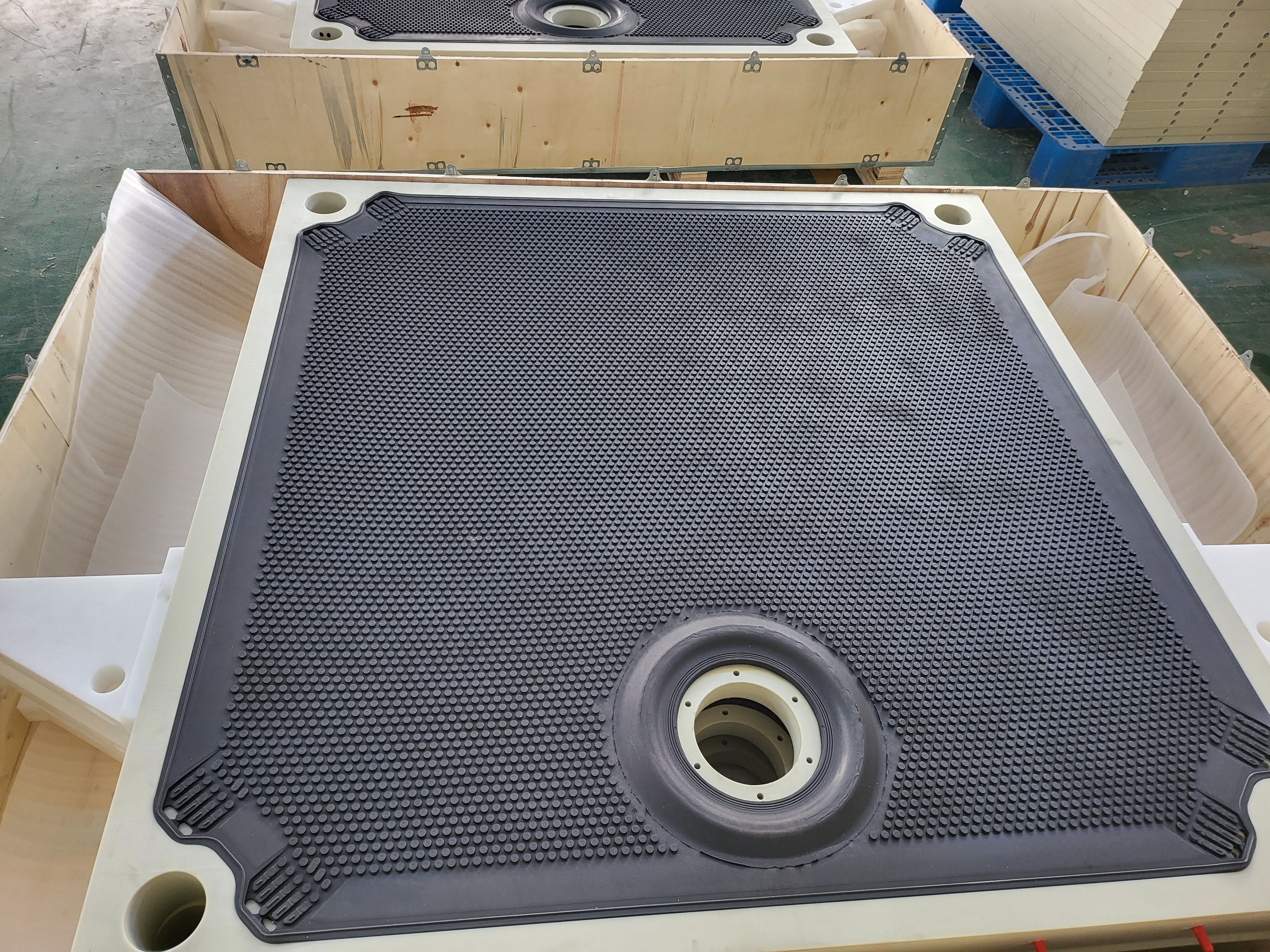
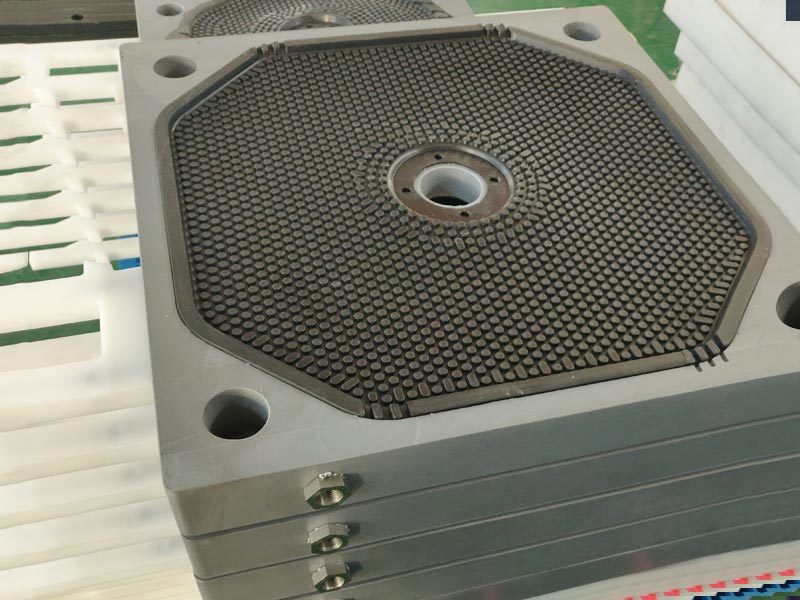
A diaphragm filter plate typically consists of a rigid frame with a flexible diaphragm that acts as a barrier. When pressure is applied, the diaphragm flexes, allowing the liquid to pass through while retaining solid particles. This mechanism not only optimizes filtration but also minimizes the risk of clogging, leading to prolonged equipment life and reduced maintenance needs.
One of the primary advantages of diaphragm filter plates is their ability to provide high filtration rates while maintaining a consistent pressure gradient. This characteristic is particularly beneficial in industries such as mining, food and beverage, and wastewater treatment, where the efficient removal of particulates is crucial for product quality and regulatory compliance. Moreover, diaphragm filter plates can be employed in various configurations, allowing for flexibility in design and application.
In addition to their operational efficiency, diaphragm filter plates contribute to the overall sustainability of industrial processes. By facilitating the recovery of valuable solids from liquid waste, these plates help reduce environmental impact and promote resource conservation. Furthermore, advancements in materials technology have led to the development of diaphragm filter plates that are resistant to corrosion and wear, ensuring durability and reliability in challenging conditions.
When selecting diaphragm filter plates, it is essential to consider factors such as the size of the solids to be filtered, the operating pressure, and the chemical compatibility of the materials involved. Proper selection and maintenance are critical to achieving optimal filtration performance and extending the lifespan of the equipment.
In conclusion, diaphragm filter plates are integral to modern industrial filtration systems. They not only enhance operational efficiency and sustainability but also help industries meet stringent quality and environmental standards. As professionals in the field of industrial equipment and filtration materials, understanding the functionality and benefits of diaphragm filter plates is crucial for making informed decisions that impact productivity and profitability.
A diaphragm filter plate typically consists of a rigid frame with a flexible diaphragm that acts as a barrier. When pressure is applied, the diaphragm flexes, allowing the liquid to pass through while retaining solid particles. This mechanism not only optimizes filtration but also minimizes the risk of clogging, leading to prolonged equipment life and reduced maintenance needs.
One of the primary advantages of diaphragm filter plates is their ability to provide high filtration rates while maintaining a consistent pressure gradient. This characteristic is particularly beneficial in industries such as mining, food and beverage, and wastewater treatment, where the efficient removal of particulates is crucial for product quality and regulatory compliance. Moreover, diaphragm filter plates can be employed in various configurations, allowing for flexibility in design and application.
In addition to their operational efficiency, diaphragm filter plates contribute to the overall sustainability of industrial processes. By facilitating the recovery of valuable solids from liquid waste, these plates help reduce environmental impact and promote resource conservation. Furthermore, advancements in materials technology have led to the development of diaphragm filter plates that are resistant to corrosion and wear, ensuring durability and reliability in challenging conditions.
When selecting diaphragm filter plates, it is essential to consider factors such as the size of the solids to be filtered, the operating pressure, and the chemical compatibility of the materials involved. Proper selection and maintenance are critical to achieving optimal filtration performance and extending the lifespan of the equipment.
In conclusion, diaphragm filter plates are integral to modern industrial filtration systems. They not only enhance operational efficiency and sustainability but also help industries meet stringent quality and environmental standards. As professionals in the field of industrial equipment and filtration materials, understanding the functionality and benefits of diaphragm filter plates is crucial for making informed decisions that impact productivity and profitability.
Related News