
-
AboutHebei Linaier Rubber Products Co., Ltd. is located in Duqiao Industrial Zone, Jingxian City, Hebei Province, adjacent to Dezhou, Shandong. Founded in early 2001 with a registered capital of 35 million yuan, it is a scientific

-
ProductMain products: vertical and horizontal imported and domestic filter plates, diaphragm plates, diaphragms and accessories; pinch valve sleeves and pinch valves and various mining accessories.
-
NewsIn 2013, our company's high-pressure cylinder with phenolic cloth support and guide ring obtained the national key new product certificate, project number: 2013GRA20011; its products in coal cylinders and engineering hydrauli
-
ServiceWe will actively cooperate with more enthusiasm, strengthen internal management, expand the market externally, improve various performance indicators of existing products, and truly achieve our win-win situation!
-
RecruitmentOur company always adheres to the talent concept of "people-oriented", provides a growth platform for talents, and realizes the common growth and development of enterprises and talents.


language
English
العربية
বাংলাদেশ
Български
Hrvatski
Česky
Dansk
Nederland
 Esperanto
Slovenski
Filipino
Suomi
Français
Maori
 Shqiptare
Georgian
 Euskara
Deutsch
Ελλάδα
ישראל
इंडिया
Magyarország
Ísland
Indonesia
Irlanda
Italia
日本語
Sovensko
Հայաստան
한국
Kyrgyz
ປະເທດລາວ
 Zulu
Zulu
Latvian
Lithuanian
Luxembourgish
 Latinus
Macedonian
Малайская
Maltese
Монгол улс
 Cymraeg
ဗမာ
 தமிழ்
தமிழ்
नेपाल
Norge
ایران
Polska
Portugal
România
Российская
Србија
 Slovak
Србија
 Slovak
Bosanski
Slovenian
Беларус
España
Sverige
Точик
ประเทศไทย
Türk
Azərbaycan
Uzbek
 Afrikaans
Việt Nam

Choosing the Right 1500 Diaphragm Plate for Optimal Filtration Performance
Release time:
2024-10-04
Choosing the Right 1500 Diaphragm Plate for Optimal Filtration Performance Table of Contents 1. Introduction to Filtration Systems 2. Understanding Diaphragm Plates 3. Importance of 1500 Diaphragm Plates in Filtration 4. Key Factors to Consider When Choosing a 1500 Diaphragm Plate 4.1 Material Selection 4.2 Size and Dimensions 4.3 Operational Condi
Choosing the Right 1500 Diaphragm Plate for Optimal Filtration Performance
Table of Contents
- 1. Introduction to Filtration Systems
- 2. Understanding Diaphragm Plates
- 3. Importance of 1500 Diaphragm Plates in Filtration
- 4. Key Factors to Consider When Choosing a 1500 Diaphragm Plate
- 4.1 Material Selection
- 4.2 Size and Dimensions
- 4.3 Operational Conditions
- 4.4 Compatibility with Existing Systems
- 4.5 Maintenance Requirements
- 5. Evaluating Filtration Performance
- 6. Common Mistakes to Avoid
- 7. Expert Recommendations for Optimal Use
- 8. Conclusion
- 9. FAQs
1. Introduction to Filtration Systems
Filtration systems play a pivotal role in various industries, ensuring that fluids and gases are free from impurities. These systems are critical in processes ranging from wastewater treatment to food and beverage manufacturing. One of the essential components of these systems is the diaphragm plate, specifically the 1500 diaphragm plate, known for its durability and efficiency. In this article, we will guide you through selecting the right diaphragm plate to enhance filtration performance.
2. Understanding Diaphragm Plates
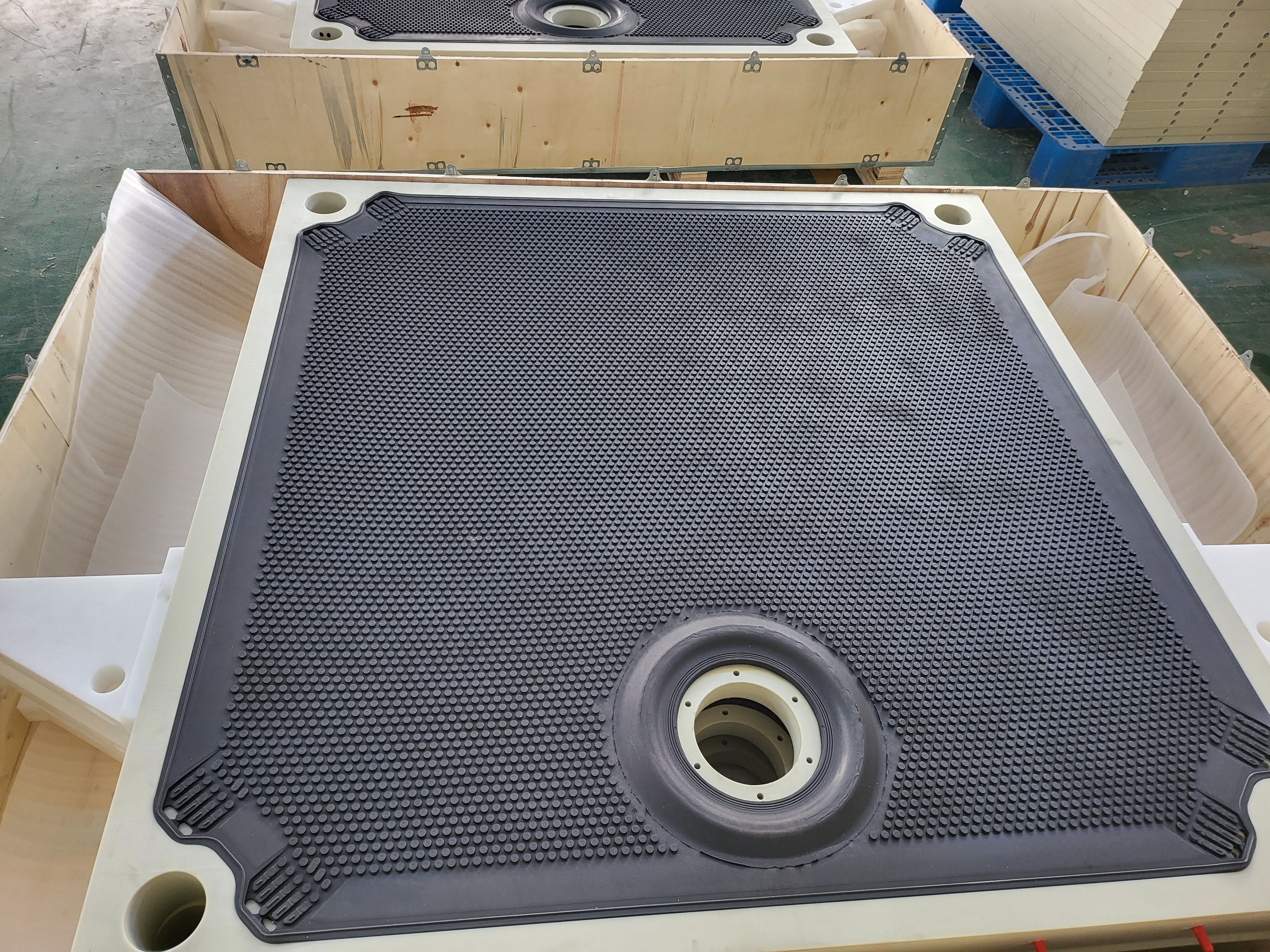
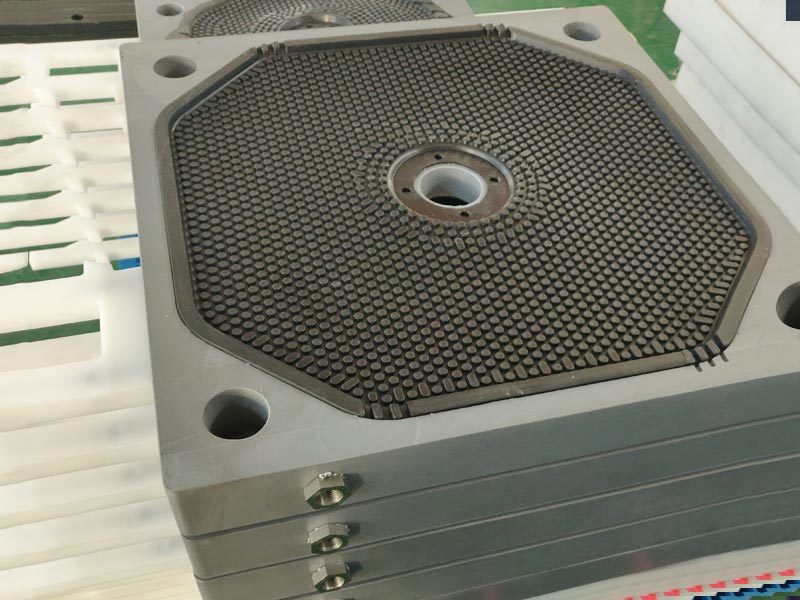
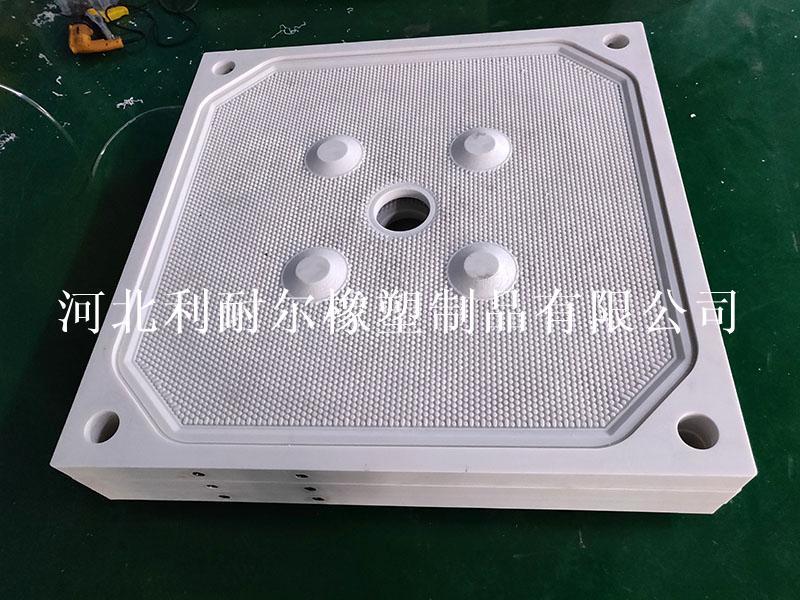
Diaphragm plates serve as barriers in filtration systems, allowing specific particles to pass while trapping larger contaminants. The **1500 diaphragm plate** is designed to accommodate a variety of operational pressures and fluid types. Understanding its structure and function is vital to improving your filtration setup.
What is a Diaphragm Plate?
A diaphragm plate is typically a flexible membrane, which, when pressurized, alters its shape to either allow or restrict fluid flow. This feature is particularly crucial for maintaining consistent filtration rates and ensuring system integrity.
Types of Diaphragm Plates
There are various types of diaphragm plates available in the market, each designed for specific applications. The 1500 diaphragm plate is favored for its versatility and adaptability, making it suitable for different filtration needs.
3. Importance of 1500 Diaphragm Plates in Filtration
The 1500 diaphragm plate is not just another component; it is integral to the overall efficiency and effectiveness of the filtration process. Its construction allows for precise control over flow rates and pressure, crucial for optimizing filtration performance.
Enhanced Filtration Efficiency
By utilizing a 1500 diaphragm plate, industries can achieve higher filtration efficiency, reducing the presence of contaminants in the final output. This enhancement translates to better product quality and compliance with regulatory standards.
Cost-Effectiveness
Investing in a quality diaphragm plate can lead to long-term savings. Improved filtration reduces the need for frequent replacements and maintenance, allowing businesses to allocate resources more effectively.
4. Key Factors to Consider When Choosing a 1500 Diaphragm Plate
Selecting the right diaphragm plate involves a thorough assessment of several factors. Here are the crucial aspects to keep in mind:
4.1 Material Selection
The material of the diaphragm plate significantly influences performance and longevity. Common materials include rubber, PTFE, and metal composites. Each material has distinct advantages based on temperature tolerance, chemical compatibility, and flexibility.
4.2 Size and Dimensions
Size matters when it comes to diaphragm plates. Selecting a plate that fits your filtration system's dimensions is crucial for optimal performance. An ill-fitting plate can lead to leaks and inefficiencies, compromising the entire filtration process.
4.3 Operational Conditions
Understanding the operational conditions, including pressure and temperature, is essential for selecting a suitable diaphragm plate. The **1500 diaphragm plate** must withstand the specific demands of your application to ensure durability.
4.4 Compatibility with Existing Systems
Ensure that the diaphragm plate is compatible with your existing filtration system. Mismatches can lead to performance issues and costly downtimes.
4.5 Maintenance Requirements
Consider the maintenance needs of the diaphragm plate. Some materials may require more frequent inspections and replacements than others. Knowing these requirements in advance can help in planning and budgeting.
5. Evaluating Filtration Performance
Once the right diaphragm plate is selected, evaluating its performance is crucial. Regular monitoring ensures that the filtration system operates at peak efficiency. Key performance indicators include:
- **Flow Rate:** Measure how much fluid passes through the system within a specific timeframe.
- **Pressure Drop:** Monitor changes in pressure to identify potential clogs or inefficiencies.
- **Contaminant Levels:** Regularly test the output for impurities to ensure compliance with industry standards.
6. Common Mistakes to Avoid
When selecting a 1500 diaphragm plate, certain pitfalls can hinder performance. Avoid the following mistakes:
Overlooking Specifications
Always refer to the manufacturer’s specifications to ensure the diaphragm plate meets your filtration needs.
Ignoring Compatibility
Never choose a diaphragm plate without confirming its compatibility with your system. This oversight can lead to significant operational issues.
Neglecting Regular Maintenance
Even the best diaphragm plates require maintenance. Neglecting this aspect can lead to problems that compromise the filtration process.
7. Expert Recommendations for Optimal Use
To maximize the performance of your 1500 diaphragm plate, consider the following expert recommendations:
Conduct Regular Assessments
Schedule periodic assessments to evaluate the condition of the diaphragm plate and the entire filtration system.
Invest in Quality Materials
Always opt for high-quality diaphragm plates. While they may cost more upfront, the long-term savings and performance enhancements are worth the investment.
Train Your Staff
Ensure that personnel are trained to operate and maintain the filtration system effectively. Proper knowledge can prevent many common issues.
8. Conclusion
Choosing the right 1500 diaphragm plate is vital for achieving optimal filtration performance. By understanding the factors that influence selection, such as material choice, size, and compatibility, industries can enhance their filtration systems significantly. Investing in quality diaphragm plates not only improves efficiency but also reduces operational costs. Remember to conduct regular evaluations and maintenance to keep your systems running smoothly.
9. FAQs
What is the lifespan of a 1500 diaphragm plate?
The lifespan varies based on material and operational conditions, but with proper maintenance, it can last several years.
How can I tell if my diaphragm plate needs replacing?
Signs include visible wear, decreased filtration efficiency, or changes in pressure levels.
Are there specific applications for which the 1500 diaphragm plate is best suited?
Yes, it is ideal for applications requiring high durability and performance, such as chemical processing and wastewater treatment.
What maintenance is required for diaphragm plates?
Regular inspections for wear, cleaning, and timely replacements are essential for maintaining optimal performance.
Can I use a 1500 diaphragm plate with any filtration system?
Not necessarily. Always ensure compatibility with your specific filtration system to avoid inefficiencies and malfunctions.
Related News