
-
AboutHebei Linaier Rubber Products Co., Ltd. is located in Duqiao Industrial Zone, Jingxian City, Hebei Province, adjacent to Dezhou, Shandong. Founded in early 2001 with a registered capital of 35 million yuan, it is a scientific

-
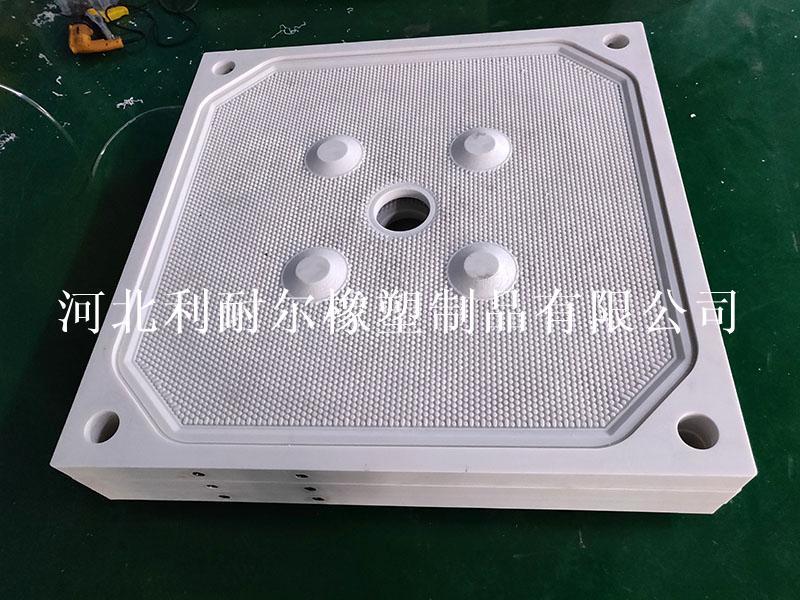
ProductMain products: vertical and horizontal imported and domestic filter plates, diaphragm plates, diaphragms and accessories; pinch valve sleeves and pinch valves and various mining accessories.
-
NewsIn 2013, our company's high-pressure cylinder with phenolic cloth support and guide ring obtained the national key new product certificate, project number: 2013GRA20011; its products in coal cylinders and engineering hydrauli
-
ServiceWe will actively cooperate with more enthusiasm, strengthen internal management, expand the market externally, improve various performance indicators of existing products, and truly achieve our win-win situation!
-
RecruitmentOur company always adheres to the talent concept of "people-oriented", provides a growth platform for talents, and realizes the common growth and development of enterprises and talents.


language
English
العربية
বাংলাদেশ
Български
Hrvatski
Česky
Dansk
Nederland
 Esperanto
Slovenski
Filipino
Suomi
Français
Maori
 Shqiptare
Georgian
 Euskara
Deutsch
Ελλάδα
ישראל
इंडिया
Magyarország
Ísland
Indonesia
Irlanda
Italia
日本語
Sovensko
Հայաստան
한국
Kyrgyz
ປະເທດລາວ
 Zulu
Zulu
Latvian
Lithuanian
Luxembourgish
 Latinus
Macedonian
Малайская
Maltese
Монгол улс
 Cymraeg
ဗမာ
 தமிழ்
தமிழ்
नेपाल
Norge
ایران
Polska
Portugal
România
Российская
Србија
 Slovak
Србија
 Slovak
Bosanski
Slovenian
Беларус
España
Sverige
Точик
ประเทศไทย
Türk
Azərbaycan
Uzbek
 Afrikaans
Việt Nam

Exploring the Types and Functions of Pinch Valve Sleeves: An In-Depth Guide
Release time:
2024-09-22
Exploring the Types and Functions of Pinch Valve Sleeves Table of Contents 1. Introduction to Pinch Valve Sleeves 2. What is a Pinch Valve Sleeve? 3. Types of Pinch Valve Sleeves 3.1 Rubber Pinch Valve Sleeves 3.2 Silicone Pinch Valve Sleeves 3.3 Thermoplastic Pinch Valve Sleeves 3.4 Customized Pinch Valve Sleeves 4. Functions of Pinch Valve Sleeves 5.
Exploring the Types and Functions of Pinch Valve Sleeves
Table of Contents
- 1. Introduction to Pinch Valve Sleeves
- 2. What is a Pinch Valve Sleeve?
- 3. Types of Pinch Valve Sleeves
- 3.1 Rubber Pinch Valve Sleeves
- 3.2 Silicone Pinch Valve Sleeves
- 3.3 Thermoplastic Pinch Valve Sleeves
- 3.4 Customized Pinch Valve Sleeves
- 4. Functions of Pinch Valve Sleeves
- 5. Applications of Pinch Valve Sleeves
- 6. Advantages of Using Pinch Valve Sleeves
- 7. Maintenance of Pinch Valve Sleeves
- 8. Conclusion
- 9. Frequently Asked Questions
1. Introduction to Pinch Valve Sleeves
Pinch valve sleeves play a crucial role in the fluid control industry, particularly within sectors such as chemicals and rubber manufacturing. These specialized components effectively regulate fluid flow, ensuring efficiency and safety in various systems. Understanding the different types and functions of pinch valve sleeves is essential for professionals looking to optimize their operations.
2. What is a Pinch Valve Sleeve?
A pinch valve sleeve is a flexible, tubular component designed to control the flow of liquids or gases within a pinch valve system. The sleeve is typically made from materials such as rubber or silicone, which allows for easy compression and release as the valve operates. When the sleeve is pinched, the flow of the medium is obstructed; when released, the flow resumes. This simple yet effective mechanism is widely utilized in various applications across different industries.
3. Types of Pinch Valve Sleeves
There are several types of pinch valve sleeves, each designed to meet specific operational needs. The following sections will explore the most common types.
3.1 Rubber Pinch Valve Sleeves
Rubber pinch valve sleeves are among the most widely used types due to their excellent flexibility, resistance to wear, and ability to handle a variety of fluids. They are particularly effective in applications involving abrasive materials, as they can withstand significant wear and tear. Additionally, rubber sleeves can be manufactured in various hardness levels, allowing for customization based on the specific requirements of the application.
3.2 Silicone Pinch Valve Sleeves
Silicone pinch valve sleeves offer superior temperature resistance and chemical compatibility, making them suitable for applications involving aggressive fluids or extreme temperatures. Their inherent flexibility and durability ensure that they can withstand repeated cycles of operation without degrading. This makes silicone sleeves an excellent choice for food processing, pharmaceutical, and other high-purity applications.
3.3 Thermoplastic Pinch Valve Sleeves
Thermoplastic pinch valve sleeves combine the benefits of plastic and rubber, offering excellent chemical resistance and dimensional stability. They are particularly advantageous in environments where high pressure and temperature fluctuations are common. These sleeves are typically easier to clean and maintain, making them a popular choice in many industrial applications.
3.4 Customized Pinch Valve Sleeves
For specialized applications, customized pinch valve sleeves can be designed to meet specific requirements. Manufacturers can tailor the material, dimensions, and other characteristics to ensure optimal performance in unique operating conditions. This flexibility allows industries to maximize efficiency and minimize downtime.
4. Functions of Pinch Valve Sleeves
Pinch valve sleeves serve several critical functions in fluid control systems. Understanding these functions can help businesses make informed decisions about their equipment.
Flow Regulation
The primary function of a pinch valve sleeve is to regulate fluid flow. By pinching the sleeve, operators can control the passage of liquids or gases, enabling precise flow management. This is particularly important in applications where maintaining specific flow rates is essential for operational efficiency.
Isolation
Another vital function of pinch valve sleeves is isolation. They can effectively isolate sections of a system, allowing for maintenance or repair without disrupting the entire process. This capability is crucial in industries where downtime can lead to significant financial losses.
Minimizing Contamination
Pinch valve sleeves help minimize contamination by providing a sealed environment for fluid handling. This is particularly important in food, pharmaceutical, and chemical manufacturing, where purity is paramount. By using high-quality materials, manufacturers can ensure that the sleeves do not leach harmful substances into the fluids they handle.
Pressure Management
Pinch valve sleeves play a role in managing pressure within a system. By controlling the flow of fluids, they can help maintain appropriate pressure levels, preventing system failures or hazardous conditions.
5. Applications of Pinch Valve Sleeves
Pinch valve sleeves are utilized across various industries due to their versatility and effectiveness. Some common applications include:
Chemical Processing
In chemical processing, pinch valve sleeves are essential for controlling the flow of corrosive fluids. Their ability to withstand harsh chemicals makes them ideal for use in reactors, pipelines, and transfer systems.
Water Treatment
Pinch valve sleeves are often found in water treatment facilities, where they help regulate the flow of water and chemicals used in purification processes. Their durability ensures long-lasting performance in demanding environments.
Food and Beverage
In the food and beverage industry, pinch valve sleeves are employed to ensure the safe and hygienic handling of liquids. Their easy-to-clean surfaces and resistance to contamination make them an excellent choice for these applications.
Pharmaceuticals
In pharmaceutical manufacturing, maintaining the integrity of fluids is critical. Pinch valve sleeves help prevent contamination and ensure precise flow control, making them a vital component in this industry.
6. Advantages of Using Pinch Valve Sleeves
Utilizing pinch valve sleeves offers numerous advantages that can significantly enhance operational efficiency.
Cost-Effectiveness
Pinch valve sleeves are generally cost-effective compared to other valve types. Their simplicity in design means lower manufacturing and maintenance costs, ultimately benefiting the bottom line.
Ease of Maintenance
Maintaining pinch valve sleeves is straightforward. Most sleeves can be easily replaced or cleaned, reducing the time and resources needed for upkeep. This ease of maintenance translates to increased uptime and improved productivity.
Versatility
The versatility of pinch valve sleeves makes them suitable for a wide range of applications. They can handle various fluids, pressures, and temperatures, allowing industries to optimize their processes without needing extensive modifications.
Enhanced Safety
By effectively controlling fluid flow and isolating sections of a system, pinch valve sleeves contribute to safer operational environments. This added layer of safety reduces the risk of accidents and equipment failure.
7. Maintenance of Pinch Valve Sleeves
Proper maintenance of pinch valve sleeves is essential to ensure their longevity and performance.
Regular Inspection
Conducting regular inspections of pinch valve sleeves can help identify wear and tear. Operators should check for cracks, abrasions, and other signs of deterioration that could compromise performance.
Cleaning Procedures
Cleaning pinch valve sleeves should be part of routine maintenance. Depending on the materials used and the fluids handled, specific cleaning procedures may be necessary to prevent contamination and maintain functionality.
Replacement Guidelines
Knowing when to replace pinch valve sleeves is crucial for maintaining system integrity. If a sleeve shows signs of significant wear or damage, it should be replaced immediately to avoid potential failures.
8. Conclusion
Pinch valve sleeves are indispensable components in fluid control systems, offering a unique combination of flexibility, durability, and cost-effectiveness. With various types available, industries can choose the right sleeve to meet their specific needs, ensuring optimal performance and safety. By understanding the functions, applications, and maintenance requirements of pinch valve sleeves, businesses can enhance their operations and minimize downtime, leading to increased efficiency and productivity.
9. Frequently Asked Questions
What materials are pinch valve sleeves made of?
Pinch valve sleeves are typically made from rubber, silicone, or thermoplastic materials. Each material offers unique benefits, making it suitable for different applications.
How do I know if a pinch valve sleeve needs to be replaced?
Signs of wear, such as cracks, abrasions, or reduced flexibility, indicate that a pinch valve sleeve may need replacement. Regular inspections can help identify these issues early.
Can pinch valve sleeves handle abrasive materials?
Yes, rubber pinch valve sleeves are particularly effective at handling abrasive materials due to their wear-resistant properties.
Are customized pinch valve sleeves available?
Yes, many manufacturers offer customized pinch valve sleeves tailored to specific operational requirements, including material, size, and design.
How can I maintain pinch valve sleeves?
Regular inspection, proper cleaning procedures, and timely replacement are essential for maintaining the performance of pinch valve sleeves.
Related News