
-
AboutHebei Linaier Rubber Products Co., Ltd. is located in Duqiao Industrial Zone, Jingxian City, Hebei Province, adjacent to Dezhou, Shandong. Founded in early 2001 with a registered capital of 35 million yuan, it is a scientific

-
ProductMain products: vertical and horizontal imported and domestic filter plates, diaphragm plates, diaphragms and accessories; pinch valve sleeves and pinch valves and various mining accessories.
-
NewsIn 2013, our company's high-pressure cylinder with phenolic cloth support and guide ring obtained the national key new product certificate, project number: 2013GRA20011; its products in coal cylinders and engineering hydrauli
-
ServiceWe will actively cooperate with more enthusiasm, strengthen internal management, expand the market externally, improve various performance indicators of existing products, and truly achieve our win-win situation!
-
RecruitmentOur company always adheres to the talent concept of "people-oriented", provides a growth platform for talents, and realizes the common growth and development of enterprises and talents.


 Esperanto
 Shqiptare
 Euskara
 Zulu
Zulu
 Latinus
 Cymraeg
 தமிழ்
தமிழ்
 Slovak
 Slovak
 Afrikaans

Unlocking Efficiency: The Critical Role of 400 Filter Plates in Enhancing Industrial Applications
Release time:
2024-09-06
Unlocking Efficiency: The Role of 400 Filter Plates in Industrial Applications Table of Contents What Are 400 Filter Plates? Importance of Filter Plates in Industrial Applications Key Benefits of 400 Filter Plates Applications of 400 Filter Plates in Various Industries Materials and Designs Used in 400 Filter Plates Maintenance and Care for 400 Filter Plates Future Tre
Unlocking Efficiency: The Role of 400 Filter Plates in Industrial Applications
Table of Contents
- What Are 400 Filter Plates?
- Importance of Filter Plates in Industrial Applications
- Key Benefits of 400 Filter Plates
- Applications of 400 Filter Plates in Various Industries
- Materials and Designs Used in 400 Filter Plates
- Maintenance and Care for 400 Filter Plates
- Future Trends in Filter Plate Technology
- Conclusion
- FAQs
What Are 400 Filter Plates?
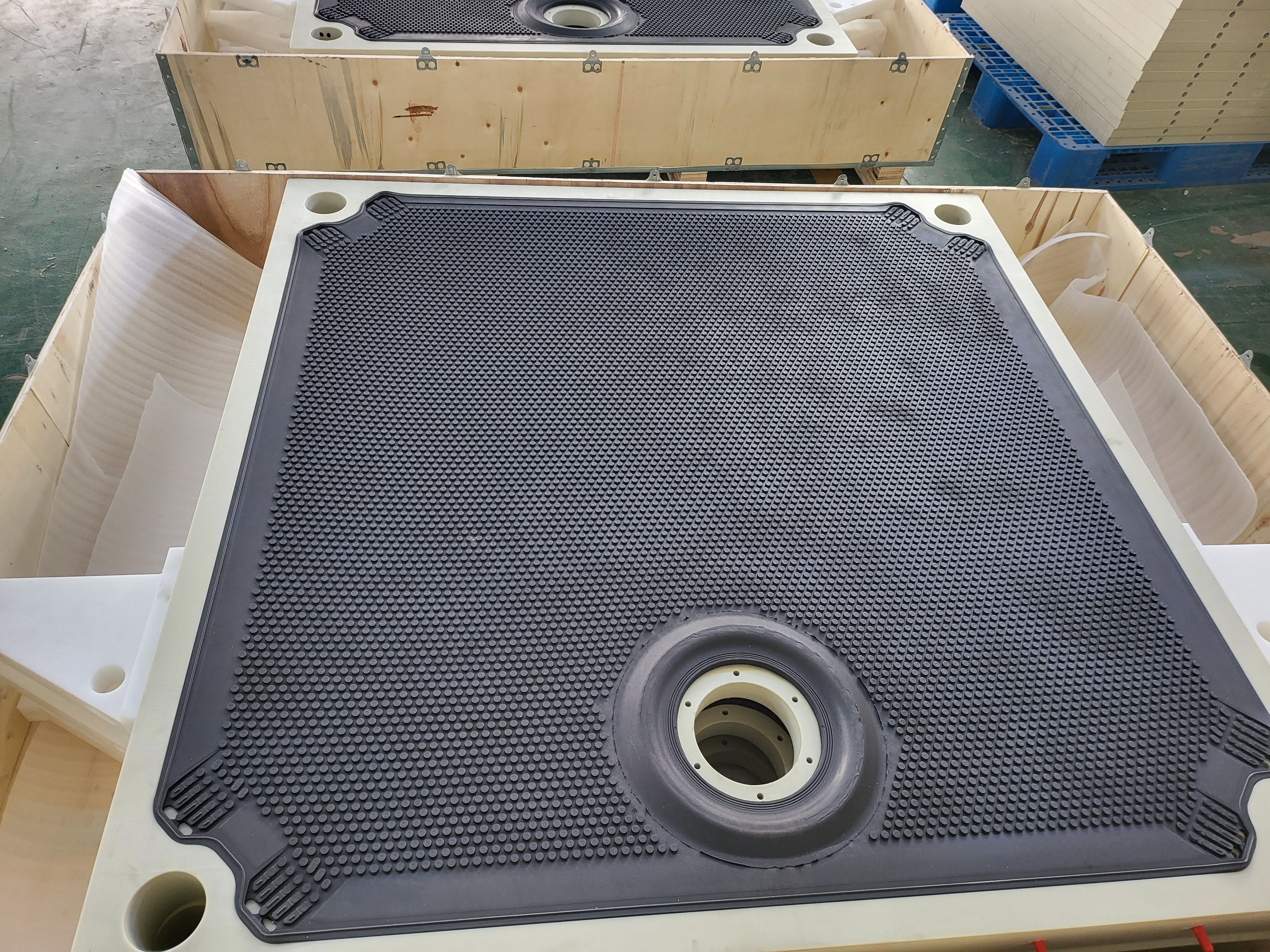
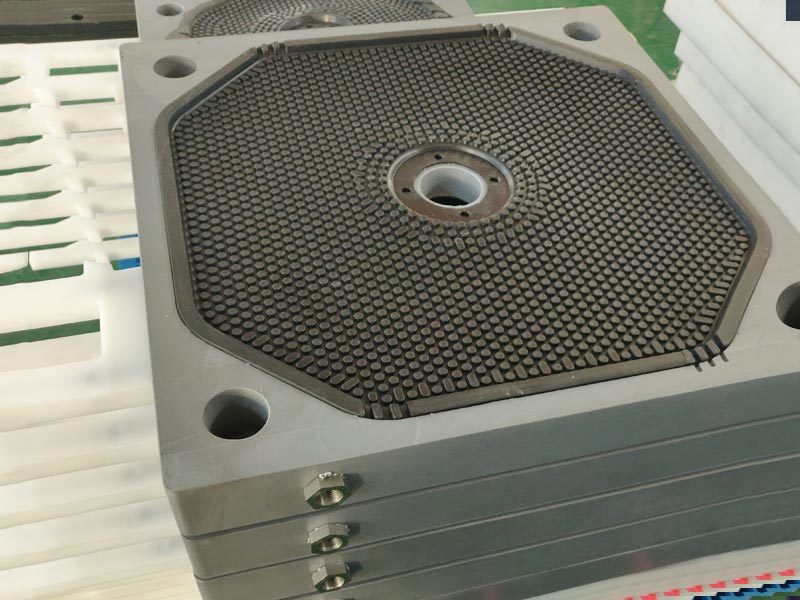
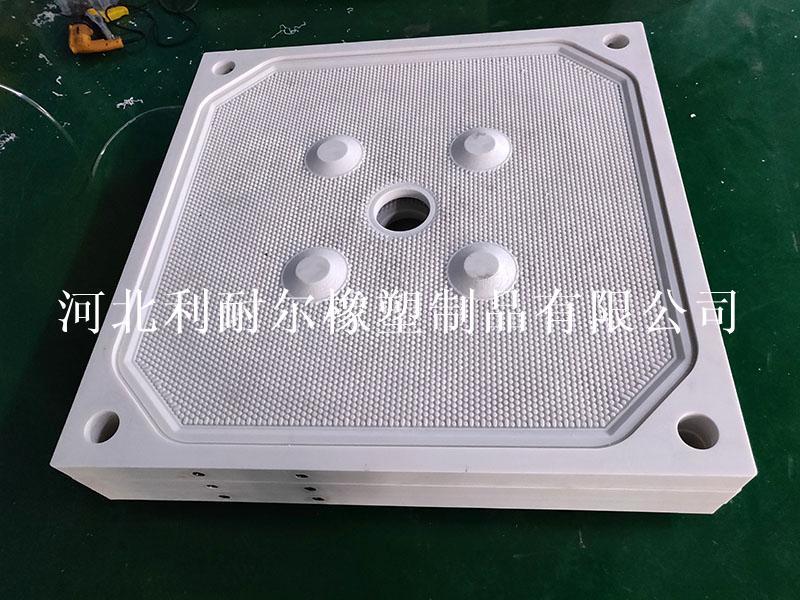
400 filter plates are specialized components designed for use in various industrial filtration processes. They are typically constructed from durable materials, such as polypropylene or stainless steel, and are engineered to achieve high filtration efficiency. These plates come in various sizes and configurations, with the 400 designation indicating a specific dimensional standard that allows for compatibility with a wide range of filtration systems.
Importance of Filter Plates in Industrial Applications
In industrial settings, the need for effective filtration systems is paramount. The role of filter plates cannot be overstated, as they serve as the backbone of these systems, providing essential separation of solids from liquids or gases. By ensuring the removal of impurities, 400 filter plates enhance product quality, protect downstream equipment, and improve overall operational efficiency.
Enhancing Filtration Efficiency
Filter plates, especially those designed in the 400 series, are engineered for optimal performance. Their specific design and material choice contribute to better flow rates and reduced fouling, hence improving the lifespan of the filtration system.
Cost-Effectiveness
Using 400 filter plates can lead to significant cost savings. Efficient filtration reduces the frequency of maintenance and downtime, ultimately translating to lower operational costs and increased productivity.
Key Benefits of 400 Filter Plates
The adoption of 400 filter plates in industrial applications comes with numerous advantages:
- High Filtration Efficiency: These plates are designed to provide superior filtration, capturing even the smallest particles.
- Durability: Made from robust materials, 400 filter plates are resistant to wear and tear, making them ideal for challenging industrial environments.
- Versatility: Suitable for a range of applications, from food and beverage to chemical processing, these filter plates adapt to various filtration needs.
- Easy Maintenance: Their design allows for straightforward cleaning and replacement, reducing downtime.
Improved Product Quality
When used effectively, 400 filter plates can significantly enhance the quality of the end product by removing unwanted contaminants that could compromise product integrity.
Operational Flexibility
These filter plates can be utilized in different systems and configurations, providing manufacturers with the flexibility to adapt to changing production needs.
Applications of 400 Filter Plates in Various Industries
The versatility of 400 filter plates makes them suitable for a wide array of industrial applications:
Food and Beverage Industry
In the food and beverage sector, 400 filter plates play a crucial role in ensuring product safety and quality. They are used in processes such as juice clarification, beer brewing, and wine filtration, where purity is critical.
Chemical and Petrochemical Industries
These plates are essential for separating solids from liquids in chemical processes, helping companies maintain compliance with safety and environmental regulations.
Pharmaceutical Manufacturing
In the pharmaceutical industry, the need for sterile environments makes 400 filter plates indispensable for ensuring that products meet stringent safety standards.
Wastewater Treatment
400 filter plates are also used in wastewater treatment facilities, where they help remove contaminants before water is released back into the environment.
Materials and Designs Used in 400 Filter Plates
The construction of 400 filter plates involves various materials, each chosen for its specific properties:
Polypropylene
Polypropylene is lightweight, resistant to chemicals, and provides excellent filtration efficiency, making it a popular choice for many applications.
Stainless Steel
For more demanding environments, stainless steel offers enhanced durability and resistance to corrosion, ideal for high-temperature or high-pressure situations.
Innovative Designs
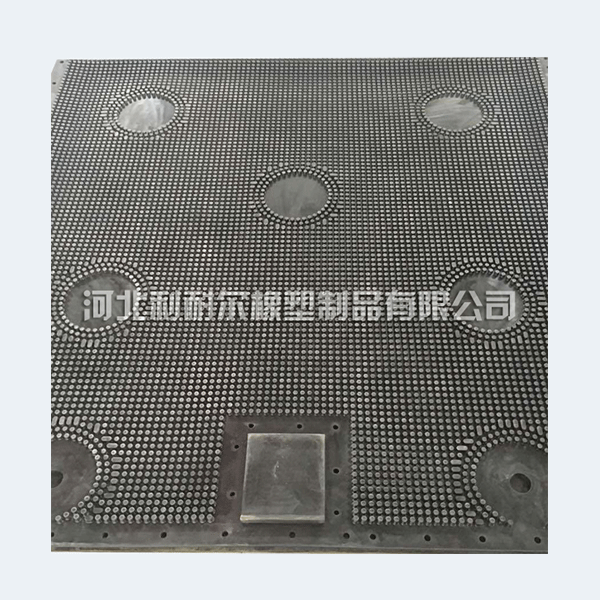
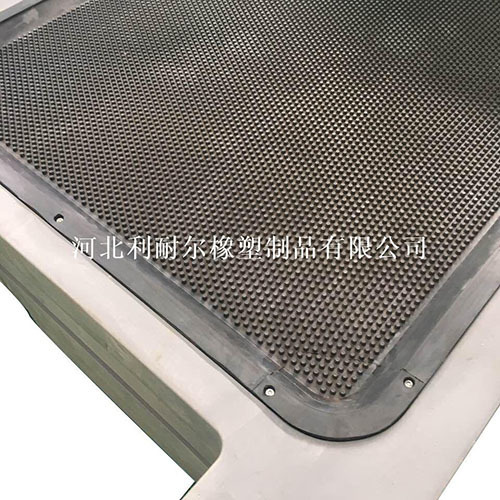
Recent advancements have led to the development of innovative designs that enhance flow rates and filtration efficiency, such as the incorporation of patterns or textures on the plate surface.
Maintenance and Care for 400 Filter Plates
Proper maintenance of 400 filter plates is crucial to ensure optimal performance and longevity:
Regular Inspections
Routine inspections help identify wear or damage early, allowing for timely replacements or repairs.
Cleaning Protocols
Establishing effective cleaning protocols is essential for maintaining filtration efficiency. Depending on the application, plates may require different cleaning methods, from simple rinsing to chemical cleaning.
Replacement Schedules
To avoid unexpected breakdowns, implement a replacement schedule based on usage patterns and the specific requirements of the filtration process.
Future Trends in Filter Plate Technology
The filtration industry is evolving, and several trends are shaping the future of 400 filter plates:
Smart Technology Integration
The incorporation of smart technologies and IoT sensors into filtration systems is on the rise, allowing for real-time monitoring and optimization.
Sustainability Focus
With increasing emphasis on sustainability, the development of eco-friendly materials and processes for filter plates is becoming a priority.
Customization
Manufacturers are moving towards customizable filter plates to cater to specific industrial needs, enhancing efficiency and performance.
Conclusion
In conclusion, 400 filter plates play an integral role in enhancing efficiency across various industrial applications. Their advanced design, combined with the use of durable materials, makes them indispensable in maintaining product quality and operational effectiveness. As industries continue to evolve, the importance of these filter plates will only increase, paving the way for innovative solutions that enhance filtration processes.
FAQs
1. What are the typical dimensions of 400 filter plates?
400 filter plates typically adhere to a standard size that ensures compatibility with various filtration systems; however, specific dimensions may vary based on manufacturer specifications.
2. How often should 400 filter plates be replaced?
The replacement frequency depends on usage and the nature of the materials being filtered. Regular inspections can help determine the optimal replacement schedule.
3. Can 400 filter plates be used in high-temperature applications?
Yes, certain materials, like stainless steel, make 400 filter plates suitable for high-temperature applications. Always consult manufacturer guidelines for specific limitations.
4. What cleaning methods are recommended for 400 filter plates?
Cleaning methods vary based on the application, but common practices include rinsing with water, using mild detergents, or chemical cleaning solutions for more stubborn residues.
5. Are there any innovations in filter plate technology?
Yes, recent innovations include smart technology integration for monitoring performance and the development of sustainable materials, enhancing the efficiency and environmental impact of filter plates.
Related News