
-
AboutHebei Linaier Rubber Products Co., Ltd. is located in Duqiao Industrial Zone, Jingxian City, Hebei Province, adjacent to Dezhou, Shandong. Founded in early 2001 with a registered capital of 35 million yuan, it is a scientific

-
ProductMain products: vertical and horizontal imported and domestic filter plates, diaphragm plates, diaphragms and accessories; pinch valve sleeves and pinch valves and various mining accessories.
-
NewsIn 2013, our company's high-pressure cylinder with phenolic cloth support and guide ring obtained the national key new product certificate, project number: 2013GRA20011; its products in coal cylinders and engineering hydrauli
-
ServiceWe will actively cooperate with more enthusiasm, strengthen internal management, expand the market externally, improve various performance indicators of existing products, and truly achieve our win-win situation!
-
RecruitmentOur company always adheres to the talent concept of "people-oriented", provides a growth platform for talents, and realizes the common growth and development of enterprises and talents.


language
English
العربية
বাংলাদেশ
Български
Hrvatski
Česky
Dansk
Nederland
 Esperanto
Slovenski
Filipino
Suomi
Français
Maori
 Shqiptare
Georgian
 Euskara
Deutsch
Ελλάδα
ישראל
इंडिया
Magyarország
Ísland
Indonesia
Irlanda
Italia
日本語
Sovensko
Հայաստան
한국
Kyrgyz
ປະເທດລາວ
 Zulu
Zulu
Latvian
Lithuanian
Luxembourgish
 Latinus
Macedonian
Малайская
Maltese
Монгол улс
 Cymraeg
ဗမာ
 தமிழ்
தமிழ்
नेपाल
Norge
ایران
Polska
Portugal
România
Российская
Србија
 Slovak
Србија
 Slovak
Bosanski
Slovenian
Беларус
España
Sverige
Точик
ประเทศไทย
Türk
Azərbaycan
Uzbek
 Afrikaans
Việt Nam

Exploring the Benefits of Utilizing 800 ✘ 800 Filter Plates in Industrial Applications
Release time:
2024-09-04
Exploring the Benefits of Utilizing 800 ✘ 800 Filter Plates in Industrial Applications Table of Contents 1. Introduction to 800 ✘ 800 Filter Plates 2. Design and Construction of 800 ✘ 800 Filter Plates 3. Functionality of 800 ✘ 800 Filter Plates in Industrial Settings 4. Major Benefits of Using 800 ✘ 800 Filter Plates 4.1 Enhanced Efficiency 4.2 Co
Exploring the Benefits of Utilizing 800 ✘ 800 Filter Plates in Industrial Applications
Table of Contents
- 1. Introduction to 800 ✘ 800 Filter Plates
- 2. Design and Construction of 800 ✘ 800 Filter Plates
- 3. Functionality of 800 ✘ 800 Filter Plates in Industrial Settings
- 4. Major Benefits of Using 800 ✘ 800 Filter Plates
- 4.1 Enhanced Efficiency
- 4.2 Cost Savings
- 4.3 Improved Product Quality
- 4.4 Sustainability and Environmental Impact
- 5. Industrial Applications for 800 ✘ 800 Filter Plates
- 6. Maintenance and Care for 800 ✘ 800 Filter Plates
- 7. Common Misconceptions About Filter Plates
- 8. Conclusion
- 9. Frequently Asked Questions
1. Introduction to 800 ✘ 800 Filter Plates
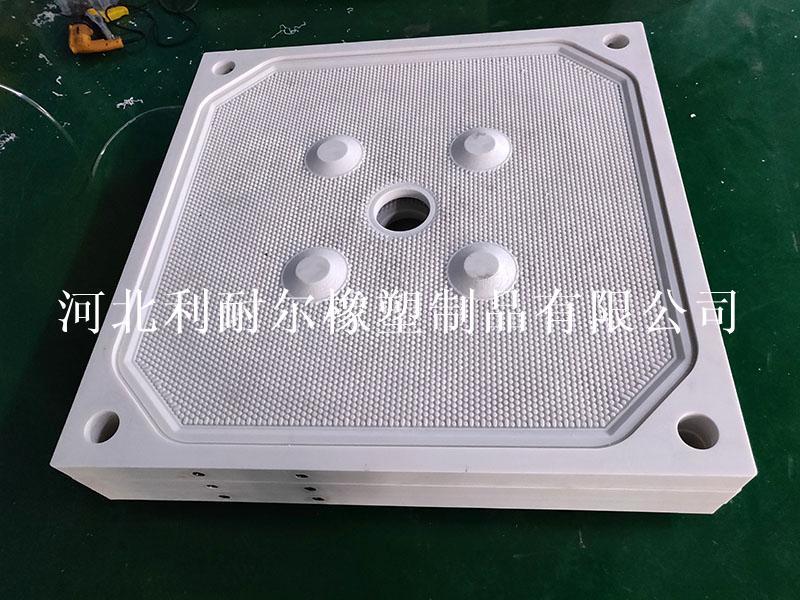
In today’s industrial landscape, efficient filtration systems are crucial for maintaining productivity and quality standards. The **800 ✘ 800 filter plates** stand out as a versatile solution for various filtration needs. These plates are designed to accommodate a wide range of industrial applications, providing superior filtration capabilities that enhance operational efficiency and product quality.
2. Design and Construction of 800 ✘ 800 Filter Plates
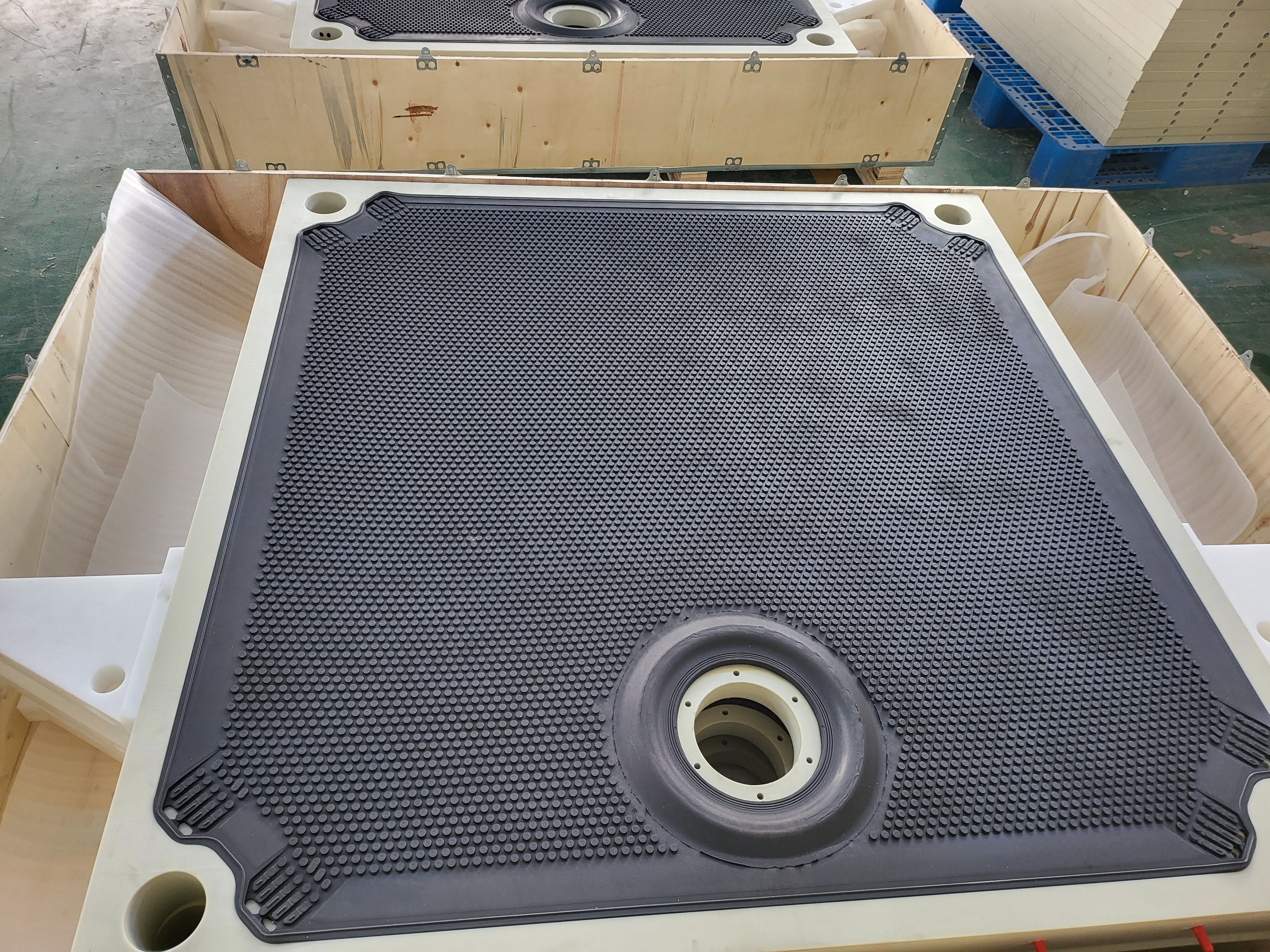
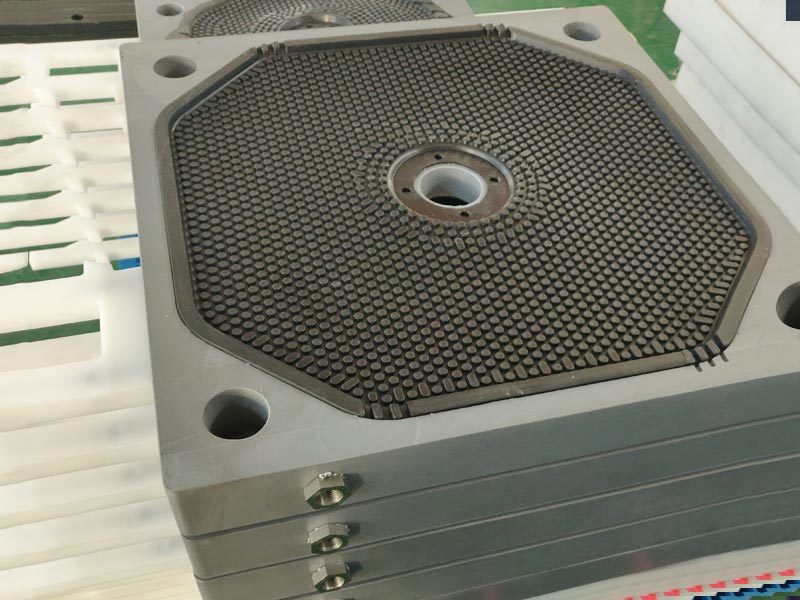
The design of 800 ✘ 800 filter plates integrates advanced engineering principles with high-quality materials. Typically made from **polypropylene** or **stainless steel**, these plates are robust and resistant to corrosion. The dimensions of 800 mm by 800 mm provide a significant filtration area while ensuring compatibility with standard industrial equipment.
The structural design includes strategically placed channels that facilitate optimal flow rates and minimize clogging. This allows for a continuous operation without frequent interruptions, a critical factor in large-scale production environments.
3. Functionality of 800 ✘ 800 Filter Plates in Industrial Settings
In industrial applications, the functionality of 800 ✘ 800 filter plates goes beyond mere filtration. Their design supports various processes, including **liquid-solid separation**, and **clarification**. The plates are essential in industries such as **chemical processing**, **food and beverage**, and **pharmaceuticals**, where purity and consistency are paramount.
These filter plates operate using gravity or pressure to facilitate the separation of solids from liquids effectively. The result is a cleaner output that meets stringent industry standards.
4. Major Benefits of Using 800 ✘ 800 Filter Plates
4.1 Enhanced Efficiency
One of the primary benefits of utilizing 800 ✘ 800 filter plates is the enhanced efficiency they bring to industrial processes. With their large surface area, these plates allow for greater flow rates, thus reducing the time required for filtration. This increased throughput can significantly boost production rates without compromising quality.
4.2 Cost Savings
Incorporating 800 ✘ 800 filter plates into your filtration processes can lead to substantial cost savings. The durability of these plates means reduced downtime and maintenance costs. Additionally, their efficient design leads to lower energy consumption during operation, contributing to a decrease in overall operational expenses.
4.3 Improved Product Quality
The meticulous filtration provided by 800 ✘ 800 filter plates ensures that the end product adheres to high-quality standards. By effectively removing contaminants and particulates, these plates help in producing a cleaner and purer final product. This is especially vital in industries like pharmaceuticals, where product purity is non-negotiable.
4.4 Sustainability and Environmental Impact
Using 800 ✘ 800 filter plates contributes to sustainability goals within industrial operations. Their efficiency minimizes waste generation and energy usage, aligning with the global push for environmentally friendly practices. By investing in these advanced filtration systems, businesses can reduce their ecological footprint while maintaining operational effectiveness.
5. Industrial Applications for 800 ✘ 800 Filter Plates
800 ✘ 800 filter plates are versatile and applicable across various industries, including:
- **Chemical Processing**: Used for separating solids from liquids, ensuring high purity in chemical products.
- **Food and Beverage**: Essential for clarifying juices and beverages, maintaining quality and safety standards.
- **Pharmaceuticals**: Critical for the production of drugs where contamination must be minimized.
- **Wastewater Treatment**: Utilized in treating industrial wastewater, ensuring compliance with environmental regulations.
6. Maintenance and Care for 800 ✘ 800 Filter Plates
Proper maintenance of 800 ✘ 800 filter plates is vital to ensure their longevity and optimal performance. Regular cleaning schedules should be established to prevent clogging and buildup of contaminants.
1. **Routine Inspection**: Conduct regular checks for wear and tear.
2. **Cleaning Procedures**: Use appropriate cleaning agents to avoid damage to the plates.
3. **Storage**: Store in a controlled environment to prevent degradation.
By following these maintenance tips, industries can maximize the lifespan and efficiency of their filtration systems.
7. Common Misconceptions About Filter Plates
There are several misconceptions surrounding the use of filter plates, particularly the 800 ✘ 800 models:
- **Misconception 1**: Filter plates are too costly to implement.
**Reality**: While the initial investment may seem high, the long-term savings in maintenance and efficiency make them cost-effective.
- **Misconception 2**: They require frequent replacements.
**Reality**: With proper care, these plates can last for years, reducing the need for frequent replacements.
- **Misconception 3**: Filter plates are only suitable for specific industries.
**Reality**: The versatility of 800 ✘ 800 filter plates allows them to be used across various sectors.
8. Conclusion
In conclusion, the adoption of 800 ✘ 800 filter plates in industrial applications offers a multitude of benefits. From enhanced efficiency and cost savings to improved product quality and sustainability, these filtration solutions are essential for modern industrial operations. By integrating these advanced filter plates into your processes, you not only enhance productivity but also contribute to a sustainable future.
9. Frequently Asked Questions
1. What industries benefit from using 800 ✘ 800 filter plates?
800 ✘ 800 filter plates are beneficial in various industries, including chemical processing, food and beverage, pharmaceuticals, and wastewater treatment.
2. How often should 800 ✘ 800 filter plates be cleaned?
The cleaning frequency depends on the application; however, regular inspections and cleaning every few weeks are typically recommended.
3. Are 800 ✘ 800 filter plates environmentally friendly?
Yes, their efficiency helps reduce waste and energy consumption, making them a sustainable choice for industrial operations.
4. Can I use 800 ✘ 800 filter plates in high-temperature applications?
Yes, provided they are made from materials that can withstand high temperatures, such as stainless steel.
5. What maintenance is required for optimal performance?
Routine inspections, proper cleaning, and careful storage are essential for maintaining the performance and longevity of filter plates.
By leveraging the unique advantages of 800 ✘ 800 filter plates, businesses can enhance their operational efficiency and product quality while remaining committed to sustainability.
Related News