
-
AboutHebei Linaier Rubber Products Co., Ltd. is located in Duqiao Industrial Zone, Jingxian City, Hebei Province, adjacent to Dezhou, Shandong. Founded in early 2001 with a registered capital of 35 million yuan, it is a scientific

-
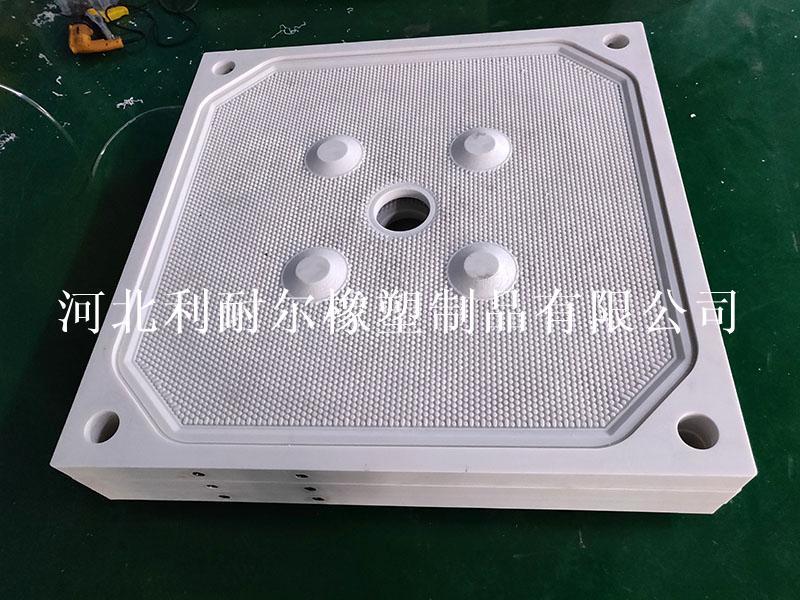
ProductMain products: vertical and horizontal imported and domestic filter plates, diaphragm plates, diaphragms and accessories; pinch valve sleeves and pinch valves and various mining accessories.
-
NewsIn 2013, our company's high-pressure cylinder with phenolic cloth support and guide ring obtained the national key new product certificate, project number: 2013GRA20011; its products in coal cylinders and engineering hydrauli
-
ServiceWe will actively cooperate with more enthusiasm, strengthen internal management, expand the market externally, improve various performance indicators of existing products, and truly achieve our win-win situation!
-
RecruitmentOur company always adheres to the talent concept of "people-oriented", provides a growth platform for talents, and realizes the common growth and development of enterprises and talents.


language
English
العربية
বাংলাদেশ
Български
Hrvatski
Česky
Dansk
Nederland
 Esperanto
Slovenski
Filipino
Suomi
Français
Maori
 Shqiptare
Georgian
 Euskara
Deutsch
Ελλάδα
ישראל
इंडिया
Magyarország
Ísland
Indonesia
Irlanda
Italia
日本語
Sovensko
Հայաստան
한국
Kyrgyz
ປະເທດລາວ
 Zulu
Zulu
Latvian
Lithuanian
Luxembourgish
 Latinus
Macedonian
Малайская
Maltese
Монгол улс
 Cymraeg
ဗမာ
 தமிழ்
தமிழ்
नेपाल
Norge
ایران
Polska
Portugal
România
Российская
Србија
 Slovak
Србија
 Slovak
Bosanski
Slovenian
Беларус
España
Sverige
Точик
ประเทศไทย
Türk
Azərbaycan
Uzbek
 Afrikaans
Việt Nam

Maximizing Efficiency: The Critical Role of a 1.6㎡ Metal Frame in Plastic Manufacturing
Release time:
2024-09-04
Maximizing Efficiency: The Role of a 1.6㎡ Metal Frame in Plastic Manufacturing Table of Contents 1. Introduction to Plastic Manufacturing and Efficiency 2. Understanding Metal Frames in Manufacturing 3. Benefits of a 1.6㎡ Metal Frame in Plastic Manufacturing 4. Design and Structure of the 1.6㎡ Metal Frame 5. Enhancing Workflow Efficiency with Metal Frames 6. Case Studies:
Maximizing Efficiency: The Role of a 1.6㎡ Metal Frame in Plastic Manufacturing
Table of Contents
- 1. Introduction to Plastic Manufacturing and Efficiency
- 2. Understanding Metal Frames in Manufacturing
- 3. Benefits of a 1.6㎡ Metal Frame in Plastic Manufacturing
- 4. Design and Structure of the 1.6㎡ Metal Frame
- 5. Enhancing Workflow Efficiency with Metal Frames
- 6. Case Studies: Success Stories in Plastic Manufacturing
- 7. Sustainability Impacts of Using Metal Frames
- 8. Future Trends in Metal Frame Utilization
- 9. Frequently Asked Questions
- 10. Conclusion
1. Introduction to Plastic Manufacturing and Efficiency
Plastic manufacturing plays a vital role in contemporary industries, ranging from automotive to consumer goods. As manufacturers strive to meet increasingly stringent market demands, **maximizing efficiency** becomes paramount. This article investigates the role of a **1.6㎡ metal frame** in streamlining plastic manufacturing processes. By understanding how this frame integrates into production lines, companies can achieve greater efficiency and quality.
2. Understanding Metal Frames in Manufacturing
Metal frames serve as foundational support structures in various manufacturing setups. They provide stability and durability, ensuring that equipment operates smoothly. The **1.6㎡ metal frame**, in particular, is designed to accommodate various tools and machinery used in plastic processing. Its size and strength make it a versatile choice for different production requirements.
2.1 The Versatility of Metal Frames
One of the greatest advantages of metal frames is their adaptability. They can be customized to fit specific manufacturing needs, allowing manufacturers to optimize their workspaces. For plastic production, a **1.6㎡ metal frame** can support injection molding machines, extrusion lines, and assembly stations.
3. Benefits of a 1.6㎡ Metal Frame in Plastic Manufacturing
The integration of a **1.6㎡ metal frame** into plastic manufacturing processes yields numerous benefits, which can have a substantial impact on overall productivity.
3.1 Improved Stability and Safety
A robust metal frame ensures that machinery remains stable during operations, reducing the risk of accidents. This stability is crucial in maintaining a safe working environment, which is essential in facilities that handle heavy machinery.
3.2 Enhanced Space Utilization
With its compact size, the **1.6㎡ metal frame** allows for efficient space utilization in production areas. It can be positioned strategically to free up floor space for other essential processes, contributing to a more organized workspace.
3.3 Increased Production Speed
By providing a stable foundation for various machines, the 1.6㎡ metal frame ensures that production runs smoothly and efficiently. This leads to faster cycle times and increased output without compromising quality.
4. Design and Structure of the 1.6㎡ Metal Frame
Understanding the design and structure of the **1.6㎡ metal frame** is essential for manufacturers looking to implement it in their facilities. The frame is typically constructed from high-quality metals, designed to withstand heavy loads and resist wear and tear.
4.1 Material Composition
The choice of materials in constructing the 1.6㎡ metal frame is critical. Common materials include steel and aluminum, both of which offer strength and durability. These materials can also be treated to resist corrosion, extending the lifespan of the frame.
4.2 Custom Design Options
Manufacturers can often customize the design of the 1.6㎡ metal frame to fit specific operational needs. Features like adjustable heights, modular designs, and integrated work surfaces can enhance functionality and ease of use.
5. Enhancing Workflow Efficiency with Metal Frames
The placement and integration of the **1.6㎡ metal frame** into plastic manufacturing workflows can significantly enhance productivity.
5.1 Streamlining Operations
By placing machines on a stable metal frame, manufacturers can streamline their operations. This setup minimizes downtime caused by equipment instability or misalignment, allowing for continuous production.
5.2 Facilitating Maintenance
With equipment securely mounted on a 1.6㎡ metal frame, maintenance becomes more manageable. Technicians can easily access machinery for routine checks and repairs, reducing downtime and keeping production schedules on track.
6. Case Studies: Success Stories in Plastic Manufacturing
Numerous companies have experienced substantial improvements in efficiency through the use of a **1.6㎡ metal frame** in their plastic manufacturing processes.
6.1 Company A: Streamlined Production Lines
Company A, a leading plastic manufacturer, integrated 1.6㎡ metal frames into their production lines. This strategic move allowed them to reduce cycle times by 20% while maintaining product quality.
6.2 Company B: Enhanced Safety Protocols
Company B reported a significant decrease in workplace accidents after implementing metal frames to stabilize their machinery. The frame’s design not only improved safety but also enhanced overall production efficiency.
7. Sustainability Impacts of Using Metal Frames
The use of a **1.6㎡ metal frame** also aligns with sustainable manufacturing practices. By ensuring equipment operates efficiently, manufacturers can reduce waste and energy consumption.
7.1 Reducing Material Waste
Efficient machinery operations minimize the scrap generated during the production process. A stable metal frame contributes to precise manufacturing, leading to fewer defects and lower waste rates.
7.2 Energy Efficiency
When machines are properly supported, they operate more efficiently, consuming less energy. This not only cuts operational costs but also reduces the environmental footprint of the manufacturing process.
8. Future Trends in Metal Frame Utilization
As technology continues to evolve, so does the role of metal frames in manufacturing. Future trends indicate an increased focus on automation and smart manufacturing processes.
8.1 Integration with Smart Technology
The 1.6㎡ metal frame can be adapted to incorporate smart sensors and IoT devices. This integration allows manufacturers to monitor equipment performance in real-time, further enhancing efficiency and predictive maintenance.
8.2 Focus on Lightweight Materials
Advancements in material science suggest a shift towards lightweight yet durable materials for metal frames. This evolution may lead to even more efficient manufacturing setups, enhancing mobility and reconfiguration of production lines.
9. Frequently Asked Questions
9.1 What is the primary purpose of a 1.6㎡ metal frame in plastic manufacturing?
The primary purpose is to provide a stable and efficient foundation for machinery, enhancing productivity and safety.
9.2 How does a metal frame improve safety in the workplace?
A metal frame stabilizes heavy machinery, reducing the risk of accidents caused by equipment instability.
9.3 Can the 1.6㎡ metal frame be customized?
Yes, many manufacturers offer customization options for metal frames to meet specific operational needs.
9.4 What materials are commonly used in metal frames?
Steel and aluminum are the most common materials due to their strength and durability.
9.5 How does using a metal frame contribute to sustainability?
Metal frames help reduce material waste and energy consumption, aligning with sustainable manufacturing practices.
10. Conclusion
The implementation of a **1.6㎡ metal frame** in plastic manufacturing is more than a mere structural enhancement; it is a strategic move towards maximizing efficiency and operational excellence. By understanding its benefits, design, and impact on workflows, manufacturers can realize substantial improvements in productivity, safety, and sustainability. Embracing this technology will not only streamline operations but also pave the way for innovation in the dynamic landscape of plastic manufacturing.
Related News