
-
AboutHebei Linaier Rubber Products Co., Ltd. is located in Duqiao Industrial Zone, Jingxian City, Hebei Province, adjacent to Dezhou, Shandong. Founded in early 2001 with a registered capital of 35 million yuan, it is a scientific

-
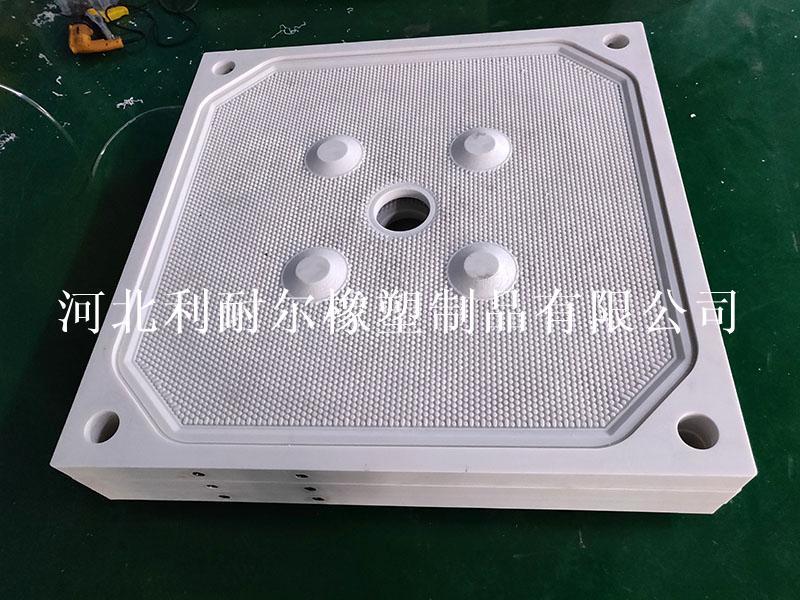
ProductMain products: vertical and horizontal imported and domestic filter plates, diaphragm plates, diaphragms and accessories; pinch valve sleeves and pinch valves and various mining accessories.
-
NewsIn 2013, our company's high-pressure cylinder with phenolic cloth support and guide ring obtained the national key new product certificate, project number: 2013GRA20011; its products in coal cylinders and engineering hydrauli
-
ServiceWe will actively cooperate with more enthusiasm, strengthen internal management, expand the market externally, improve various performance indicators of existing products, and truly achieve our win-win situation!
-
RecruitmentOur company always adheres to the talent concept of "people-oriented", provides a growth platform for talents, and realizes the common growth and development of enterprises and talents.


language
English
العربية
বাংলাদেশ
Български
Hrvatski
Česky
Dansk
Nederland
 Esperanto
Slovenski
Filipino
Suomi
Français
Maori
 Shqiptare
Georgian
 Euskara
Deutsch
Ελλάδα
ישראל
इंडिया
Magyarország
Ísland
Indonesia
Irlanda
Italia
日本語
Sovensko
Հայաստան
한국
Kyrgyz
ປະເທດລາວ
 Zulu
Zulu
Latvian
Lithuanian
Luxembourgish
 Latinus
Macedonian
Малайская
Maltese
Монгол улс
 Cymraeg
ဗမာ
 தமிழ்
தமிழ்
नेपाल
Norge
ایران
Polska
Portugal
România
Российская
Србија
 Slovak
Србија
 Slovak
Bosanski
Slovenian
Беларус
España
Sverige
Точик
ประเทศไทย
Türk
Azərbaycan
Uzbek
 Afrikaans
Việt Nam

What You Need to Know About Filter Plate Sizing and Specifications
Release time:
2024-09-02
What You Need to Know About Filter Plate Sizing and Specifications Introduction to Filter Plates Filter plates are pivotal components in various filtration systems, often utilized in industries such as chemical processing, pharmaceuticals, and food and beverage production. Selecting the appropriate size and specifications for filter plates is critical for ensuring operational efficiency, minimiz
What You Need to Know About Filter Plate Sizing and Specifications
Introduction to Filter Plates
Filter plates are pivotal components in various filtration systems, often utilized in industries such as chemical processing, pharmaceuticals, and food and beverage production. Selecting the appropriate size and specifications for filter plates is critical for ensuring operational efficiency, minimizing waste, and enhancing product quality. In this detailed guide, we will explore the essential aspects of filter plate sizing and specifications to aid in informed decision-making.
Understanding Filter Plate Functionality
Filter plates serve as barriers that facilitate the separation of solid particles from liquids. They are primarily used in processes like clarifying, dewatering, and concentrating slurries. By utilizing the right filter plates, businesses can achieve optimal filtration performance and extend equipment lifespan.
The Importance of Sizing in Filter Plate Selection
When it comes to filter plates, size matters significantly. Proper sizing ensures that the filtration system operates efficiently, minimizes downtime, and reduces maintenance costs. The following factors highlight the importance of selecting the correct size:
1. Flow Rate Capacity
The flow rate capacity of a filter plate directly influences the speed at which liquids can pass through the filtration system. Choosing a filter plate that aligns with the required flow rate is essential to avoid bottlenecks and ensure smooth operations.
2. Surface Area for Filtration
The surface area available for filtration determines how effectively a filter plate can separate solids from liquids. Larger surface areas generally enhance filtration efficiency, making it crucial to select sizes that maximize this aspect.
3. Compatibility with Existing Equipment
Filter plates must be compatible with existing filtration equipment. Ensuring the right size not only facilitates seamless integration but also maximizes the system’s overall performance.
Key Specifications for Filter Plates
In addition to sizing, understanding the specifications of filter plates is vital. Here are some of the most critical specifications that need consideration:
1. Material Composition
Filter plates are made from various materials, including polypropylene, polyester, and stainless steel. The material chosen should be compatible with the type of liquid being filtered, as it affects durability, chemical resistance, and temperature tolerance.
2. Thickness and Design
The thickness of filter plates impacts their strength and permeability. A thicker plate may provide additional durability but could also restrict flow rates. The design of the plate, including the configuration of drainage channels, plays a significant role in optimizing filtration performance.
3. Filtration Precision
Different filtration processes require varying levels of precision. Understanding the specific filtration needs of your application will guide the selection of filter plates with the appropriate porosity and filtration rating.
Determining the Right Filter Plate Size
To determine the correct size for filter plates, a systematic approach is required. The following steps can help streamline the sizing process:
1. Assess Your Filtration Needs
Begin by evaluating the specific filtration requirements of your application. Consider factors such as the type of liquid, the size of particulates to be filtered, and the desired flow rates.
2. Consult Manufacturer Specifications
Consult the technical specifications provided by manufacturers. Most reputable manufacturers offer detailed charts and guidelines that correlate filter plate sizes with flow rates, surface areas, and material properties.
3. Consider Operational Conditions
Assess the operational conditions under which the filter plates will function. Factors such as temperature, pressure, and the chemical composition of the fluid can influence the choice of plate size and material.
4. Collaborate with Industry Experts
Engaging with filtration experts or manufacturers can provide valuable insights. Their experience in the field can help identify the most effective filter plate sizing and specifications tailored to your unique application.
Common Types of Filter Plates
Several types of filter plates are available, each suited for specific applications. Understanding these types can aid in making informed decisions:
1. Chamber Filter Plates
Chamber filter plates operate by creating chambers that hold the filter cake. They are ideal for applications requiring high solid retention and are commonly used in industries like mining and wastewater treatment.
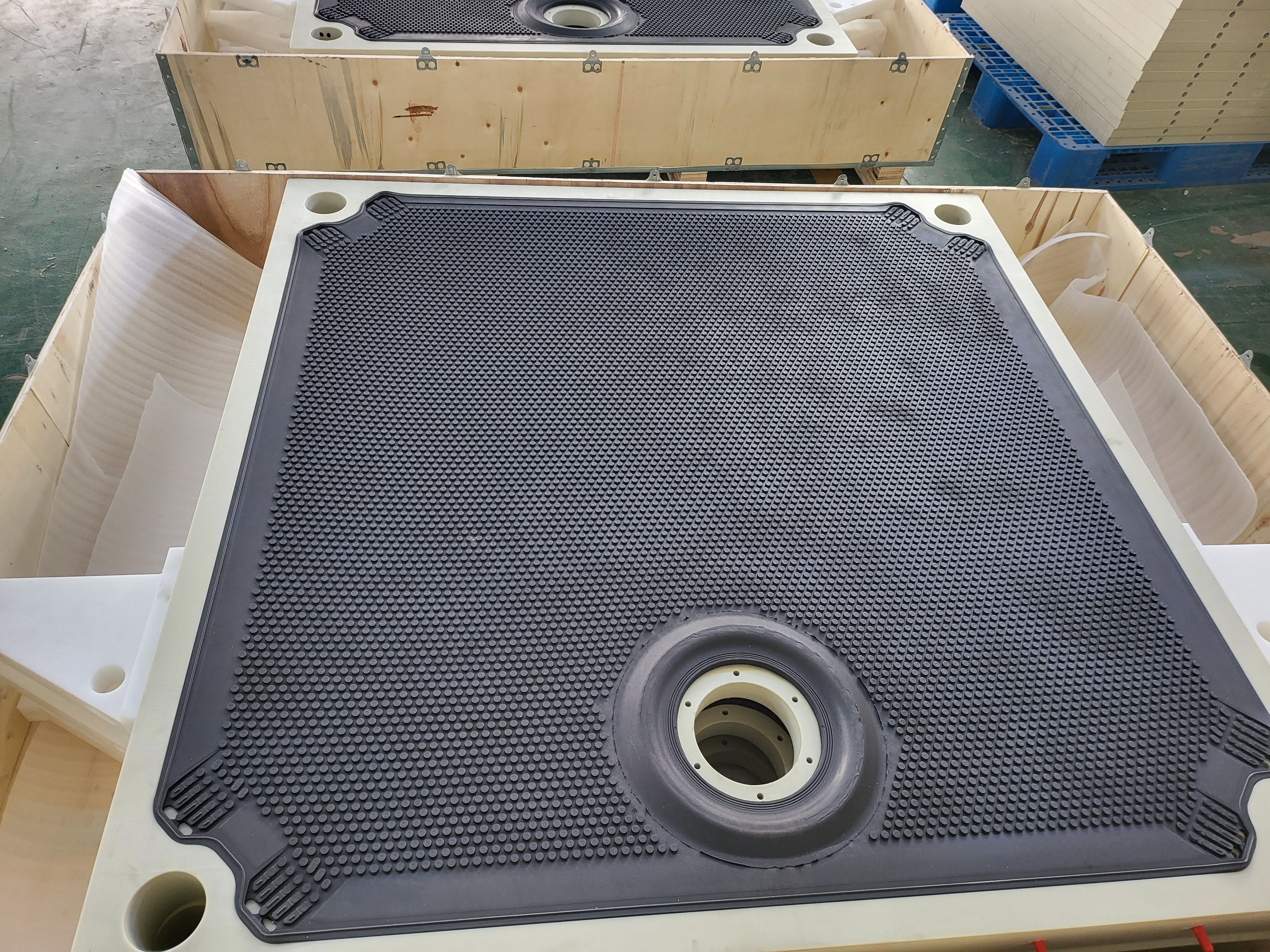
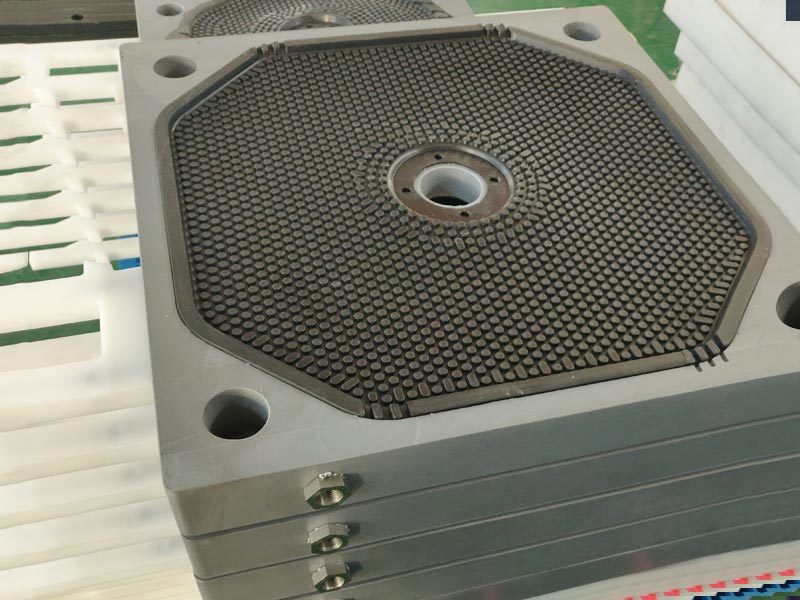
2. Membrane Filter Plates
Membrane filter plates incorporate a membrane that enhances filtration efficiency by preventing fine particles from passing through. These plates are often used in the food and beverage industry for applications requiring high purity standards.
3. Filter Cloths
Filter cloths are used in conjunction with filter plates to enhance filtration performance. They are available in various materials and porosities, catering to specific filtration needs.
Maintenance Tips for Filter Plates
To ensure longevity and optimal performance of filter plates, proper maintenance is crucial. Here are some maintenance tips:
1. Regular Cleaning
Conduct regular cleaning of filter plates to remove any accumulated debris or residues. This practice helps maintain flow rates and prevents clogging.
2. Inspect for Damage
Routine inspections for cracks, warps, or other damages can prevent unexpected breakdowns. Timely replacement of damaged plates is essential for uninterrupted operations.
3. Monitor Operational Conditions
Keep a close eye on operational conditions, such as pressure and temperature, to ensure they remain within the recommended limits. Deviations can lead to premature wear and failure of filter plates.
Frequently Asked Questions (FAQs)
1. What factors affect filter plate sizing?
Factors affecting filter plate sizing include flow rate capacity, surface area for filtration, and compatibility with existing equipment.
2. How can I determine the right material for filter plates?
The right material for filter plates can be determined by evaluating the chemical compatibility, temperature resistance, and physical properties required for your specific application.
3. Are there standard sizes for filter plates?
While many manufacturers offer standard sizes, custom sizes are also available to meet specific operational requirements.
4. What are the common applications for filter plates?
Common applications for filter plates include wastewater treatment, chemical processing, and food and beverage production.
5. How often should filter plates be replaced?
The replacement frequency depends on the specific application and the level of wear. Regular inspections can help determine when replacement is necessary.
Conclusion
Selecting the appropriate filter plate sizing and specifications is a vital step in optimizing filtration processes across various industries. By understanding the functionality, importance of sizing, key specifications, and maintenance practices, businesses can enhance operational efficiency and product quality. Engaging with experts and leveraging manufacturer resources will further empower you to make informed decisions, ultimately leading to improved filtration outcomes. Investing time in understanding these critical elements will pay dividends in the long run, ensuring your filtration systems run smoothly and effectively.
Related News