
-
AboutHebei Linaier Rubber Products Co., Ltd. is located in Duqiao Industrial Zone, Jingxian City, Hebei Province, adjacent to Dezhou, Shandong. Founded in early 2001 with a registered capital of 35 million yuan, it is a scientific

-
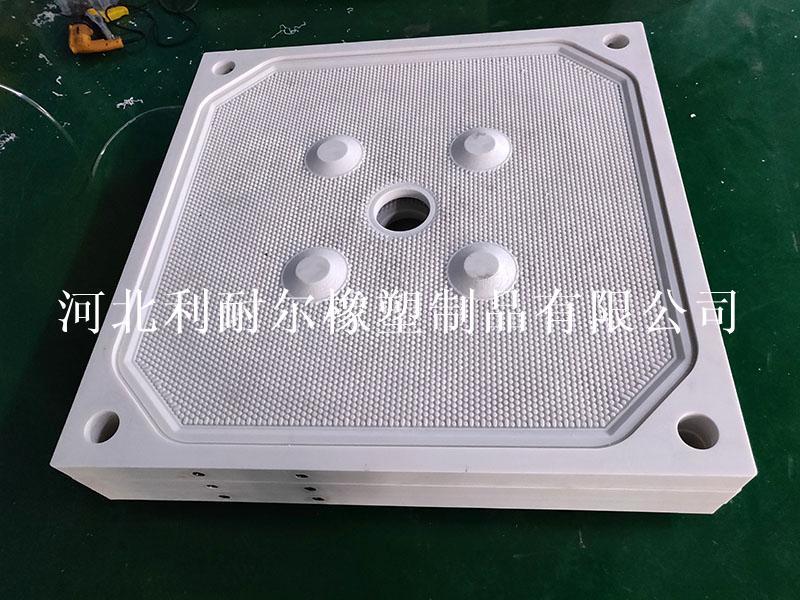
ProductMain products: vertical and horizontal imported and domestic filter plates, diaphragm plates, diaphragms and accessories; pinch valve sleeves and pinch valves and various mining accessories.
-
NewsIn 2013, our company's high-pressure cylinder with phenolic cloth support and guide ring obtained the national key new product certificate, project number: 2013GRA20011; its products in coal cylinders and engineering hydrauli
-
ServiceWe will actively cooperate with more enthusiasm, strengthen internal management, expand the market externally, improve various performance indicators of existing products, and truly achieve our win-win situation!
-
RecruitmentOur company always adheres to the talent concept of "people-oriented", provides a growth platform for talents, and realizes the common growth and development of enterprises and talents.


language
English
العربية
বাংলাদেশ
Български
Hrvatski
Česky
Dansk
Nederland
 Esperanto
Slovenski
Filipino
Suomi
Français
Maori
 Shqiptare
Georgian
 Euskara
Deutsch
Ελλάδα
ישראל
इंडिया
Magyarország
Ísland
Indonesia
Irlanda
Italia
日本語
Sovensko
Հայաստան
한국
Kyrgyz
ປະເທດລາວ
 Zulu
Zulu
Latvian
Lithuanian
Luxembourgish
 Latinus
Macedonian
Малайская
Maltese
Монгол улс
 Cymraeg
ဗမာ
 தமிழ்
தமிழ்
नेपाल
Norge
ایران
Polska
Portugal
România
Российская
Србија
 Slovak
Србија
 Slovak
Bosanski
Slovenian
Беларус
España
Sverige
Точик
ประเทศไทย
Türk
Azərbaycan
Uzbek
 Afrikaans
Việt Nam

Achieving Superior Results: The Advantages of 6㎡ Rubber Diaphragm
Release time:
2024-08-17
Achieving Superior Results: The Advantages of 6㎡ Rubber Diaphragm Table of Contents 1. Introduction to Rubber Diaphragms 2. What is a 6㎡ Rubber Diaphragm? 3. Key Benefits of Using 6㎡ Rubber Diaphragms 3.1 Exceptional Durability 3.2 Flexibility and Versatility 3.3 Superior Sealing Capabilities 4. Applications of 6㎡ Rubber Diaphr
Achieving Superior Results: The Advantages of 6㎡ Rubber Diaphragm
Table of Contents
- 1. Introduction to Rubber Diaphragms
- 2. What is a 6㎡ Rubber Diaphragm?
- 3. Key Benefits of Using 6㎡ Rubber Diaphragms
- 4. Applications of 6㎡ Rubber Diaphragms in Industry
- 5. Performance Characteristics of Rubber Diaphragms
- 6. Installation and Maintenance Tips
- 7. Cost-Effectiveness of 6㎡ Rubber Diaphragms
- 8. Frequently Asked Questions
- 9. Conclusion
1. Introduction to Rubber Diaphragms
Rubber diaphragms play a critical role in various industrial applications, serving as essential components in machinery and equipment. Among them, the 6㎡ rubber diaphragm stands out due to its unique size and remarkable properties. In this article, we will delve into the advantages of using a 6㎡ rubber diaphragm, exploring its benefits, applications, and performance characteristics that make it an indispensable asset in numerous industries.
2. What is a 6㎡ Rubber Diaphragm?
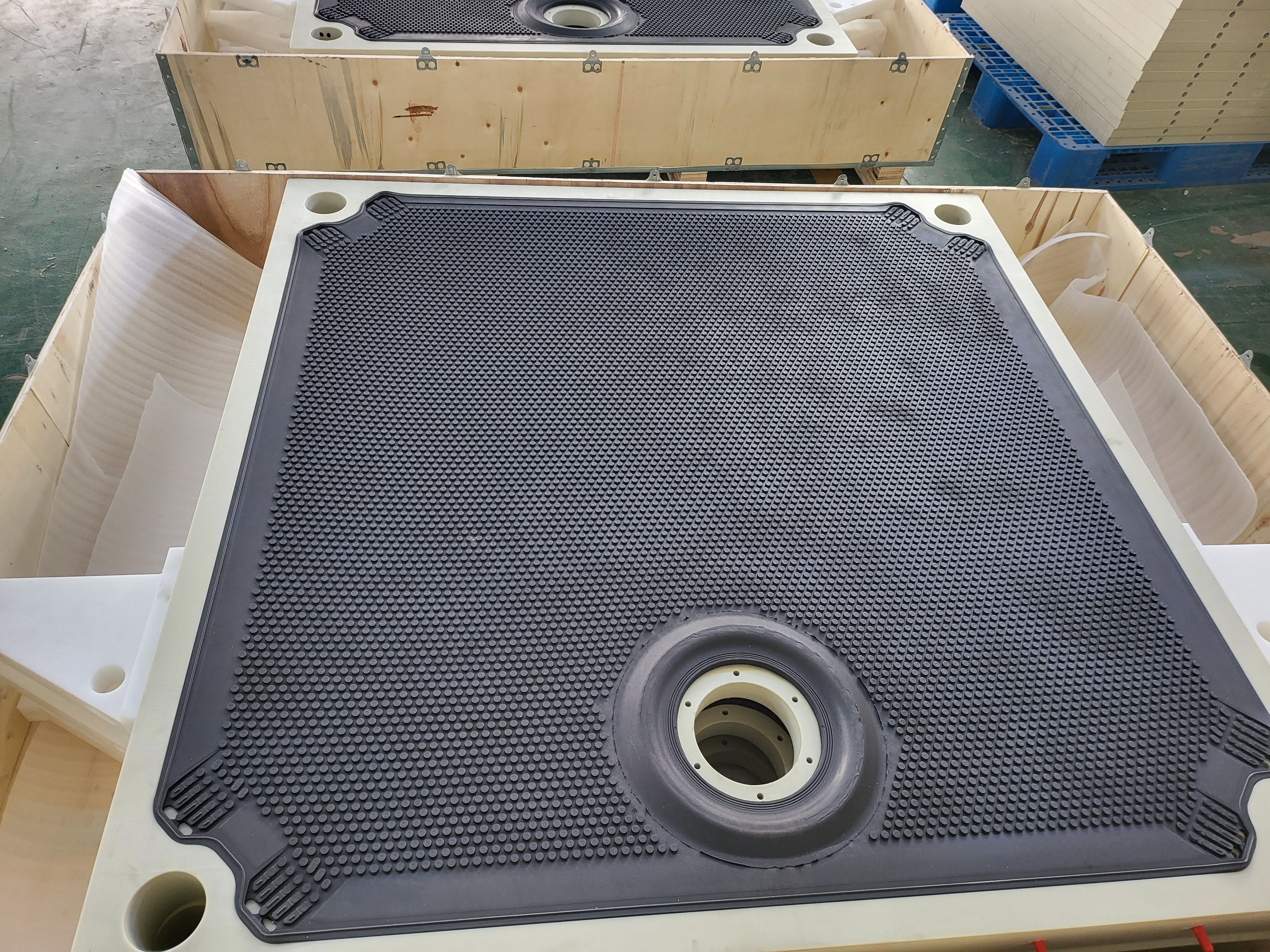
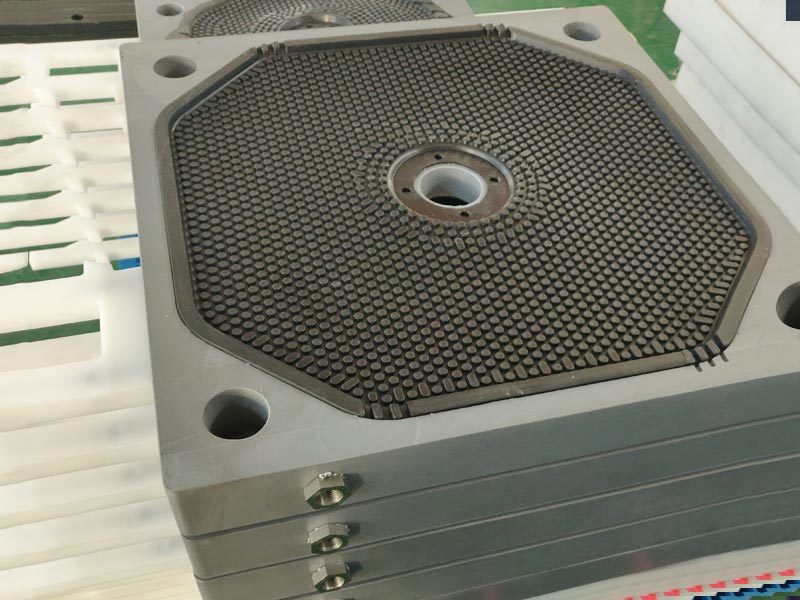
A **6㎡ rubber diaphragm** is a flexible membrane made from high-quality rubber material, designed to separate different environments or compartments within a system. With a significant surface area of six square meters, this diaphragm is particularly effective in applications requiring reliable sealing and pressure resistance.
Rubber diaphragms can be crafted from various materials, including natural rubber, nitrile, and silicone, depending on the specific needs of the application. The choice of material affects the diaphragm's performance in terms of temperature tolerance, chemical resistance, and flexibility.
3. Key Benefits of Using 6㎡ Rubber Diaphragms
When considering the use of a **6㎡ rubber diaphragm**, several key benefits make it a superior choice for numerous applications.
3.1 Exceptional Durability
One of the standout advantages of a 6㎡ rubber diaphragm is its **exceptional durability**. Rubber materials are known for their robustness, allowing diaphragms to withstand harsh environments, extreme temperatures, and corrosive substances. This durability ensures a longer lifespan, reducing the frequency of replacements and minimizing downtime in industrial operations.
3.2 Flexibility and Versatility
**Flexibility** is another vital characteristic of rubber diaphragms. The inherent elasticity of rubber allows these diaphragms to accommodate movement and pressure changes within systems. This flexibility makes them suitable for various applications, from pumps and valves to pressure regulators and automotive components. Users can rely on a 6㎡ rubber diaphragm to adapt to changing operational conditions without compromising performance.
3.3 Superior Sealing Capabilities
Effective sealing is paramount in many industrial processes. The **superior sealing capabilities** of a 6㎡ rubber diaphragm ensure that liquids and gases remain contained, preventing leaks that could lead to safety hazards or operational inefficiencies. This sealing integrity is vital in applications such as hydraulic systems and chemical processing, where even minor leaks can have significant consequences.
4. Applications of 6㎡ Rubber Diaphragms in Industry
The versatility of 6㎡ rubber diaphragms allows them to be used across a broad spectrum of industries, including:
- **Chemical Processing**: In chemical plants, rubber diaphragms are used in valves and pumps to ensure safe handling and transfer of corrosive substances.
- **Automotive**: In vehicles, these diaphragms are integrated into brake systems and fuel pumps, providing reliable performance under pressure.
- **Water Treatment**: Rubber diaphragms play a crucial role in controlling the flow of water in treatment facilities, ensuring that contaminants are effectively filtered out.
- **Petrochemical**: In the oil and gas sector, rubber diaphragms are utilized in various applications, including pressure control and flow regulation.
5. Performance Characteristics of Rubber Diaphragms
The performance of a 6㎡ rubber diaphragm is influenced by several factors, including material composition, design, and environmental conditions. Key performance characteristics include:
- **Temperature Resistance**: Depending on the rubber material used, these diaphragms can withstand a wide range of temperatures, making them suitable for both high- and low-temperature applications.
- **Chemical Compatibility**: The choice of rubber material determines the diaphragm's compatibility with various chemicals. For example, nitrile rubber is ideal for petroleum-based fluids, while silicone rubber excels in high-temperature applications.
- **Pressure Ratings**: 6㎡ rubber diaphragms are designed to handle specific pressure ratings, ensuring reliable performance even under high-pressure conditions.
6. Installation and Maintenance Tips
Proper installation and maintenance are essential for maximizing the lifespan and performance of a 6㎡ rubber diaphragm. Here are some key tips:
- **Installation**: Ensure that the diaphragm is aligned correctly during installation to avoid premature wear. Use the appropriate tools and follow manufacturer guidelines for secure fitting.
- **Regular Inspections**: Conduct routine inspections to check for signs of wear, such as cracking or deformation. Early detection of issues can prevent costly failures.
- **Cleaning**: Maintain cleanliness around the diaphragm to prevent contamination and ensure optimal performance. Use appropriate cleaning agents that are compatible with the diaphragm material.
7. Cost-Effectiveness of 6㎡ Rubber Diaphragms
While the initial investment in a 6㎡ rubber diaphragm may seem significant, the long-term benefits often outweigh the costs. The durability, low maintenance needs, and superior sealing capabilities translate to reduced downtime and maintenance expenses, making them a cost-effective choice for many industries.
Calculating the total cost of ownership takes into account the lifespan of the diaphragm, potential savings from reduced maintenance, and the costs associated with downtime. In many cases, a 6㎡ rubber diaphragm proves to be a financially sound investment.
8. Frequently Asked Questions
What materials are used to make 6㎡ rubber diaphragms?
6㎡ rubber diaphragms can be made from various materials, including natural rubber, nitrile, and silicone, each offering unique properties suitable for specific applications.
How do I choose the right rubber diaphragm for my application?
Choosing the right diaphragm involves considering factors such as the operating environment, temperature and pressure conditions, and chemical compatibility. Consulting manufacturer specifications can help guide your selection.
Can a 6㎡ rubber diaphragm be repaired?
In many cases, small tears or damages can be repaired using specialized adhesive products. However, for significant damage, replacement is often the best option to ensure performance.
What is the lifespan of a rubber diaphragm?
The lifespan of a rubber diaphragm varies depending on the material, application, and operating conditions. Generally, a well-maintained diaphragm can last several years.
Are rubber diaphragms environmentally friendly?
Many rubber diaphragms are made from recyclable materials, and manufacturers are increasingly focusing on sustainable production practices. However, the environmental impact varies by product, so checking specifications is essential.
9. Conclusion
In summary, the **6㎡ rubber diaphragm** offers a multitude of advantages that make it an essential component in various industrial applications. Its exceptional durability, flexibility, and superior sealing capabilities distinguish it from other materials and designs. By investing in this valuable product, industries can achieve superior results, enhance operational efficiency, and minimize costs. Understanding its applications, performance characteristics, and maintenance needs will ensure that businesses can harness the full potential of rubber diaphragms, leading to improved productivity and safety in their operations.
Related News