
-
AboutHebei Linaier Rubber Products Co., Ltd. is located in Duqiao Industrial Zone, Jingxian City, Hebei Province, adjacent to Dezhou, Shandong. Founded in early 2001 with a registered capital of 35 million yuan, it is a scientific

-
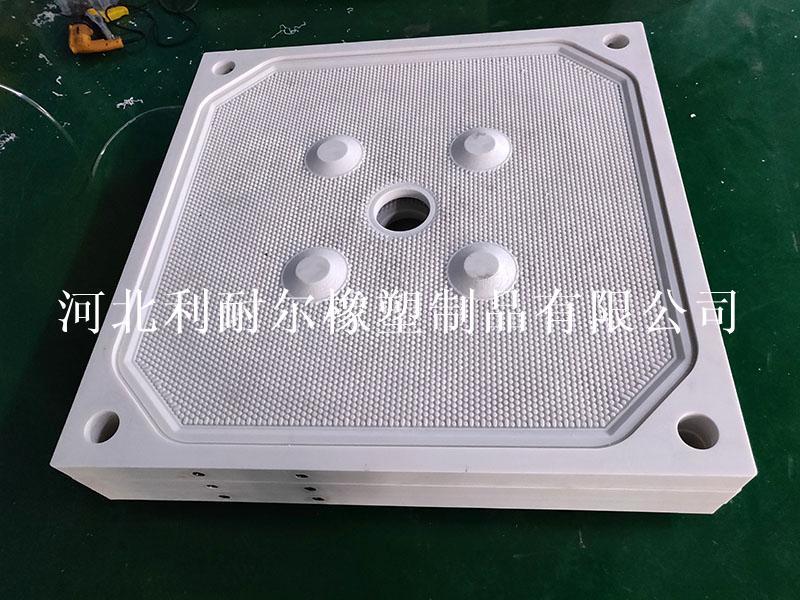
ProductMain products: vertical and horizontal imported and domestic filter plates, diaphragm plates, diaphragms and accessories; pinch valve sleeves and pinch valves and various mining accessories.
-
NewsIn 2013, our company's high-pressure cylinder with phenolic cloth support and guide ring obtained the national key new product certificate, project number: 2013GRA20011; its products in coal cylinders and engineering hydrauli
-
ServiceWe will actively cooperate with more enthusiasm, strengthen internal management, expand the market externally, improve various performance indicators of existing products, and truly achieve our win-win situation!
-
RecruitmentOur company always adheres to the talent concept of "people-oriented", provides a growth platform for talents, and realizes the common growth and development of enterprises and talents.


language
English
العربية
বাংলাদেশ
Български
Hrvatski
Česky
Dansk
Nederland
 Esperanto
Slovenski
Filipino
Suomi
Français
Maori
 Shqiptare
Georgian
 Euskara
Deutsch
Ελλάδα
ישראל
इंडिया
Magyarország
Ísland
Indonesia
Irlanda
Italia
日本語
Sovensko
Հայաստան
한국
Kyrgyz
ປະເທດລາວ
 Zulu
Zulu
Latvian
Lithuanian
Luxembourgish
 Latinus
Macedonian
Малайская
Maltese
Монгол улс
 Cymraeg
ဗမာ
 தமிழ்
தமிழ்
नेपाल
Norge
ایران
Polska
Portugal
România
Российская
Србија
 Slovak
Србија
 Slovak
Bosanski
Slovenian
Беларус
España
Sverige
Точик
ประเทศไทย
Türk
Azərbaycan
Uzbek
 Afrikaans
Việt Nam

Efficiency at its Finest: The Advantages of Rubber Diaphragms in Chemical Processes
Release time:
2024-08-11
Efficiency at its Finest: The Advantages of Rubber Diaphragms in Chemical Processes Table of Contents Understanding Rubber Diaphragms in Chemical Processes The Importance of Rubber Diaphragms Key Benefits of Rubber Diaphragms Applications of Rubber Diaphragms in the Chemical Industry Choosing the Right Rubber Diaphragm for Your Needs Maintenance and Care for Rubber Diaphra
Efficiency at its Finest: The Advantages of Rubber Diaphragms in Chemical Processes
Table of Contents
- Understanding Rubber Diaphragms in Chemical Processes
- The Importance of Rubber Diaphragms
- Key Benefits of Rubber Diaphragms
- Applications of Rubber Diaphragms in the Chemical Industry
- Choosing the Right Rubber Diaphragm for Your Needs
- Maintenance and Care for Rubber Diaphragms
- The Future of Rubber Diaphragms: Innovations and Trends
- Frequently Asked Questions
Understanding Rubber Diaphragms in Chemical Processes
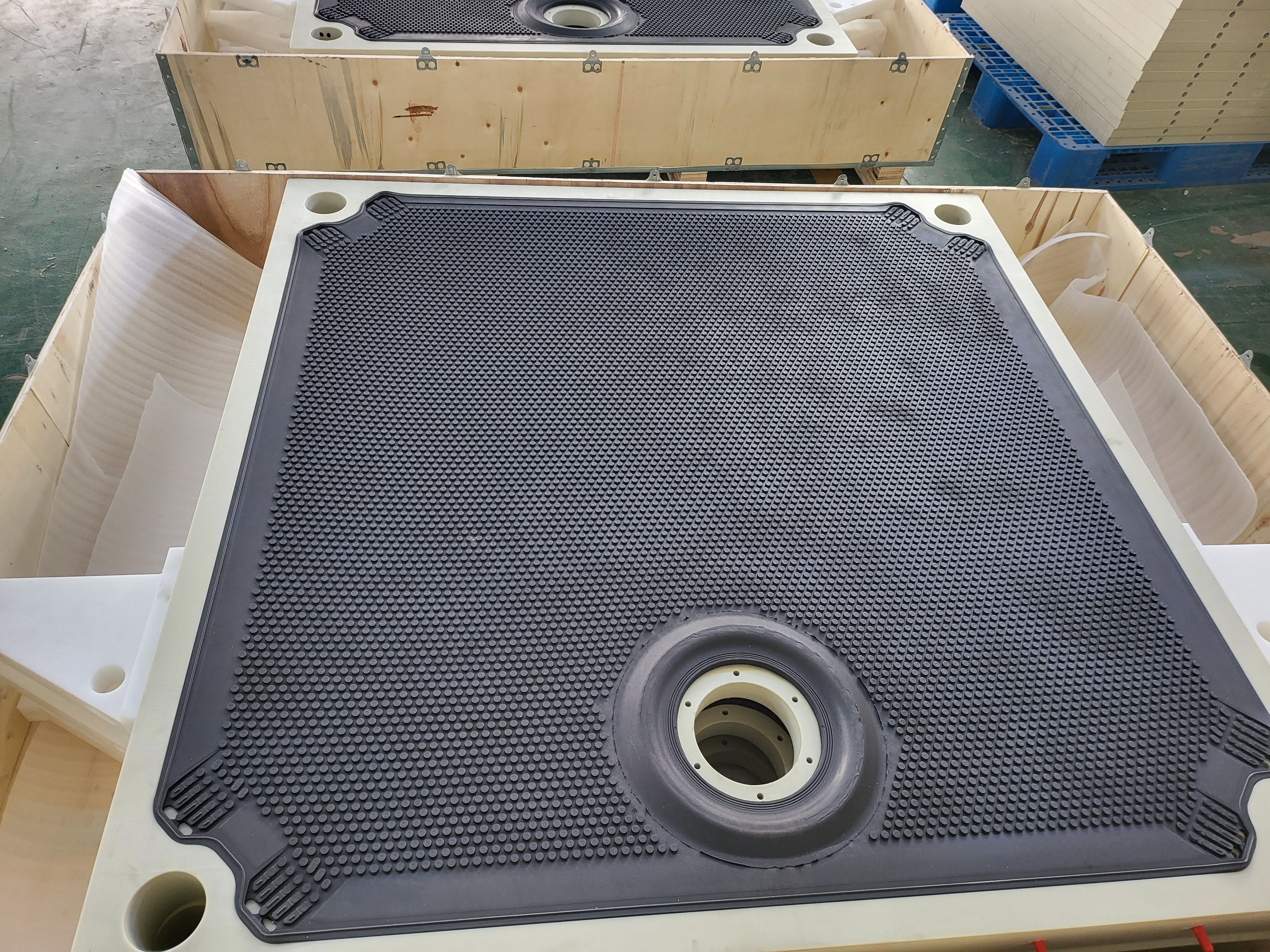
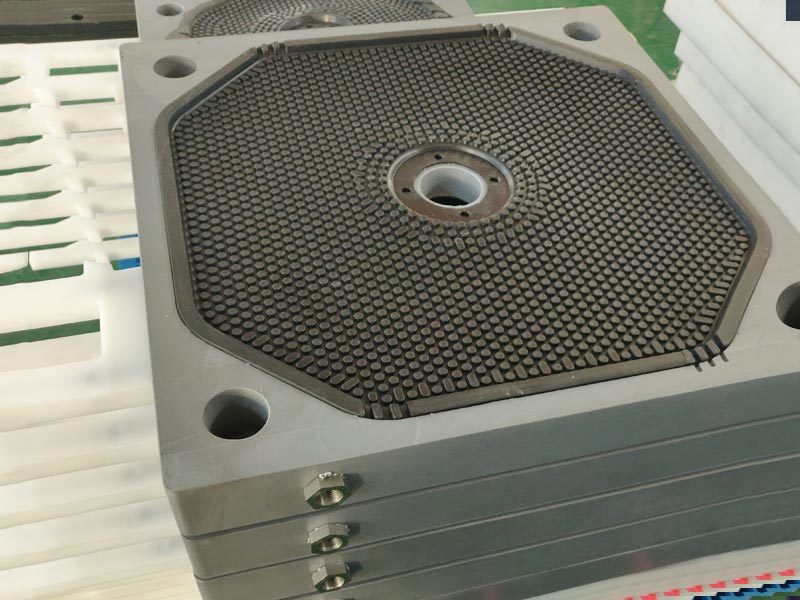
Rubber diaphragms are critical components in various mechanical systems, particularly in the chemical industry. These flexible membranes are designed to separate different environments within a system while allowing for controlled movement and pressure regulation. Their unique properties, such as flexibility, chemical resistance, and durability, make them suitable for a wide range of applications in chemical processes.
Diaphragms function primarily as seals, helping to prevent leaks and maintain pressure, which is essential in many chemical processes. They can be used in pumps, valves, and actuators, ensuring that the systems operate efficiently and safely. Understanding the composition and design of rubber diaphragms is crucial for selecting the right type for a specific application.
The Importance of Rubber Diaphragms
In the chemical industry, the efficiency and reliability of processes are paramount. Rubber diaphragms play a significant role in achieving these goals. Here are several reasons why they are essential:
1. Safety and Reliability
Safety is a top priority in chemical processes. Rubber diaphragms provide a reliable barrier that minimizes the risk of leaks and spills, which can have catastrophic consequences. With their ability to withstand extreme pressures and corrosive substances, these diaphragms contribute to a safer working environment.
2. Enhanced Performance
The performance of chemical processes largely depends on the efficiency of component interactions. Rubber diaphragms enable precise control of fluid flow and pressure, optimizing performance and reducing energy consumption. This efficiency results in lower operational costs and improved throughput.
3. Versatility
Rubber diaphragms can be used in various applications across the chemical industry, from storage tanks to mixing systems. Their adaptability makes them an invaluable asset in multiple scenarios, allowing for consistent performance regardless of the process requirements.
Key Benefits of Rubber Diaphragms
Rubber diaphragms offer numerous advantages that enhance their application in chemical processes. These benefits include:
1. Chemical Resistance
Rubber materials are engineered to resist a wide range of chemicals, including acids, bases, and solvents. This characteristic ensures that the diaphragms maintain their integrity and performance even in harsh environments, thereby extending their lifespan.
2. Temperature Tolerance
Many rubber diaphragms can withstand extreme temperatures, making them suitable for processes that involve heat or cryogenic conditions. This temperature tolerance ensures that the diaphragm functions effectively without compromising safety.
3. Cost-Effectiveness
Investing in high-quality rubber diaphragms can result in long-term savings. Their durability and reduced need for frequent replacements minimize maintenance costs. Additionally, the efficiency enhancements they provide can lead to significant energy savings.
4. Low Maintenance
Rubber diaphragms require minimal maintenance, reducing downtime and operational disruptions. Regular inspections and simple cleaning procedures are typically all that is needed to ensure their continued performance.
5. Noise Reduction
In many applications, noise can be a concern. Rubber diaphragms can help to dampen vibrations and noise, contributing to a quieter operating environment, which is particularly beneficial in large-scale chemical plants.
Applications of Rubber Diaphragms in the Chemical Industry
Rubber diaphragms find application in various areas of the chemical industry. Here are some common uses:
1. Pumps
In chemical processing, pumps are essential for moving fluids. Rubber diaphragms are often used in diaphragm pumps, which provide excellent suction and discharge capabilities, allowing for precise flow control and preventing backflow.
2. Valves
Control valves equipped with rubber diaphragms help regulate the flow of chemicals in a system. These diaphragms respond to pressure changes, ensuring that the valve operates correctly and safely under varying conditions.
3. Actuators
Rubber diaphragms are integral to pneumatic and hydraulic actuators, which rely on pressure changes to function. They enable accurate movement and positioning of machinery in chemical processes.
4. Storage and Transportation
In storage tanks, rubber diaphragms serve as seals that prevent leaks and maintain the internal pressure of tanks containing volatile substances. They are also used in transportation systems to ensure safe movement of chemicals.
5. Mixing Systems
In chemical mixing applications, rubber diaphragms help maintain the correct pressure and flow of materials, ensuring that the mixing process is efficient and consistent.
Choosing the Right Rubber Diaphragm for Your Needs
Selecting the appropriate rubber diaphragm for a specific application involves several considerations:
1. Material Composition
Different rubber materials offer varying levels of chemical resistance and temperature tolerance. It is essential to choose a diaphragm material that matches the specific chemicals and environmental conditions it will encounter.
2. Size and Configuration
The size and configuration of the diaphragm must match the equipment it will be used with. Proper sizing ensures optimal performance and minimizes the risk of failure.
3. Pressure Rating
Understanding the pressure requirements of your application is crucial. Choose a diaphragm that can handle the maximum operating pressure to ensure safe and efficient operation.
4. Manufacturer Reputation
Opt for diaphragms from reputable manufacturers known for quality and reliability. Investing in well-made components can prevent costly failures and downtime.
Maintenance and Care for Rubber Diaphragms
To maximize the lifespan and performance of rubber diaphragms, regular maintenance is essential. Here are some best practices:
1. Regular Inspections
Conduct periodic checks for signs of wear, cracks, or deformation. Early detection of issues can prevent more significant problems and ensure uninterrupted operations.
2. Cleaning
Keep diaphragms clean from chemical residues and contaminants. Use appropriate cleaning agents that do not damage the rubber material.
3. Proper Storage
If diaphragms are not in use, store them in a cool, dry place away from direct sunlight. This practice helps preserve their integrity and performance.
4. Replacement Schedule
Establish a routine replacement schedule based on the diaphragm's expected lifespan and the severity of the application conditions. Proactive replacements can minimize unexpected failures.
The Future of Rubber Diaphragms: Innovations and Trends
The rubber diaphragm market is continually evolving, with several trends shaping its future:
1. Advanced Materials
Innovations in rubber formulations are expected to enhance chemical resistance, durability, and temperature tolerance, leading to even more reliable diaphragms.
2. Smart Diaphragms
Emerging technologies may introduce smart diaphragms that can monitor their health and performance in real time, providing valuable data to operators for improved maintenance strategies.
3. Sustainability
With a growing emphasis on sustainability, manufacturers are exploring eco-friendly materials and production methods to reduce the environmental impact of rubber diaphragms.
4. Customization
Increased demand for tailored solutions may lead to more suppliers offering customizable diaphragm designs, allowing businesses to meet specific operational requirements effectively.
Frequently Asked Questions
1. What are rubber diaphragms used for in the chemical industry?
Rubber diaphragms are primarily used to separate environments, control fluid flow, and maintain pressure in various systems, including pumps, valves, and actuators.
2. How do I know if I need to replace my rubber diaphragm?
Signs indicating the need for replacement include visible wear, cracks, leaks, or a decrease in performance. Regular inspections can help identify these issues early.
3. Can rubber diaphragms withstand high temperatures?
Many rubber diaphragms are designed to withstand high temperatures, but it is crucial to choose a material that meets the specific temperature requirements of your application.
4. How do I maintain rubber diaphragms?
Regular inspections, cleaning, proper storage, and following a replacement schedule are essential to maintaining the performance and longevity of rubber diaphragms.
5. Are there eco-friendly options for rubber diaphragms?
Yes, advancements in materials and production processes are leading to the development of more sustainable rubber diaphragm options, catering to environmentally conscious businesses.
Conclusion
Rubber diaphragms are integral to the efficiency and safety of chemical processes. Their unique properties, extensive applications, and myriad benefits make them indispensable in the chemical industry. By understanding their importance, advantages, and maintenance requirements, businesses can harness the full potential of rubber diaphragms to optimize their operations. As the industry continues to innovate, the future of rubber diaphragms appears promising, paving the way for enhanced performance and sustainability in chemical processing.
Related News