
-
AboutHebei Linaier Rubber Products Co., Ltd. is located in Duqiao Industrial Zone, Jingxian City, Hebei Province, adjacent to Dezhou, Shandong. Founded in early 2001 with a registered capital of 35 million yuan, it is a scientific

-
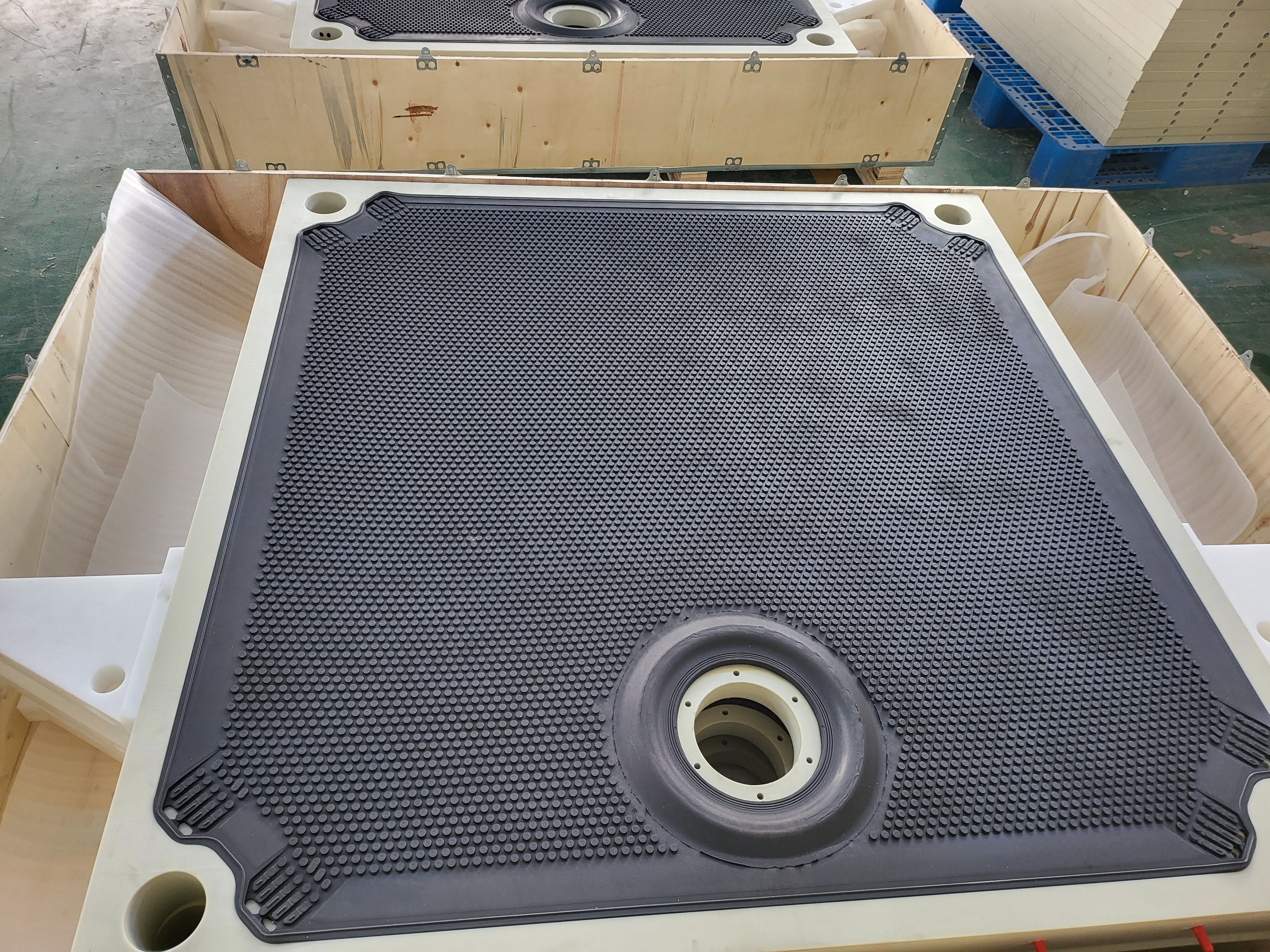
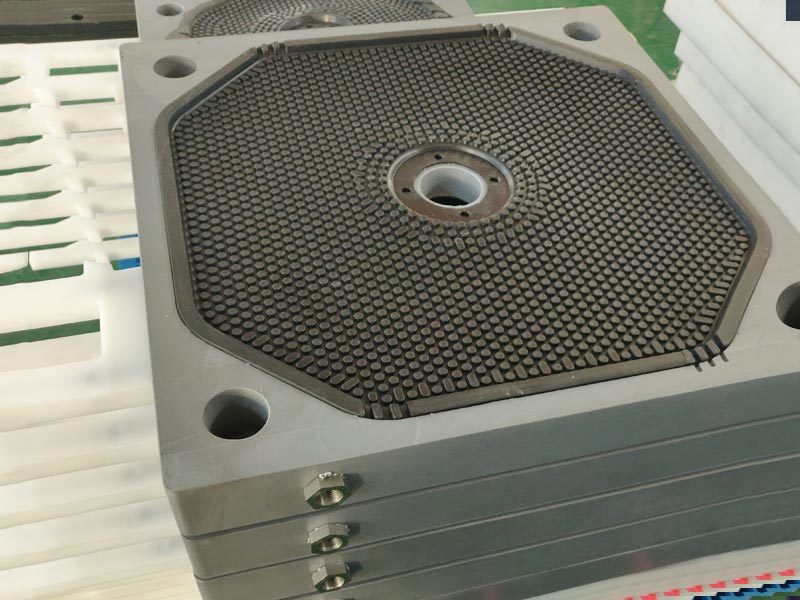
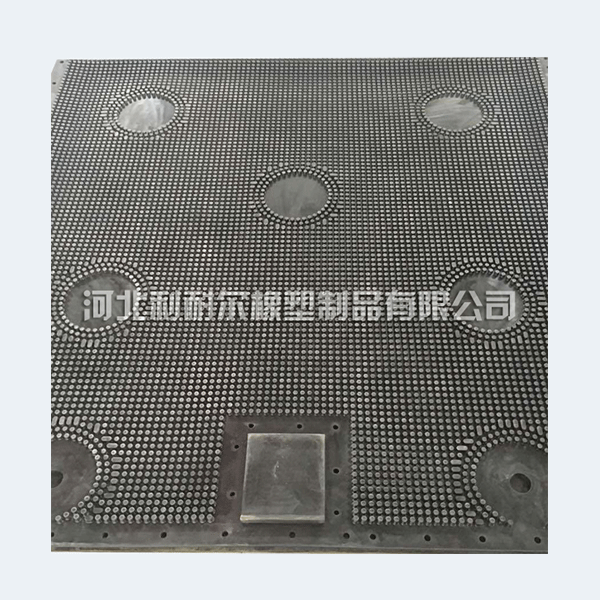
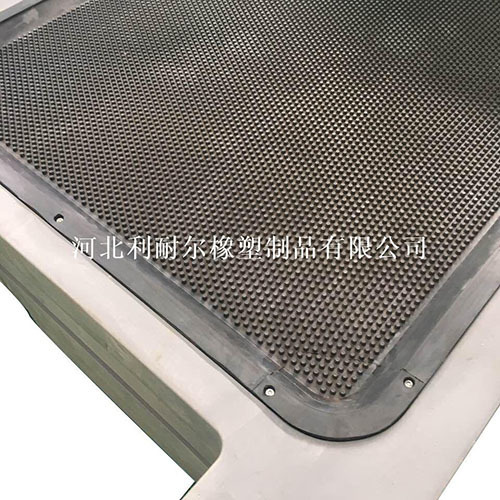
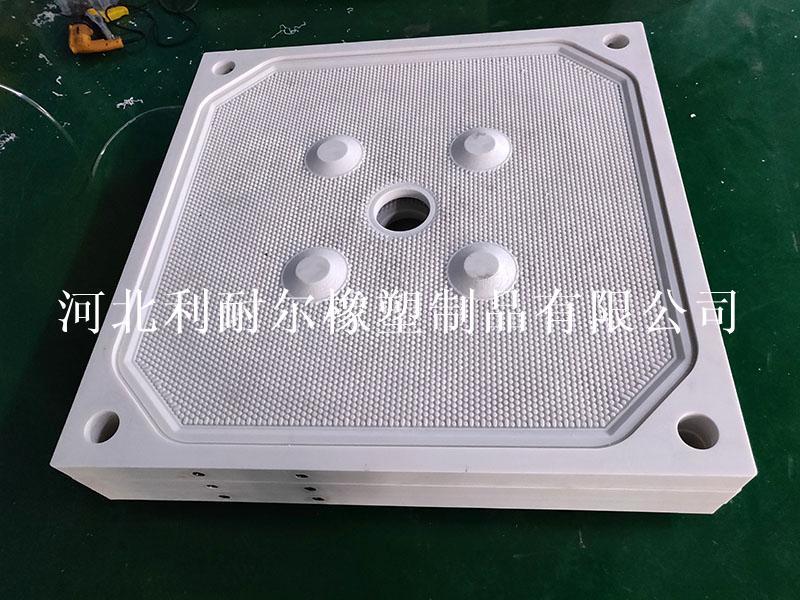
ProductMain products: vertical and horizontal imported and domestic filter plates, diaphragm plates, diaphragms and accessories; pinch valve sleeves and pinch valves and various mining accessories.
-
NewsIn 2013, our company's high-pressure cylinder with phenolic cloth support and guide ring obtained the national key new product certificate, project number: 2013GRA20011; its products in coal cylinders and engineering hydrauli
-
ServiceWe will actively cooperate with more enthusiasm, strengthen internal management, expand the market externally, improve various performance indicators of existing products, and truly achieve our win-win situation!
-
RecruitmentOur company always adheres to the talent concept of "people-oriented", provides a growth platform for talents, and realizes the common growth and development of enterprises and talents.


language
English
العربية
বাংলাদেশ
Български
Hrvatski
Česky
Dansk
Nederland
 Esperanto
Slovenski
Filipino
Suomi
Français
Maori
 Shqiptare
Georgian
 Euskara
Deutsch
Ελλάδα
ישראל
इंडिया
Magyarország
Ísland
Indonesia
Irlanda
Italia
日本語
Sovensko
Հայաստան
한국
Kyrgyz
ປະເທດລາວ
 Zulu
Zulu
Latvian
Lithuanian
Luxembourgish
 Latinus
Macedonian
Малайская
Maltese
Монгол улс
 Cymraeg
ဗမာ
 தமிழ்
தமிழ்
नेपाल
Norge
ایران
Polska
Portugal
România
Российская
Србија
 Slovak
Србија
 Slovak
Bosanski
Slovenian
Беларус
España
Sverige
Точик
ประเทศไทย
Türk
Azərbaycan
Uzbek
 Afrikaans
Việt Nam

Optimize Filtration Process: Must-Have Accessories for Vertical Filter Press 1.6㎡
Release time:
2024-08-05
Optimize Filtration Process: Must-Have Accessories for Vertical Filter Press 1.6㎡ Table of Contents Introduction to Vertical Filter Press Importance of Accessories in Filtration Essential Accessories for Vertical Filter Press 1.6㎡ 1. Filter Cloths 2. Pressure Gauges 3. Pumps 4. Agitators 5. Valves 6. Auto
Optimize Filtration Process: Must-Have Accessories for Vertical Filter Press 1.6㎡
Table of Contents
- Introduction to Vertical Filter Press
- Importance of Accessories in Filtration
- Essential Accessories for Vertical Filter Press 1.6㎡
- Optimizing Filtration Performance
- Maintenance Tips for Extended Lifespan
- Case Studies: Successful Implementations
- Frequently Asked Questions
- Conclusion
Introduction to Vertical Filter Press
The **vertical filter press** is an essential piece of equipment widely used in various industries, including chemical processing and plastic production. Its primary function is to separate solids from liquids efficiently, making it invaluable in achieving desired product quality and compliance with environmental regulations. This article aims to explore the must-have accessories that can significantly enhance the filtration process for a **1.6㎡ vertical filter press**.
Importance of Accessories in Filtration
The effectiveness of any filtration process is not solely reliant on the filter press itself. Instead, it is equally dependent on the accessories utilized in conjunction with the equipment. These accessories improve the performance, increase efficiency, and reduce downtime. By investing in the right accessories, businesses can achieve higher throughput, optimize their processes, and significantly reduce operational costs.
Essential Accessories for Vertical Filter Press 1.6㎡
Understanding the essential accessories for the **1.6㎡ vertical filter press** is crucial for optimizing filtration processes. Below are the key components you should consider:
1. Filter Cloths
**Filter cloths** are a critical component in the filtration process. They serve as a barrier, allowing liquids to pass while retaining solids. Selecting the appropriate filter cloth material can significantly affect the filtration rate and quality of the end product. Key factors to consider when choosing filter cloths include:
- **Material Composition**: Different materials, such as polypropylene, polyester, or nylon, have varying characteristics and suitability for specific applications.
- **Pore Size**: The size of the cloth's pores directly influences the type and size of solids that can be retained.
- **Durability**: A high-quality filter cloth can withstand repeated cycles and harsh conditions, reducing replacement frequency.
2. Pressure Gauges
**Pressure gauges** are essential for monitoring the pressure within the filter press. They provide real-time feedback on the filtration process, allowing operators to identify clogs or malfunctions early on. Keeping an eye on pressure levels can help maintain optimal filtration performance and prevent equipment damage.
3. Pumps
Efficient **pumps** are vital for transferring slurry into the filter press. They ensure a consistent flow rate, thereby enhancing the overall efficiency of the filtration process. Investing in high-performance pumps that can handle varying viscosities and pressures will maximize productivity.
4. Agitators
Introducing **agitators** into the system can enhance the uniformity of the slurry before it enters the filter press. This accessory ensures that particles remain evenly distributed, facilitating improved filtration rates and quality. **Agitators** can be particularly beneficial for slurries with varying particle sizes or densities.
5. Valves
Having robust **valves** in place is essential for controlling the flow of both incoming and outgoing materials. They play a crucial role in maintaining the integrity of the filtration process by preventing backflow and ensuring that the system operates smoothly.
6. Automatic Control Systems
Incorporating **automatic control systems** can bring a new level of efficiency to your filtration processes. These systems can automate the monitoring of pressure, flow rates, and other critical parameters, allowing for real-time adjustments and reducing human error.
Optimizing Filtration Performance
To ensure the best performance from your **vertical filter press**, a combination of the right accessories and best practices is crucial. Here are some strategies to consider:
Regular Maintenance
Regular maintenance of both the filter press and its accessories is vital for long-term performance. This includes routine inspections, cleaning, and prompt replacement of worn-out components.
Adjusting Operating Parameters
Finding the right balance of pressure and flow rates can help optimize the filtration process. Operators should be trained to adjust these parameters based on real-time data from pressure gauges and other monitoring devices.
Training Personnel
Investing in training for operators ensures they understand the equipment and accessories, leading to better decision-making and more effective troubleshooting during operations.
Maintenance Tips for Extended Lifespan
Regular maintenance of your vertical filter press and its accessories can extend their lifespan and improve performance. Here are some tips:
Routine Checks
Conduct routine checks to identify any wear and tear on filter cloths, valves, and pumps. Early detection can prevent more significant issues down the line.
Proper Cleaning
Ensure that all components are cleaned regularly. Residue buildup can impair performance, so maintaining cleanliness is essential for efficient operations.
Replacement Schedule
Establish a replacement schedule for filter cloths and other consumables based on usage rates to ensure that you are always operating at peak performance.
Case Studies: Successful Implementations
Several industries have successfully optimized their filtration processes by implementing the right accessories. Here are a couple of examples:
Case Study 1: Chemical Processing Plant
A chemical processing plant upgraded its **1.6㎡ vertical filter press** by incorporating high-quality filter cloths and an automatic control system. As a result, they achieved a 30% increase in throughput while reducing downtime by 25%.
Case Study 2: Plastic Manufacturing Facility
In a plastic manufacturing facility, the installation of robust pumps and pressure gauges led to improved filtration quality. The facility reported a significant decrease in defects and an overall enhancement in product quality.
Frequently Asked Questions
1. What is the primary function of a vertical filter press?
The primary function of a vertical filter press is to separate solids from liquids in various industrial applications, ensuring high-efficiency filtration.
2. How do filter cloths impact filtration performance?
Filter cloths determine the filtration rate and the quality of the separated solids, making their choice crucial for optimal performance.
3. What maintenance is required for a vertical filter press?
Regular inspections, cleaning of components, and timely replacement of consumables are essential for maintaining a vertical filter press.
4. How often should filter cloths be replaced?
The frequency of replacement depends on usage but should be checked regularly for wear and tear to ensure optimal filtration performance.
5. Can automatic control systems improve efficiency?
Yes, automatic control systems can enhance efficiency by providing real-time data for adjustments, reducing human error, and improving overall process control.
Conclusion
Optimizing the filtration process for a **1.6㎡ vertical filter press** hinges on the right accessories and effective operational practices. By investing in essential components such as filter cloths, pressure gauges, pumps, and automatic control systems, industries can achieve higher efficiency, improved product quality, and reduced operational costs. Regular maintenance and proper training of personnel further ensure that the filtration processes run smoothly and effectively. Implementing these strategies will undoubtedly lead to enhanced performance and sustainability in your operations.
Related News