
-
AboutHebei Linaier Rubber Products Co., Ltd. is located in Duqiao Industrial Zone, Jingxian City, Hebei Province, adjacent to Dezhou, Shandong. Founded in early 2001 with a registered capital of 35 million yuan, it is a scientific

-
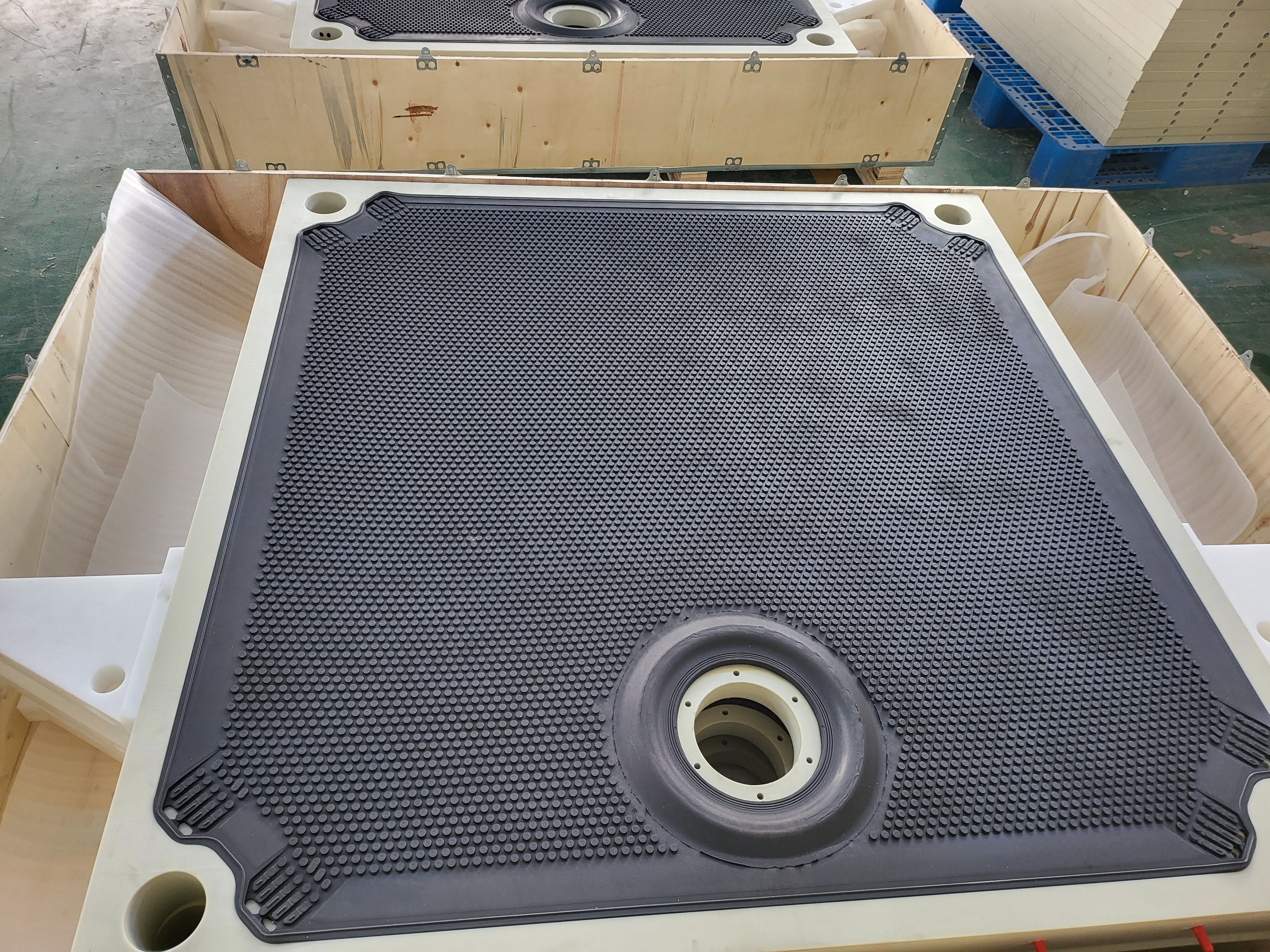
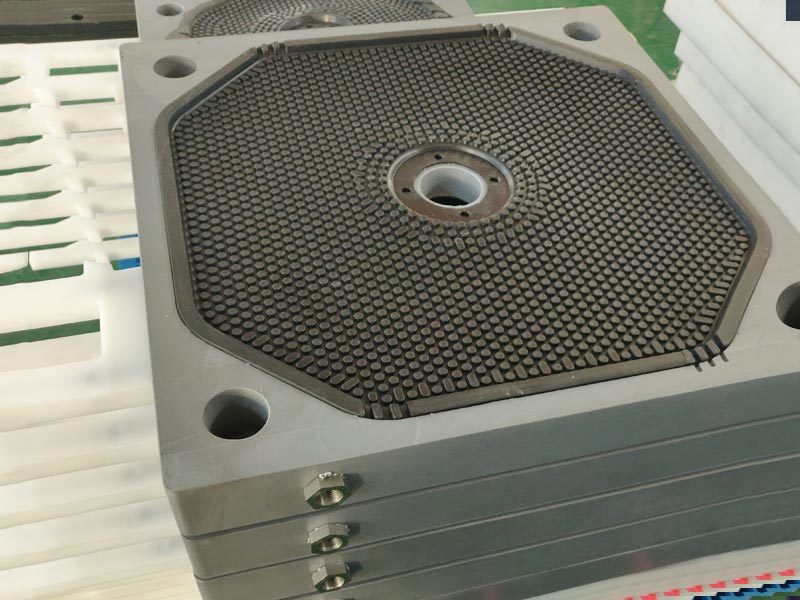
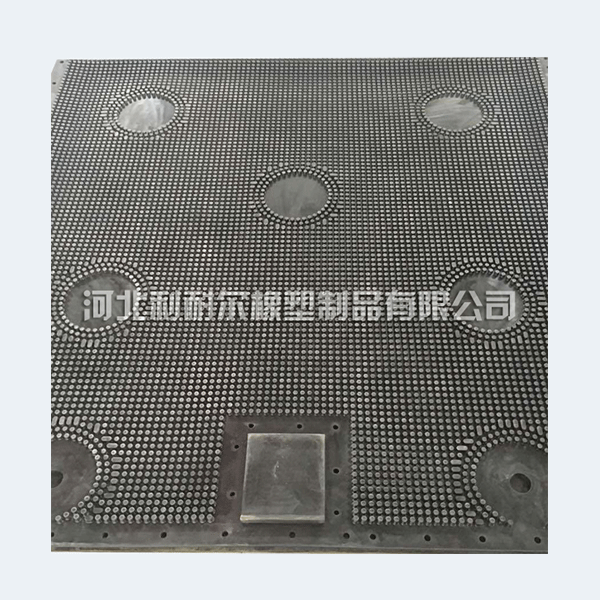
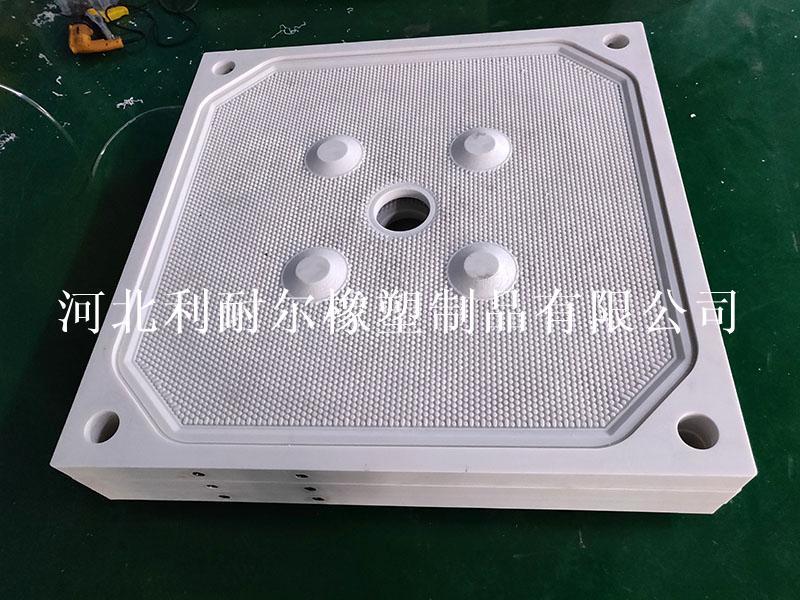
ProductMain products: vertical and horizontal imported and domestic filter plates, diaphragm plates, diaphragms and accessories; pinch valve sleeves and pinch valves and various mining accessories.
-
NewsIn 2013, our company's high-pressure cylinder with phenolic cloth support and guide ring obtained the national key new product certificate, project number: 2013GRA20011; its products in coal cylinders and engineering hydrauli
-
ServiceWe will actively cooperate with more enthusiasm, strengthen internal management, expand the market externally, improve various performance indicators of existing products, and truly achieve our win-win situation!
-
RecruitmentOur company always adheres to the talent concept of "people-oriented", provides a growth platform for talents, and realizes the common growth and development of enterprises and talents.


language
English
العربية
বাংলাদেশ
Български
Hrvatski
Česky
Dansk
Nederland
 Esperanto
Slovenski
Filipino
Suomi
Français
Maori
 Shqiptare
Georgian
 Euskara
Deutsch
Ελλάδα
ישראל
इंडिया
Magyarország
Ísland
Indonesia
Irlanda
Italia
日本語
Sovensko
Հայաստան
한국
Kyrgyz
ປະເທດລາວ
 Zulu
Zulu
Latvian
Lithuanian
Luxembourgish
 Latinus
Macedonian
Малайская
Maltese
Монгол улс
 Cymraeg
ဗမာ
 தமிழ்
தமிழ்
नेपाल
Norge
ایران
Polska
Portugal
România
Российская
Србија
 Slovak
Србија
 Slovak
Bosanski
Slovenian
Беларус
España
Sverige
Точик
ประเทศไทย
Türk
Azərbaycan
Uzbek
 Afrikaans
Việt Nam

Unleashing the Power of Low-Cost Research and Development in the Plastics Industry
Release time:
2024-06-14
**Introduction** In today's highly competitive plastics industry, staying ahead of the curve is essential for success. One of the most effective ways to achieve this is through strategic research and development (R&D) initiatives. However, many companies are hesitant to invest in R&D due to the perceived high costs associated with it. In this article, we will explore how businesses can unleash th
**Introduction**
In today's highly competitive plastics industry, staying ahead of the curve is essential for success. One of the most effective ways to achieve this is through strategic research and development (R&D) initiatives. However, many companies are hesitant to invest in R&D due to the perceived high costs associated with it. In this article, we will explore how businesses can unleash the power of low-cost R&D to drive innovation and growth in the plastics industry.
**The Benefits of Low-Cost Research and Development**
Low-cost R&D offers several advantages for companies in the plastics industry. By investing in innovative technologies and processes, businesses can improve product quality, reduce production costs, and enhance overall competitiveness. Additionally, low-cost R&D can help companies stay ahead of regulatory changes and market trends, giving them a strategic advantage in a rapidly evolving industry.
**Strategies for Implementing Low-Cost Research and Development**
There are several strategies that companies can use to implement low-cost R&D initiatives effectively. One approach is to collaborate with academic institutions and research organizations to access cutting-edge technologies and expertise at a fraction of the cost of in-house research. Another strategy is to leverage open innovation platforms and crowdsourcing to tap into a global network of innovators and researchers. By embracing these collaborative approaches, companies can accelerate the pace of innovation and reduce R&D costs significantly.
**Case Studies: How Companies are Succeeding with Low-Cost R&D**
Several companies in the plastics industry have successfully leveraged low-cost R&D to drive innovation and growth. For example, Company X partnered with a local university to develop a new, eco-friendly plastic material that reduced production costs by 20%. Company Y, on the other hand, used crowdsourcing to identify a breakthrough technology that improved the durability of their products while lowering manufacturing expenses. These case studies demonstrate the power of low-cost R&D in driving tangible business results.
**FAQs**
1. What are the key benefits of low-cost research and development in the plastics industry?
Low-cost R&D can help companies improve product quality, reduce production costs, enhance competitiveness, and stay ahead of market trends.
2. How can companies implement low-cost R&D initiatives effectively?
Companies can collaborate with academic institutions, research organizations, and open innovation platforms to access cutting-edge technologies and expertise at a lower cost.
3. What are some successful examples of companies leveraging low-cost R&D in the plastics industry?
Companies like Company X and Company Y have successfully used low-cost R&D to develop innovative products and reduce manufacturing expenses.
**Conclusion**
In conclusion, low-cost research and development can be a powerful tool for driving innovation and growth in the plastics industry. By embracing collaborative approaches and strategic partnerships, companies can unlock new opportunities for success and stay ahead of the competition. By investing in low-cost R&D, businesses can position themselves as industry leaders and pioneers in a rapidly evolving market landscape.
In today's highly competitive plastics industry, staying ahead of the curve is essential for success. One of the most effective ways to achieve this is through strategic research and development (R&D) initiatives. However, many companies are hesitant to invest in R&D due to the perceived high costs associated with it. In this article, we will explore how businesses can unleash the power of low-cost R&D to drive innovation and growth in the plastics industry.
**The Benefits of Low-Cost Research and Development**
Low-cost R&D offers several advantages for companies in the plastics industry. By investing in innovative technologies and processes, businesses can improve product quality, reduce production costs, and enhance overall competitiveness. Additionally, low-cost R&D can help companies stay ahead of regulatory changes and market trends, giving them a strategic advantage in a rapidly evolving industry.
**Strategies for Implementing Low-Cost Research and Development**
There are several strategies that companies can use to implement low-cost R&D initiatives effectively. One approach is to collaborate with academic institutions and research organizations to access cutting-edge technologies and expertise at a fraction of the cost of in-house research. Another strategy is to leverage open innovation platforms and crowdsourcing to tap into a global network of innovators and researchers. By embracing these collaborative approaches, companies can accelerate the pace of innovation and reduce R&D costs significantly.
**Case Studies: How Companies are Succeeding with Low-Cost R&D**
Several companies in the plastics industry have successfully leveraged low-cost R&D to drive innovation and growth. For example, Company X partnered with a local university to develop a new, eco-friendly plastic material that reduced production costs by 20%. Company Y, on the other hand, used crowdsourcing to identify a breakthrough technology that improved the durability of their products while lowering manufacturing expenses. These case studies demonstrate the power of low-cost R&D in driving tangible business results.
**FAQs**
1. What are the key benefits of low-cost research and development in the plastics industry?
Low-cost R&D can help companies improve product quality, reduce production costs, enhance competitiveness, and stay ahead of market trends.
2. How can companies implement low-cost R&D initiatives effectively?
Companies can collaborate with academic institutions, research organizations, and open innovation platforms to access cutting-edge technologies and expertise at a lower cost.
3. What are some successful examples of companies leveraging low-cost R&D in the plastics industry?
Companies like Company X and Company Y have successfully used low-cost R&D to develop innovative products and reduce manufacturing expenses.
**Conclusion**
In conclusion, low-cost research and development can be a powerful tool for driving innovation and growth in the plastics industry. By embracing collaborative approaches and strategic partnerships, companies can unlock new opportunities for success and stay ahead of the competition. By investing in low-cost R&D, businesses can position themselves as industry leaders and pioneers in a rapidly evolving market landscape.
Related News