
-
AboutHebei Linaier Rubber Products Co., Ltd. is located in Duqiao Industrial Zone, Jingxian City, Hebei Province, adjacent to Dezhou, Shandong. Founded in early 2001 with a registered capital of 35 million yuan, it is a scientific

-
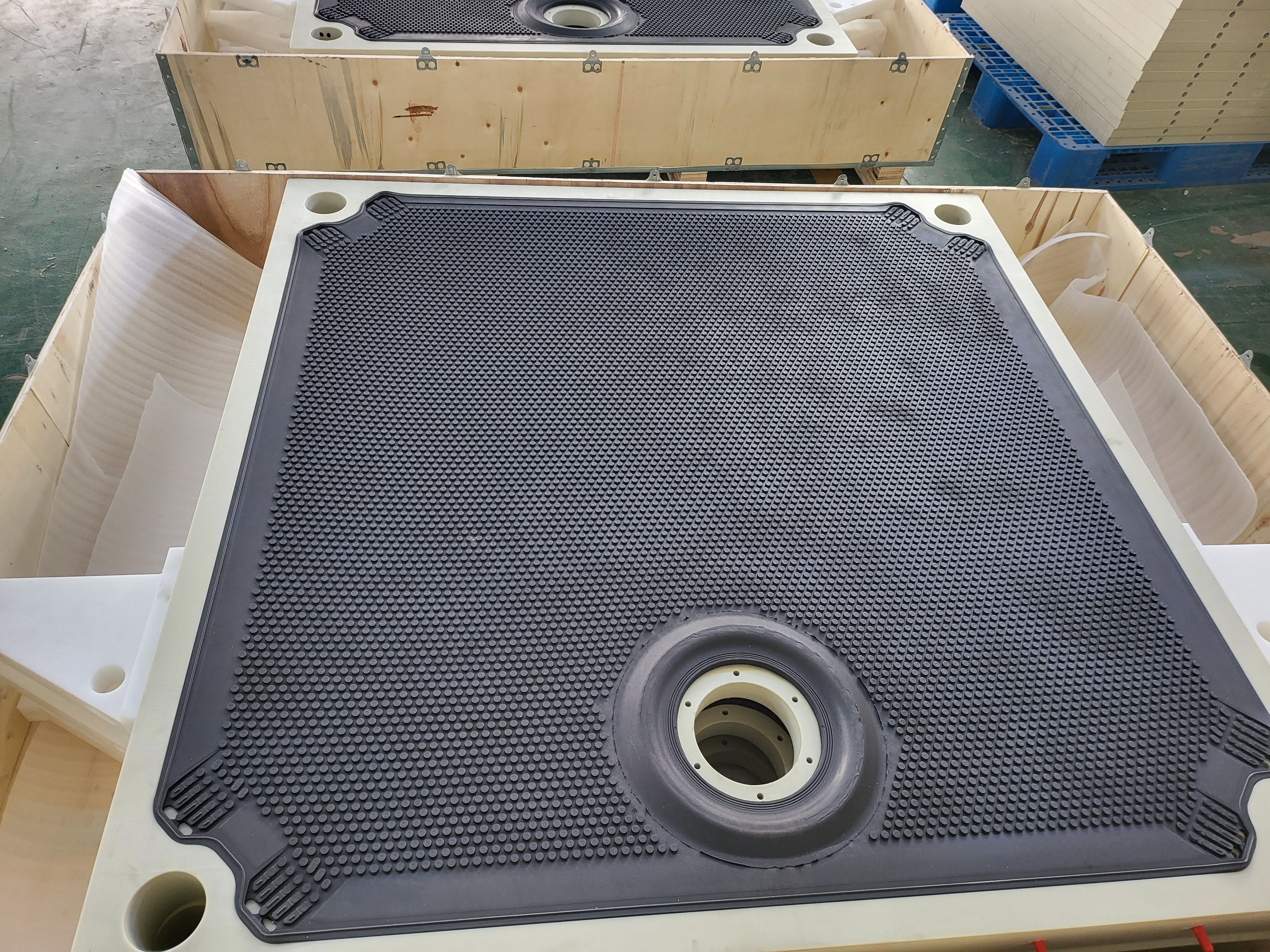
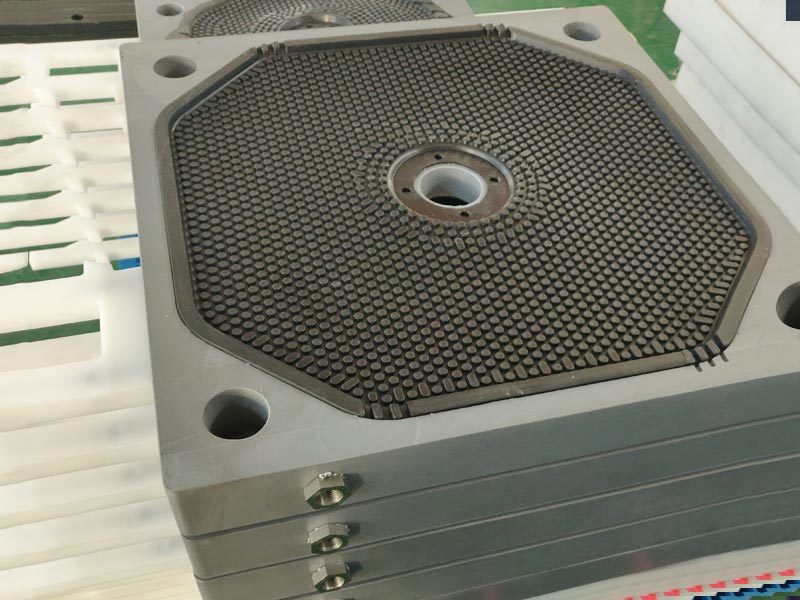
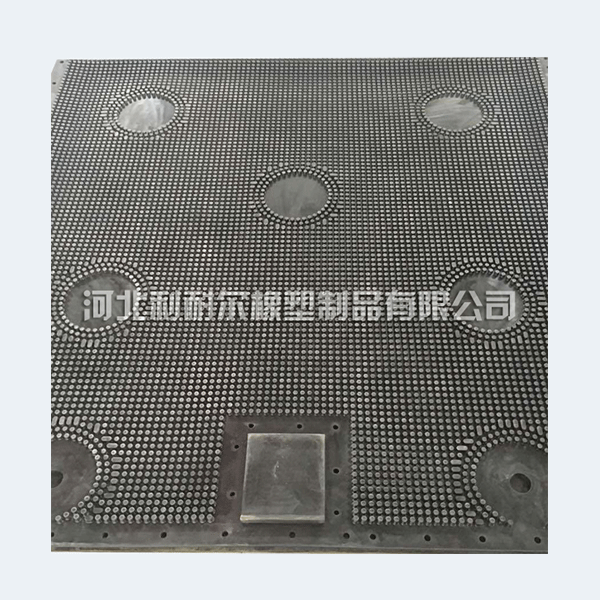
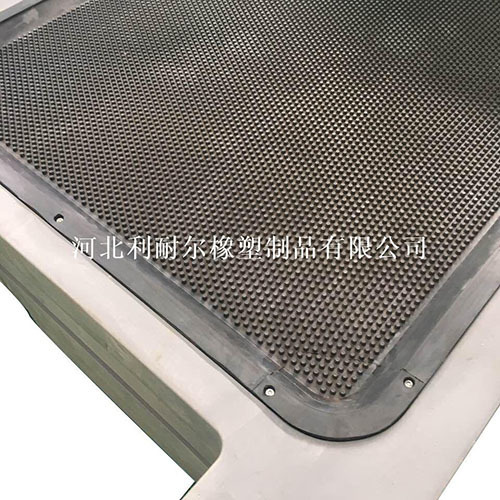
ProductMain products: vertical and horizontal imported and domestic filter plates, diaphragm plates, diaphragms and accessories; pinch valve sleeves and pinch valves and various mining accessories.
-
NewsIn 2013, our company's high-pressure cylinder with phenolic cloth support and guide ring obtained the national key new product certificate, project number: 2013GRA20011; its products in coal cylinders and engineering hydrauli
-
ServiceWe will actively cooperate with more enthusiasm, strengthen internal management, expand the market externally, improve various performance indicators of existing products, and truly achieve our win-win situation!
-
RecruitmentOur company always adheres to the talent concept of "people-oriented", provides a growth platform for talents, and realizes the common growth and development of enterprises and talents.


language
English
العربية
বাংলাদেশ
Български
Hrvatski
Česky
Dansk
Nederland
 Esperanto
Slovenski
Filipino
Suomi
Français
Maori
 Shqiptare
Georgian
 Euskara
Deutsch
Ελλάδα
ישראל
इंडिया
Magyarország
Ísland
Indonesia
Irlanda
Italia
日本語
Sovensko
Հայաստան
한국
Kyrgyz
ປະເທດລາວ
 Zulu
Zulu
Latvian
Lithuanian
Luxembourgish
 Latinus
Macedonian
Малайская
Maltese
Монгол улс
 Cymraeg
ဗမာ
 தமிழ்
தமிழ்
नेपाल
Norge
ایران
Polska
Portugal
România
Российская
Србија
 Slovak
Србија
 Slovak
Bosanski
Slovenian
Беларус
España
Sverige
Точик
ประเทศไทย
Türk
Azərbaycan
Uzbek
 Afrikaans
Việt Nam

The Evolution of Diaphragm Plate Materials in Industrial Filtration
Release time:
2024-04-04
**Introduction** In the world of industrial filtration, diaphragm plates play a crucial role in separating solids from liquids. These plates are made from a variety of materials, each with its own unique properties and benefits. In this article, we will explore the evolution of diaphragm plate materials in industrial filtration and how they have advanced over the years. **The Early Days of Diaphra
**Introduction**
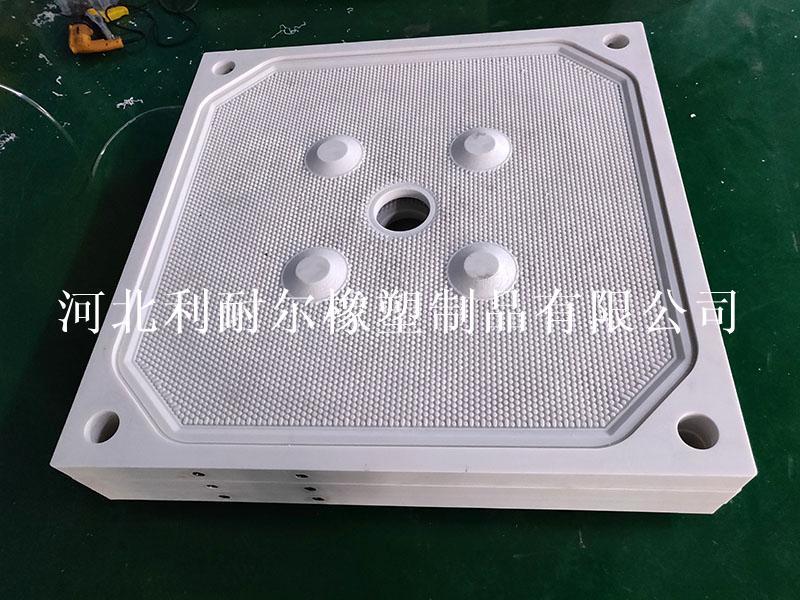
In the world of industrial filtration, diaphragm plates play a crucial role in separating solids from liquids. These plates are made from a variety of materials, each with its own unique properties and benefits. In this article, we will explore the evolution of diaphragm plate materials in industrial filtration and how they have advanced over the years.
**The Early Days of Diaphragm Plate Materials**
Historically, diaphragm plates were made from simple materials such as rubber or plastic. While these materials were effective at separating solids from liquids, they had their limitations in terms of durability and longevity. As industrial processes became more demanding, the need for stronger and more resilient materials became apparent.
**The Rise of Advanced Materials**
In recent years, significant advancements have been made in diaphragm plate materials. Materials such as polypropylene, polyethylene, and stainless steel are now commonly used in industrial filtration applications. These materials offer improved durability, chemical resistance, and longevity, making them ideal for a wide range of industrial processes.
**Benefits of Modern Diaphragm Plate Materials**
The use of modern diaphragm plate materials has revolutionized the industrial filtration industry. These materials offer superior performance, increased efficiency, and reduced maintenance costs. Polypropylene, for example, is known for its chemical resistance and low maintenance requirements, making it an ideal choice for industries with corrosive liquids.
**Emerging Trends in Diaphragm Plate Materials**
As technology continues to advance, new materials are being developed for diaphragm plates. Graphene, for example, is a highly promising material that offers exceptional strength and conductivity. Carbon fiber is another material that is gaining popularity for its lightweight yet durable properties. These emerging materials are poised to further revolutionize the industrial filtration industry.
**Conclusion**
The evolution of diaphragm plate materials in industrial filtration has been a game-changer for the industry. From simple rubber plates to advanced polypropylene and graphene materials, the advancements in material science have allowed for more efficient and effective filtration processes. As technology continues to progress, we can expect to see even more innovative materials that will shape the future of industrial filtration.
In the world of industrial filtration, diaphragm plates play a crucial role in separating solids from liquids. These plates are made from a variety of materials, each with its own unique properties and benefits. In this article, we will explore the evolution of diaphragm plate materials in industrial filtration and how they have advanced over the years.
**The Early Days of Diaphragm Plate Materials**
Historically, diaphragm plates were made from simple materials such as rubber or plastic. While these materials were effective at separating solids from liquids, they had their limitations in terms of durability and longevity. As industrial processes became more demanding, the need for stronger and more resilient materials became apparent.
**The Rise of Advanced Materials**
In recent years, significant advancements have been made in diaphragm plate materials. Materials such as polypropylene, polyethylene, and stainless steel are now commonly used in industrial filtration applications. These materials offer improved durability, chemical resistance, and longevity, making them ideal for a wide range of industrial processes.
**Benefits of Modern Diaphragm Plate Materials**
The use of modern diaphragm plate materials has revolutionized the industrial filtration industry. These materials offer superior performance, increased efficiency, and reduced maintenance costs. Polypropylene, for example, is known for its chemical resistance and low maintenance requirements, making it an ideal choice for industries with corrosive liquids.
**Emerging Trends in Diaphragm Plate Materials**
As technology continues to advance, new materials are being developed for diaphragm plates. Graphene, for example, is a highly promising material that offers exceptional strength and conductivity. Carbon fiber is another material that is gaining popularity for its lightweight yet durable properties. These emerging materials are poised to further revolutionize the industrial filtration industry.
**Conclusion**
The evolution of diaphragm plate materials in industrial filtration has been a game-changer for the industry. From simple rubber plates to advanced polypropylene and graphene materials, the advancements in material science have allowed for more efficient and effective filtration processes. As technology continues to progress, we can expect to see even more innovative materials that will shape the future of industrial filtration.
Related News